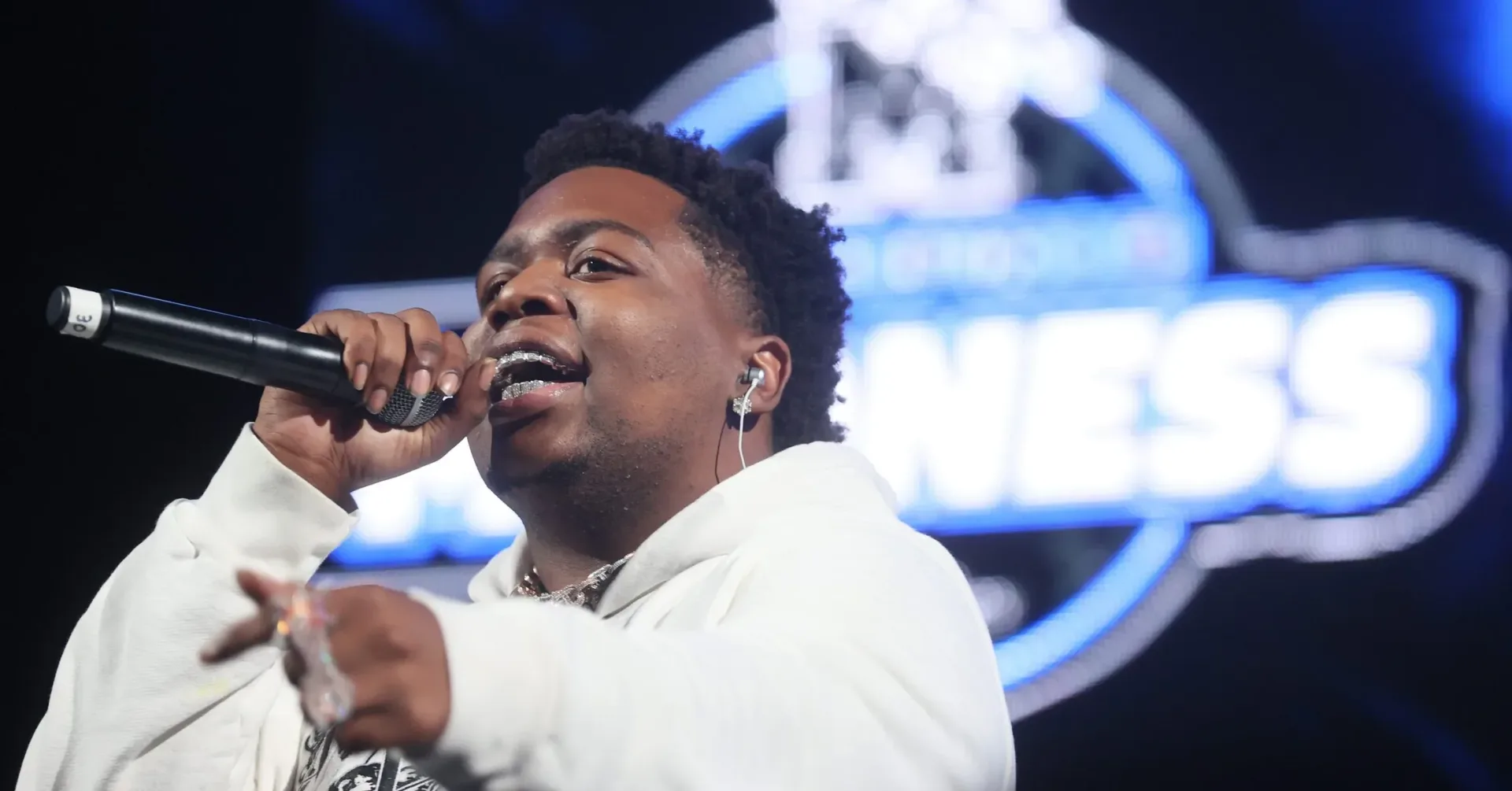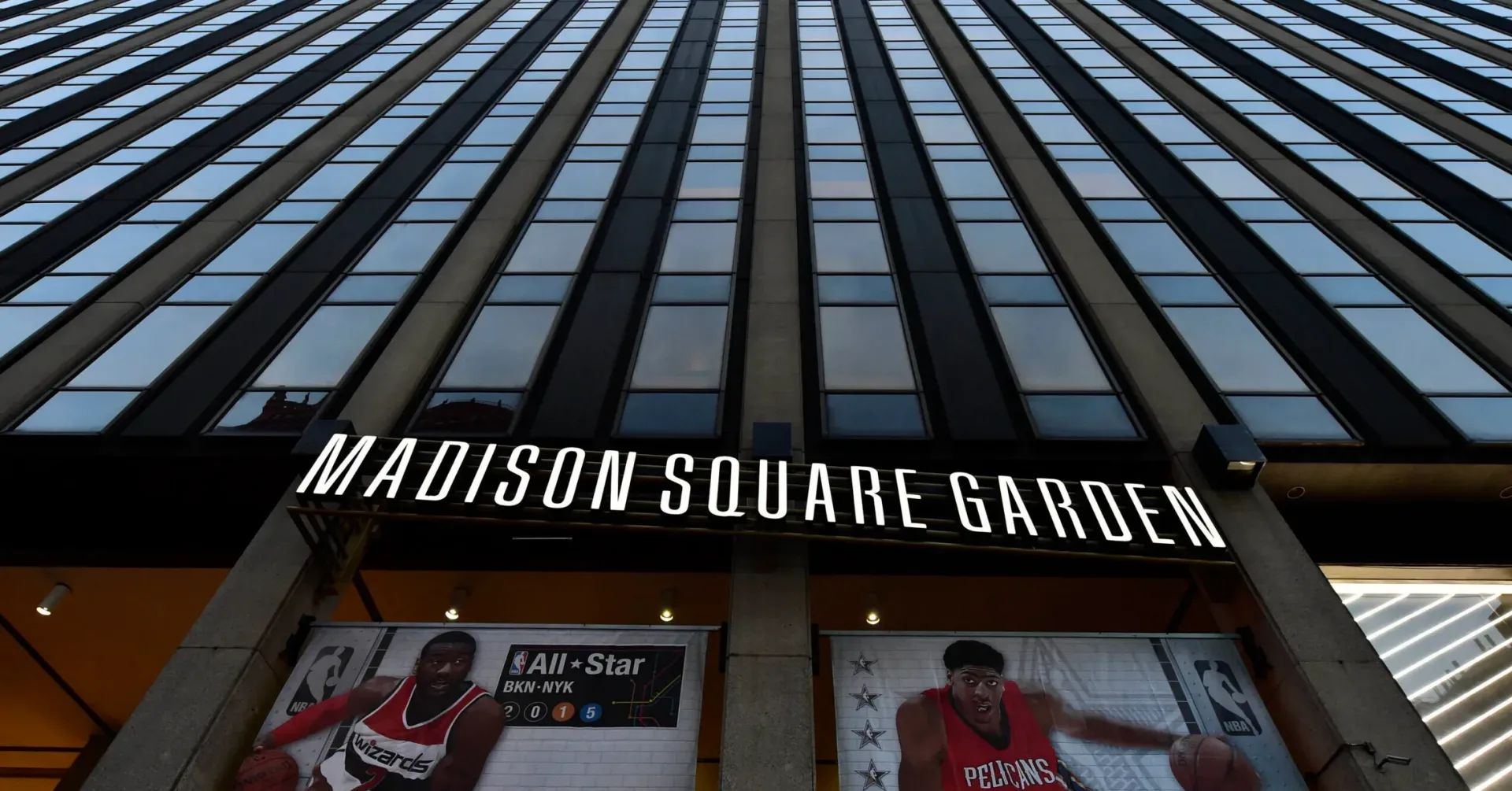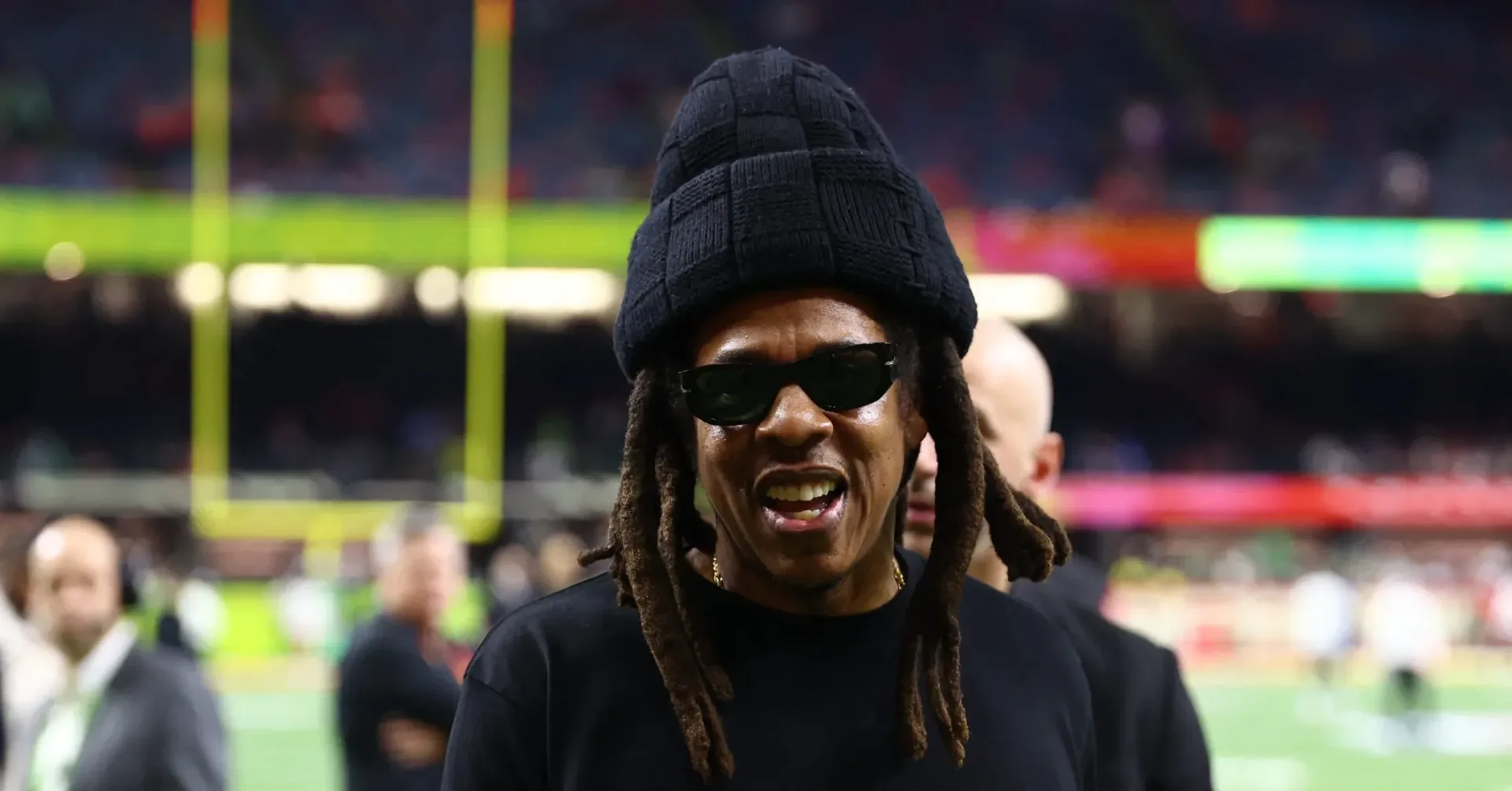
Funk Flex has publicly rejected claims that he was assaulted during a reported physical altercation at Madison Square Garden, using social media posts to dispute the framing of an incident said to have occurred during Tuesday night’s New York Knicks-Philadelphia 76ers season opener.
The game was already a major New York sports event, with LeBron James making his debut for Philadelphia. But video and discussion of the reported confrontation involving Flex circulated online alongside the on-court conversation. Claims surrounding exactly what happened remain limited and contested.
Flex’s response was unequivocal: he denied that he had been assaulted and directed comments toward music executive Shadow Stokes. In a series of posts, Flex also alleged that Stokes and another person have an active case involving Flex and his company, and accused them of attempting to provoke a financial settlement.
Those are Flex’s allegations, not established findings. Stokes had not publicly responded to the alleged involvement at the time of the report, and there is no supplied information describing the alleged case, its venue, its claims, or its current procedural status.
What Flex is disputing
The key point in Flex’s posts is his pushback against the word assaulted. Online clips can travel faster than the surrounding context, particularly when they appear to show a confrontation in a packed, high-profile venue. A short recording may establish that people were in close proximity or that an argument became physical, but it does not independently settle who initiated contact, whether anyone was injured, or whether a criminal offense occurred.
Flex argued that reports portraying him as an assault victim were wrong. He then specifically named Stokes while saying Stokes “could never punch” him. The phrasing makes clear that Flex is contesting a version of events that positioned him as having been attacked.
That distinction matters. In ordinary conversation, people often use “fight,” “altercation,” “assault,” and “attack” interchangeably. They do not necessarily mean the same thing, especially when legal consequences are being implied. An altercation is a broad term for a confrontation and does not determine fault. A claim of assault, meanwhile, can carry a more specific legal meaning that varies by jurisdiction. None of the available information establishes a legal characterization of the incident.
Allegations about an active case remain unverified
Flex connected the reported confrontation to what he called an “active case” against him and his company. He alleged that the purpose of approaching him was to bait him into a payout. The available information does not substantiate that allegation, and it does not indicate whether a lawsuit, complaint, demand, or another type of dispute has actually been filed.
Related coverage includes Funk Flex Denies Assault Claim After Knicks Game Altercation.
It is important not to turn a public allegation into a declaration of fact. Saying there is an “active case” can refer to many different things: a civil lawsuit, a threatened claim, a pending dispute, or an issue being handled outside a courtroom. Without filings, statements from the other party, or official documentation, the nature of the matter is unknown.
Likewise, an accusation that someone is attempting to manufacture a payout is an assertion by Flex. It should not be treated as proof of motive or conduct by Stokes or anyone else. Public disputes connected to the music business can quickly become tangled with social media messaging, legal positioning, and competing accounts. Readers should separate what was seen in circulating clips from what the participants are claiming after the fact.
For a separate example of how legal allegations in music news can remain unresolved while public statements continue, see this report on Big30 disputing allegations connected to his own case. A denial or accusation is part of the public record of a dispute, not a final adjudication of it.
No reported police record or venue statement so far
At the time of the report, the New York Police Department reportedly had no information pertaining to the fight. Madison Square Garden had not commented.
That absence should be read narrowly. It does not prove that no confrontation occurred; footage and Flex’s own posts indicate that an incident was being discussed publicly. It also does not verify any person’s account. It means there was no cited police information available in connection with the reported altercation at that point.
Venue comment can be especially relevant in a situation like this because arenas may have security personnel, entry records, in-house camera systems, and incident procedures. But none of those materials has been described publicly here. Until there is a statement from the venue, law enforcement information, or a detailed account from the other people involved, important questions remain unanswered.
- What immediately preceded the confrontation?
- Who made physical contact, if any, and under what circumstances?
- Whether anyone sought medical attention or made a formal complaint.
- Whether the alleged active case referenced by Flex exists and how it relates, if at all, to the arena incident.
- Whether Stokes will offer a response or account of his own.
Why a promised radio explanation may not settle everything
Flex said he planned to discuss his account of the episode on his Thursday radio show. That could provide more detail about his version of events, including why he believes the situation is linked to an existing dispute. It would still be a first-person account from one party in a contested incident.
First-person explanations can be useful: they may establish a timeline, identify the people involved, and clarify why someone disputes a specific claim. They are not, by themselves, independent corroboration. The same standard applies if Stokes addresses the allegation publicly. Each statement would add to the picture, but neither would automatically resolve factual or legal responsibility.
For now, the most supportable account is narrow. A reported altercation involving Funk Flex drew attention at the Knicks-76ers game at Madison Square Garden. Flex denies that he was assaulted, has named Shadow Stokes in posts, and has alleged that the encounter is connected to an active case and an attempted payout. Stokes had not commented, the NYPD reportedly had no information on the matter, and Madison Square Garden had not issued a statement.
That leaves the incident in the realm of an ongoing public dispute rather than a settled account. Any additional details should be evaluated based on whether they are backed by direct evidence, official information, or clearly attributed statements from those involved.