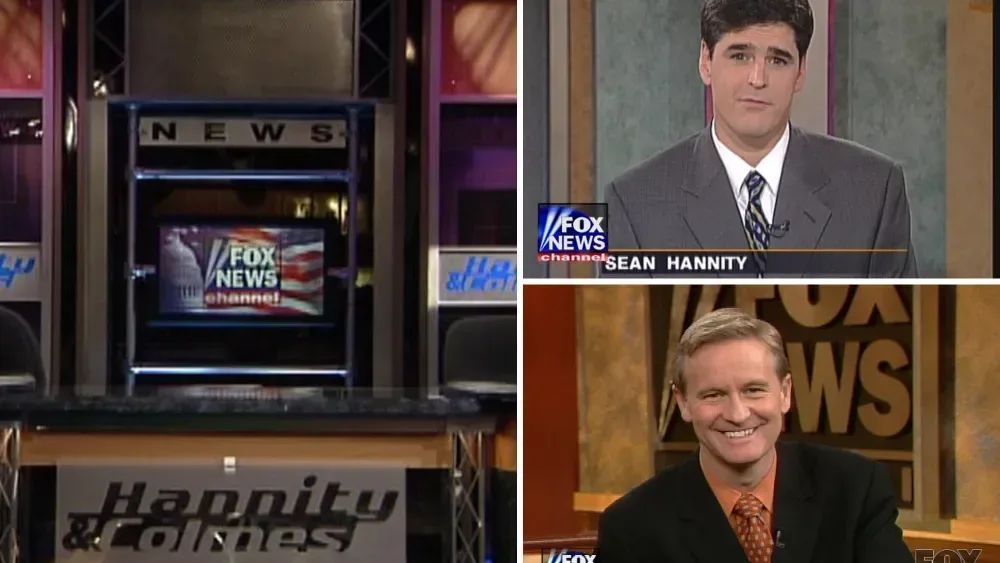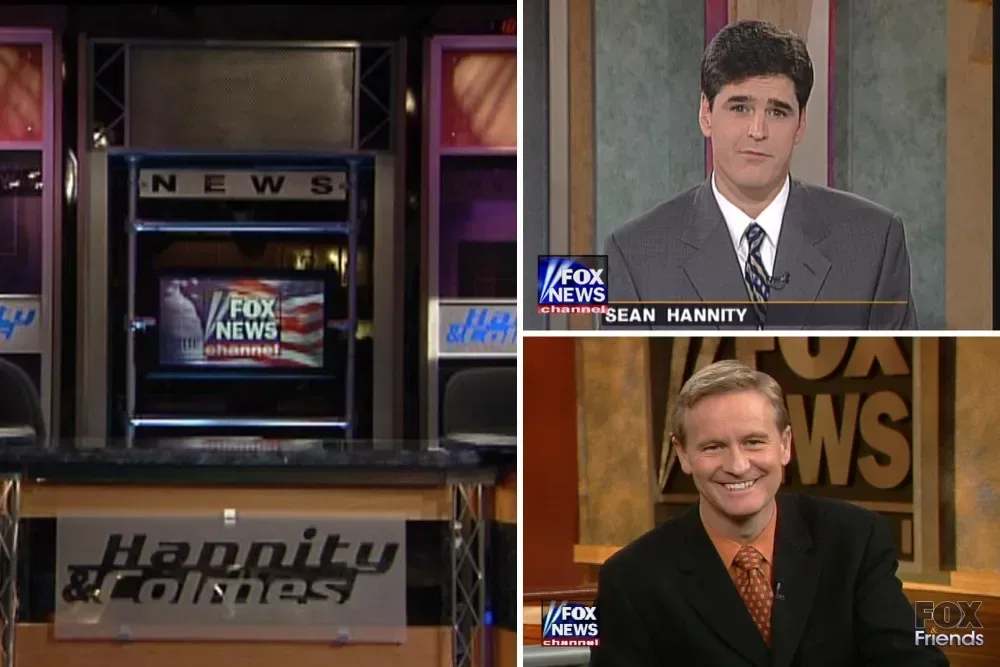
Thirty years after Fox News Channel debuted on Oct. 7, 1996, the network’s anniversary arrives as a reminder that media brands do not simply survive by staying on a channel guide. They survive by figuring out where their next audience will encounter them.
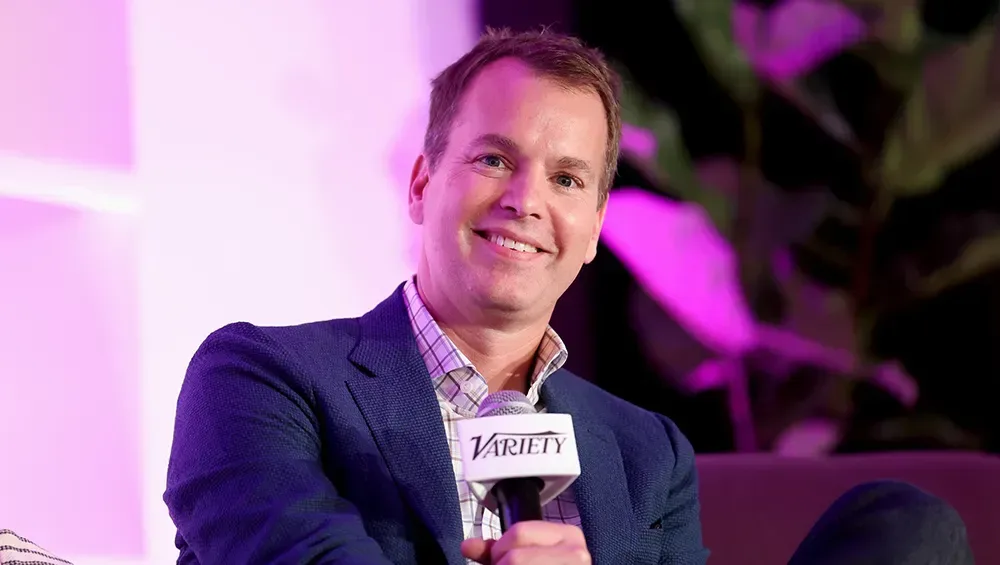
That is the central tension in comments from Jason Klarman, Fox News Media’s chief digital officer, who took part in the channel’s original marketing effort and was appointed to his current role in 2023. His account of the network’s origin is notably unglamorous: Fox News launched on roughly 10 million subscribers through Tele-Communications Inc. systems, well behind established competitors in the cable-news field. Klarman recalled an internal joke that the newcomer was “fourth in a three-horse race.”
Three decades later, the organization is discussing Fox Nation, a larger podcast slate, TikTok and other social platforms alongside the linear TV network that gave the brand its name. The path from cable carriage to clips, streams and audio shows is not a clean replacement story. It is a story about adding entry points without abandoning the identity that made the original operation recognizable.
From limited carriage to a conspicuous challenger
Carriage is the industry term for a distributor—historically a cable operator—making a channel available to its subscribers. It is an unglamorous but fundamental part of cable television: a new channel cannot build habitual viewers in households where it is unavailable. Fox News’ initial reach of about 10 million subscribers illustrates the narrow base from which it started.
Klarman characterized those formative years as a gradual build rather than an instant takeover. The marketing approach he described was deliberately visible and competitive. When Fox News arrived on Cox’s cable system in Atlanta, he said the team bought two billboards opposite CNN and staged their unveiling with a high-school marching band.
The detail matters because it captures a particular challenger-brand logic. A young network without the incumbent’s automatic familiarity has to make its arrival feel like an event. In this case, attention was not treated as a byproduct of distribution; it was something the channel actively manufactured with local promotion and a pointed geographic placement.
That does not mean a billboard or a band explains a 30-year media trajectory. But it does underline the attitude Klarman attaches to the launch: Fox entered a crowded category as a scrappy fourth contender and sought contrast. His broader claim is that the brand has preserved a consistent core instead of moving away from its ethos in pursuit of audiences.
Identity can be an asset—and a constraint
Brand consistency is often praised as though it were automatically a business advantage. In practice, it is more complicated. A clear identity can help viewers know what they are choosing, particularly when the television market is fragmented across channels, streaming services, podcasts and social feeds. It can also sharpen the ways a brand is perceived by people who do not choose it.
Klarman addressed this directly, describing Fox News as a polarizing brand at a time of elevated partisan tension in the United States. That characterization is important context for any anniversary retrospective. The channel’s cultural and political influence cannot be separated from the fact that it inspires strongly divided reactions.
His recollection of the channel’s early growth points to moments where Fox News’ distinction from other news organizations became clearer to its audience. He identified the Monica Lewinsky story and the closely contested 2000 election as pivotal periods, with the latter acting as an accelerant. These comments are the perspective of a longtime Fox executive, rather than a complete account of the broader news landscape, but they explain how the company sees its own development: major national stories helped audiences decide which kind of news brand they wanted.
That perspective also helps explain why consistency is being emphasized now. A brand that built a loyal audience around a defined position faces a different problem from a brand trying to establish itself from scratch. Its task is to reach people on new platforms while making sure the product still feels legible to the people who already know it.
Why digital expansion is about discovery, not just apps
Fox News Media’s efforts to reach younger audiences include Fox Nation, its streaming platform, and a significant podcast push. Those initiatives should not be read only as an attempt to recreate a cable channel inside separate apps. They also create different ways to discover and spend time with a media brand.
Streaming generally means programming delivered over the internet rather than through a scheduled cable channel. A streaming platform can give viewers more control over when and how they watch. Podcasts are on-demand audio programs, generally consumed outside the live television schedule. Each format changes the relationship between a media organization and its audience: someone can select a specific show, episode or personality instead of first arriving at a live channel.
That matters in a fragmented viewing environment. Fragmentation means attention is divided among a larger number of services, formats and devices. It is not just that audiences have more choices; it is that the paths into a brand are less uniform. One person may encounter a clip while scrolling through a social app, another may subscribe to an audio show, and another may still watch a conventional TV channel.
Klarman’s reference to TikTok and other social platforms makes the strategy especially clear. He described social media as a funnel for future viewers. In marketing language, a funnel is the sequence by which a person moves from awareness to deeper engagement. In this context, a short social video may introduce a host, topic or recognizable editorial voice; the hoped-for next step is that the viewer seeks out more from the organization through a show, podcast, streaming product or television channel.
A funnel is not a guarantee. Seeing a clip does not necessarily make someone a committed viewer, subscriber or listener. But social distribution can make a media brand visible to people who may never encounter it by turning on cable news. For an institution founded in the cable era, that basic discovery function is strategically significant.
The hard part: translating a legacy brand into platform-native formats
There is a meaningful difference between placing existing material on a social network and building an effective presence there. Platform-native material is shaped for the expectations of the place it appears: its length, pacing, framing and the way users find it. The supplied information does not specify Fox News’ particular programming or posting tactics on TikTok, so it would be wrong to claim a formula. Still, Klarman’s focus on social relevance indicates that distribution itself is now part of the editorial and brand challenge.
The practical implication is that a media company has to make decisions across formats that do not behave alike. A cable channel is scheduled. A podcast is selected. A streaming library is browsed. A social clip can be found incidentally, often before a user has any intent to watch news from that brand. Each setting places a different premium on context, attention and follow-through.
For Fox News, the stated aim is not to discard the linear network’s identity in order to mimic every online trend. Klarman’s core argument is the reverse: the brand’s continuity is what it can carry into those new environments. Whether that approach wins over future audiences is an open question, but it frames the company’s digital plans as an extension of its established identity rather than a reinvention.
That approach is not unique to news organizations. Across television and entertainment, legacy companies are contending with a similar distribution shift. The corporate stakes of consolidating streaming operations can be seen in recent moves to put major streaming services under one content lead. Fox News’ circumstances are distinct, but the underlying pressure is familiar: audience access now runs through many products and platforms at once.
A 30-year milestone without a finished endpoint
The 1996 launch story and the current digital agenda may seem like separate eras, yet they are connected by the same business question: how does a challenger get noticed—and continue to be chosen—when viewers have alternatives?
At launch, the answer included basic cable distribution and conspicuous local marketing. Fox News had to persuade audiences to notice a new channel despite its limited footprint. Now the brand is already widely known, but attention is divided more ways than a cable dial could have suggested. The challenge is less about proving the channel exists than about being discoverable and relevant across streaming, audio and social media.
Klarman’s account does not erase the tensions surrounding the network’s influence or its polarizing reputation. Instead, it places those tensions beside the company’s own belief that a consistent voice has been crucial to its durability. That is the meaningful business lesson of the anniversary: media expansion is not only a technology problem. A platform may change the delivery method, but it also tests whether a brand can preserve what its audience recognizes while adapting to how that audience actually finds and uses media.
Fox News began with constrained access, promotional stunts and a self-image as the underdog. Its next chapter, as described by its digital leadership, is built around a far less constrained media environment. The brand’s 30th year therefore looks backward to the cable start while confronting a decidedly current question: can a legacy TV identity turn a passing social-media encounter into a lasting relationship?