A California federal lawsuit is putting a familiar online-media practice under a microscope: reposting a creator’s concert footage to build attention around artists and performances.
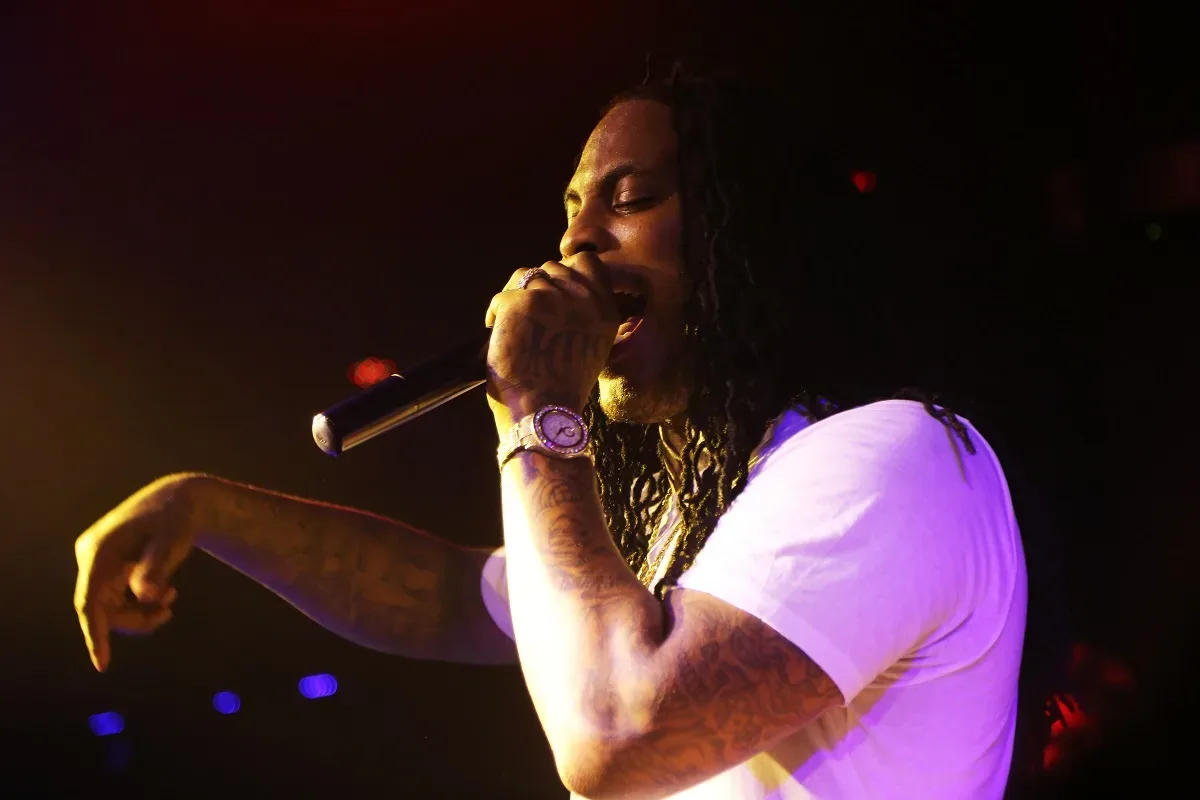
Calan Beasley, a Cincinnati photographer and videographer who works as FortyCal Productions and is known as FortyCal, has sued Commerce Media Holdings, LLC. The complaint alleges that accounts associated with Pigeons & Planes used four of Beasley’s concert videos without authorization. The footage includes appearances by Waka Flocka Flame, EsDeeKid and Fakemink, although Commerce Media Holdings is the lawsuit’s sole named defendant.
The case is an allegation, not a court finding. Beasley has requested a jury trial, damages tied to his claimed losses and the defendant’s alleged profits, and an order preventing further infringement.
What footage is at issue?
The complaint divides the dispute into four videos involving three performers and several social platforms.
- Two clips feature Waka Flocka Flame at the 2025 Gathering of the Juggalos in Thornville, Ohio. One reportedly shows the rapper with FortyCal and fans; the other captures Waka Flocka Flame in a mosh pit.
- A video of EsDeeKid performing “Rottweiler” at Chicago’s Avondale Music Hall was posted by Beasley on February 3, 2026, the filing says.
- A Fakemink clip shows “LV Sandals” at the artist’s first New York City performance. Beasley says that footage was posted on September 8, 2025.
For the EsDeeKid footage, the complaint alleges that Pigeons & Planes accounts shared the clip the following day through Facebook, Instagram, X and TikTok. It also identifies alleged uses of the Waka Flocka Flame clips in August 2025 and the Fakemink clip in September 2025.
The key claim is not that the performers appeared in the videos, but that Beasley created and owns the recorded footage. Concert images can carry several overlapping commercial interests: an artist’s performance, a venue or event environment, a platform’s post, and the person who physically captured and edited video. This suit focuses on the alleged rights in the recording itself.
Why a repost can become a licensing dispute
Beasley says he licenses his work to media companies and other businesses. That point matters because the alleged financial harm is framed around a lost market for authorized use of the videos rather than solely around a missing credit line or a personal objection to reposting.
In practical terms, a license is permission to use a work under agreed terms. Those terms can address where the work appears, how long it remains available, whether the use is commercial, whether it can be edited, and what payment or attribution is required. The complaint alleges there was no permission for the uses at issue.
Beasley further alleges that the posts generated traffic, advertising revenue and promotional value for Commerce Media Holdings. If proven, those claims would be relevant to the dispute over monetary relief. He seeks damages based on his losses and the company’s profits alleged to be connected to the infringement.
The filing includes a direct copyright infringement claim. It also advances a separate theory that Commerce Media Holdings controlled the people who posted the material and benefited from the alleged use. That second allegation is important because social accounts often involve teams, contractors or employees rather than one clearly identified individual. Whether a company is legally responsible for another person’s posting activity depends on the facts and legal standards the court applies; the complaint presents Beasley’s argument, not a resolved answer.
Copyright protection and registration are different questions
The U.S. Copyright Office explains that an original work is protected once it is recorded in a fixed form. For videographers, that means a video may receive copyright protection when it is captured and saved, rather than only after it is uploaded to a social network.
Registration is a separate step. The complaint’s discussion of remedies highlights why that distinction can matter. Registering a work can affect what a creator is able to seek or recover in a successful court action. Beasley seeks statutory damages as an alternative remedy only for the EsDeeKid clip, and the filing does not state a fixed dollar amount.
Statutory damages are damages set within parameters established by copyright law rather than calculated only from demonstrated licensing fees or profits. They are not automatic simply because a lawsuit is filed. The availability and amount of any recovery would depend on the legal requirements and the court’s eventual rulings.
For the remaining footage, Beasley seeks relief tied to his claimed actual losses and the defendant’s alleged gains. That approach places attention on the claimed licensing market for concert content: what an authorized use might have been worth, whether the use displaced a paid opportunity, and whether the defendant derived attributable value from the posts.
The practical issue for music-media accounts
Short-form video has made a concert moment easy to capture, circulate and repackage. A striking performance clip can move quickly from a creator’s account into music-news feeds and across several networks. But ease of copying does not establish permission to copy.
This case makes the underlying business question unusually clear. A media account may see a clip as timely promotional material for an artist. A videographer who earns money by licensing footage may see the same clip as inventory: a work whose value depends on the ability to offer authorized uses to publishers, brands and other businesses.
Those perspectives can coexist, but they do not settle ownership or licensing. A repost accompanied by artist promotion, platform tagging or broad circulation is not described in the complaint as a substitute for consent. Beasley’s allegation is that the defendant benefited commercially while his own ability to license the videos was harmed.
For publishers and brand-run social accounts, the straightforward risk-management lesson is to establish the chain of permission before a post goes live. That can mean obtaining a license directly from the videographer, working through an authorized representative, or using material supplied under terms that clearly permit the planned social use. Keeping records of those permissions is also significant when content is shared across multiple platforms and teams.
For independent creators, the dispute illustrates why documentation matters. Original project files, upload records, timestamps, written licensing terms and copies of alleged reposts can all help establish what was created, when it was made public and how it was allegedly used. None of those materials decides this case by itself, but they are central to the kind of factual record copyright litigation commonly turns on.
A dispute about authorship, control and online value
The performers named in the factual background are not defendants in this action. That detail narrows the suit: it is not presented as a fight over the artists’ conduct, nor a challenge to the underlying shows. It is a dispute over the alleged reuse of Beasley’s recordings by a media company.
There is also a broader media-business backdrop. Debates over who captures value from creative work extend beyond online video, from licensing disputes to public-policy efforts affecting film and television production. Production policy debates likewise show how strongly media businesses are shaped by ownership, investment and monetization questions, even though that separate issue does not determine this lawsuit.
Beasley’s complaint asks the court to recognize that the alleged reposting was not merely casual sharing, but a use that impaired a market for his work and delivered value to the defendant. Commerce Media Holdings will have the opportunity to answer those claims in court. Until then, the allegations remain unproven.
The requested jury trial means a jury could ultimately be asked to evaluate the disputed facts if the case proceeds that far. The immediate takeaway is more modest: concert footage shared online may look ephemeral, but to the person who made it, it can be a licensable creative asset with legal and commercial significance.