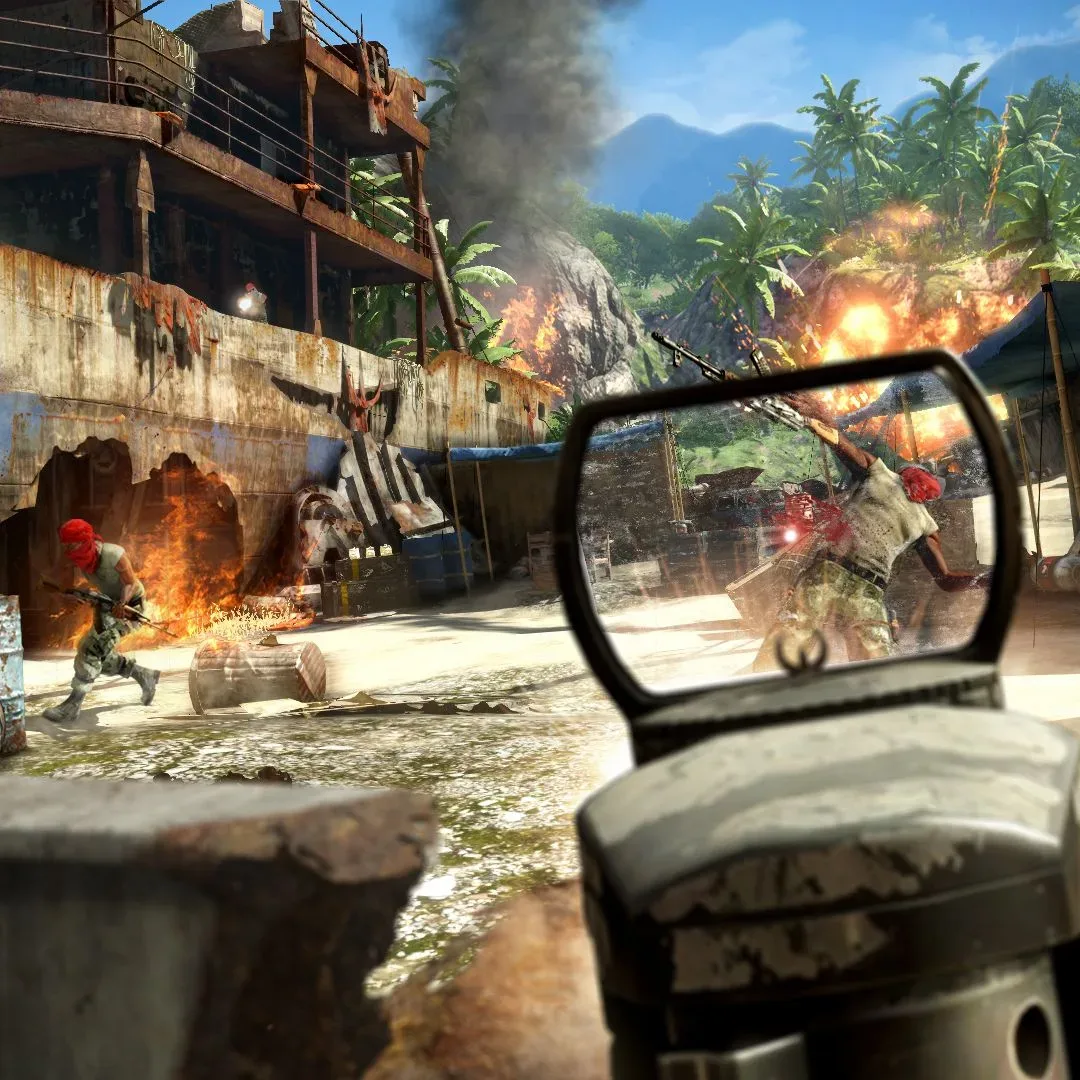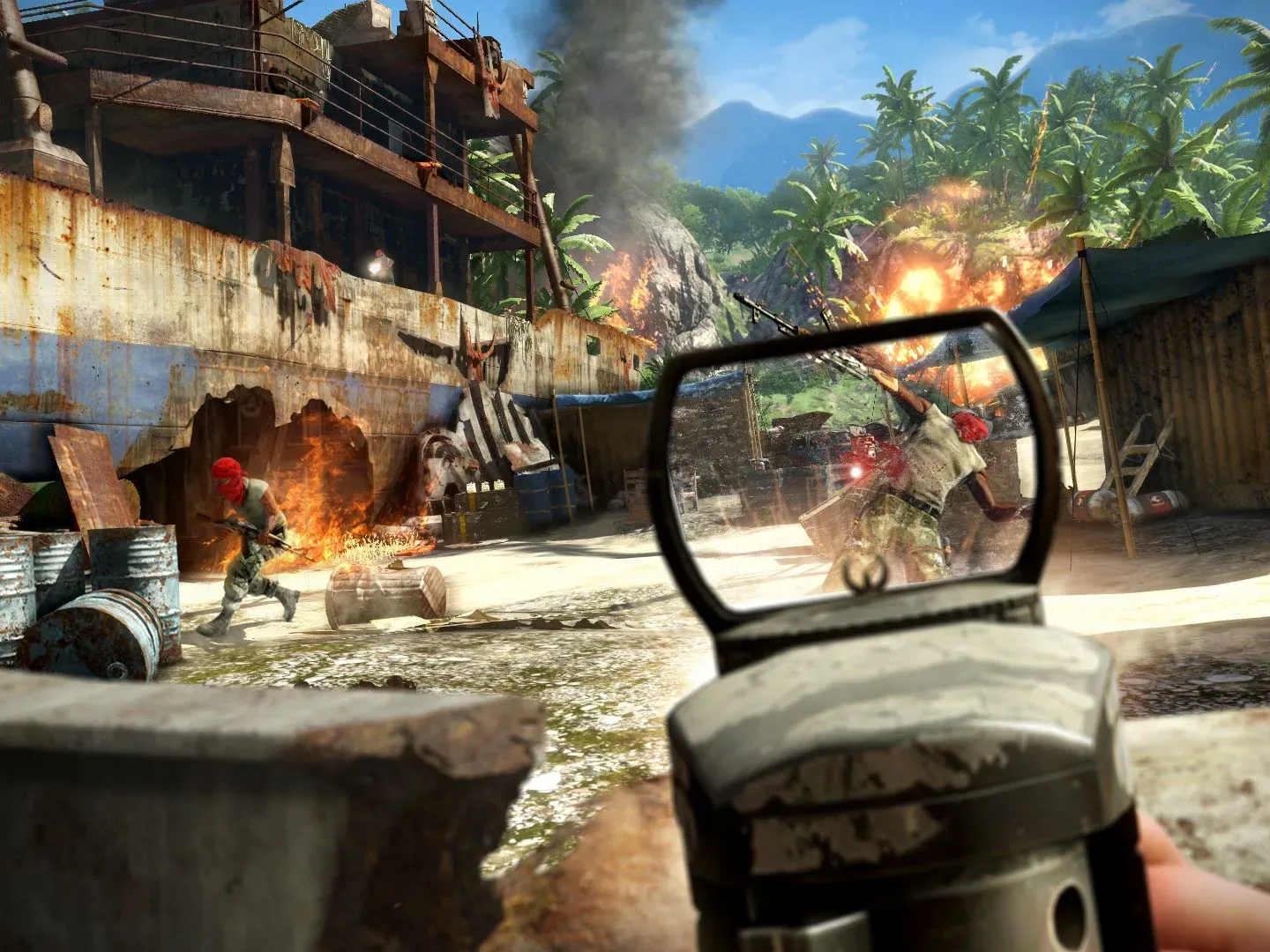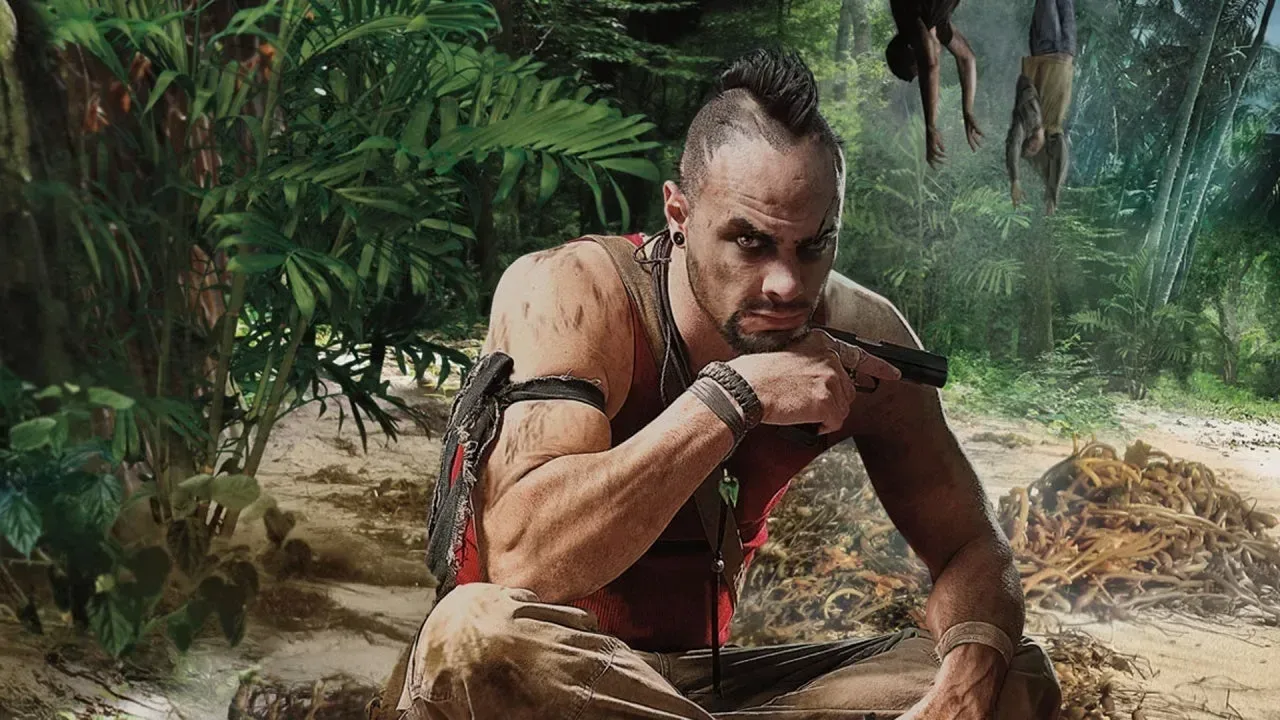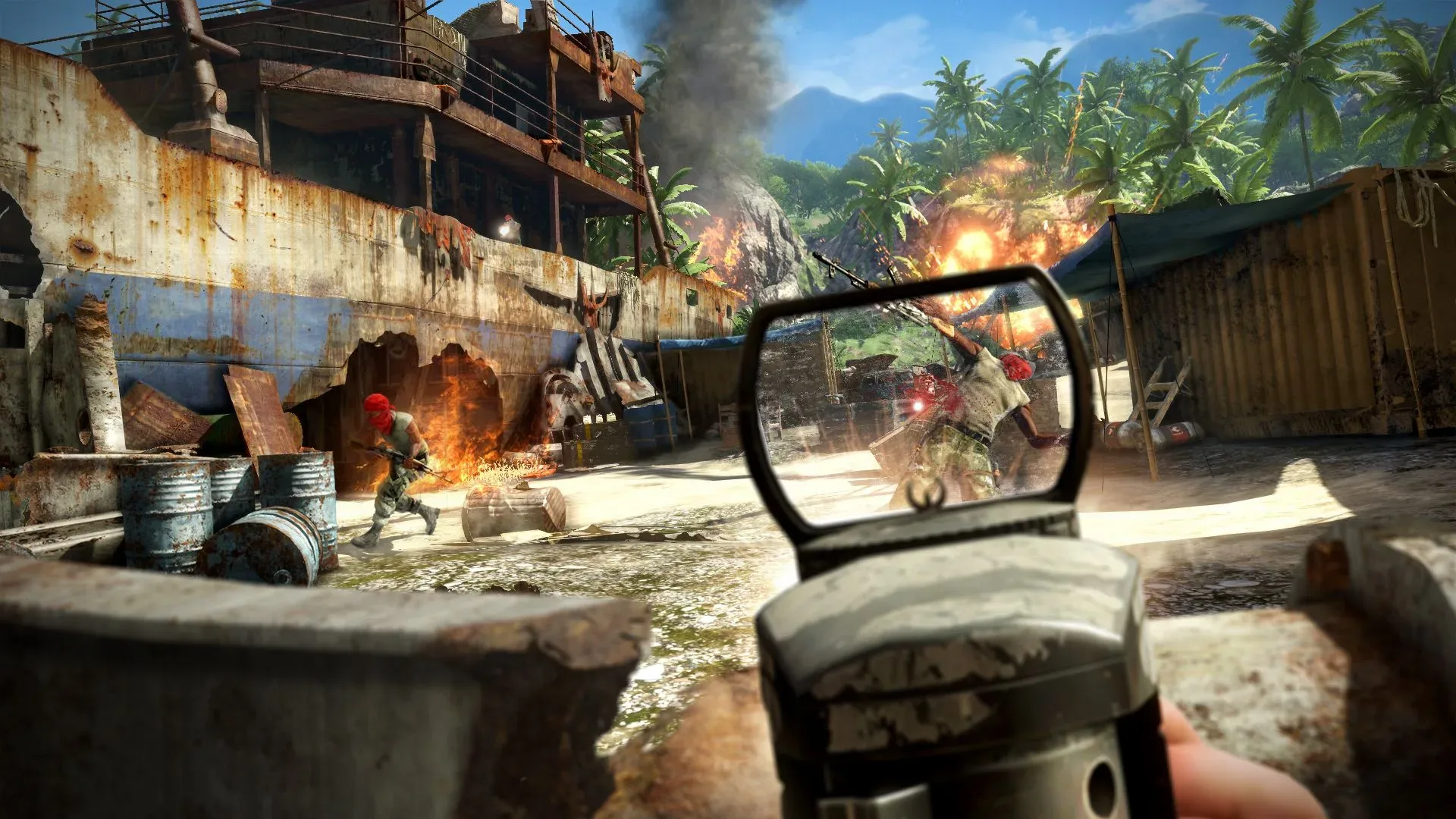
The developing Far Cry television series has added five performers to its first-season cast: Brendan Gleeson, Jennifer Jason Leigh, Hamish Linklater, Sam Spruell and Jamie Demetriou. They join Rob Mac, who is set to write and lead the series, alongside previously named cast members Lizzy Caplan and Steve Buscemi.
There are still large gaps in the picture, including the most important one for viewers: no character information or plot details have been disclosed. No release date has been confirmed either. What is clear is that the show is not positioning itself as a single long-running narrative tied to one fixed group of characters. It will take an anthology approach, with each season telling a standalone story and introducing an entirely new cast.
Production is planned for Pinewood Studios in London. Noah Hawley is attached as co-showrunner and writer with Mac. Hawley is also based in London for Alien: Earth, while Spruell is among the performers associated with that series.
Who has joined the Far Cry ensemble?
The newly reported additions bring together actors whose recent and notable credits cover drama, horror, dark comedy and franchise work:
- Brendan Gleeson, associated here with Spider-Noir
- Jennifer Jason Leigh, known for The Hateful Eight
- Hamish Linklater, known for Midnight Mass
- Sam Spruell, associated with Alien: Earth
- Jamie Demetriou, known for The Afterparty
The announced group does not reveal who will be playing heroes, villains, allies or victims, and it would be premature to infer roles from a performer’s past work. Still, the range is meaningful at a broad level. A series built around escalating pressure and moral deterioration benefits from an ensemble capable of moving between menace, pathos and absurdity. That is a tonal challenge for any adaptation of a game franchise where violence, hostile environments and outsized antagonists are often central to the experience.
Mac’s dual role is also notable. He is not only appearing as the lead but writing the series, while Hawley shares showrunning and writing duties. A showrunner is the senior creative figure who oversees a television series’ storytelling direction and, typically, its day-to-day creative decision-making. In this case, the arrangement suggests that the people establishing the show’s voice will also have direct stakes in its central performance and season-to-season design.
An anthology, rather than a straight game retelling
The central creative decision is to use the game franchise as a blueprint instead of adapting one disclosed plot wholesale. In television terms, an anthology is a format in which a new season can reset the story, setting and principal characters. The connective tissue is the premise, themes, creative leadership or overall identity—not necessarily a continuing cast or a cliffhanger from the prior year.
For Far Cry, that creates room to treat the franchise as a flexible scenario engine. Hawley has described the appeal as building “an anthology game adaptation where each season is a different story about civilized people thrown into situations where they have to become increasingly uncivilized.”
That framing is important because it establishes a thematic promise without supplying a concrete storyline. The series has not confirmed a tropical island, a drug-war setting, a particular game location, or any named game characters. Fans should therefore separate what has been announced from what may merely feel familiar to players. The announced structure supports different settings and conflicts over time; it does not yet confirm which pieces of the games, if any, will be recreated directly.
Hawley has experience applying an anthology structure to another established property through Fargo, with stories that move across decades. The similarity appears to be a major reason the Far Cry project appealed to him. The potential advantage is creative freedom: a new season can explore a fresh crisis without forcing every narrative choice to serve a permanent ensemble. It may also let the adaptation pursue distinct moods from one season to the next, provided the underlying idea remains recognizable.
What the format could mean for fans
An anthology adaptation can be reassuring and frustrating in equal measure. It can reassure audiences because it avoids making the entire series depend on one interpretation of one game entry. A season that does not connect with every viewer does not necessarily define everything that follows. New locations, new characters and a new conflict can reset the board.
At the same time, that flexibility means viewers should not assume the show will preserve a single protagonist, villain or setting for multiple years. If the format is carried out as described, a performer who anchors the first season may not return for the second. The recurring element will be the show’s perspective on people pushed beyond the boundaries of ordinary behavior, rather than a promise of uninterrupted character continuity.
There is a practical storytelling benefit to that choice. Video game franchises often have broad identities that can survive changes in place, era and cast. Television needs a manageable dramatic focus. A seasonal reset gives the creative team a way to select one contained pressure cooker at a time, then build a cast around it. It may also help avoid treating the games’ interactivity as something that has to be copied literally. A television adaptation cannot hand choices to the audience; it has to decide whose choices matter and what their consequences are.
That distinction is worth keeping in mind as game adaptations continue to expand. The report places Far Cry among a growing group of projects, including recently approved series based on Crazy Taxi and the unreleased Stranger Than Heaven. A theatrical Resident Evil release is also noted as having reached the highest Rotten Tomatoes rating for a live-action video game adaptation. None of those developments guarantees a particular creative outcome for Far Cry, but they do illustrate an industry environment in which game properties are being approached as potential long-form screen worlds, not just as names to attach to familiar action.
For more on another major game franchise currently navigating questions of story direction, see our coverage of Final Fantasy 7 Revelation and its still-secret timeline placement.
What remains unconfirmed
Despite the expanded cast, the Far Cry series remains early enough that restraint is essential. There is no announced premiere window, no released footage, no platform information in the available details, and no official breakdown of the characters. There is also no confirmation of which game, if any, supplies the first season’s direct narrative starting point.
What has been established is a substantial first-season ensemble, Pinewood Studios in London as the production location, and a format designed for reinvention. The latter may ultimately be the project’s most defining feature. Rather than asking television to replicate a game campaign beat for beat, Hawley and Mac are building around a recurring human premise: people entering extreme circumstances and changing under the strain. The cast announcement gives that idea more weight, but the story those actors will actually inhabit is still being kept under wraps.