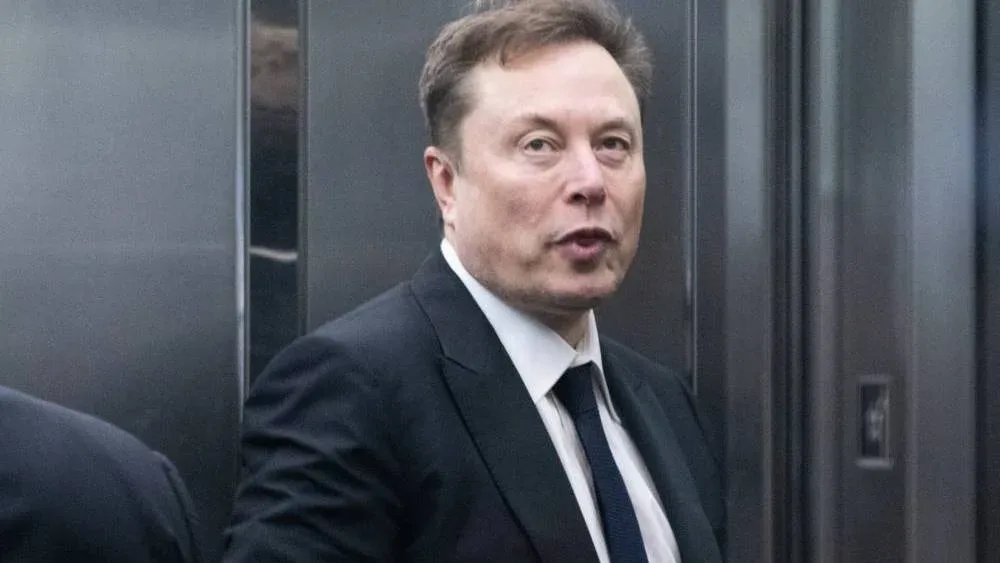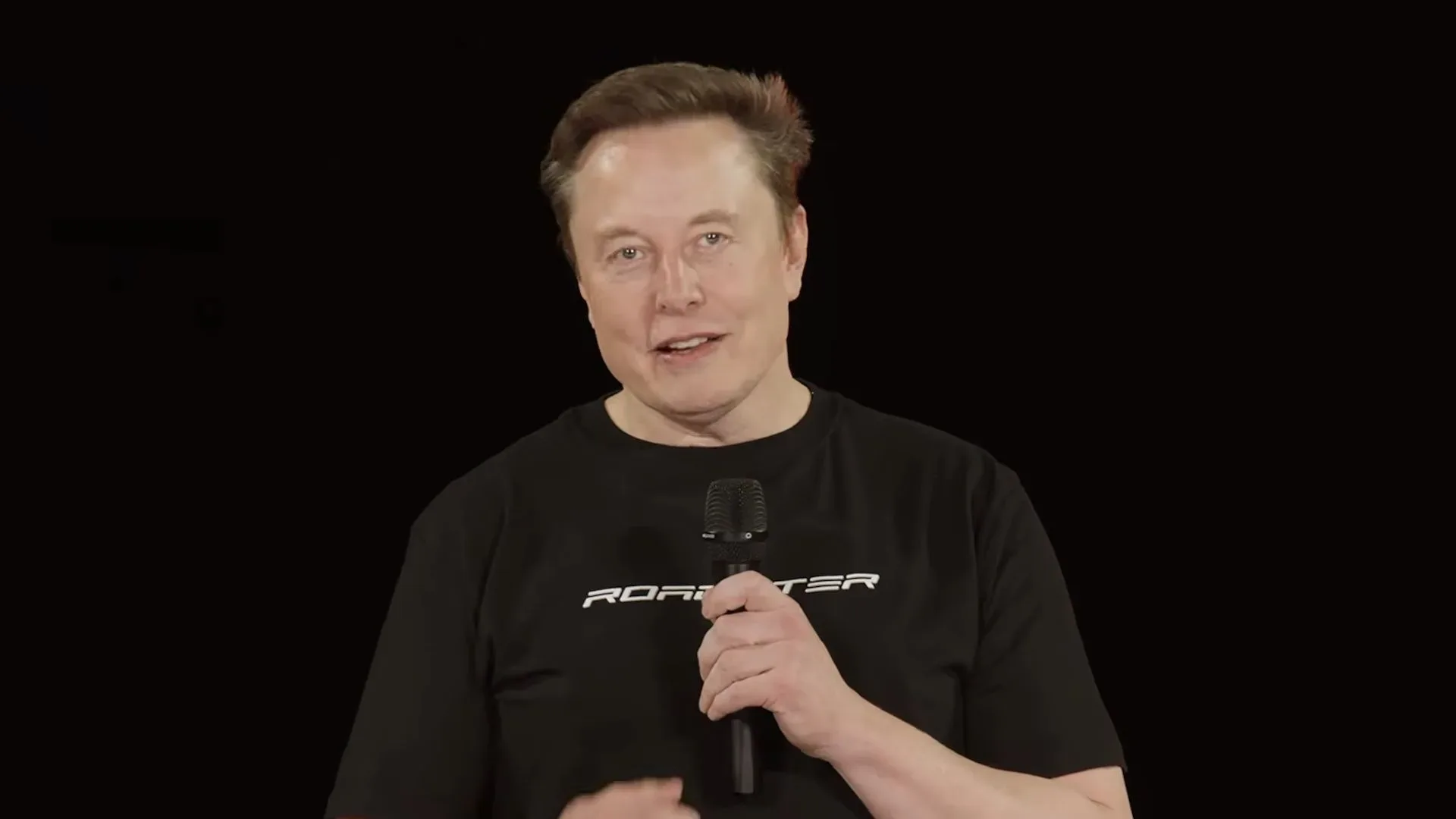
Elon Musk has said he intends to give one SpaceX share to every child in the United States next year, describing it as “the first of many.” It is a striking promise on its face: a transfer of corporate ownership on a scale that would reach roughly 72.1 million people, based on the U.S. population estimate and under-18 share cited for July 2025.
At SpaceX’s current share price of under $150, handing out a share to each of those children would put the implied value of the distribution above $10.5 billion. That headline figure is enormous, but it is also only the beginning of the story. Musk has not explained how recipients would be identified, how shares would be issued or held for minors, whether the proposal has a fixed eligibility date, or what rights would attach to the shares.
Those unresolved details matter because “one share” is easy to understand as a slogan while being far more complicated as a nationwide ownership program. The promise is not yet a set of terms, a timetable beyond “next year,” or a description of a distribution system. For now, it is a public pledge with a very large estimated scale.
A giveaway measured in tens of millions of shares
The underlying population estimate helps show why this is not a conventional corporate perk or a narrowly targeted grant. The United States had approximately 341.8 million residents as of July 2025, with 21.1% under age 18. That works out to about 72.1 million children.
If every one of those children receives a single SpaceX share, the number of shares distributed would be roughly 72 million. Using a value below $150 per share yields a total above $10.5 billion. The exact valuation would necessarily move with the stock price, because SpaceX shares have already been volatile since the company went public in June.
SpaceX debuted at $150 per share, climbed as high as $225.64 during the week after its initial public offering, and later fell back below its IPO price. An IPO, or initial public offering, is the process through which a company’s shares begin public trading. Its relevance here is straightforward: a publicly traded share has a market price that can change, sometimes dramatically, between the announcement of a plan and the point at which that plan might actually be carried out.
So the $10.5 billion figure is best read as an estimate based on the current price level and estimated number of eligible children, rather than a permanently fixed cost. If the share price rises, the value of one share per child rises. If it falls, the estimated total falls too.
What Musk has said—and what he has not
Musk’s statement was direct about the proposed outcome: every child in America would receive one SpaceX share. It did not address the practical rules that would define who receives one.
- Eligibility: “Every kid in America” leaves open the precise age definition and any residency or citizenship criteria.
- Timing: Musk said the giveaway would happen next year, but did not provide a date or a deadline.
- Administration: No process has been described for confirming eligibility or delivering shares at national scale.
- Custody: Because the recipients are children, no details were supplied about who would hold or manage the shares on their behalf.
- Shareholder rights: The proposal did not specify voting, dividend, transfer, or sale arrangements.
- Future distributions: Musk called this the first of many, but did not identify what additional distributions might involve.
None of those questions means the pledge cannot be implemented. They simply mark the difference between announcing a destination and publishing the route. A nationwide stock distribution would need a way to translate a broad public category—American children—into verified individual recipients and ownership records.
There is also a distinction between value and cash. A share is an ownership interest in a company, and its market value is the price at which it trades. Giving someone a share does not mean giving them that amount of money in cash at the same moment. The recipient instead holds an asset whose price can go up or down. Whether and when it can be sold is a separate practical question, and one Musk has not answered.
The ownership scale behind the announcement
The reported size of Musk’s SpaceX position puts the proposed transfer in context. He owns around 6.42 billion SpaceX shares, representing a 48.4% beneficial stake in the company. Beneficial ownership refers to the economic interest in shares, even where the shares may be held through a structure rather than registered solely and directly in an individual’s name.
A 72 million-share gift would therefore be a small portion of the reported 6.42 billion shares Musk owns—roughly a little over 1% of that amount, based on the supplied figures. That does not make the proposal small in ordinary terms. Tens of millions of shares and more than $10.5 billion in estimated market value would be exceptional by almost any public-facing measure. It does explain how such a large dollar figure can coexist with Musk retaining the overwhelming majority of the reported shares in his stake.
The proposal also would not, on its face, turn recipients into a unified voting bloc. Millions of separate shareholders are not the same thing as a single investor acting in concert. More importantly, the announcement has not said what governance rights, if any, would be associated with shares distributed to children. It is premature to draw conclusions about the effect on corporate control.
Why Anthropic’s fund appears to be the immediate catalyst
The timing of Musk’s statement appears connected to Anthropic’s announcement that it would commit at least 5% of its shares to a newly formed Anthropic Public Benefit Fund. That fund is described as a wholly owned limited liability company able to make major donations to nonprofits or direct distributions to particular populations.
Musk responded by arguing that shares should go directly to the public, then said that was what he planned to do. Within hours, he followed with the pledge to give one SpaceX share to every American child.
The two approaches begin with a similar idea—dedicating corporate equity toward a public benefit—but they operate very differently. A fund can retain and deploy assets through an organization. A direct distribution, as Musk’s stated plan suggests, would place ownership with individuals. The first model concentrates decision-making in the fund’s governing structure; the second would require a mechanism for distributing assets across an enormous population.
That difference makes the SpaceX plan notable beyond its price tag. It frames shares not only as an investment instrument but also as a proposed form of broad-based public participation in a company’s future performance. Whether the eventual program, if implemented, resembles that idea in practice will depend on the missing details.
SpaceX’s unusual breadth adds to the stakes
The company at the center of the proposal encompasses a rocket manufacturer and space-flight operator, a satellite internet service provider, an AI firm, and ownership of X, formerly Twitter. That unusually broad description means the proposed gift concerns a share in a business with interests spanning spaceflight, connectivity, artificial intelligence, and social media rather than a single-product company.
For families, the most practical point is also the least glamorous: a share certificate or app balance would not by itself answer what ownership means for a child. The relevant information would be the eventual rules—who qualifies, what is delivered, who administers it, and what options exist when the recipient becomes old enough to control the asset.
Until those terms exist, claims about the giveaway’s ultimate value should be treated carefully. The estimate above $10.5 billion is mathematically useful, but it depends on the approximate 72.1 million under-18 population and a current share price that has already moved substantially since June. It is not a guaranteed cash amount for every recipient.
What to watch next
The next meaningful development would be an explanation that turns the broad promise into a concrete plan. The most important items to look for are an eligibility cutoff, a delivery and verification process, a description of how shares will be held for minors, and clarity on the rights and restrictions attached to the shares.
It will also be important to distinguish an announcement from a completed transfer. The pledge is significant because of its stated ambition and implied value. But for the children and families it is meant to reach, implementation will be the story: whether a nationwide distribution can be structured clearly, administered fairly, and communicated in terms recipients can actually use.
For a broader look at how public-facing figures and game culture can turn a cameo into a signal for fans, see Street Fighter’s Justin Wong Cameo Turns a Fighting-Game Legend Into a Fan-First Signal.