
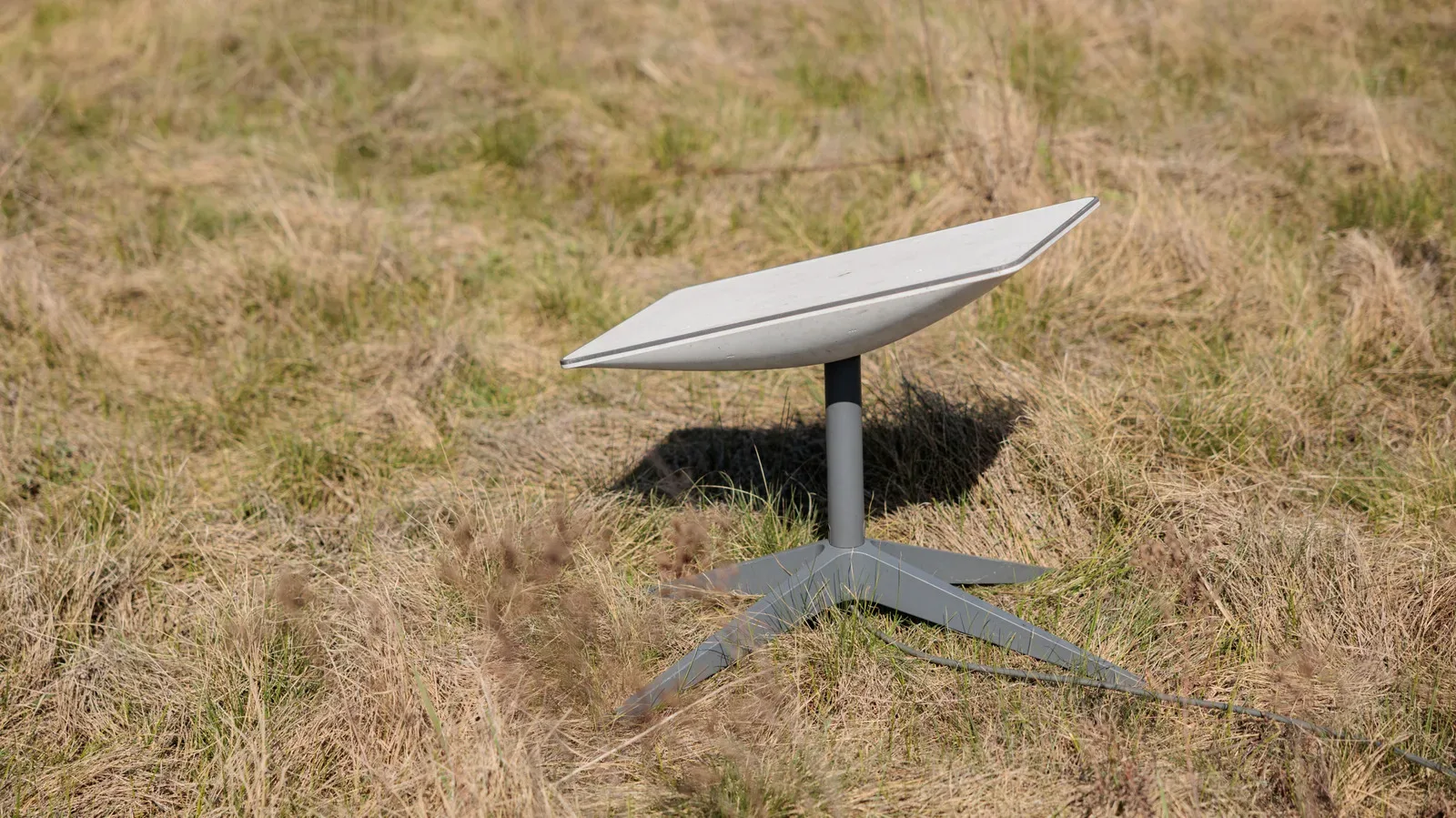
BT has put the public launch of its planned Starlink partnership on pause, with CEO Alison Kirkby saying the company wants the surrounding “noise” to subside before moving ahead. The hesitation does not appear to be a rejection of the arrangement itself: BT still expects a launch in the coming months and sees satellite connectivity as a potentially major tool for rural areas of the UK.
But the timing matters. Starlink, SpaceX’s satellite-internet business, has been supporting infrastructure in Ukraine during the country’s defense against Russia’s invasion. In October, Elon Musk reportedly ordered a slowdown to Starlink service used by the Ukrainian military. That report produced international backlash and sharpened an uncomfortable question for any company considering the service: what happens when a critical communications product is ultimately subject to the judgment of one highly visible owner?
BT’s delay is about perception, but the underlying concern is bigger
Kirkby described BT as being cautious about how Starlink could be seen following the events involving Ukraine. In other words, BT is not merely choosing a different marketing date. It is weighing whether customers, policymakers and partners may connect a new consumer-facing rural-connectivity offer with a controversy involving a communications network in an active war.
That distinction is important. A delayed launch can cool down an immediate public-relations problem, but it cannot by itself resolve the issue that created the problem: the degree of influence a private operator and its leadership can have over an essential service.
Starlink is the satellite-internet arm of SpaceX. Satellite internet broadly means connecting a user to the internet through satellites rather than relying entirely on cables or ground-based mobile networks. For homes and businesses in hard-to-reach places, that can be useful because laying fibre or building traditional network infrastructure across every remote area can be difficult. BT’s interest in Starlink is rooted in that practical appeal, describing the opportunity as a “giant leap” for rural connectivity.
Yet the Ukraine episode illustrates why availability alone is not the only question. Communications infrastructure is valuable precisely because people may rely on it when other options are difficult, limited or absent. The more essential a service becomes, the more closely customers and partners may scrutinize its governance, operating decisions and the people able to affect those decisions.
What BT has said about the planned deal
BT has not abandoned the planned rollout. Kirkby said the company intends to introduce Starlink in the coming months, framing the partnership as part of its aim to offer the strongest products to customers by working with strong partners.
The language leaves two ideas sitting beside each other. First, BT believes Starlink can bring meaningful connectivity benefits, especially for rural customers. Second, BT recognizes that the company’s association with Starlink could be judged through the lens of the recent Ukraine controversy.
For prospective customers, the key takeaway is therefore not that a BT-branded Starlink service has been canceled. It is that the launch is delayed, with no more precise public timetable supplied beyond the coming months. Anyone hoping for package details, eligibility rules, equipment terms, speeds or pricing will need to wait; none of those details were outlined here.
Why the Ukraine episode became a business-partner issue
The reported service slowdown drew alarm on two levels. The immediate concern was its potential effect on Ukraine’s military use of a communications service during a conflict. The longer-term concern was structural: it demonstrated how much operational power may rest with Musk in relation to Starlink.
That concern extends beyond military or geopolitical contexts. Businesses selecting a technology partner are not only assessing the product’s capabilities. They are also assessing reliability, decision-making structures, reputational risk and whether the partner can be counted on under pressure.
In practical terms, a partnership can be commercially attractive while still raising difficult questions. A satellite network may offer a path to serve locations that are challenging for conventional broadband. But a telecom company also has to consider the confidence of its customers. If users view a service as vulnerable to unpredictable intervention, they may question whether its technical promise outweighs that uncertainty.
BT’s apparent approach is to retain the potential connectivity upside while separating its launch from the immediate controversy as much as possible. Whether time alone changes public attitudes is less certain. The attention around Ukraine came not from an ordinary product hiccup, but from reported action involving service in a war zone and the authority of one individual over that service.
Rural connectivity is the opportunity at the center of the deal
The case for satellite broadband is clearest where traditional rollout is most complicated. Rural connectivity is often discussed in terms of coverage: whether a household, farm, local business or community can access a dependable connection at all. Satellite services can potentially help fill gaps where ground infrastructure is less straightforward to deploy.
That is why BT is still presenting the partnership as significant despite its caution. The company sees an opportunity to improve service options in parts of the UK that may have fewer conventional choices. There is a straightforward customer need behind that ambition, even if the planned route to address it has become politically and reputationally fraught.
For gamers and other high-bandwidth households, internet quality is not just about whether a connection exists. It shapes downloads, updates, cloud-connected features, voice chat and the general stability of an online experience. A separate look at how console configuration can affect the picture delivered to a display is available in this guide to console HDMI picture quality; the broader point is that every part of the chain, from connection to display settings, can affect the experience. Still, nothing currently provided about BT’s Starlink plan establishes performance expectations for gaming or any other specific use case.
What is known, and what remains unknown
Known: BT is planning a Starlink tie-up, has delayed its launch because of concern about perceptions following recent events in Ukraine, and still expects the service to launch in the coming months. BT believes the partnership could substantially help rural connectivity in the UK.
Known: Starlink has provided infrastructure support to Ukraine as it defends itself against Russia’s invasion. The reported October decision to slow service used by Ukraine’s military brought widespread criticism and raised fresh doubts about Musk’s reliability as a business partner.
Not established here: the exact launch date, the retail packages BT will offer, who will be eligible, the technical terms of the service, or how BT and Starlink will address customer concerns prompted by the controversy.
That final list matters because it keeps the story in proportion. BT’s decision is not evidence that its Starlink offer will be technically deficient, nor is it an announcement of new safeguards. It is a sign that the company understands the public context surrounding the partnership has changed and is attempting to manage that context before bringing the service to market.
A delayed rollout cannot make the central question disappear
There is a familiar tension in technology partnerships: the most compelling products can also carry the most complicated dependencies. Starlink’s appeal to BT is its ability to support rural connectivity. The controversy is a reminder that infrastructure is never only hardware, satellites or signal coverage. It is also control, trust and accountability.
BT is betting that the benefits remain compelling enough to proceed once the immediate reaction has cooled. Its comments indicate that the deal remains alive, not shelved. But the episode has supplied customers with a reasonable question to carry into any eventual launch: when a communication service is important, what assurances exist around how, when and by whom major operational decisions are made?
For now, BT has answered the timing question only broadly: not yet, but within the coming months. The more difficult trust question is likely to last longer than the launch delay.