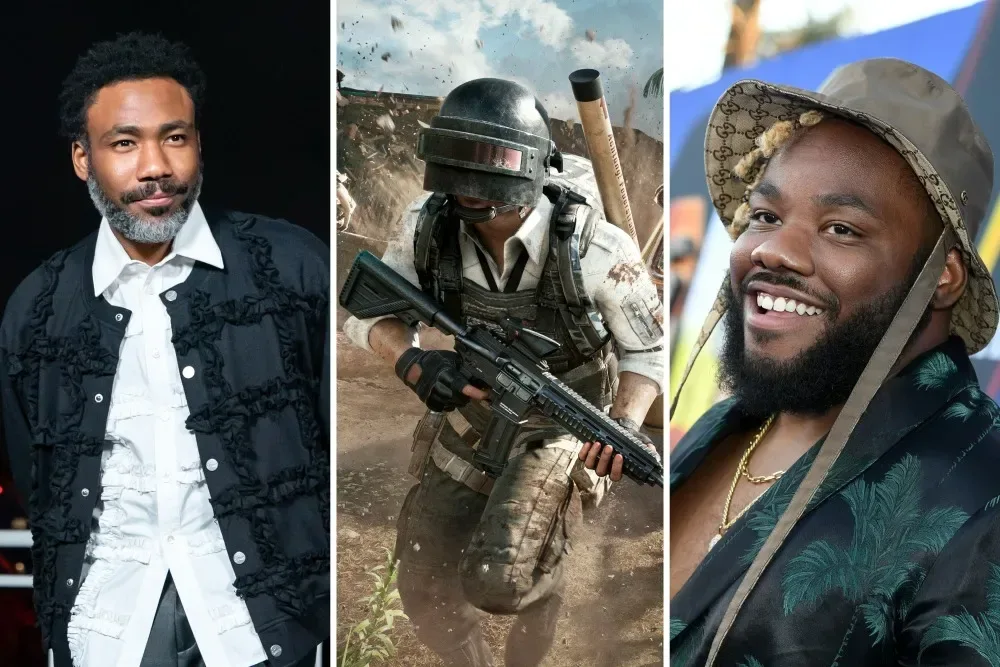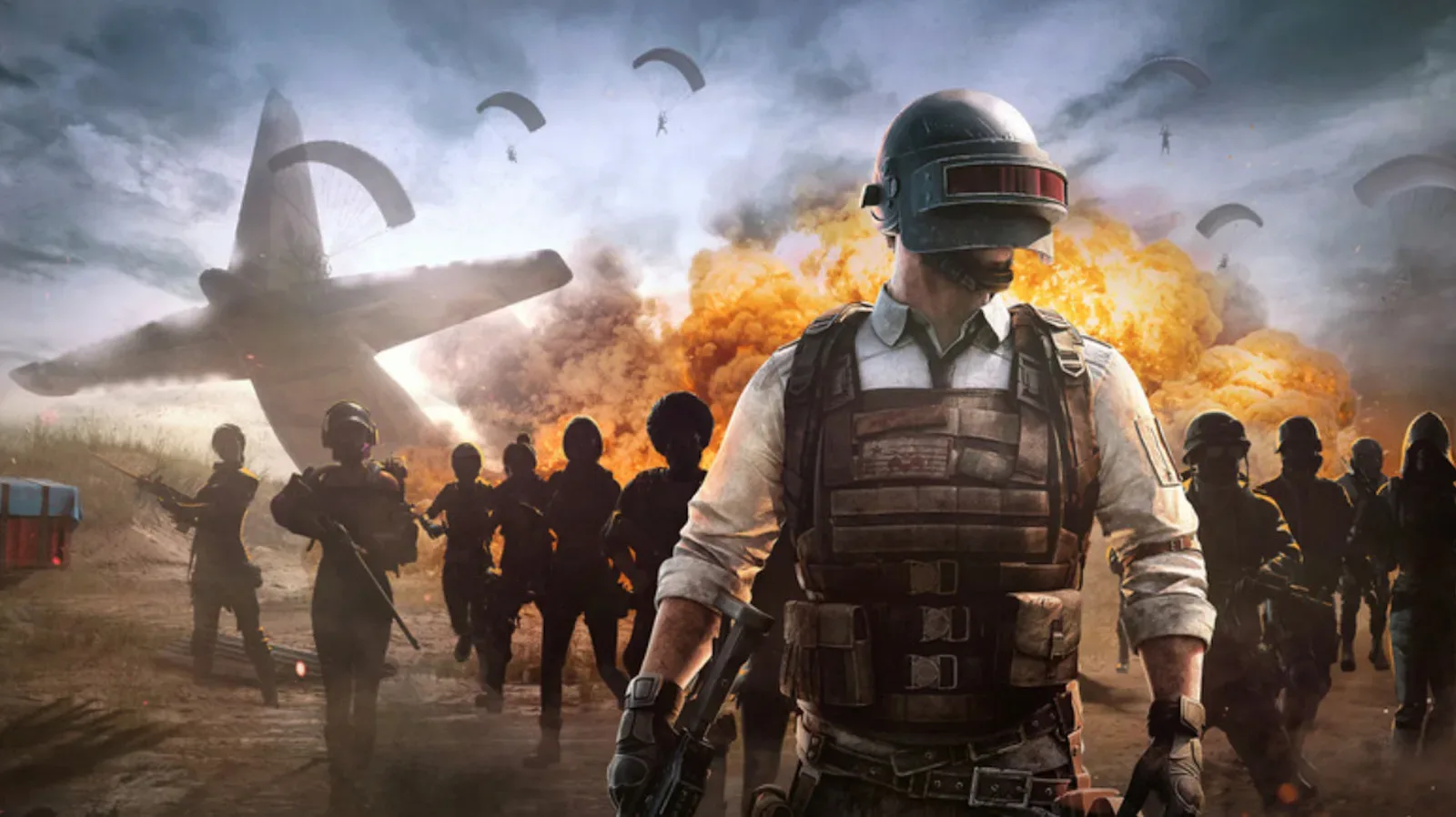
Netflix is developing a live-action series based on PUBG, with Donald Glover attached in an unusually comprehensive creative capacity. Glover is set to star in, write, direct and executive produce the project, while his frequent collaborator and brother Stephen Glover will assist.
The project does not yet have a release window, and no additional casting has been identified. That means the central questions—who Glover will play, how closely the show will follow the game’s familiar match structure, and whether its action will be framed as satire, drama, thriller or something less easily labeled—remain open.
Those unanswered questions are not a weakness of the announcement. They are, arguably, the most intriguing part of it. PUBG supplies a very recognizable competitive premise, but comparatively little fixed character story. A television adaptation therefore has room to build its own people, motivations and perspective without having to recreate a single prescribed campaign.
For a detailed rundown of the announced creative roles, see Joking Joystick’s report on Glover’s PUBG attachment.
What is confirmed—and what is not
The confirmed element is the creative team at the center of the project. Glover is attached to perform on screen as well as write, direct and executive produce. Stephen Glover is also involved. It is a substantial concentration of responsibility for one creator: the writer shapes the story and dialogue, the director guides the screen realization of that material, and an executive producer is a senior creative and production role.
That combination should not be mistaken for a completed series. There are no further cast members confirmed, no release date or release window, and no disclosed plot. Viewers should be wary of treating fan art, supposed character breakdowns or imagined episode summaries as established information while those specifics have not been made public.
The project is live action, which matters. The series will not simply transpose game footage or rely on animation to convey PUBG’s identity. It will need to decide which parts of the experience belong in a human-scale drama: the pressure of being hunted, the shifting alliances, the scramble for equipment, or the moral logic of a competition where survival requires violence.
PUBG offers a premise more than a ready-made storyline
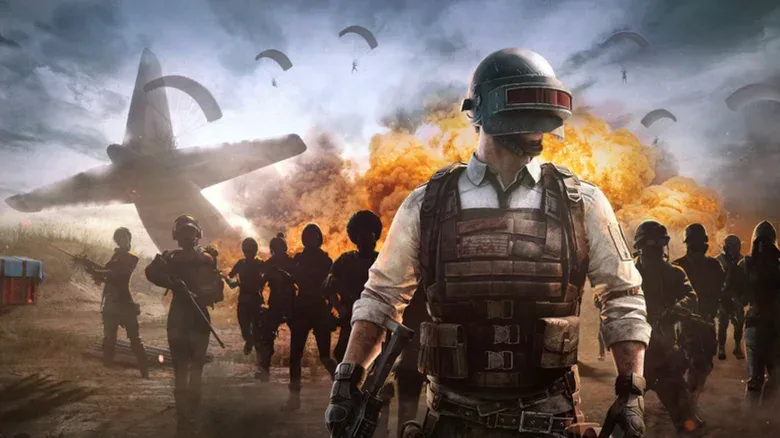
PUBG is associated with the battle royale format: a large group of players enter a match, search for useful gear, fight opponents and try to be the last survivor. The source premise described for the game is starkly efficient—100 people shooting one another for loot and the promise of a chicken dinner.
That last-survivor structure is a powerful engine for a game because it creates immediate objectives. Loot matters because it improves a player’s odds. Other players are both threats and potential sources of better equipment. Every encounter can change the match. A television drama, however, needs something different alongside that engine: characters whose choices matter before and after a firefight.
That is the adaptation challenge, but it is also the opportunity. PUBG does not arrive with a densely prescribed narrative that must be condensed, reordered or protected scene by scene. The show can use the game’s competitive rules as a framework while deciding what those rules mean for its participants. Are competitors volunteers, recruits, captives, celebrities or desperate people? Is the game viewed by an audience? What does a winner actually gain? None of those questions has been answered publicly, but they are the questions a series can explore.
The implied bloodsport is the clearest dramatic route
The game has suggested a bloodsport tournament staged for elite entertainment. That implication gives the adaptation a possible social dimension beyond straightforward combat. A story about a violent contest is not automatically a story about the people who benefit from watching it. If the show chooses to explore that angle, it could examine the organizers, spectators and contestants as different parts of the same system.
It is important to separate that possibility from confirmation. No official plot has been provided, and no genre comparison establishes what the finished show will be. Still, PUBG’s tournament setup naturally raises questions about spectacle, status, coercion and survival. Those themes could give the project an identity that is more ambitious than an episodic sequence of eliminations.
Why Glover’s involvement changes the expectations
Glover’s attachment as writer and director makes this more than a case of a recognizable performer fronting a game adaptation. It places the same person at the center of the performance, narrative and filmmaking choices. His work on Atlanta is noted for its acclaim and its sometimes experimental examination of the American dream; the series won seven Emmys and received 26 nominations.
That background does not reveal the tone of PUBG, and it should not be used as evidence for a particular plot. It does, however, make a literal, mechanically faithful recreation of every match feel like only one possible option. A creative team led by a writer-director can treat the competition itself as the setting for character comedy, tension, social critique, surreal turns or all of those elements in changing proportions.
The involvement of Stephen Glover is also meaningful in practical terms. Frequent creative collaborators can help maintain a consistent voice across the process of shaping a series. Beyond that, the nature of his role has not been specified, so it would be premature to assign credits or responsibilities that have not been announced.
Adapting battle royale without turning every episode into a scoreboard
The most obvious visual elements of PUBG are also the easiest ones to overemphasize: weapons, scavenged supplies, open-terrain danger and the narrowing field of surviving competitors. They can create immediate suspense, but action alone cannot carry the full emotional burden of a serialized show. Television needs reasons to care about who is eliminated, who advances and what survival costs them.
A strong adaptation could use the battle royale format as a pressure chamber. Loot is not merely an item pickup; in a dramatic context it can become a source of conflict, an expression of inequality or a reason for betrayal. A temporary alliance is not just a gameplay tactic; it can show mutual need, distrust or a difficult compromise. A “last player standing” condition can generate tension, but it can also make each relationship inherently unstable.
There is another useful distinction between game logic and screen logic. Players accept repeated matches and immediate restarts as part of playing. A drama must establish consequences that cannot be reset at the end of a round. The series has room to determine what carries forward—trauma, reputation, debts, public attention, guilt or something else entirely—but the consequences will be key to making PUBG’s premise work over multiple episodes.
None of this requires the series to abandon the game’s most recognizable concept. The point is that a live-action adaptation does not have to reproduce a match exactly to remain recognizably PUBG. The core ingredients are contest, scarcity, uncertainty and survival. How the show connects them to human stakes will likely matter more than the precise layout of any single confrontation.
Netflix’s broader game-adaptation slate
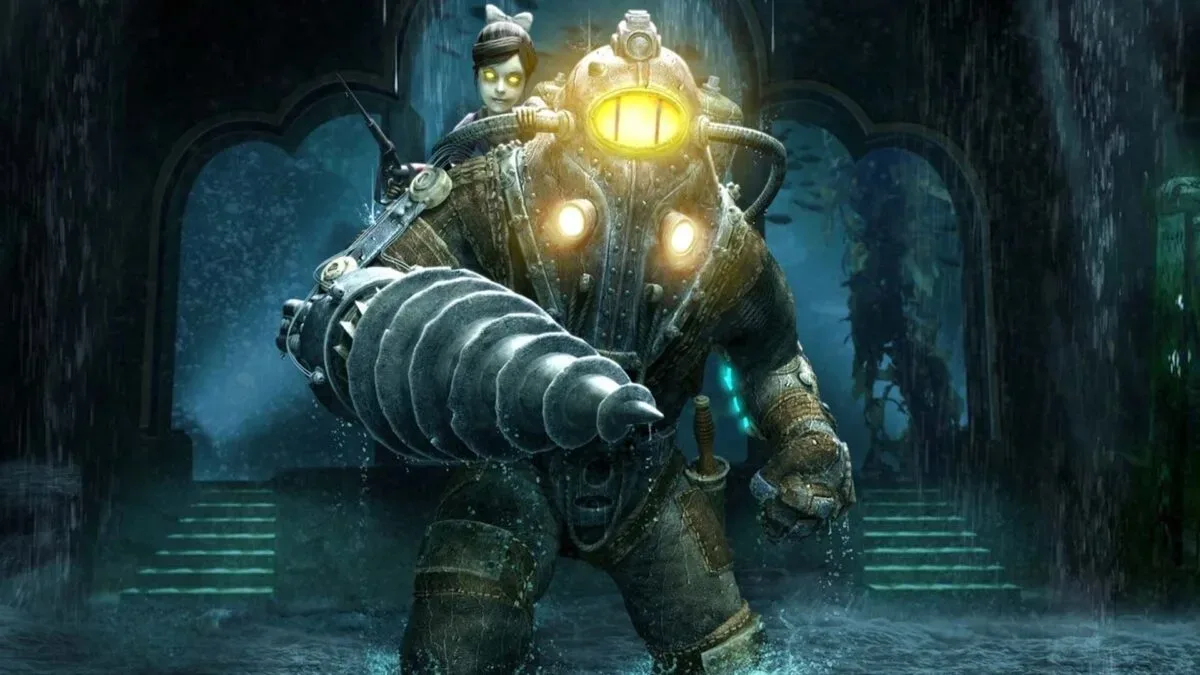
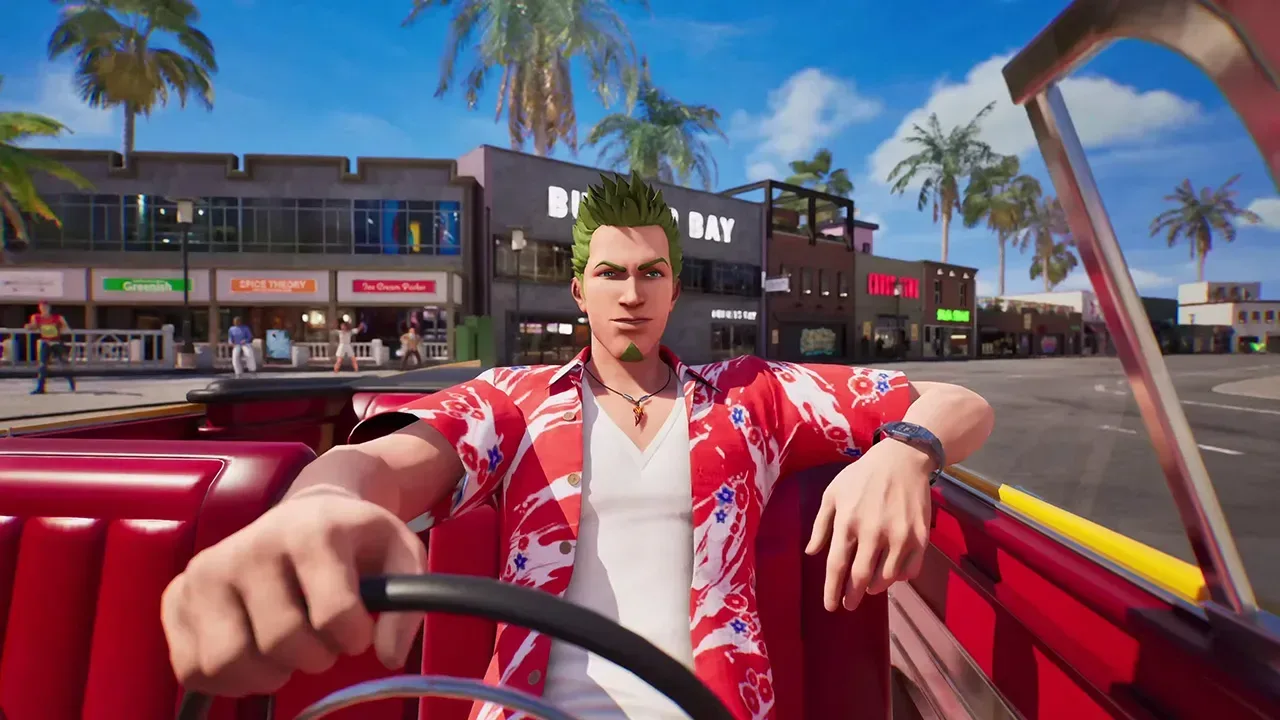
The PUBG series joins other game-related projects in development at Netflix. The streamer is also working on a live-action Assassin’s Creed series and a feature-length Gears of War film.
These three projects illustrate how varied the adaptation problem can be. A television series based on PUBG begins with a competitive scenario and wide narrative freedom. Assassin’s Creed is headed toward live action as a series, while Gears of War is being approached as a feature film. The formats are not interchangeable: a series can gradually build a world and an ensemble, whereas a film must concentrate its conflict within a more limited running time.
For PUBG specifically, the series format could be especially useful. The game’s basic premise can support immediate danger, but its larger questions—who controls the competition, why people enter it, and what survival does to them—need space to develop. Whether the show goes in that direction is unknown. Its announced talent suggests that Netflix is giving the project a creator with the latitude to decide.
What audiences can reasonably watch for next
Until Netflix shares more, the most concrete next steps to watch are casting, a clearer description of the premise and a release plan. Casting beyond Glover will indicate whether the series is built around a broad group of contestants, a smaller set of recurring characters, powerful organizers, or some combination of those perspectives.
A plot description will be even more revealing. It could establish whether the PUBG competition is treated as literal reality, a public spectacle, an underground operation or another interpretation of the game’s premise. It may also reveal whether the show embraces the familiar chicken-dinner objective directly or uses it as a reference point within a new story.
For now, the news is straightforward: Netflix has a live-action PUBG series in development, Donald Glover is attached to star, write, direct and executive produce, and Stephen Glover is participating. The game’s lean narrative foundation leaves considerable room for invention. That flexibility, paired with Glover’s unusually broad role, is what makes this adaptation one to follow rather than one that can already be neatly defined.