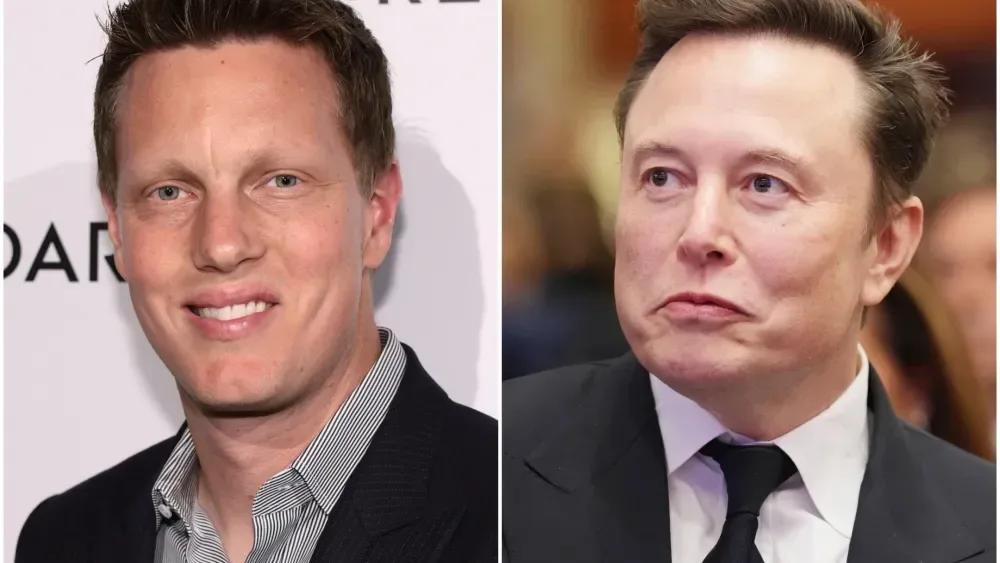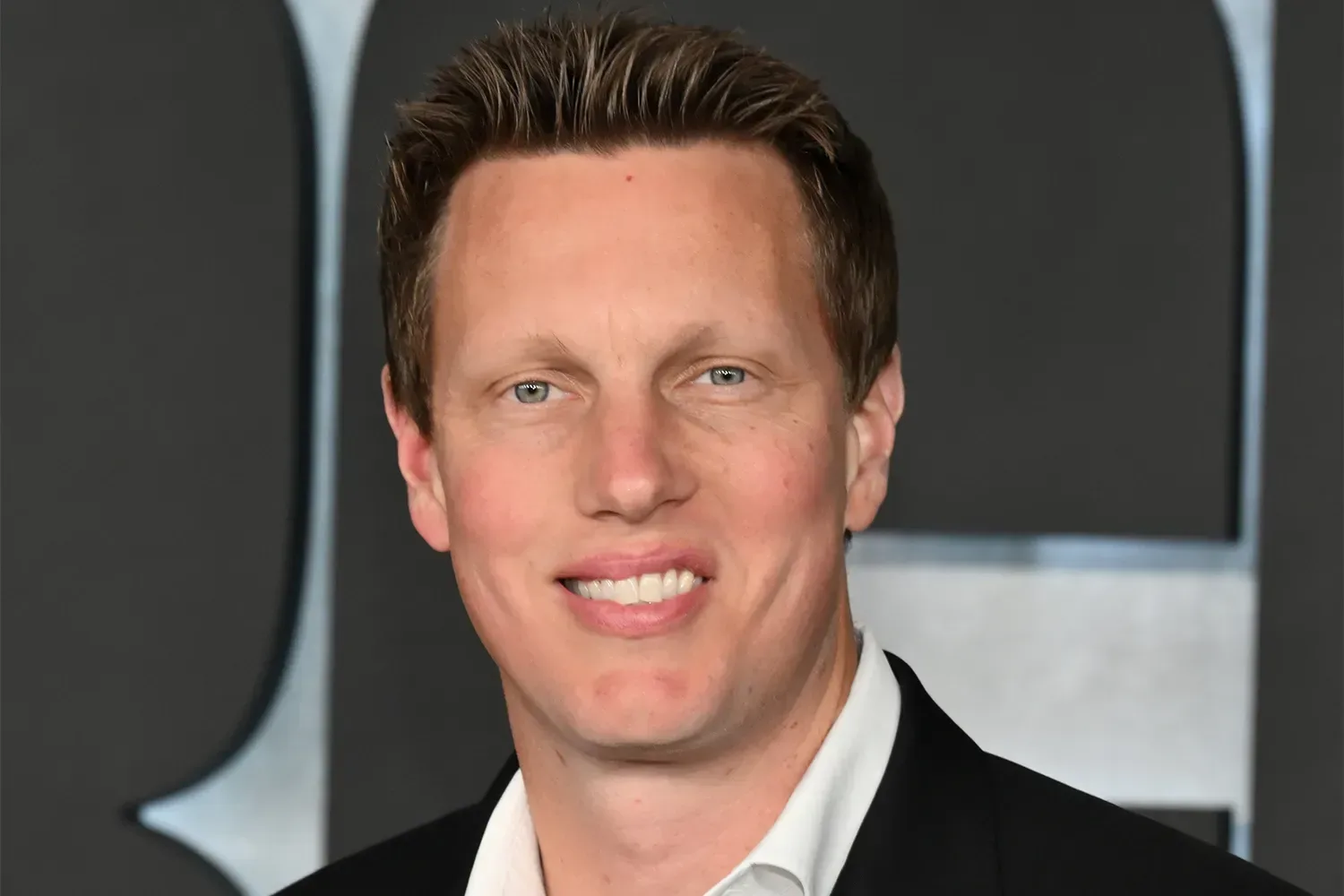
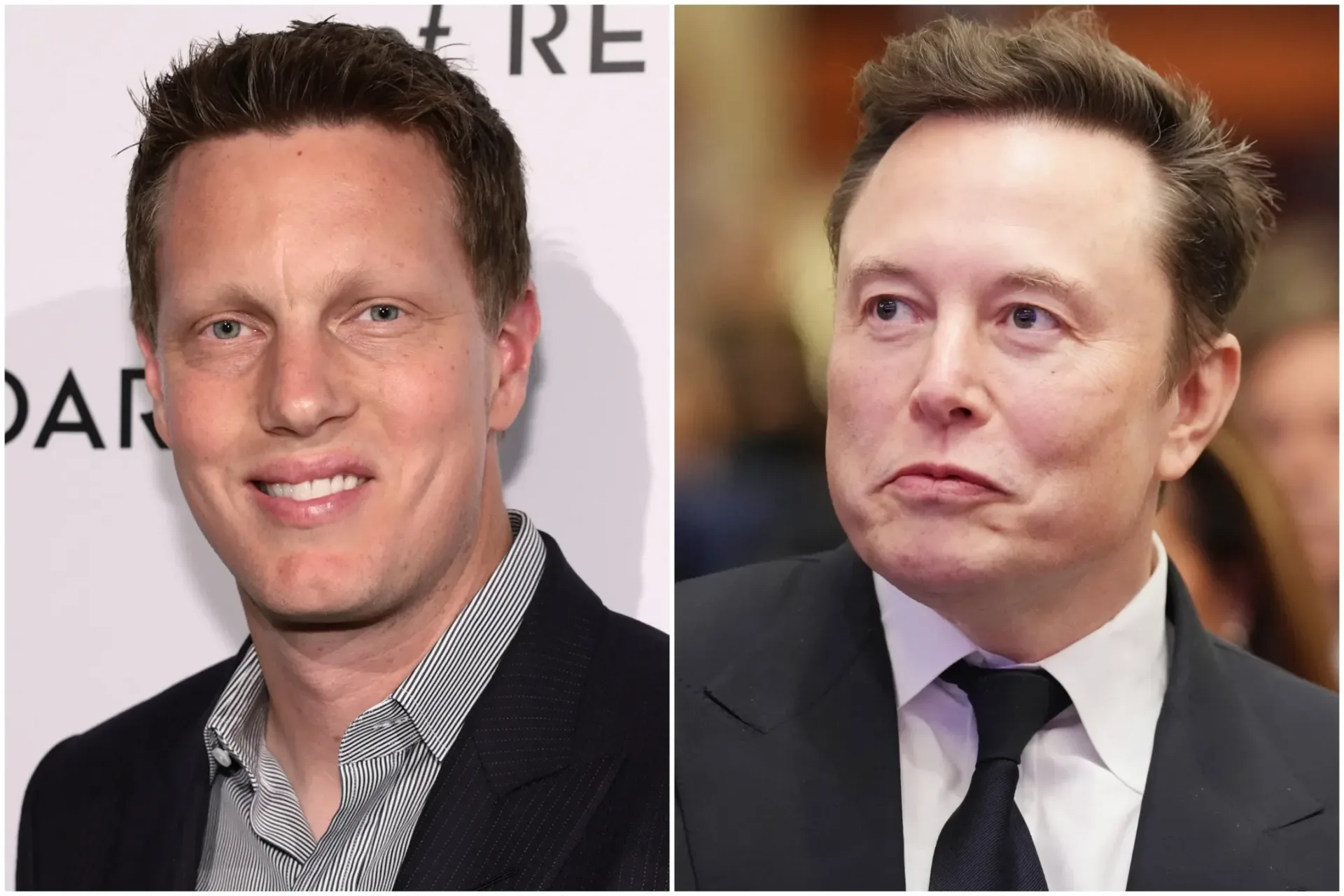
David Ellison has confirmed that Elon Musk holds an ownership stake in Skydance, the media company created through the combination of Paramount Skydance and Warner Bros. Discovery. The acknowledgment resolves the central question around reports that Musk invested after the merger, although Ellison did not verify the reported size of that investment.
Speaking at a business conference in Manhattan, Ellison described Musk’s investment as a meaningful vote of confidence but said there is no current collaboration to announce. That distinction matters. An equity investment makes Musk a shareholder; it does not, on its own, establish a distribution agreement, a technology partnership, a programming deal, or a role in company operations.
Reports last month put Musk’s post-merger investment at roughly $1 billion. Ellison confirmed only the broader fact that Musk is a part-owner. The precise amount therefore remains unconfirmed by Skydance’s chief executive.
What Ellison confirmed — and what remains unannounced
The news has naturally raised questions about whether Musk’s companies, particularly Starlink, might eventually have a relationship with Skydance’s film, television, streaming, or broader media businesses. Ellison left that possibility open only in the most general sense: he said Skydance would be happy to collaborate if an appropriate opportunity emerges, while making clear that nothing is presently in place.
That is a more limited statement than it may initially sound. Major media companies can work with technology and communications firms in many ways, from distribution and advertising to production infrastructure. But none of those outcomes can be inferred merely from an investor joining the cap table. For now, the confirmed development is Musk’s ownership position, not a defined commercial plan.
Ellison praised Musk’s work as an entrepreneur and pointed to SpaceX’s Starship as an example of the kind of achievement he admires. He also emphasized that Musk does not invest in many companies, framing the investment as significant validation for the merged entertainment group.
A major ownership group takes shape
Musk joins a roster of investors behind one of the industry’s largest media combinations. Paramount Skydance completed its $111 billion merger with Warner Bros. Discovery on October 6. The new company combines major entertainment assets under the Skydance banner, while inheriting a capital structure shaped by enormous deal financing and a broad group of backers.
The Ellison family holds the largest equity stake, supported by Oracle billionaire Larry Ellison. RedBird Capital Partners, led by managing partner Gerry Cardinale, invested $4 billion. Laurene Powell Jobs, the founder and president of Emerson Collective, invested $250 million. Equity investors also include sovereign wealth funds from Saudi Arabia, Qatar, and Abu Dhabi.
Not every shareholder has equal control, however. The Ellisons and RedBird are the only holders of Paramount Class A common stock, giving them all of the combined company’s voting shares. That detail is central to understanding the power structure.
Equity stake versus voting control, explained
An equity stake means an investor owns part of a company and can participate in its financial upside or downside. A shareholder may benefit if the company becomes more valuable, but ownership alone does not necessarily confer the same authority over board elections, corporate strategy, or major transactions.
Voting shares are the shares that carry formal voting rights. A company can issue different classes of stock, with some shares carrying more voting power than others. Here, the reported structure gives the Ellisons and RedBird 100% of the voting shares through Paramount Class A common stock. In practical terms, Musk’s confirmed position makes him an owner, but the supplied ownership details do not indicate that he shares the voting control held by those Class A holders.
That separation is important for readers trying to interpret the investment. It avoids treating a high-profile minority investor as equivalent to the company’s controlling shareholders. The available information supports the first description, not the second.
The business challenge behind the megamerger
The scale of the transaction also puts every new investment in context. Skydance has around $80 billion in net debt and expects to cut thousands of jobs while seeking $6 billion in annualized savings by 2029. The company is therefore facing the familiar, difficult task of merger integration: bringing two enormous organizations together while reducing overlapping costs and trying to preserve the creative and commercial value of their brands and libraries.
Net debt broadly describes debt after accounting for cash and similar readily available funds. It is a useful measure because it speaks to the obligations a company must manage after considering the cash already on hand. The reported $80 billion figure underlines why cost savings and financial discipline are core parts of the combined company’s post-merger plan.
Annualized savings are a projected recurring yearly reduction in costs once a plan is fully implemented. The figure is not the same as an immediate one-time cash gain. A target of $6 billion in annualized savings by 2029 means the company expects its changes, when fully in effect, to reduce its ongoing annual cost base by that amount. The supplied details say those efforts are expected to include thousands of layoffs.
For audiences, the direct effects of a corporate integration can be hard to identify in advance. The announced facts do not specify which individual productions, services, teams, or consumer offerings will change. What they do establish is that the newly formed company has set a substantial cost-reduction objective alongside its effort to operate at massive scale.
For the wider entertainment business, the deal illustrates how corporate ownership, control rights, debt, and creative output can become tightly linked. A merger may be discussed through brands, franchises, studios, and streaming platforms, but its next phase is also a financial and operational exercise. New investors can strengthen the ownership base, while voting control determines who ultimately directs the company’s strategic decisions.
The HBO Max question: Alex Gibney’s Musk
Ellison was also asked whether Alex Gibney’s documentary Musk remains on track for HBO. His answer was unequivocal: “Of course.” The documentary is pegged to begin streaming on HBO Max in the first quarter of 2027.
The title has attracted particular attention because Musk previously made a legal threat against the filmmaker. Ellison’s confirmation means the documentary remains part of HBO Max’s stated plans despite Musk now being a Skydance shareholder.
That response is notable precisely because it separates ownership from the publicly stated programming decision. The available information does not provide details about the documentary’s final contents, its exact release date, or any internal editorial process. But Ellison’s answer provides a clear public position on the immediate question: the planned HBO Max release is still moving ahead.
The situation also puts a spotlight on the distinction between a shareholder relationship and editorial or programming choices. Musk has invested in the parent company, while a documentary about him is still expected to arrive through one of that company’s entertainment outlets. As with the larger investment, the known facts are narrower than the speculation surrounding them: Musk is an investor; the documentary remains planned; no newly announced collaboration with Musk has been identified.
Why this matters for entertainment and media watchers
Skydance is now operating with a high-profile investor list, a tightly defined voting-control group, a giant merger to integrate, and an aggressive savings goal. Musk’s confirmed investment adds another conspicuous name to the ownership side of that equation, but it does not change the facts about control: the Ellisons and RedBird retain all voting shares through the Class A stock.
The most useful way to follow developments from here is to separate confirmed steps from possible future outcomes:
- Confirmed: Musk is a Skydance shareholder.
- Unconfirmed: The reported approximately $1 billion investment amount has not been confirmed by Ellison.
- Not currently announced: A Starlink arrangement or any other formal collaboration with Musk’s businesses.
- Confirmed ownership structure: The Ellisons and RedBird hold all voting shares through Paramount Class A common stock.
- Confirmed programming position: Musk remains pegged for HBO Max in the first quarter of 2027.
In the near term, the larger test for Skydance is execution. The company must pursue its planned savings, manage its reported debt burden, and consolidate a newly enlarged entertainment operation. The investment provides a notable endorsement from one of the world’s most prominent technology executives, but the company’s actual strategic relationship with Musk remains, at least for now, a matter of future possibility rather than present policy.
For more on another significant entertainment-industry discussion, read three emerging filmmakers on why short films still matter.