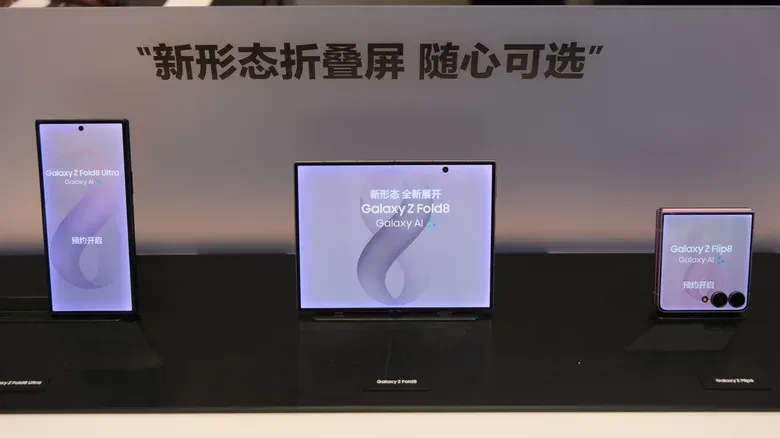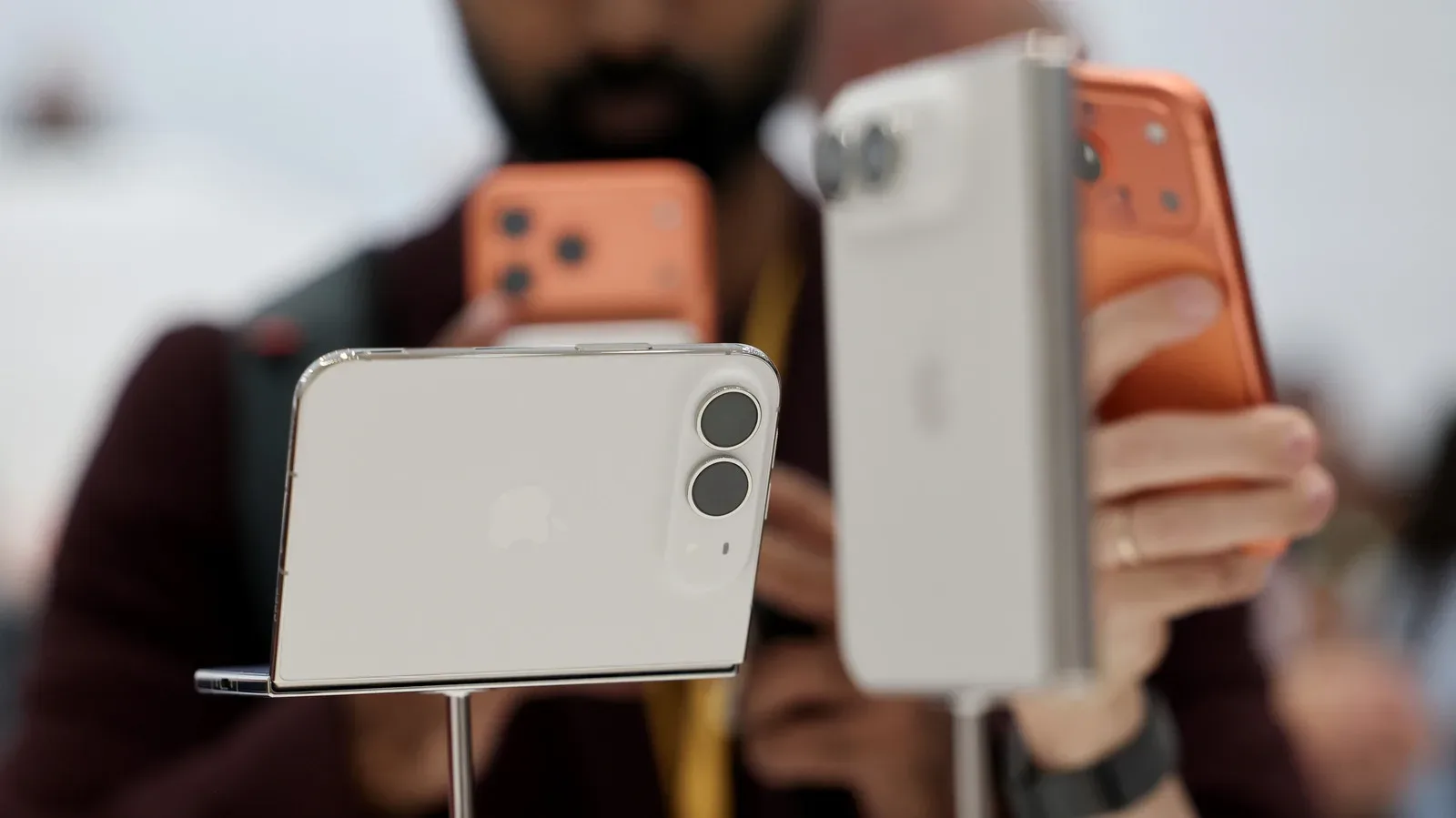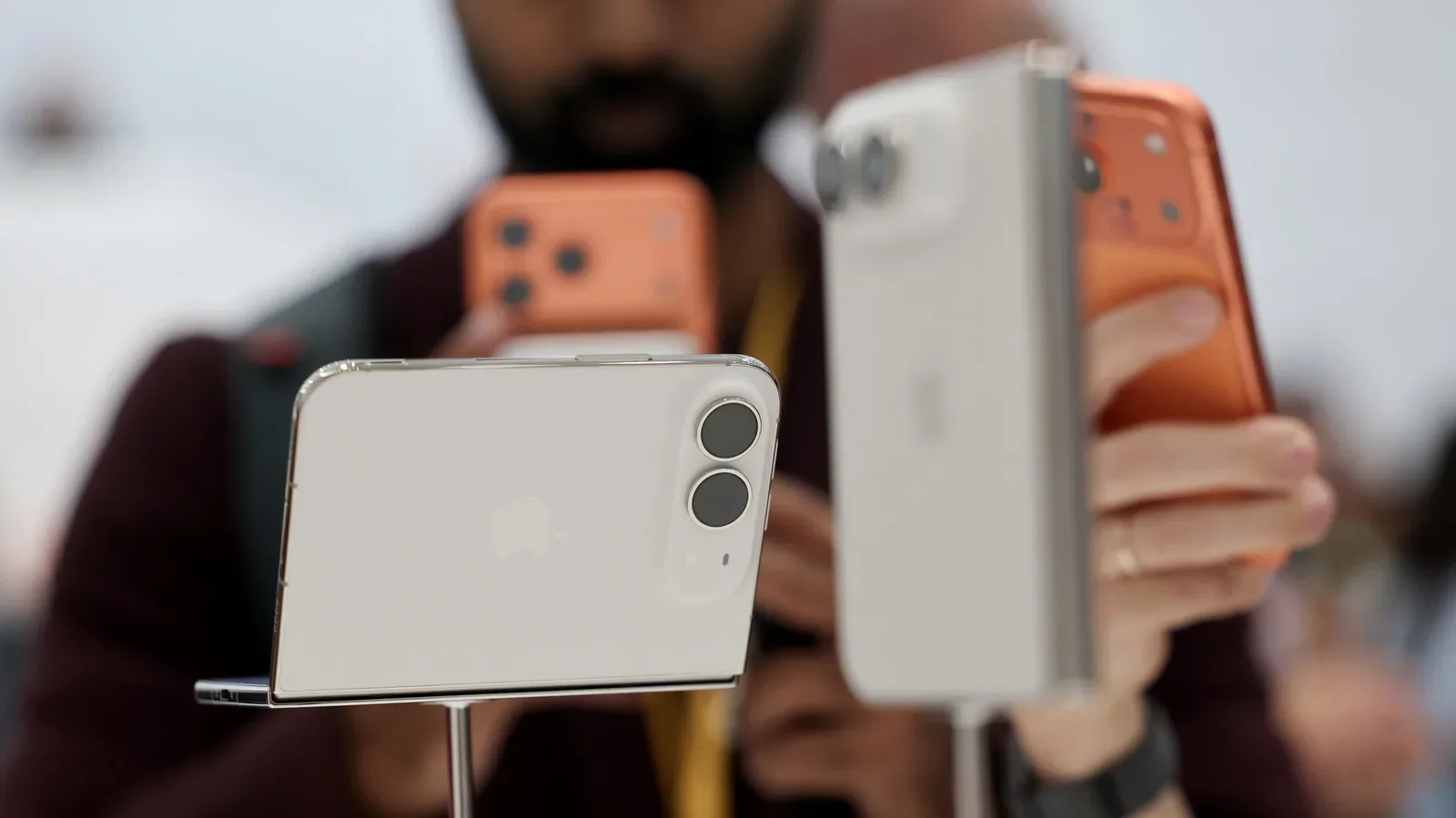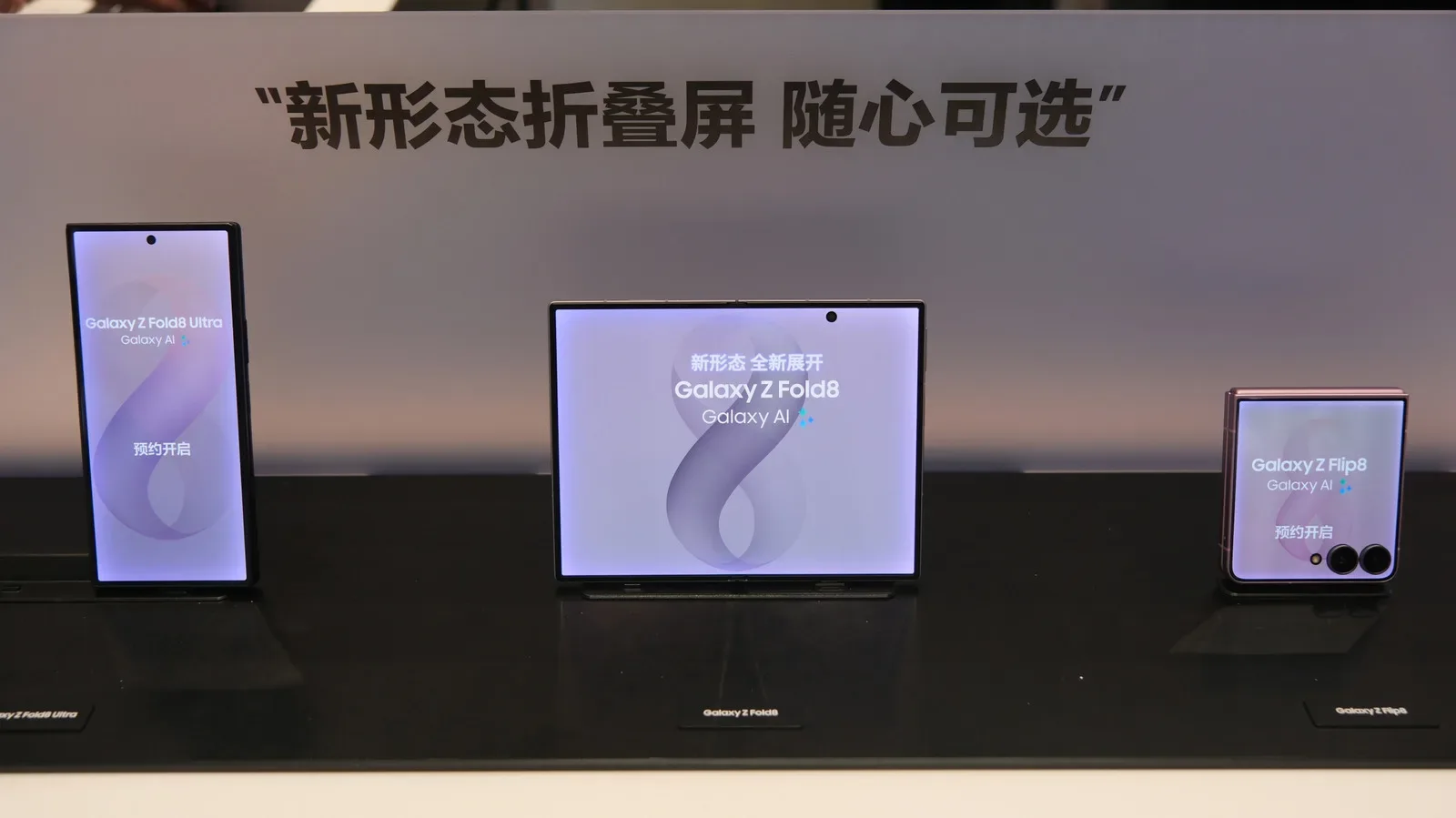
Foldable phones are not one category with one obvious “best” answer. The two dominant layouts—clamshell and book-style—make a very different promise to the person holding them. A clamshell foldable prioritizes pocketability and quick information checks. A book-style foldable prioritizes a much bigger inner display, potentially taking on some of the jobs normally reserved for a tablet.
That distinction matters for anyone who plays games, watches video, keeps up with group chats, or occasionally tries to get real work done away from a desk. The right question is not whether folding is inherently better than a conventional bar-shaped phone. It is whether the extra screen, reduced folded footprint, and hinge-based flexibility solve a problem you genuinely have every day.
For a player, the choice becomes especially clear once gaming is placed alongside everything else a phone must do. A compact device that makes notifications easy to check might be a better everyday companion than a larger one. But a device that opens to a tablet-sized canvas can be more appealing if games, video, reading and web browsing are central to how you use a phone. Neither form is automatically superior; they are built around competing priorities.
Two folds, two everyday ideas
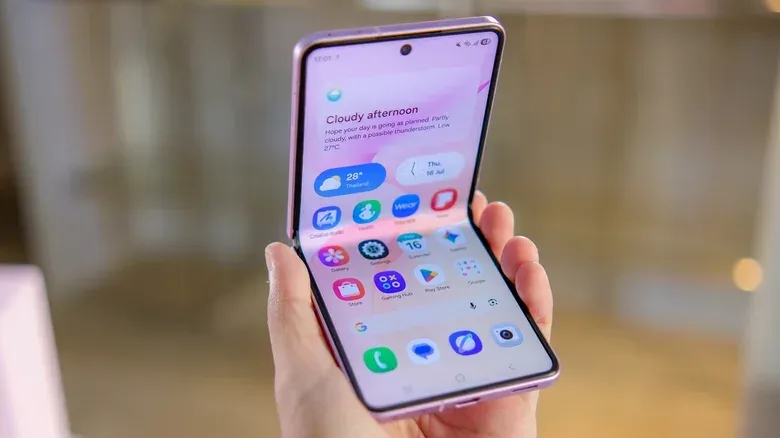
A clamshell foldable closes from bottom to top. When shut, it becomes a small, usually square-ish device reminiscent of classic flip phones. Open it and the inner panel works like the screen on a standard phone, with a hinge crossing the middle. The modern twist is the outer display: instead of only a tiny monochrome information window, current clamshell designs can show useful glanceable details and, on some models, support more apps.
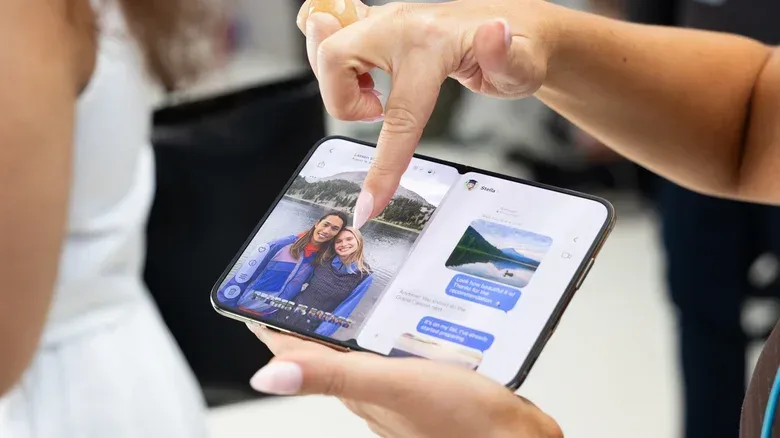
A book-style foldable closes from side to side. Folded up, it is broadly phone-sized, though typically thicker than a conventional bar phone. Its outer display handles familiar phone tasks such as messages, notifications and apps. Open it, however, and the internal screen expands into a larger, tablet-sized display.
That is not merely a cosmetic difference. The clamshell concept says: keep the phone small when it is not being used, then unfold a normal phone when needed. The book-style concept says: carry a phone-sized device that can become a larger work and entertainment surface on demand.
For people who follow portable gaming hardware, the appeal should be immediately legible. Screen size changes how a game feels, but so does the physical burden of carrying the device. The two foldable shapes place their bet on opposite sides of that trade-off.
Why a clamshell can be the more practical gaming-adjacent phone
Clamshell foldables are aimed at people who value compactness first. When closed, their small size can make them easier to carry. Their outer screen is also designed for quick checks: incoming calls and messages, time and date, weather, calendar details, and potentially additional apps depending on the model.
That outer screen can have an important practical effect: it gives a person a chance to see what needs attention without opening the phone and disappearing into the full app stack. For players, that can mean checking whether a message needs a response during a session without immediately turning a quick glance into an extended scroll. It is not a guarantee of fewer distractions, but the form factor gives the user a useful pause point.
Once unfolded, a clamshell behaves more like a regular smartphone. This is its major limitation and its major strength. It does not create extra display space beyond what a standard bar phone offers, so it is not the obvious choice for someone seeking a more expansive view of games, video or browser pages. Yet it also avoids asking the user to carry a phone that is larger and bulkier in the hand.
One-handed operation is another point in the clamshell’s favor. The smaller design is easier to use that way than a book-style foldable. That matters in mundane moments—reading a notification, changing a track, checking a calendar—but those moments determine whether unusual hardware feels convenient or fussy over months of ownership.
Who should lean clamshell?
- People whose top priority is a compact phone.
- Anyone who wants quick access to essential information without routinely opening the device.
- Players who game on a phone but do not need tablet-like screen space to enjoy it.
- Users who prefer an everyday device that remains closer to the familiar smartphone experience once opened.
The clamshell’s compromise is straightforward: it earns its special status through folding small, not through becoming large. If the reason for considering a foldable is “I want more room for games,” it may not address the underlying need.
Why book-style foldables make a stronger case for big-screen play
Book-style foldables take the opposite route. Their primary draw is the larger inner display, which is better suited to immersive viewing, interaction and productivity. Videos, books, web browsing and games all have more room once the device is open. For a player, that potentially means a more expansive visual experience than a conventional phone can provide.
The advantage is about screen real estate: the amount of visible display area available for content and controls. More real estate does not automatically make every game better, and it does not change a game’s underlying design. But it can make the device feel less constrained when the activity benefits from a bigger canvas. That is the core case for book-style hardware, not a claim that every game requires it.
This bigger inner screen also broadens the phone’s role beyond play. Book-style foldables can support widescreen or split-screen views and drag-and-drop actions, making them better suited to on-the-go productivity. Split screen means two views can be present at once; in practical terms, that can be useful when a person needs to reference one thing while working in another. Drag and drop refers to moving an item between onscreen areas using touch interaction.
For gaming audiences, that versatility is the real proposition. The device may serve as a communications tool when closed, a large entertainment screen when open, and a more work-friendly multitasking surface when necessary. The appeal is not just owning a novel hinge. It is consolidating activities that might otherwise pull someone toward a separate tablet.
The drawbacks are equally real. Book-style models are larger and bulkier, and their more complicated mechanical design means they should be handled with extra care. The hinge deserves particular protection, so a case designed to protect it is a sensible consideration. And because these phones must power two large screens, they can consume more battery.
That battery point should shape expectations rather than serve as a blanket rejection. Large-screen use is precisely why someone buys this kind of device, but it is also part of the ownership cost. Anyone attracted by extended gaming or video sessions should recognize that the biggest display is not a free upgrade; it makes greater demands on the battery.
Who should lean book-style?
- Players who want a larger display for games and video away from home.
- People who read, browse or watch enough on a phone to value a tablet-sized inner screen.
- Users who expect to make regular use of widescreen views, split screen or drag-and-drop multitasking.
- Buyers comfortable carrying a thicker, bulkier device and taking additional care around the hinge.
Dual screens create shared advantages
The two designs differ radically when opened, but both benefit from having screens on both sides of the device. Each can support uses that a standard single-display phone cannot approach in exactly the same way.
Two-sided live translation is one example. With screens facing different directions, each participant can view information on their own side. The same physical setup can help when using the outer camera for photos: the outside screen can be used to preview the shot. These are not necessarily everyday reasons to buy a foldable, but they demonstrate that the secondary display is not just a notification panel.
Both styles can also act as their own stand. A partially folded device can sit upright or in a tented position, making it useful for photos, video calls and related hands-free tasks. For a gamer, the relevant lesson is not that a phone hinge replaces dedicated hardware, but that its position can make the device more flexible in situations where holding it continuously would be inconvenient.
Still, prospective buyers should separate shared features from form-factor-specific value. A clamshell’s external display and flexible stance do not turn it into a tablet replacement. A book-style model’s outer display does not eliminate its bulk. The strongest purchase decision comes from choosing the compromise you will notice least, not the feature list that sounds most futuristic.
Gaming, productivity and the danger of buying for the highlight reel
It is easy to imagine the best-case moment for either type of foldable. For clamshells, that moment is closing the device into a compact package, then catching only the information that matters on the front screen. For book-style phones, it is opening a much bigger display for a game, a video, a book or a browser session.
But a more useful buying framework is to think about the ordinary moments between those highlights. How often do you actually want a bigger screen while away from home? How much do you value one-handed use? Does a conventional phone already cover your gaming needs? Would you regularly use split-screen productivity, or simply admire the possibility? Are you willing to be more careful with a more mechanically complex device?
For many players, the clearest dividing line is this: if the phone is primarily a communications device that occasionally runs games, the compact clamshell approach may fit better. If it is expected to be a serious entertainment screen and sometimes stand in for a tablet, the book-style approach is more coherent.
It is also worth keeping the term premium in perspective. Book-style foldables can feel more premium because of their size and capabilities, but “premium” describes the product’s positioning and experience, not an automatic match for every routine. A device is only a practical upgrade if its larger screen is used often enough to outweigh greater bulk, higher battery demands and extra care requirements.
Shipment trends do not choose for you
Research indicates book-style foldables may overtake clamshell shipment volumes in 2026. That possibility reflects the wider appeal of a single device that can act as both phone and tablet, especially as buyers move toward premium products with more memory amid a memory shortage.
Memory, in this context, is a component buyers may prioritize when choosing a more capable device. But shipment direction is a market-level signal, not a personal recommendation. Higher volumes for book-style models would not make compactness less valuable, nor would it make every buyer suddenly need a tablet-sized display.
The same applies to newer models mentioned in the market, including the Apple iPhone Duo. A new entry may bring attention to the book-style category, but the underlying decision remains stable: choose based on the display size, portability and everyday workflow that suit you—not simply on the category gaining momentum.
If your broader tech setup already includes a tablet, a handheld gaming device or a laptop, be honest about overlap. A book-style foldable can be attractive because it brings more tasks into one device. Yet someone who already uses dedicated screens for those activities may get more day-to-day benefit from a smaller clamshell. Conversely, a person trying to reduce the number of gadgets they carry could see real value in a phone that opens larger.
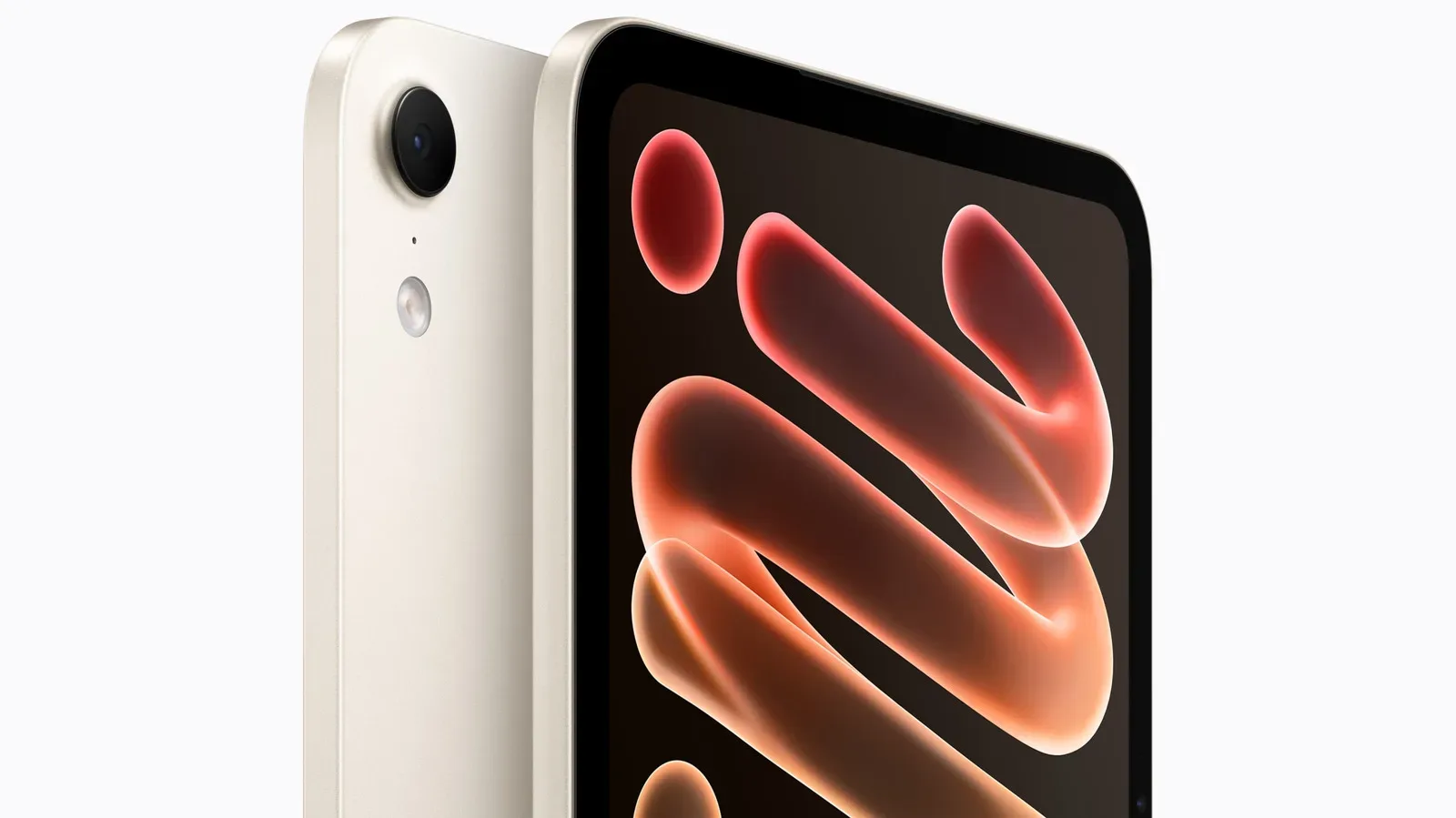
For more on how display, connectivity and AI features are shaping Apple’s wider portable lineup, see this look at Apple’s OLED iPad mini, M6 iMac and 14-inch MacBook Pro.
A short decision checklist
- Choose clamshell if compact carry, quick outer-screen checks and easier one-handed operation are your non-negotiables.
- Choose book-style if you want a bigger screen for games, videos, reading and browsing, and will use tablet-like multitasking.
- Plan for care with either design, particularly around the hinge; a case that protects the hinge is a practical precaution.
- Account for battery needs before committing to book-style hardware, since two large screens draw more power.
- Do not buy extra screen you will not use. The better foldable is the one whose central benefit matches your actual routine.
Clamshell and book-style foldables are best understood as two different answers to the same question: what should a phone become when it folds? One becomes smaller. The other becomes larger. For gaming and entertainment, book-style devices provide the more ambitious canvas. For portability and intentional, low-friction phone use, clamshells make the stronger practical argument.