A canceled live event usually leaves a hole in a fan calendar: travel plans become awkward, group chats turn into refund logistics, and a weekend built around a shared celebration suddenly has nowhere to go. Umamusume: Pretty Derby fans in the Los Angeles area appear to have found a more cheerful answer. Rather than letting the canceled U.S. concert stop end the weekend entirely, attendees gathered at Knott’s Berry Farm and gave the park’s Ghost Town blacksmith an exceptionally busy day.
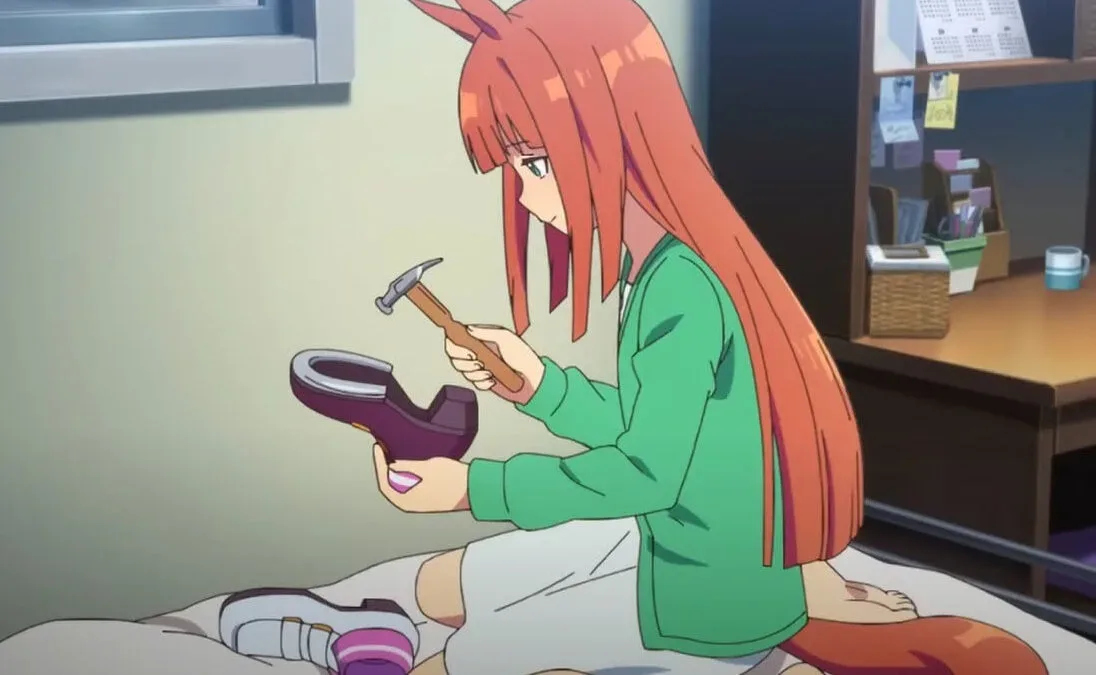
The meetup centered on an unusually fitting souvenir. Fans requested horseshoes branded with the names of favorite Umamusume characters, whose names are also tied to real racing horses. Reports from people at the gathering said the blacksmith’s queue filled for the day and that it was his busiest day on the job.
It is a small story with a wonderfully oversized visual: a community of fans carrying plush toys through an old-west themed area, lining up for custom horseshoes after the event they had expected to attend vanished from the schedule. It also demonstrates the practical value of fan communities when official plans fall apart. The concert may have been canceled, but the reason people set aside time, traveled, and wanted to be around fellow players did not disappear with it.
What changed for the U.S. concert
The weekend had been intended to host the first official Umamusume concert in the United States. With less than a week remaining, publisher Cygames said it could not secure the documentation needed to stage the event. The company said recent changes to visa applications prevented the participating musicians and voice actors from appearing, forcing cancellation of the sole U.S. date on the world tour.
The disruption carried more weight than an ordinary ticket refund. Concert trips can involve flights, hotel reservations, time off, and plans coordinated with friends. Cygames said it would refund tickets and compensate attendees for booked airfare and hotel accommodations, an important detail for people whose commitments extended beyond admission.
That does not completely replace a performance, particularly one that had significance as a first official American concert. But it helped establish a boundary between the event that could not happen and the community time fans had already made space for. In this case, some chose to keep the appointment with one another.
Why horseshoes made sense
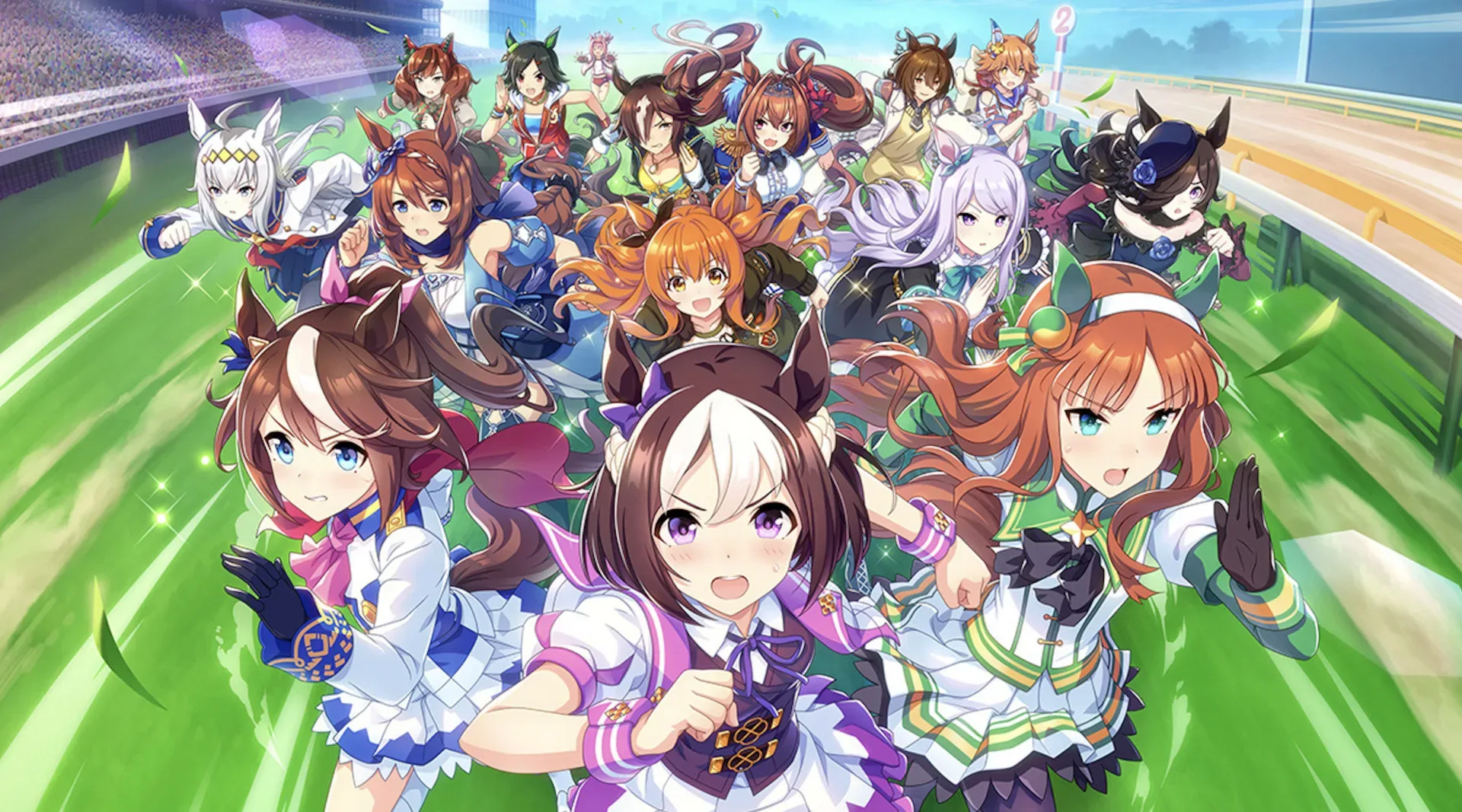
Umamusume: Pretty Derby is a mobile game about anthropomorphized girls inspired by real-world racehorse legends. The premise is deliberately broad enough to connect several overlapping interests: racing history, anime and character fandom, games, music, plush collecting, cosplay-adjacent fan expression, and live-event culture. A branded horseshoe therefore was not just a western-themed trinket. It was a physical joke, a personalized memento, and a direct nod to the horse lineage behind the characters.
The appeal also comes from the contrast. The characters are not literal horses who need shoes; they are stylized performers and athletes within the game’s fiction. Ordering a horseshoe with a favorite character’s name turns that gap into the gag. It is the kind of fandom object that works because it is both sincere and a little ridiculous—an iron souvenir made for a fictional horse girl at an old-timey smithy.
Related coverage includes Umamusume Fans Turn Canceled U.S. Concert Weekend Into a Knott’s Berry Farm Meetup.
For newcomers, “branded” here refers to marking the metal with a name or design, not a corporate sponsorship arrangement. The point was customization. Each requested name allowed the finished horseshoe to represent a particular favorite rather than Umamusume in the abstract.
A Ghost Town fixture gets an unexpected audience
Knott’s Berry Farm’s blacksmith operation is part of the park’s Ghost Town offering, a tradition maintained since the park opened in 1947. The smithy provides demonstrations of ironwork alongside discussion of frontier history, giving visitors a slower, educational stop among the rides and themed attractions.
That setting normally serves as a brief diversion for park guests. The Umamusume gathering changed its role for a day. Instead of simply observing a demonstration, fans arrived with a very specific request that fit the craft and the fiction at the same time. A horseshoe blacksmith was suddenly the obvious destination for a fandom built around horse-inspired characters.
There is an important distinction between a formally organized replacement event and what happened here. The available accounts describe fans in the area deciding to meet after the cancellation, not a new official concert or a publisher-run activation. That informality is part of what makes the response notable. No replacement stage, performer lineup, or elaborate infrastructure was necessary for the social part of the weekend to survive. People brought their enthusiasm to a place that offered an unexpectedly apt activity.
Community is the part a cancellation cannot automatically refund
Refunds and travel compensation address real financial harm, but they cannot reproduce the experience of encountering other people who care about the same niche thing. For a game with ties to animation, comics, music, and racing, a concert was presumably a rare moment for those interests to meet in one room. The Knott’s trip became a smaller, more improvised version of that opportunity.
Images and posts from the weekend prompted expressions of envy from fans who could not be there, with the visible camaraderie becoming the story as much as the canceled plans. That reaction matters. A gathering does not need to be a corporate production to feel consequential to participants. Sometimes a queue, a shared theme, and a chance to show off a favorite plush are enough to turn disappointment into an anecdote people want to have joined.
Games communities have repeatedly shown that their social life can move beyond the product itself: petitions, local meetups, creative projects, convention gatherings, and mutual support can all provide places for audiences to act together. The scale and purpose will differ, but the impulse is familiar; for another recent example of fans organizing around a shared concern, see the campaign built by Mass Effect supporters.
The Umamusume meetup was gentler and more immediate: no grand campaign, just fans taking an interrupted weekend and finding a location where the theme could continue. The custom horseshoes gave them something tangible to take home, but the bigger keepsake was likely the story attached to them. A planned first U.S. concert did not happen. In its place, a Ghost Town blacksmith reportedly spent the day stamping favorite character names into iron for a line of fans who refused to let the weekend go quietly.
What the moment says about fan-made alternatives
There is no need to pretend an afternoon at a theme park is equivalent to the concert fans lost. It was not. It did, however, reveal why maintaining social plans after a cancellation can be worthwhile when circumstances allow. The original gathering had already given people a shared date, a region, and a reason to meet. Fans repurposed those ingredients rather than discarding them.
It also shows why specific local attractions can become unexpectedly meaningful to a visiting community. Knott’s Ghost Town was not chosen for a generic “everyone meet somewhere” purpose. The blacksmithing display supplied a connection to the central joke and mythology of Umamusume. The fans’ requests then made that connection visible in a way a normal ride queue would not have.
For the blacksmith, it was reportedly an extraordinary workday. For the people in line, the horseshoes served as a playful substitute for an event souvenir that could never be sold because the show could not take place. And for a fandom dealt frustrating news at short notice, the meetup offered proof that a canceled official stop does not have to cancel the human part of the occasion.