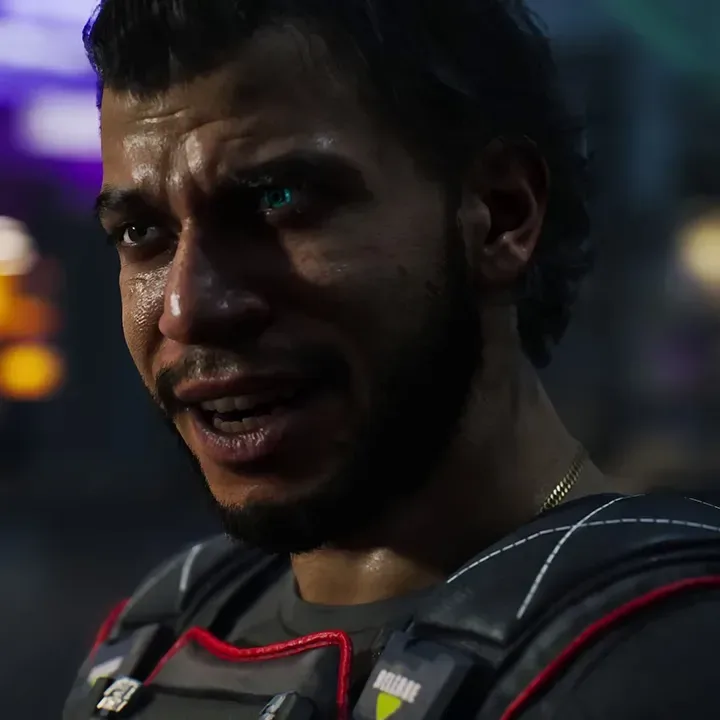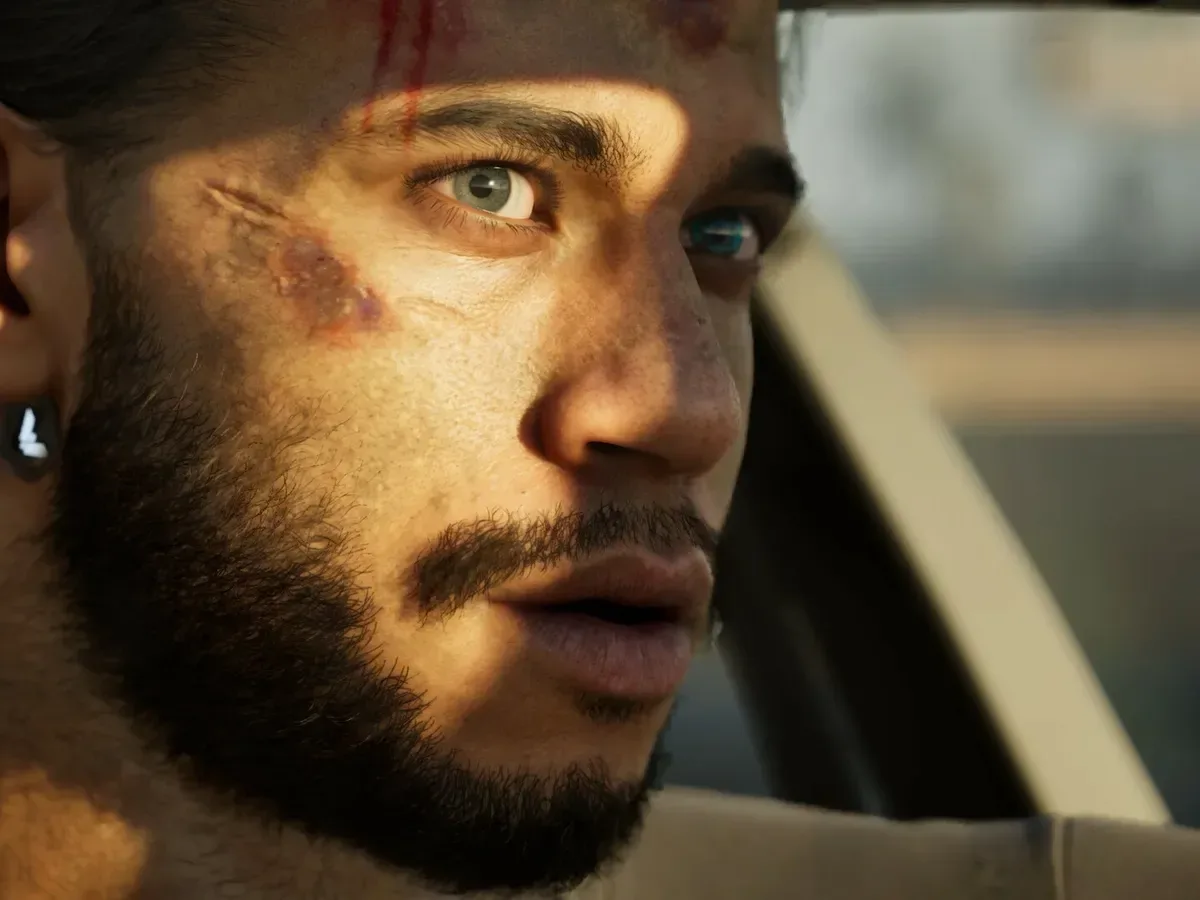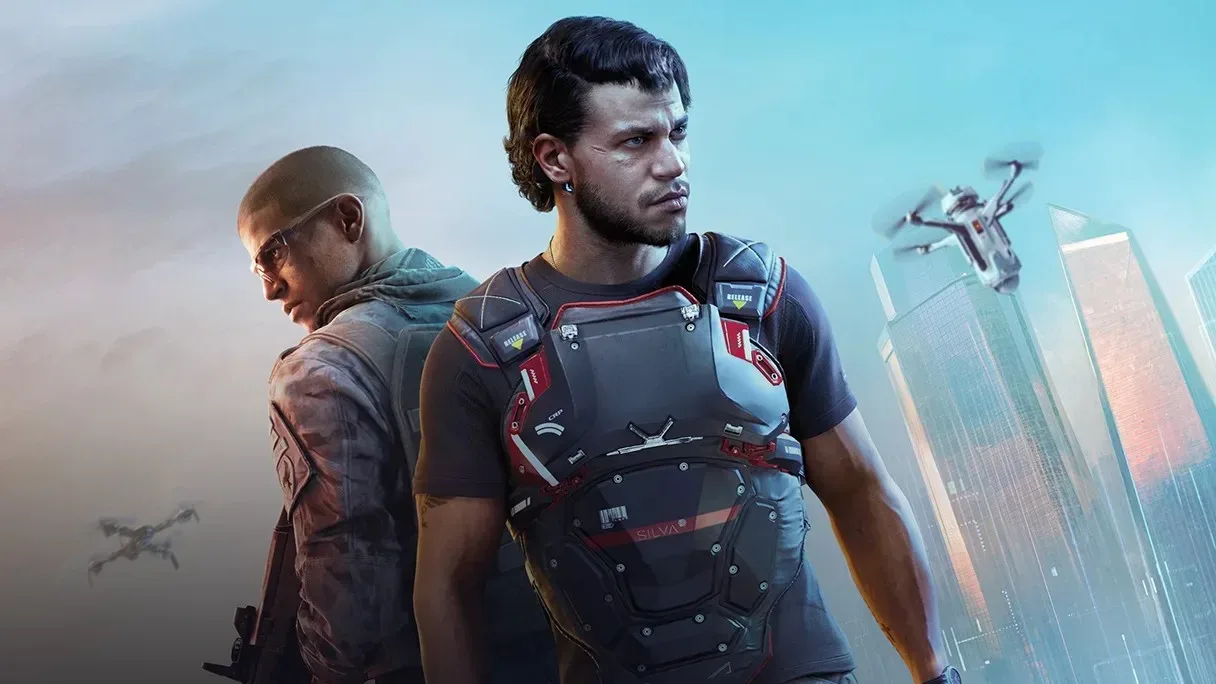
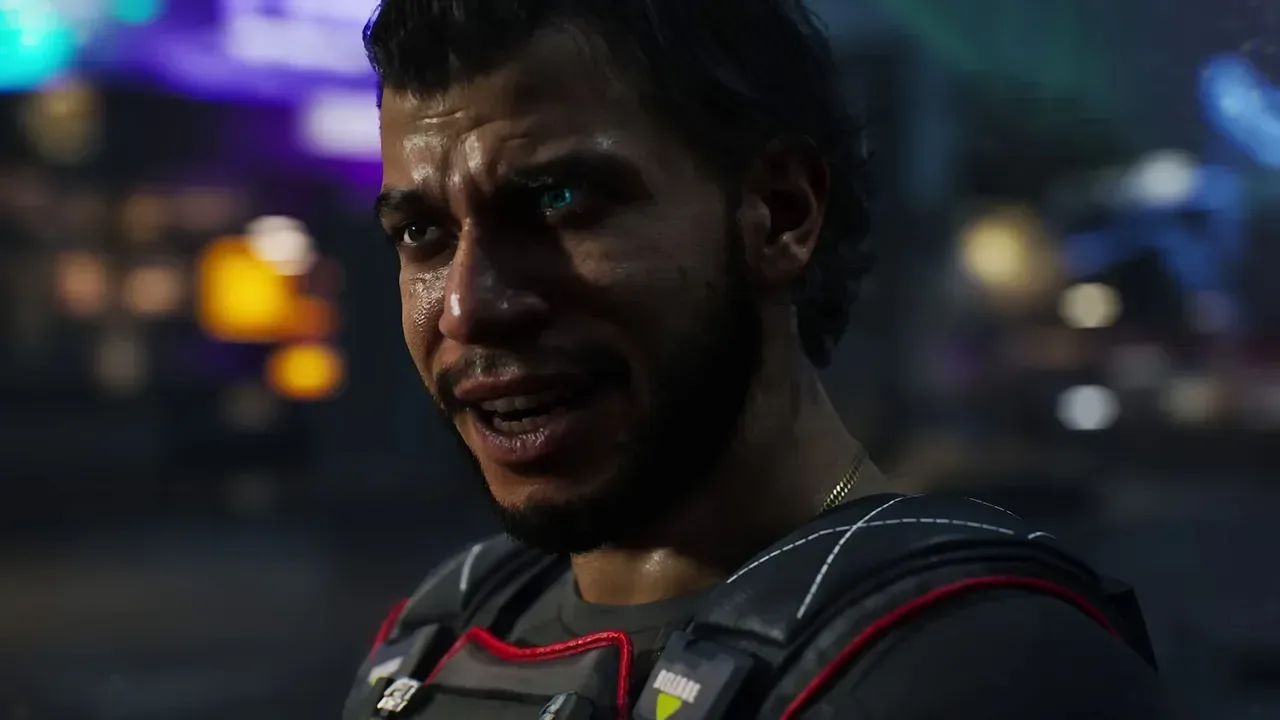
Build a Rocket Boy, the studio behind MindsEye, is carrying total debts of £61.7 million, or roughly $81.2 million, while its administration proposal places unusual weight on potential legal recoveries. The document describes the company’s investigations concerning “a number of third parties” as the administration’s largest asset, meaning the value of those claims could be central to what creditors eventually receive.
That wording matters. An asset is not necessarily cash in hand, nor is it a guarantee that a legal action will succeed. In this case, the company’s prospects of recovering money appear to be tied in significant part to litigation stemming from allegations Build a Rocket Boy executives made around the troubled launch of MindsEye. Those allegations are contested, and no outcome is established by the proposal itself.
A debt total with one especially large creditor
The £61.7 million figure is the headline number in the administrator materials. The largest portion, £36.4 million, is owed to NetEase. That is approximately $47.9 million and represents well over half of the stated debt total.
NetEase was not simply a distant creditor. It was a major investor in Build a Rocket Boy and participated in multiple funding rounds, including a $110 million Series D round in January 2024. Company documents indicate Build a Rocket Boy had raised more than £233 million in investment by 2024. The distance between that historic investment total and the debts now documented under administration illustrates the scale of the studio’s financial reversal, though the supplied documents do not give a complete accounting of how every pound was spent.
There is also a notably small listed debt of £19.90 to OpenAI. It is a minor figure against the wider balance sheet, but it underscores a basic feature of an administration process: the proposal can catalogue creditors large and small while trying to identify every potential asset available to repay them.
What administration means here
Administration is a formal insolvency process in which administrators take control of a financially distressed company’s affairs. Their task is generally to preserve or realize value for creditors rather than to operate on the assumption that the business will simply continue as normal. That can involve selling assets, collecting money owed to the company, reviewing contracts, and pursuing claims where the administrators believe there is a credible route to recovery.
For Build a Rocket Boy, the proposal’s emphasis on investigations is therefore significant. A game studio’s conventional assets might include intellectual property, technology, equipment, contracts, and remaining cash. Here, the proposal specifically characterizes the investigations into several third parties as the largest asset. That makes any associated legal case more than a side dispute: it may be a major component of the plan to address outstanding liabilities.
Still, “largest asset” should not be confused with a confirmed payment. Litigation can take time, consume resources, produce a settlement smaller than expected, or fail altogether. The proposal indicates what the administrators see as a potentially valuable avenue, not a final finding that anyone is liable.
Related coverage includes MindsEye Studio's £61.7 Million Debt Leaves Legal Claims at the Center of Its Administration.
How MindsEye became entangled with the dispute
MindsEye began as part of the broader Everywhere project, a creation platform that had been described as a “Roblox for adults.” The effort was led by Leslie Benzies, formerly a design chief on Grand Theft Auto. Build a Rocket Boy later shifted its focus toward MindsEye, a story-driven action-adventure game, as the company expanded to more than 500 employees at its peak.
The game launched in June 2025 to a harsh response from players, who criticized it as broken and buggy. Build a Rocket Boy subsequently said it was heartbroken by players’ experiences and promised patches targeting major performance issues, glitches, and problems with AI behavior.
Those technical categories are worth separating. Performance problems generally refer to how reliably and smoothly a game runs, including instability or poor responsiveness. Glitches are unintended faults in the game’s systems or presentation. AI behavior bugs concern the actions of computer-controlled characters or systems that do not behave as intended. Collectively, such issues can directly affect player confidence at launch, particularly for a high-profile new release.
The studio’s challenges did not stop at patches. The period also involved sweeping layoffs. Benzies told staff that Build a Rocket Boy would recover and relaunch MindsEye, while attributing some of the company’s troubles to internal and external “saboteurs.” Co-CEO Mark Gerhard separately said the studio had been looking into what he called criminal activity around the launch.
By September, the Edinburgh-based company was reported to be facing closure and had entered administration. The new proposal provides a clearer picture of the company’s debt burden, but it does not resolve the underlying causes of the game’s commercial failure or establish the validity of the allegations connected to it.
The Ritual Network allegation remains disputed
Earlier in 2026, Gerhard alleged that Build a Rocket Boy had been the target of corporate espionage and sabotage. He specifically accused Ritual Network, a YouTube and TikTok management agency, of running a coordinated propaganda effort that damaged the company’s reputation around MindsEye. The allegation included a claim of a $1 million smear campaign.
Ritual Network has denied orchestrating any such campaign. The administration proposal refers more broadly to investigations involving several third parties, so the public description does not establish whether any eventual legal action would be limited to the previously named agency, target other parties, or pursue a different set of claims. It also does not provide a judgment on the allegations.
That distinction is important for anyone following the case. An allegation is a claim one party makes; litigation is the process of trying to have a dispute decided or settled through legal channels. Neither is equivalent to a ruling. Until a court decision, settlement, or other documented resolution occurs, the alleged sabotage and espionage should be treated as contested assertions rather than settled facts.
Why legal claims could matter more than a relaunch plan
Before the company entered administration, Build a Rocket Boy’s public messaging included the possibility of fixing and relaunching MindsEye. The administrator proposal changes the immediate frame. Its focus is not a product roadmap or a detailed update schedule; it is the company’s debts, its creditors, and possible routes to realizing value.
That does not by itself prove that a future MindsEye relaunch is impossible. However, no supplied information confirms a new launch timetable, ongoing patch plan, platform expansion, sale, or operational future for the game. The firmer fact is that the company is in administration and its listed debt is £61.7 million.
For players, the practical implication is uncertainty. A live or supported game depends on people, funding, infrastructure, and a company’s ability to prioritize continued work. Administration can preserve assets, but it can also put decisions about support and development under financial constraints that are very different from those facing a normally operating studio. Nothing in the proposal guarantees fresh updates or a revival.
For creditors, the key issue is recoverability. NetEase’s £36.4 million claim is the largest named exposure in the supplied material. Any money realized through asset sales or successful claims would be relevant to the wider pool of debts, but the materials do not specify what proportion any creditor will recover. The existence of large claims does not tell us the eventual payout.
A cautionary marker for blockbuster ambitions
Build a Rocket Boy’s story also sits alongside a broader industry reality: expensive, ambitious games face an exceptionally high bar. In May, Take-Two chief executive Strauss Zelnick remarked that making major hits becomes harder as entertainment industries mature, adding that many former Rockstar employees have tried to replicate that success without matching it.
The comment is not a finding about why MindsEye failed, and it should not be used to flatten a complex situation into a single lesson. But it does provide relevant context for a studio founded by a prominent former Grand Theft Auto figure and built around a large-scale original project. Previous experience on landmark games can attract attention, talent, and investment; it does not automatically solve the difficult work of shipping a reliable new game and turning it into a durable success.
Interest in Rockstar’s next release has only intensified that contrast. Readers tracking the franchise’s upcoming game can also follow how its social systems may guide activities in GTA 6’s in-game social feed. But Build a Rocket Boy’s administration is a separate business story, centered on debts and disputed legal claims rather than on Rockstar’s development plans.
What remains unknown
- Whether Build a Rocket Boy’s investigations will lead to claims that generate recoveries for creditors.
- Which third parties may be involved beyond the allegations already made publicly.
- Whether any litigation will result in a settlement, a court ruling, or no recovery.
- How much of the £61.7 million debt creditors may ultimately receive.
- Whether MindsEye will receive further support, patches, or a relaunch.
For now, the administrator proposal offers a stark accounting: Build a Rocket Boy has substantial debts, NetEase is its biggest listed creditor, and the company’s potential legal recoveries are being treated as its most valuable asset. The studio’s accusations against alleged saboteurs remain unproven and denied by Ritual Network. What happens next will depend not on the rhetoric around the launch, but on whether those claims can produce real, legally sustainable value in administration.