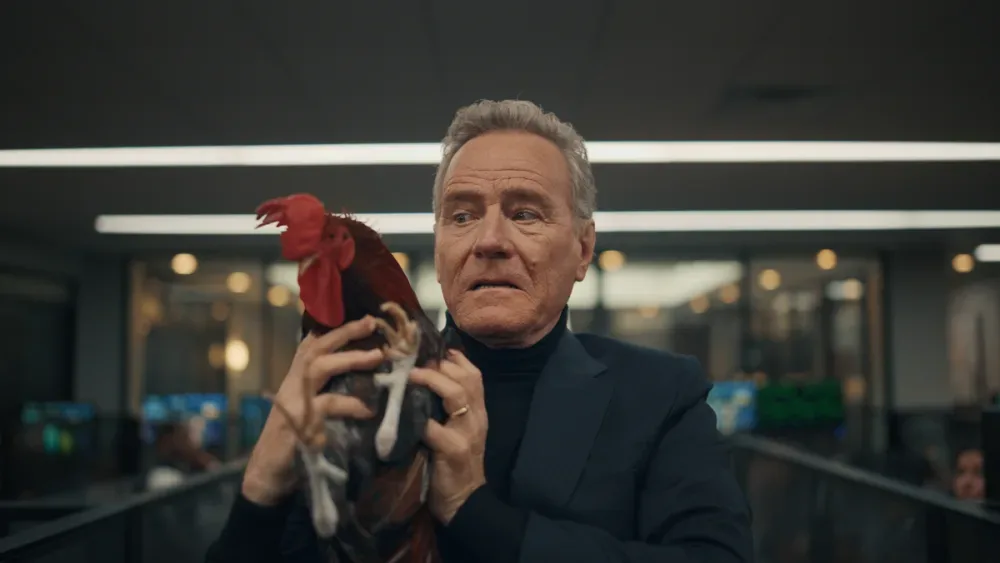
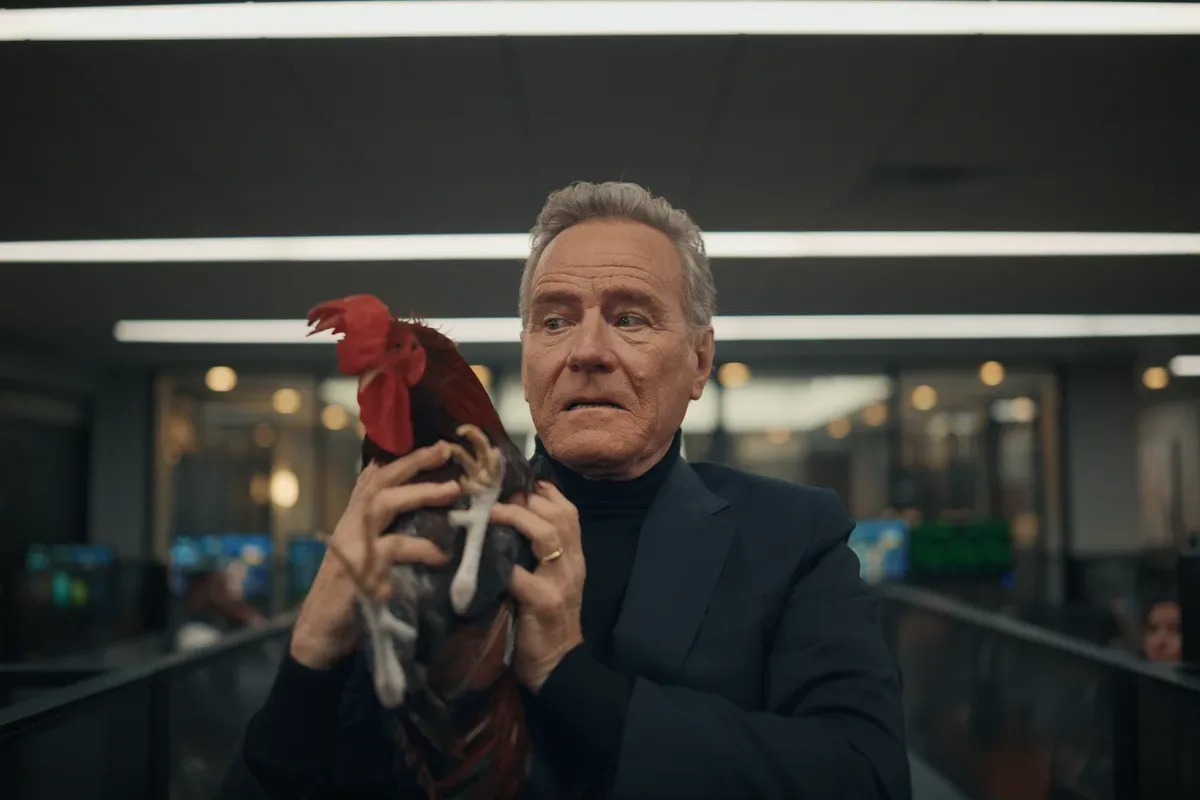
T-Mobile is introducing a new wireless-plan campaign with an especially direct solution to a crowded telecom marketplace: Bryan Cranston, a rooster named George, and a very energetic wake-up call.
The 60-second commercial presents Cranston as a kind of human alarm clock, moving through hotel rooms, airplane seats and bedrooms to tell apparently sleeping customers that there has been “a change in plan.” The plan in question is T-Mix, a new offering built around letting subscribers select the elements and benefits they want rather than committing to one fixed configuration for a longer period.
For gaming audiences, the important detail is that Xbox Game Pass is among the benefits T-Mobile says members can choose. It sits alongside entertainment, music, food-delivery, travel and productivity options including Apple Music, Apple TV, DashPass by DoorDash, Delta miles, ESPN Unlimited, Google Gemini, Hulu, Netflix, Pandora, Paramount+, SiriusXM and YouTube Premium. T-Mobile also lists options such as T-Satellite, Optimized Video Calls and device promotions.
The ad campaign is not a games-industry announcement, and the supplied details do not specify which Game Pass tier is included, how the benefit is priced within a chosen plan, or the eligibility and redemption rules. Those distinctions matter. “Xbox Game Pass” is the umbrella name for Microsoft’s subscription service, while the access, devices and catalog options can vary by membership tier. Anyone weighing the perk should therefore examine the eventual plan terms rather than assume it matches a particular existing subscription.
A campaign built around flexibility, not a single bundle
The core T-Mix pitch is customization. Subscribers will be able to alter plan elements every 90 days, rather than remaining locked into a single set of choices for a longer stretch. In practical terms, that means the value of the plan will depend less on a headline list of recognizable brands and more on whether a household can select benefits it would otherwise pay for anyway.
That is especially relevant to players. A Game Pass benefit has obvious appeal if it replaces a subscription someone already maintains. It is much less useful if the household plays elsewhere, already receives the service through another arrangement, or would rather choose an entertainment, delivery or travel option. The same applies to every item in a menu-style package: a long list can signal choice, but it is not automatically a saving.
T-Mobile says a family of four could save up to $7,000 depending on the options selected. That is an upper-end company claim, not a universal estimate for every customer. The wording itself makes the variables clear: household makeup and chosen features can change the result substantially. A sensible comparison starts with a family’s current wireless costs and the separate subscriptions it already pays for, then checks whether the exact T-Mix selections would replace those bills.
What to compare before treating a perk as a deal
- Current subscriptions: Identify which listed benefits are already paid for each month. A duplicate perk has limited value unless it can replace the existing bill.
- Exact service level: Confirm the specific version of any subscription included, particularly Game Pass, and whether it works on the devices the household uses.
- Eligibility and account rules: Check whether existing members can redeem the offer, whether it applies to every line or one account, and whether a redemption requires cancellation or account changes.
- 90-day changes: Flexibility is useful, but it also means planning matters. Customers may want to line up changes with renewals or shifts in what the household actually uses.
- Wireless plan total: A perk should be weighed against the full plan price, any device terms and all relevant conditions—not evaluated in isolation.
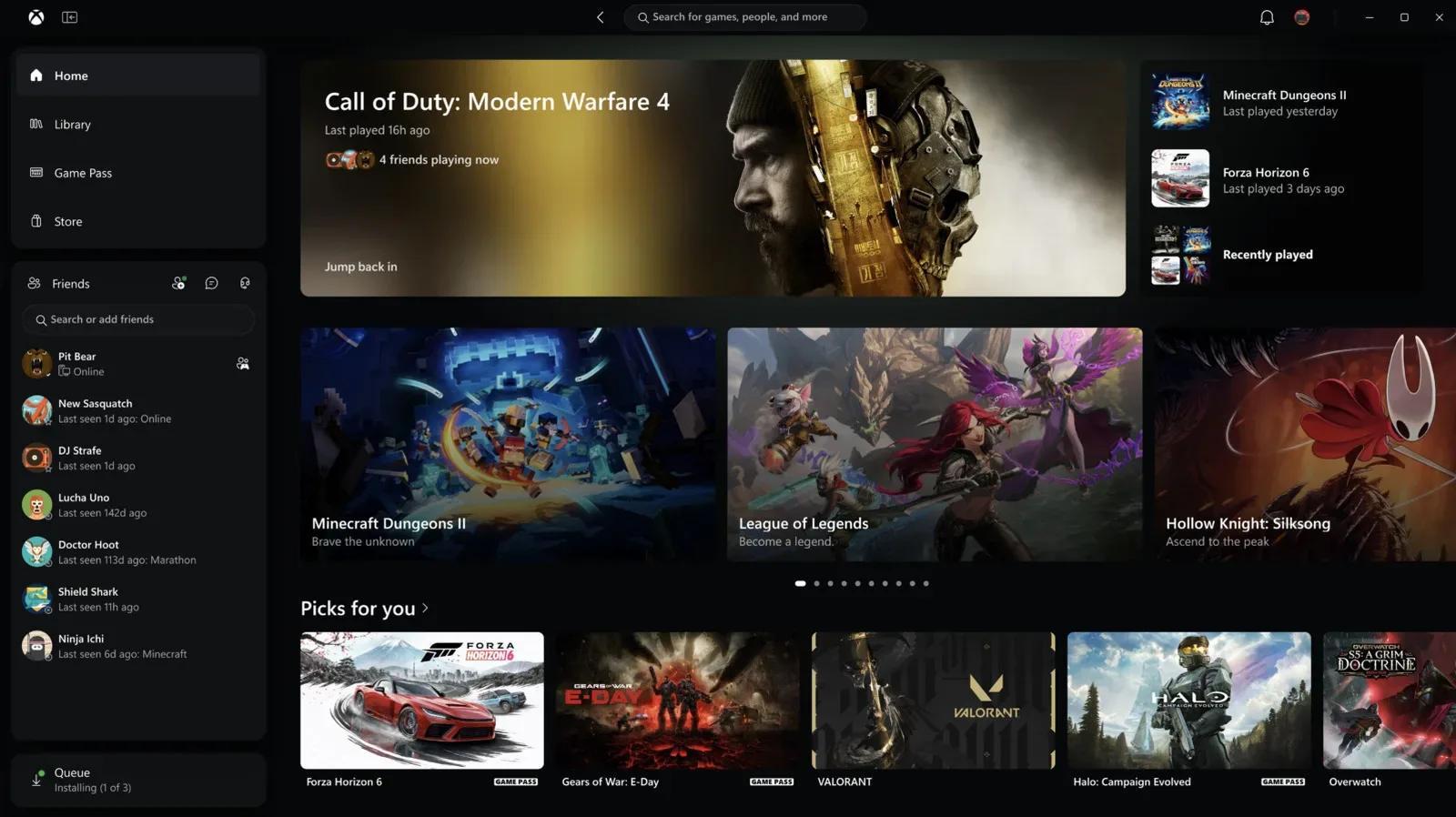
There is an additional gaming angle in the broader idea of wireless providers treating subscriptions as plan components. Game libraries, cloud-enabled features and PC ecosystems increasingly make a gaming subscription part of a player’s recurring digital budget, alongside video and music services. A carrier bundle can simplify that stack, but only if the included access fits the player’s platform habits. Those using Microsoft’s desktop ecosystem may also be watching its ongoing app improvements, including an Xbox PC app update aimed at faster launches, faster pages and a cleaner library.
Related coverage includes Bryan Cranston and George the Rooster Lead T-Mobile’s T-Mix Campaign.
Cranston trades menace for a wake-up call
The commercial marks a different celebrity presentation from the playful work that has featured Billy Bob Thornton, John Travolta, Zach Braff and Donald Faison. Cranston is best known for roles including Walter White in Breaking Bad, Hal in Malcolm in the Middle and Tim Whatley in Seinfeld. Here, he plays an enthusiastic convert to the idea that he can assemble a plan instead of accepting the way wireless plans have traditionally been structured.
He characterized the figure as nearly a Pied Piper: someone who has had an epiphany about choosing his own plan and wants to spread the discovery with real energy without turning it into pure silliness. That framing explains why the spot uses a rooster but does not make the animal the only joke. George functions as a visual extension of the alarm-clock premise while Cranston carries the explanation.
The actor’s commercial background is a useful fit for the format. Cranston said ads were his “life source” at the start of his career; he has appeared in work for CoffeeMate and has frequently been heard in Ford commercials. He also pointed to the exacting nature of telling a story in one minute. The T-Mobile shoot took two days, with scenes repeated from several angles, because a commercial has little room for pauses or loose editing. In a film, a moment can linger; in a timed spot, every beat must earn its place.
George’s on-camera composure had a more traditional production aid: food. Cranston described using a small bowl of feed attached to a stick to draw the rooster’s attention, then lowering it out of frame as George turned toward him. The resulting face-to-beak stare only needed to last a few seconds to work on camera—an appropriately efficient solution for an ad centered on precision timing.
A large rollout aimed beyond T-Mobile’s usual audience
The spot will debut during Amazon Prime Video’s Thursday Night Football and expand across national broadcast, streaming, cinema, digital and social platforms, radio and out-of-home advertising. T-Mobile also plans bespoke digital creative aimed at particular consumer niches.
Highdive, T-Mobile’s new agency of record, created the campaign. Lucy McLellan, the company’s executive vice president and chief brand and communications officer, said the work is intended to reach people who have tuned out the wireless category and to broaden the brand’s appeal beyond the millennials it has traditionally attracted.
That audience goal helps explain the campaign’s broad distribution and simple message. Telecom plans can become complicated quickly when discounts, device promotions, streaming services and service features pile together. Cranston’s wake-up routine translates the proposition into a very short version: customers may be able to make a plan around their own priorities. The rooster makes sure nobody misses it.
Competitors are pursuing similarly conspicuous celebrity-led pitches. Verizon previously brought back Mike Myers as Austin Powers and reunited members of that film’s cast to promote its Simplicity Plan, which included promotions, returns on spending, prizes and rewards. The parallel is revealing: in a category where offerings can feel abstract, recognizable performers and a sharply defined gimmick are being used to get people to reconsider plans they may otherwise ignore.
For prospective T-Mix customers, the advert is the invitation, not the whole decision. The meaningful questions are concrete: what can be selected, how often it can be changed, what each selected benefit actually includes, and whether the total reduces spending for that specific household. For someone already paying for compatible Xbox access, a Game Pass option could be a practical piece of that equation. For everyone else, Cranston and George still make a memorable case for reading the plan details before going back to sleep.