Blumhouse-Atomic Monster’s latest presentation put a useful spotlight on the company’s widening definition of horror entertainment. The headline-grabbing film projects were plentiful, from fresh takes on Paranormal Activity and The Blair Witch Project to a new Saw entry. But the slate also reached into video games, comic-book adaptation, short-form work, live-action television and adult animation.
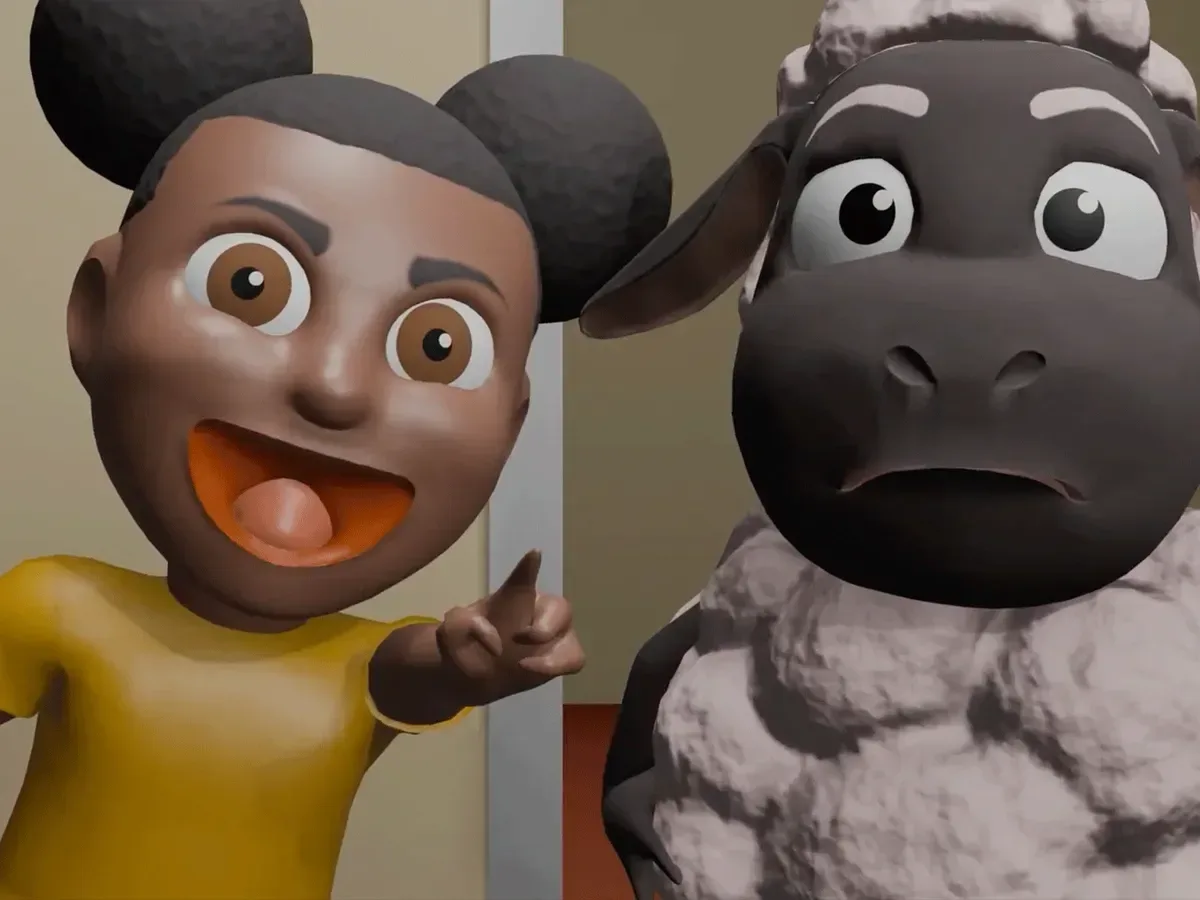
For game audiences, two announcements stand out. The company confirmed a MatPat-led adaptation of indie horror game Amanda the Adventurer, while its own horror game Grave Seasons is scheduled to launch March 9 after being teased for several years. They are distinct projects, but together they underline a strategy that treats gaming as more than a place to license familiar scares. One project brings an established indie-game property toward a screen adaptation; the other is an original game positioned alongside the company’s film and television output.
Amanda the Adventurer heads toward a screen adaptation
The Amanda the Adventurer news is still at an early stage. The presentation identified it as a MatPat-led adaptation, but did not establish a release date, cast, platform, format or story details. That makes this an announcement to watch rather than a production with a defined path to audiences.
Even so, it is a meaningful choice of material. An adaptation takes a game’s characters, world or premise and reworks it for another medium; it is not automatically a direct recreation of gameplay. That distinction matters especially for horror games, where player agency, environmental discovery and pacing can be central to the tension. A screen version has to find its own rhythm without making viewers perform the actions that created suspense in the original.
MatPat’s involvement also connects the project to the online culture surrounding game analysis and lore. In practical terms, that association signals attention to the communities that often sustain an indie horror title beyond its initial release through theories, explanation videos and repeat discovery. It does not, however, tell fans how faithful the final adaptation will be. Nothing presented confirms which parts of the game will be used, whether it will follow a particular storyline, or who will write or direct it.
The project arrives amid a broader slate built around recognizable horror names and creators with audience familiarity. That is not proof of a particular creative approach, but it does suggest the company sees gaming-origin horror as part of the same long-term ecosystem as its major film franchises.
Grave Seasons has a March 9 launch date
Grave Seasons, meanwhile, received the clearest concrete update of the gaming announcements: the Blumhouse horror title is officially set for a March 9 release. Beyond that date, the presentation did not detail platforms, gameplay systems, price or distribution plans. Those specifics remain unconfirmed in the information provided.
The significance is less about a newly revealed mechanic than the fact of follow-through. The game had been teased for a couple of years, and the launch date moves it from a long-running prospect toward a scheduled release. For players, the practical takeaway is simple: March 9 is the date to circle, while holding off on assumptions about what the game will play like until more official detail is available.
Gaming is not the only place where the company is testing horror’s reach beyond a traditional theatrical release. It also plans prize packs containing Fortnite codes tied to the Purge franchise’s Lady Liberty during Fortnitemares. This is a promotional crossover rather than a newly announced Purge game, a distinction worth making. The information points to codes and prize packs; it does not confirm a substantial in-game event, a new playable mode or a larger game partnership.
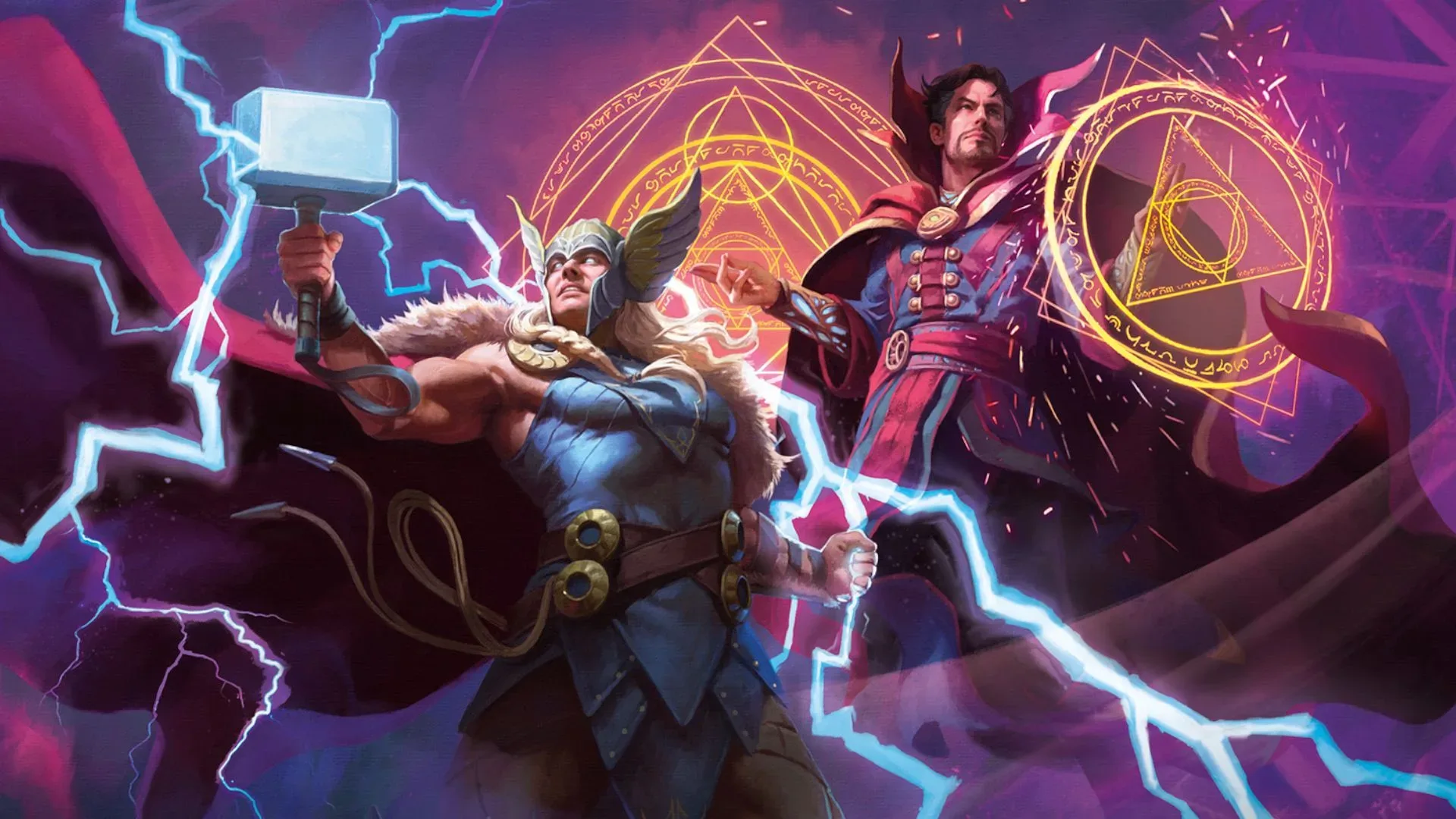
For a related look at how supernatural themes continue to travel across games and collectible entertainment, see MTG Marvel Darkhold Destiny’s supernatural, dimension-hopping direction.
Legacy horror franchises are central to the film slate
On the film side, the presentation outlined a mixture of sequel, reboot and revival territory. Paranormal Activity is receiving what was described as a modern makeover and is scheduled for theaters on May 21. The film is currently in production, with director Ian Tuason appearing in a teaser that recalled the franchise’s sleep-time possession imagery.
The phrase “modern makeover” is broad, and no plot details or casting information were provided. Still, the confirmation is notable because Paranormal Activity carries special importance within the company’s history. Jason Blum characterized it as foundational to the rise of Blumhouse. A modernized installment therefore has two jobs: it has to function for present-day audiences while also returning to a property closely tied to the company’s identity.
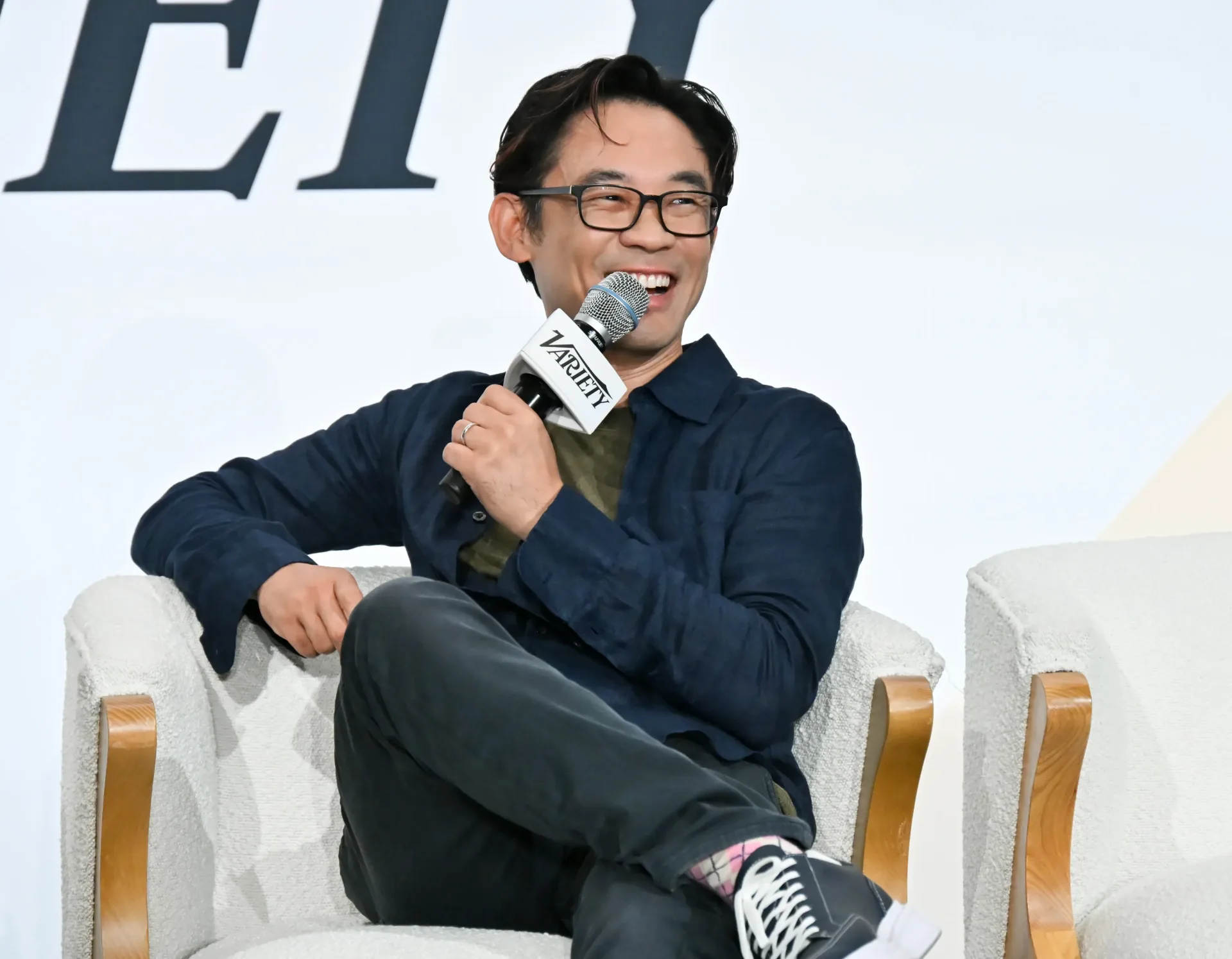
A revamped The Blair Witch Project is also in development, with Dylan Clark attached to direct. James Wan praised Clark as a filmmaker and YouTuber with a portfolio of online shorts, stressing that the selection was based on admiration and familiarity with the earlier films rather than simple online visibility.
That emphasis speaks to a recurring challenge in franchise horror: reverence is not the same thing as repetition. Fans may reasonably hope a new filmmaker understands why a foundational title connected, but familiarity alone does not reveal the new film’s format, setting or relationship to previous entries. No release date, cast or story premise was announced for the Blair Witch project.
Another major franchise, Saw, is now moving forward again with an 11th installment. Mike P. Nelson will direct. The film had remained in development limbo for years before returning to track after the Blumhouse-Atomic Monster merger. Blum said James Wan and Leigh Whannell are returning to guide the project creatively, and indicated that the team wants the new entry to feel distinct from the franchise’s other films, with the original Saw serving as the chief point of comparison.
There is an important limit to what that promise confirms. It indicates creative intent, not a disclosed plot, returning character list or exact stylistic blueprint. It does, however, give the project a clear framing: the new film is being presented as an attempt to reconnect with the creative roots associated with Wan and Whannell rather than merely continue a stalled development process.
Violent Night 2 adds Kristen Bell as Mrs. Claus
Violent Night 2 will bring Kristen Bell into the cast opposite David Harbour. Bell is playing Mrs. Claus, a character described during the presentation as just as capable and dangerous as Santa. Bell said Harbour contacted her about coming to Winnipeg before she even knew a sequel was in the works; once she learned the role was Mrs. Claus, she agreed.
The casting gives the sequel a clear new counterpart for Harbour’s Santa, though details beyond Bell’s character description have not been disclosed. It also illustrates the slate’s tonal range. The project uses holiday iconography for violent action-horror comedy, while other announced films lean toward possession, found-footage-associated terror or trap-driven franchise horror.
The group also referenced an upcoming Exorcist installment starring Scarlett Johansson. The presentation placed that project among titles expected over the next year, but did not add further production information in the material available here.
Something Is Killing the Children becomes a two-format project
The most expansive non-game adaptation announcement concerned Something Is Killing the Children, the horror comic created by James Tynion IV and Werther Dell’Edera. Craig Zobel is set to direct a live-action film adaptation. At the same time, the property is being developed as an adult animated television series, with Tynion IV leading the TV project.
Developing the same franchise in live-action film and adult animation is a substantial commitment, but audiences should not assume the two productions will tell identical stories or debut together. The announced plans establish two formats, not a release schedule or a confirmed shared-continuity model. Tynion IV and Stephen Christy will produce the film for BOOM! Studios and Penguin Random House with Jason Blum for Blumhouse; Shaun Sutton, Ryan Turek, Adam Yoelin and Mette Norkjaer are executive producers, while Dell’Edera is a co-producer.
The project’s two-track structure matters because animation is not being treated as a side product. Naming it an adult animated television series signals a format designed for mature horror material, rather than a family-oriented reinterpretation. Until further information arrives, though, viewers do not know its episode count, voice cast, release platform or how closely it will align with the film.
Additional projects and the wider strategy
Elsewhere, the presentation announced a new short-film deal with Heidi Wong and identified LaKeith Stanfield’s next movie as Molepeople. Details on those projects were not provided.
Jason Blum also addressed the response to Other Mommy, which opened to negative reviews but strong box-office results. He said James Wan had preferred the title Other Mother and jokingly acknowledged that Wan may have had the better instinct. The exchange does not change the announced slate, but it offers a glimpse of how a production banner managing recognizable genre brands can face intense public reaction to even basic choices such as a title.
Overall, the clearest read on this slate is breadth rather than a single shared universe. The company is working across original games, game adaptation, theatrical horror, comic-book adaptation, animation, short films and promotional game tie-ins. Some of those plans come with dates, particularly Grave Seasons on March 9 and Paranormal Activity on May 21. Many others remain deliberately broad announcements. That uncertainty is not a flaw in itself; it simply means fans have a roadmap of projects, not yet a complete release calendar.