BioWare’s closure has understandably turned attention toward the studio’s 31-year history and the series attached to its name. But a studio’s influence does not disappear on the day its doors close. It travels with the artists, writers, designers, directors, technical staff and production teams who helped make its games—and who are now building work across an unusually wide range of genres and scales.
The currently known projects involving BioWare alumni include large action RPGs, a sci-fi shooter RPG, a narrative game set in the Among Us universe, an audio drama, a cozy massively multiplayer game, horror, a visual novel, a turn-based RPG, tabletop role-playing material and a new science-fiction novel. That variety is important. It is a reminder that the creative legacy people often shorthand as “BioWare” was never one genre mechanic or one familiar setting. It was a collection of specialist skills being applied by many people.
Several familiar RPG paths are still very visible
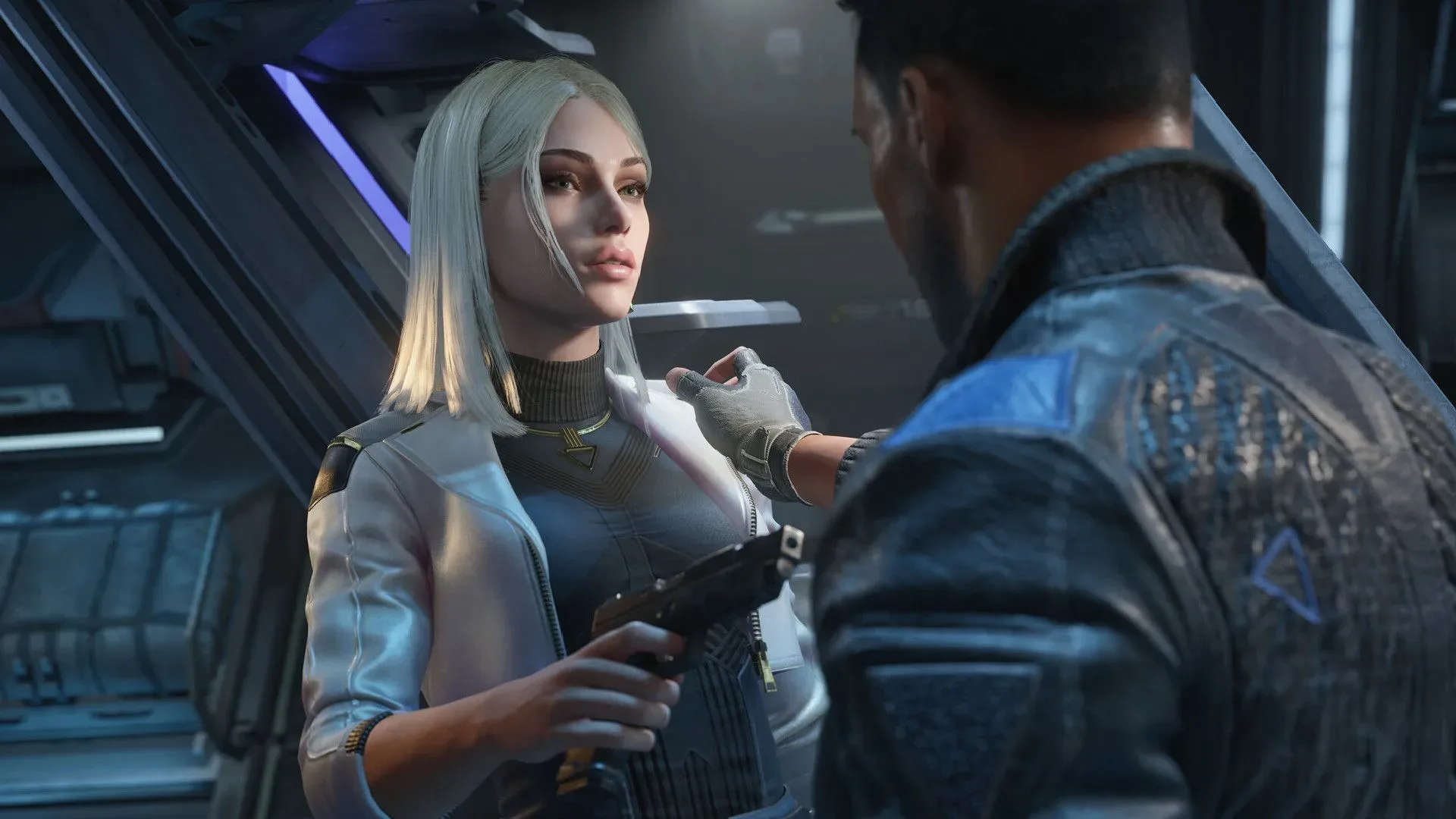
The most immediately recognizable connection is Star Wars: Fate of the Old Republic, an action RPG in development at Arcanaut Studios. Casey Hudson, director of the original Mass Effect trilogy, is working on the game, while the studio includes several BioWare veterans. The project was announced at the previous year’s Game Awards.
Its title alone invites comparison to BioWare’s earlier Star Wars work, but players should be careful not to assume that shared personnel means a return to a specific structure, combat model or release approach. What is established is more limited: it is an action RPG, Hudson is involved, and Arcanaut has former BioWare staff. Those are meaningful connections, but not a substitute for detailed information about the game itself.
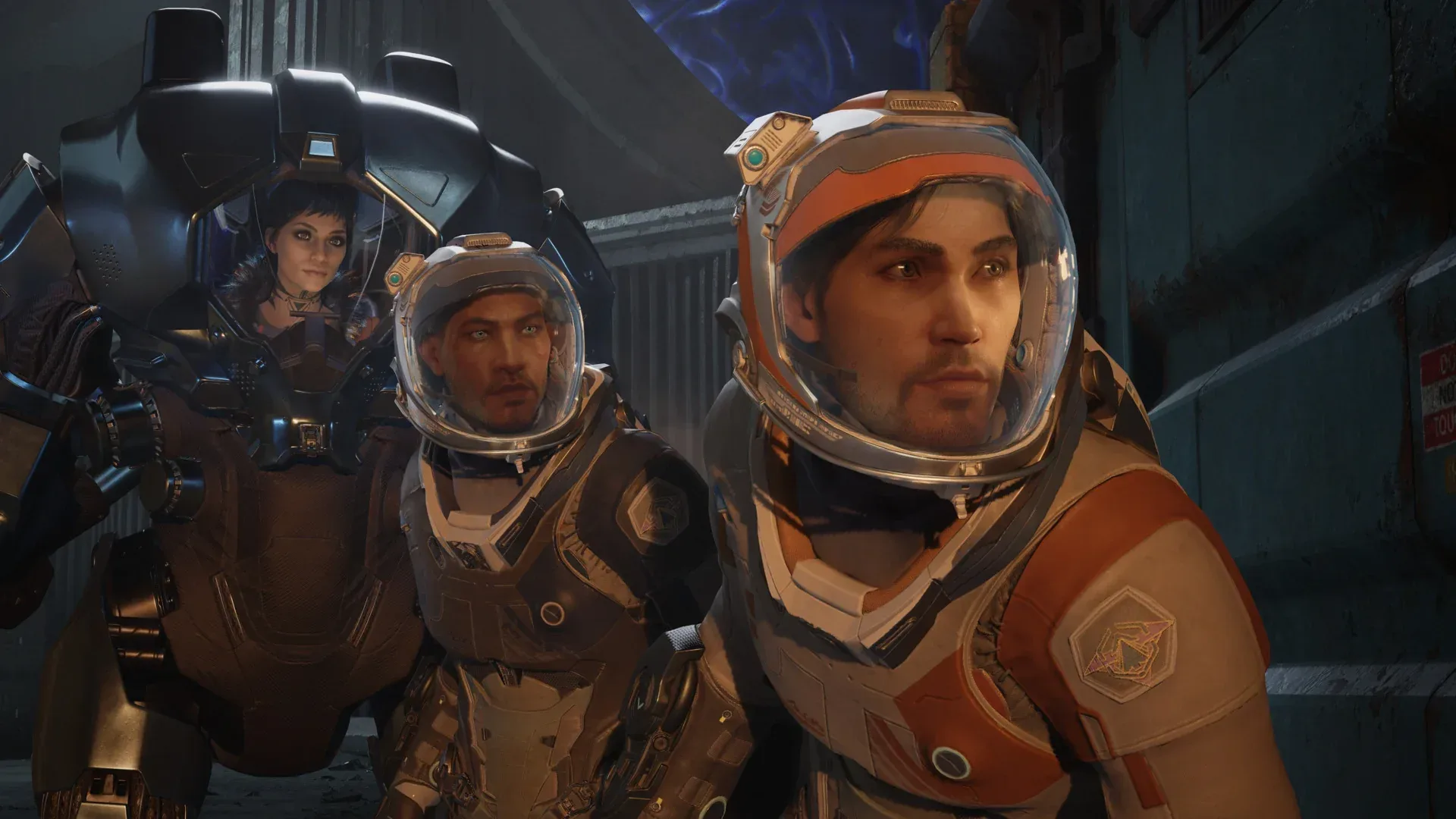
Exodus is another major science-fiction project with a direct alumni foundation. Archetype Entertainment was founded by James Ohlen, Chad Robertson and Drew Karpyshyn, all formerly of BioWare, and its shooter RPG is scheduled for April 7. “Shooter RPG” is useful genre shorthand: it points to a game where shooting is central to moment-to-moment play, while RPG systems generally refer to elements such as character progression, player builds, choices or other persistent development. The available description confirms the broad blend, not the exact balance of those elements.
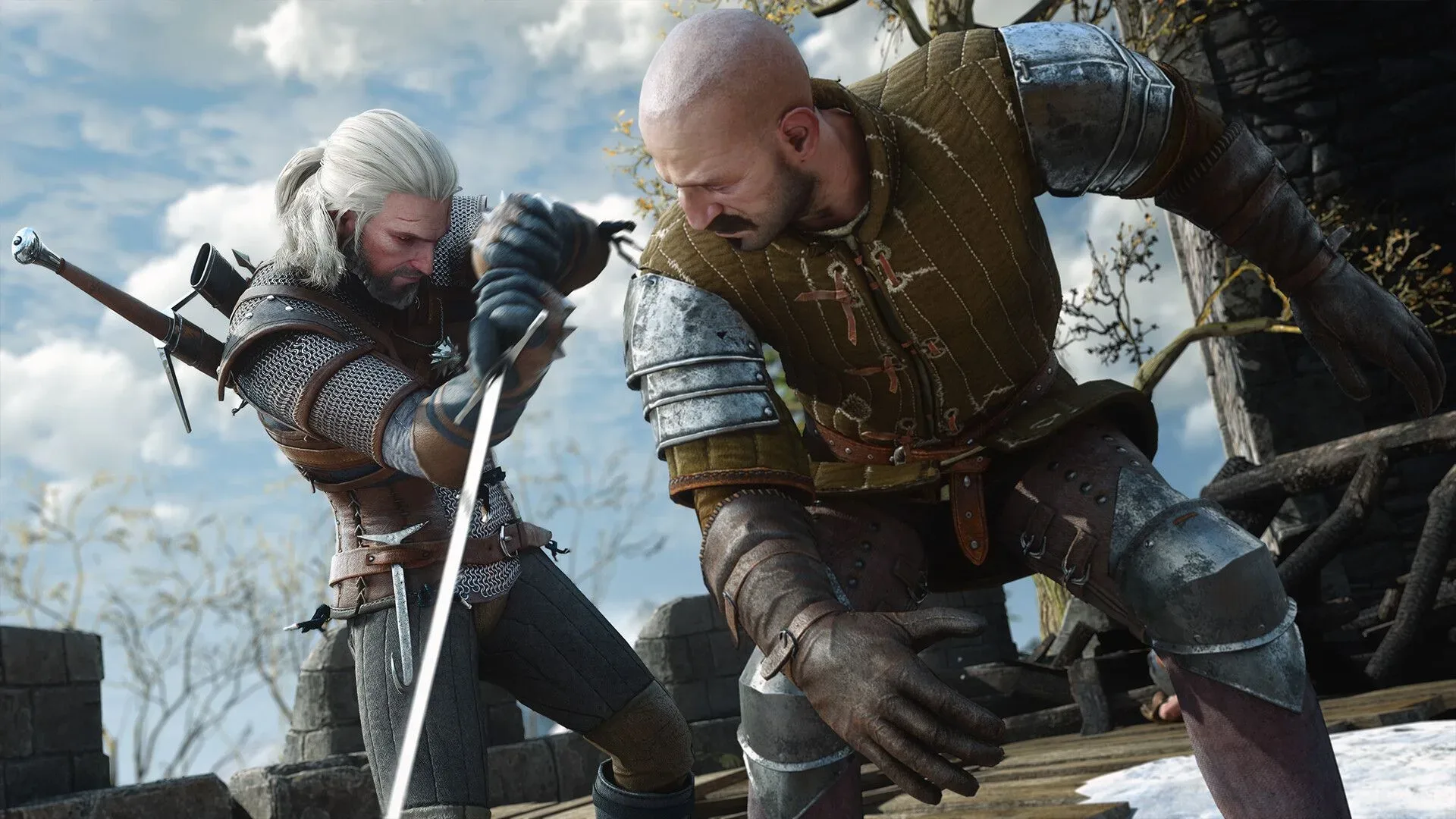
Elsewhere, Owlcat Studios is creating The Expanse: Osiris Reborn, an action RPG set in the Expanse universe. David Gaider, who led writing on the first three Dragon Age games, has confirmed that he assisted with narrative work. That is a narrower credit than leading a game’s entire story team, yet it is still a significant link for players interested in where experienced RPG writers are contributing next.
Threads of Time offers a different RPG direction. Andrew Oatway, formerly a business intelligence developer at BioWare, is its principal game designer. The game is described as a turn-based RPG, meaning combat proceeds through discrete turns rather than continuous real-time action. It is also a useful example of how a studio legacy reaches beyond the most publicly visible creative roles: analytics, systems and operational experience can shape games in ways audiences rarely see in a trailer.
Narrative talent is showing up in unexpected places
For players who associate BioWare most strongly with companion scenes, choices and branching conversations, the alumni projects are not confined to traditional fantasy or space RPGs.
Related coverage includes BioWare's Legacy Continues Through a Wide Range of New Games and Stories.
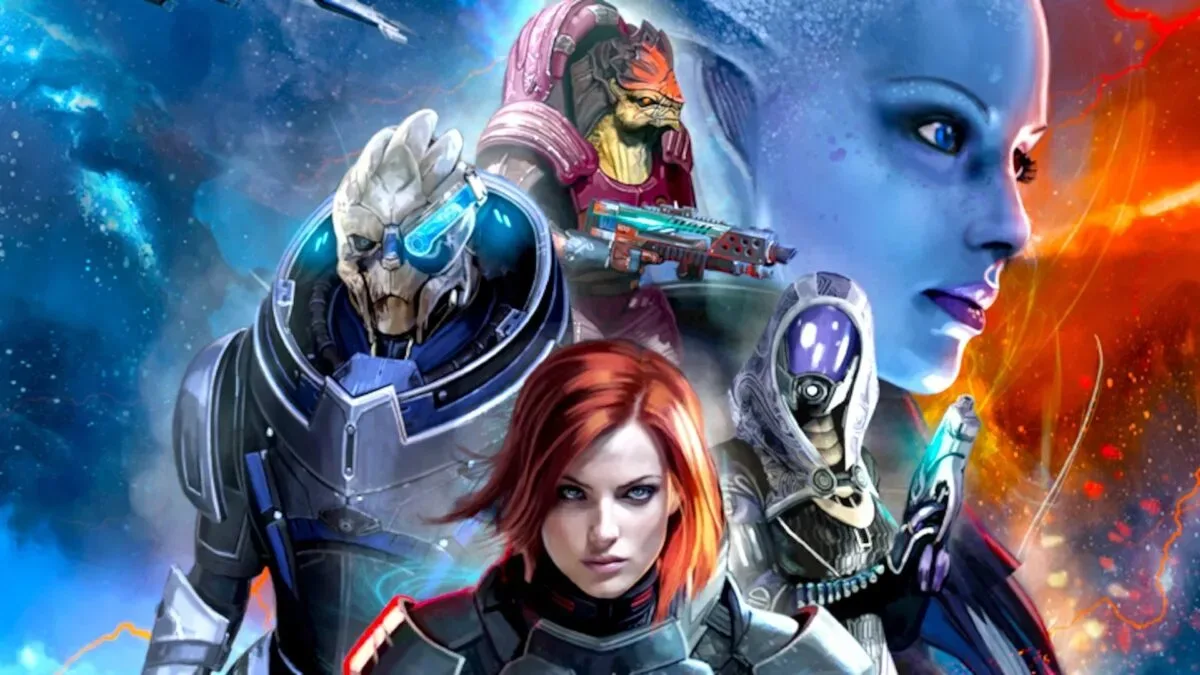
Trick Weekes, a writer on the Mass Effect trilogy and the latter two Dragon Age games, is writing for Among Us Story: On Guard. It is an upcoming narrative adventure set in Innersloth’s social-deduction series. Social deduction is the broad category built around hidden roles, suspicion and players trying to determine who is working against the group. A narrative adventure set in that world suggests a different framing from the multiplayer party game, though further specifics about its structure have not been established here.
The Eventide, Studio Reset’s debut project, is a supernatural mystery built around investigations whose discoveries can be affected by player choices. Studio Reset is made up of BioWare veterans. The premise puts emphasis on the investigation itself rather than merely selecting a dialogue outcome: choices may change what a player actually finds. That distinction could matter to mystery-game fans, because it suggests information gathering is part of the decision-making loop.
Camera Anima is a point-and-click visual novel in development at EXP-resso Mutt. Its story follows a woman attempting to save her twin from a soul-stealing automaton. Domini Gee, who worked with support studio Keywords Studios on Dragon Age: The Veilguard, is part of the team. A point-and-click visual novel generally emphasizes interaction with scenes, objects and dialogue while presenting story through text and visuals; it is far removed from a party-based blockbuster RPG, but it remains an especially direct route for character- and premise-driven storytelling.
Chris Hepler, whose credits include writing on Star Wars: The Old Republic, Mass Effect 2 and Mass Effect 3, is working on Hunter: The Reckoning – Deathwish, a World of Darkness RPG. The move from video-game writing to a tabletop RPG property illustrates a straightforward truth about creative careers: narrative experience is portable, even when the rules, formats and audiences differ.
That wider movement is worth keeping in mind when watching where established developers land. Recent industry hiring stories, including a writer joining a multiplayer-focused Witcher project, show how creative expertise continues to circulate among studios and formats rather than remaining attached to one franchise forever.
Not every successor project is a game
North Mist Studios, an indie team made up of BioWare veterans, is rolling out The Concierge, an audio drama about near-future Canadian spies and assassins. It is available through podcast platforms. The format matters: an audio drama has no combat system, player build or input loop to carry the story. It must rely on performances, sound design, pacing and writing to establish place and tension. For audiences following particular developers rather than only particular game genres, that makes it a legitimate part of the broader post-studio landscape.
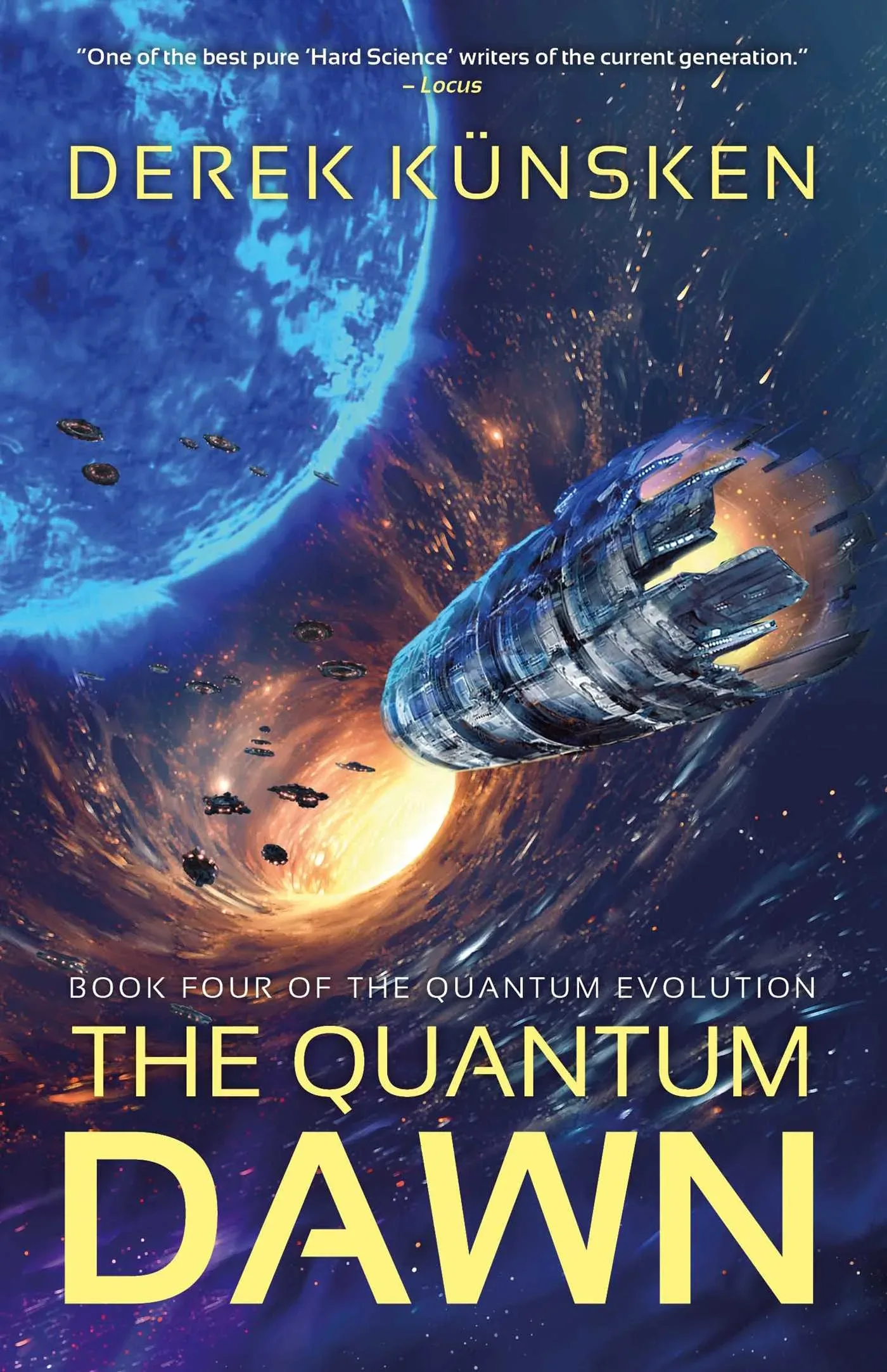
There is also a literary branch. Derek Kunsken, who worked on the now-cancelled Mass Effect: Universe, has released The Quantum Dawn, the fourth book in the Quantum Evolution series. Its inclusion broadens the picture beyond game development without overstating a direct connection: Kunsken’s prior work on the cancelled project is the relevant tie, while the new book stands as a separate science-fiction release.
Genres that do not fit the old expectations
Some of the most interesting projects on the list are the ones least likely to be summarized as “the next BioWare-like game.” Spirit Crossing, shown during last month’s Indie World presentation, is a cozy MMO with Emily C. Taylor on the team. Taylor previously served as a senior designer on Anthem and lead designer on Dragon Age: The Veilguard.
MMO means massively multiplayer online game: a game designed around a shared online world or large-scale online population. “Cozy,” meanwhile, signals a calmer intended mood rather than a technical category. Putting those ideas together makes Spirit Crossing a notable contrast to the high-stakes science-fiction and fantasy stories most often associated with the studio’s past.
Then there is Project D, Half Mermaid’s upcoming horror title. Jon Renish, who left BioWare in 2023 as technical director, is working on it. Many details remain redacted in public listings, so horror is the clearest supported description at present. That uncertainty is part of the story: it is reasonable to track Renish’s involvement, but not reasonable to fill the gaps with assumptions about its setting, gameplay or eventual scope.
Dogs Playing Dead is a solo project from Tobyn Manthorpe, an artist and art manager at BioWare from 1997 to 2007. It is described as equal parts board game, arcade game and third-person shooter. That is a deliberately unusual mix. A third-person shooter typically frames action from a camera behind or near the player character, while board-game and arcade influences can imply very different rules, pacing and presentation. The description establishes a hybrid ambition, not how those elements will ultimately combine.
New studios, less public detail
Some alumni efforts are still deliberately opaque. Broadcast Games, co-founded by former BioWare cinematic designer Ken Thain, is working on what it calls “friendslop” games. The label has not been defined further here, so it is best treated as the team’s own broad description rather than a settled genre.
Iron Goblin is making a cooperative RPG centered on creative expression, player storytelling and a social fantasy setting. Cooperative RPGs are designed for people to play together, but the studio’s stated emphasis adds a useful qualifier: its goal is not only shared combat or progression, but giving players tools to express themselves and create stories within that world.
What this slate does—and does not—mean
It would be easy to frame every one of these projects as an attempt to replace BioWare. That would flatten both the people involved and the work they are making. A former technical director joining a horror game, an experienced writer assisting an adaptation, and a team launching an audio drama are not all pursuing the same creative objective. Nor do past credits guarantee that a future project will resemble the game on which those credits were earned.
The more useful takeaway is practical. Fans looking for particular kinds of work can follow the details that actually matter to them: Hudson’s involvement with a new Star Wars action RPG; the founders behind Exodus; Gaider’s narrative contribution to Osiris Reborn; Weekes’ work on Among Us Story: On Guard; Taylor’s role on Spirit Crossing; or the veteran composition of Studio Reset and North Mist Studios. Each is a different signal, and none requires pretending that every project is part of one shared sequel path.
BioWare’s closure is a loss for the people affected and for a studio with a long history. The work now visible from its alumni does not erase that. It does, however, show that the experience accumulated across those 31 years is continuing to surface in new settings: star systems, investigations, podcasts, tabletops, cozy online communities, horror projects and stories still waiting for fuller reveals.