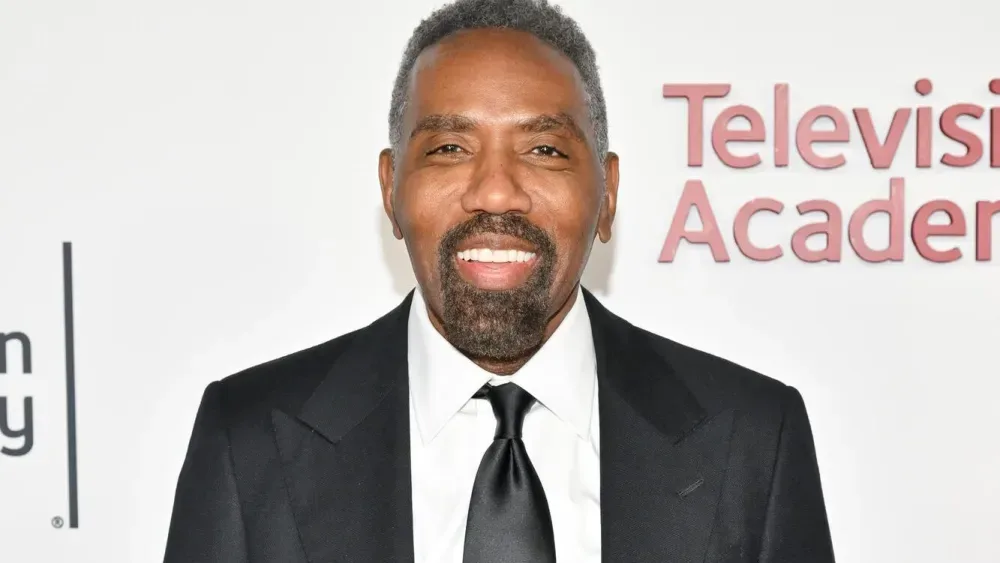
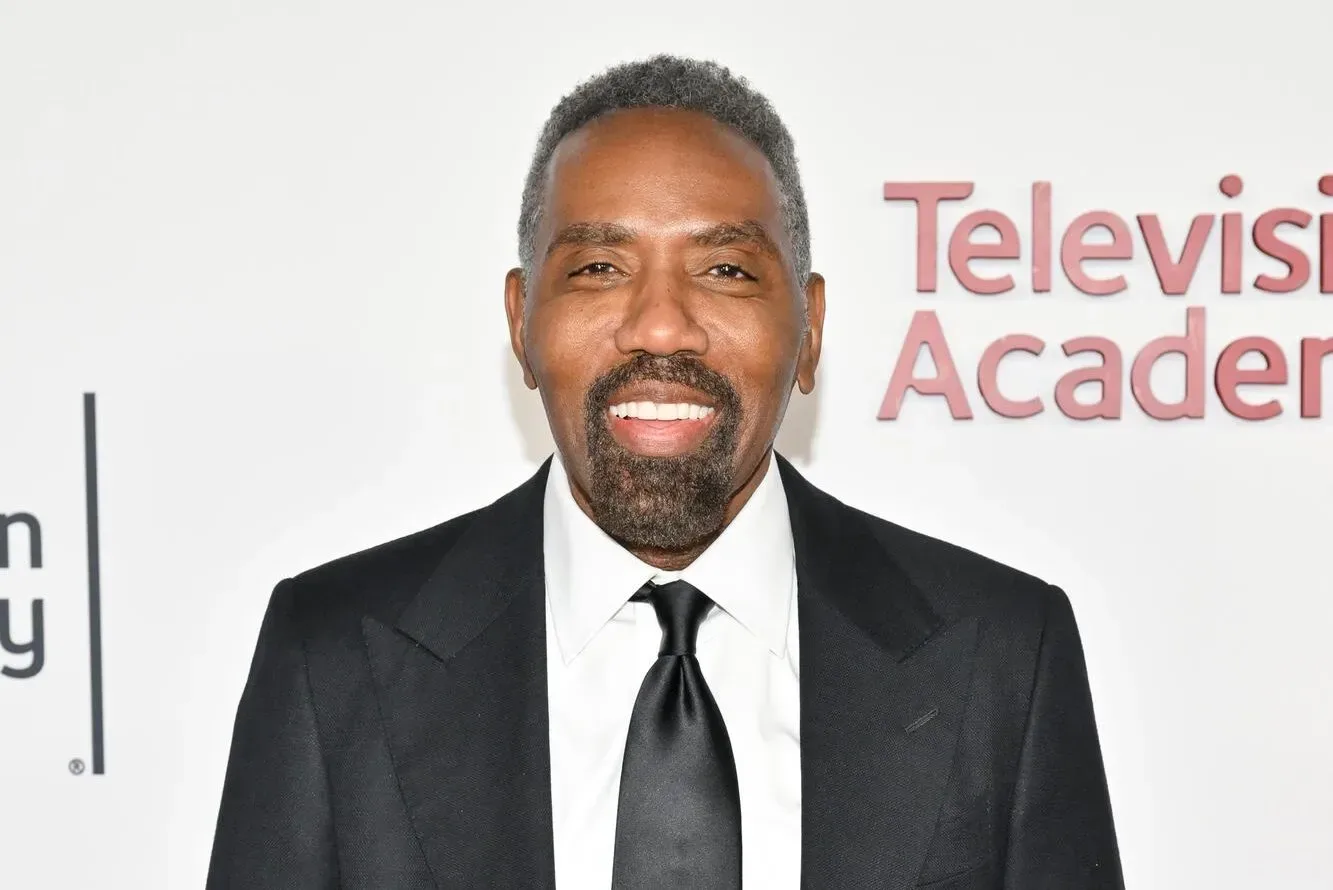
Louis Carr, president of BET Media Group, will leave the company on December 31, closing a 40-year run with the brand. BET has not named a replacement, and George Cheeks, co-chair and chief content officer for Skydance TV, said more information on BET’s leadership and structure will be shared later.
Carr moved into the president role last December following the departure of former president and CEO Scott Mills. Before that elevation, he was BET’s president of media sales, a job he continued to hold alongside the presidency. His tenure therefore spanned both the commercial side of the business—building relationships with advertisers and brands—and the broader task of steering BET’s programming, cultural position and growth strategy.
“For 40 years, I have had one of the best jobs in the media and entertainment industry,” Carr told staff, describing BET’s mission to uplift and empower the Black community as an honor he would not forget.
In the same message, Carr said his decision had been difficult and that recent events in the community and the country had led him to “chart a new path.” He will remain in place through the end of 2026, giving BET a defined transition period but leaving the identity and remit of the next leader unresolved.
A leadership departure with questions still open
The immediate headline is straightforward: BET needs a new president. The more meaningful unanswered question is what the next leadership structure will be. Cheeks’ note did not say whether Carr’s responsibilities will be filled by one executive, divided among several leaders, or folded into a revised corporate arrangement.
That distinction matters because Carr’s position combined two especially consequential areas. Media sales is the business of selling advertising and sponsorship opportunities around a network’s programming and audience. A president, meanwhile, typically oversees a wider mix of brand direction, content priorities, partnerships and operations. Keeping both responsibilities under Carr linked revenue conversations directly to BET’s larger cultural and programming agenda.
BET’s next structure could preserve that approach or separate it. There is no announced answer yet, so it would be premature to treat either outcome as decided. What is clear is that Carr’s successor—or successors—will inherit a brand that BET says has recently worked to sharpen its positioning and broaden the range of ways it reaches audiences.
The transition also arrives amid major corporate change. Scott Mills’ departure followed Skydance Media’s acquisition of Paramount Global. Carr’s exit now follows the Skydance merger involving Paramount and Warner Bros. Those developments provide the backdrop to the leadership changes, but neither the company nor Carr has presented the corporate transactions as a stated reason for his departure.
What Carr says BET accomplished in 2026
In his farewell note, Carr highlighted a series of initiatives and results from 2026. He said the team delivered BET’s highest television and digital ratings since 2019, including the 2026 BET Awards hosted by Druski. Ratings are measurements of audience viewing or engagement; in this context, the claim covers both traditional TV and BET’s digital reach.
He also cited the return of the Soul Train Awards after a three-year hiatus and the relaunch of ComicView. Both moves point to an effort to reactivate recognizable BET properties while also pursuing newer formats and creator partnerships.
- Relationships were expanded with Black creators and entertainment figures including Kev on Stage, Nick Cannon, Jason Lee, Manny Halley, Desmond Scott, Chris “CP” Powell, Ice Cube’s BIG3, Kevin Frazier and Stephen A. Smith in connection with HBCU Basketball.
- Multiplatform partnerships with creators including Tyler Perry and Ms. Pat were cited as part of expanding the global reach of Black content.
- BET entered a new content sector with microdramas.
- The company launched “Get Your Mind Right,” a social-impact campaign focused on mental health.
- Carr said BET created a new programming-spend model intended to better align content investment with potential ratings.
Microdramas are short-form dramatic stories designed for quick viewing, often suited to mobile and social platforms. Carr did not provide details on the individual projects or their format, but the initiative signals a move beyond conventional television scheduling toward content made for audiences across multiple platforms.
The programming-spend model deserves particular attention because it is a practical business issue, not merely corporate language. Programming spend is the money allocated to developing, producing, acquiring or otherwise supporting content. Aligning that spending with “potential ratings,” as Carr described it, means trying to match a project’s expected audience performance with the level of investment behind it. The memo does not disclose the model’s criteria, budget, or outcomes, but the stated goal is greater efficiency while maintaining programming that can deliver viewers.
“Something You Can Believe In” and BET’s audience relationship
Carr said BET established the brand positioning “Something You Can Believe In.” Brand positioning is the concise idea an organization wants audiences, partners and advertisers to associate with it. Here, BET frames that idea around trust, purpose and cultural connection.
He also said BET established a Board of Advisors to inform its direction and help ensure the community’s voices and perspectives remained part of the conversation. The announcement did not identify board members or lay out its formal powers, so its practical role remains unspecified. Still, the reasoning Carr described is clear: BET wants its future direction to be informed by perspectives connected to the audience and cultural space it serves.
That audience relationship was a central theme in both Carr’s message and Cheeks’ response. Cheeks credited Carr with shaping BET’s brand, business and connection to Black audiences and culture, as well as creating renewed momentum during his time as president. He also said BET remains an iconic brand with an important role in the industry and that the company is committed to its future.
For viewers, creators and brand partners, the practical takeaway is continuity for now. Carr remains through year-end, and BET’s stated commitments to its mission, legacy and growth remain in place. The uncertainty lies in the longer-term details: who leads next, how that leadership is organized, and which of the recent programming and platform strategies become enduring priorities.
A four-decade career across advertising, culture and talent development
Although his latest role carried the title of president, Carr’s career at BET is also closely tied to advertising. In his note, he said BET helped transform the multicultural advertising landscape, deepen relationships with major brands and demonstrate the influence and purchasing power of Black consumers. In simple terms, this means making the case that advertisers should understand, respect and invest in Black audiences rather than treating them as an afterthought.
That work has implications beyond ad sales. Advertising partnerships help finance media businesses, but Carr’s description connects the commercial function to representation, creator opportunity and community investment. He said BET served as a launching pad for Black creators and that the company worked to help businesses understand the communities they seek to reach.
A broader shift toward content being distributed across several services and formats makes those relationships more important, not less. BET’s emphasis on creator partnerships, short-form dramatic content and digital ratings reflects a media environment in which a television network is not defined only by its linear channel. For another view of how distribution platforms are changing, see our coverage of the Apple TV app’s planned video podcasts hub.
Outside BET, Carr founded the Louis Carr Internship Foundation, which supports diversity in corporate America through paid internships. He is also the author of Dirty Little Secrets and Little Black Book: Daily Motivations for Business and Personal Growth.
His industry recognition includes induction into the Advertising Hall of Fame in 2023 and the Chicago Advertising Federation Silver Medal Award. In his staff message, Carr also pointed to five Lifetime Achievement Awards, more than 14 community awards, board service with the International Radio and Television Society, the Advertising Council and the American Advertising Federation, and his status as the longest-serving board member of the Video Advertising Bureau.
What happens next for BET
The official timetable is limited but definite. Carr’s final day is December 31. Until then, he will remain with BET, and the company says further details about its leadership and structure are coming.
Nothing in the announcement identifies a successor, a search process, or a new programming plan. It likewise does not alter the status of the projects and initiatives Carr listed. The sensible reading is not that BET’s current work has been abandoned, but that a consequential handoff is underway at a moment when the company is emphasizing ratings momentum, franchise revivals, creator relationships, new digital formats and a mission-led cultural identity.
Carr leaves with a record that spans 40 years at BET and a final year defined by a push to reinforce the brand’s connection to Black audiences. The next announcement will determine who is charged with carrying that work forward—and whether the company’s post-transition organization looks much like the model Carr led or takes a new shape.