Best Buy has put dates around its holiday promotional calendar, beginning with a Halloween-adjacent event on Friday, October 30 and continuing through a final savings period scheduled for December 18 through December 24. For players looking at games, Nintendo Switch 2 accessories, televisions or other living-room technology, the useful news is not a promise that every item will reach its best price at once. It is that the retailer plans several distinct shopping windows rather than one all-or-nothing Black Friday event.
The first promotion is called DoorBOOsters, a seasonal name for doorbuster-style offers arriving the day before Halloween. Best Buy says additional select-tech doorbusters will drop weekly during the holiday season. Its formal Black Friday sale is then due to begin on Thursday, November 19 and continue through Saturday, November 28. Cyber Monday promotions follow from Sunday, November 29 through Monday, November 30, while the final December event is positioned as last-minute savings rather than another named Black Friday extension.
The sale schedule at a glance
- October 30: DoorBOOsters begin, with further select-tech doorbusters planned weekly.
- November 19–28: Black Friday sale window.
- November 29–30: Cyber Monday deals.
- December 18–24: Last-minute savings period.
Those dates matter because “Black Friday deal” has become an increasingly broad label. Here, it describes a promotion spanning ten calendar days, while October and late December have their own advertised discount periods. A buyer deciding whether to pick up a game-night TV, replace an accessory or shop for a gift therefore has more than one checkpoint. The calendar does not establish that a product discounted in October will repeat at the same price in November, or that every deal will be available online, in stores, or for the whole duration. It simply confirms the retailer’s planned windows.
What is available before the main event
Several deals are already available to all customers ahead of DoorBOOsters and Black Friday, with no My Best Buy Plus or My Best Buy Total membership required. The currently identified categories include Apple products such as iPad, AirTag and Apple Watch; horror video games at up to 40% off; select Nintendo Switch 2 accessories; smart TVs starting at $69.99; and Ring products at up to 55% off.
For gaming audiences, the horror-game offer is the clearest seasonal match. Halloween is a natural time to make room in the backlog for survival horror, psychological horror, or anything with the good sense to make a hallway feel professionally hostile. But “up to 40% off” is a ceiling, not a universal discount: it means some qualifying games may receive smaller reductions. The information provided does not name the included titles, platforms, editions or exact prices. Shoppers should treat it as a category-wide prompt to check a specific game, not proof that a particular release is participating.
The same restraint applies to Switch 2 accessories. Best Buy has said that select accessories are on sale, but has not specified which ones. A controller, case, charging product, storage option, headset or other peripheral may have very different practical value depending on how a household plays. “Select” is doing important work in that sentence. It signals a limited assortment, rather than a blanket price cut across all accessories for the platform.
Televisions also belong in the gaming conversation even when the promotion is filed under consumer electronics. A smart TV’s advertised starting price says something about the floor of the promotion, not necessarily about the display features a console player may want. Shoppers comparing TVs should distinguish a low entry price from the specifications that matter to their own setup. The sale information provided does not list panel type, resolution, refresh rate, inputs, screen size, or gaming features for any of the $69.99-and-up models, so none of those details should be assumed from the headline number.
Doorbusters: useful term, limited guarantee
A doorbuster is a limited promotional offer intended to draw shoppers in during a sale period. In this case, Best Buy has said DoorBOOsters will launch October 30 and that select technology doorbusters will arrive each week during the wider holiday season. The retailer has not provided a complete list of those weekly products in the available details.
That makes the practical approach simple: identify the exact product before the promotion rather than shopping only the event name. The useful comparison is between the model number, included accessories, storage capacity or edition, and the final price—not between two vague labels saying “deal.” This is especially relevant to gaming hardware and peripherals, where similar-looking products can differ in compatibility or included extras. A Switch 2 accessory deal is only meaningful if it fits the accessory a buyer actually needs.
It is also worth separating a scheduled offer from an urgent need. A discounted smart TV may be attractive for a new console corner, but a shopper who primarily needs a spare controller may be better served by watching the accessory category. Conversely, someone already planning a television purchase can use the holiday timeline to avoid treating one early promotional tag as the only chance to compare options. Best Buy has explicitly mapped further events through December 24.
Membership rewards are an extra layer, not the entry ticket
Best Buy says My Best Buy Plus and My Best Buy Total members can expect added rewards on select doorbusters during the season. The wording is narrow in two ways. First, it refers to select doorbusters, so the extra rewards are not described as universal. Second, it says “added rewards,” rather than announcing a separate price for every member on every product.
Meanwhile, the deals currently highlighted ahead of the events are available to all customers and do not require either membership. That distinction gives non-members a clear reason to check the early offers rather than assuming holiday promotions are restricted behind a program tier. It also means members should determine whether a particular doorbuster qualifies for the added reward before counting it in their value calculation. The announcement does not specify the reward format, value, redemption rules or eligible items.
A practical way to use the calendar
- Make a specific list. Write down the game, accessory, TV or tech item you actually intend to buy. Broad categories such as “Apple products” and “horror games” are not product lists.
- Check the early offers if the item is already eligible. The current promotions are open to everyone, and waiting only makes sense if the buyer is comfortable with the uncertainty of a later deal.
- Watch the weekly DoorBOOster drops. Best Buy has indicated that select tech doorbusters will appear weekly, but it has not named them in advance.
- Use November 19–28 as the main comparison window. The Black Friday event lasts beyond the traditional one-day framing, so it creates time to evaluate a listed offer against the item’s actual needs.
- Do not confuse Cyber Monday with a guaranteed repeat. It is a separate November 29–30 promotion window, not a stated extension of every Black Friday price.
- Leave December 18–24 for genuine late needs. That period is advertised as last-minute savings, which can be helpful for gifts but does not tell buyers which categories or products will be discounted.
There is a broader game-shopping lesson in the schedule: price percentages and event branding are starting points, not purchase decisions. A 40% reduction is meaningful only after confirming the game, platform and edition. A low TV starting price is meaningful only after the shopper sees the actual model’s specifications. And an added membership reward has value only if the relevant doorbuster qualifies and the reward terms fit the purchase.
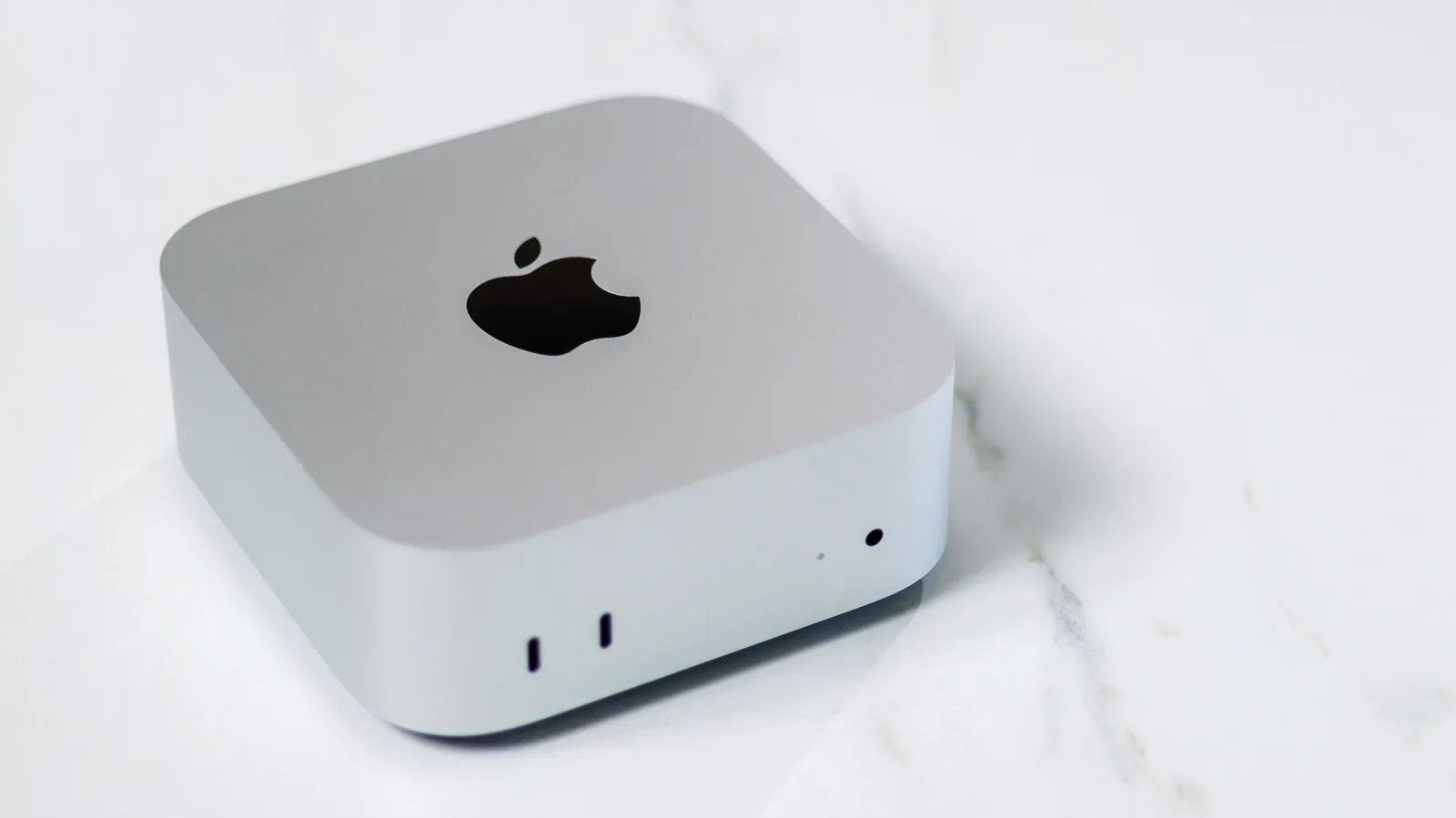
For people putting together a desk or streaming setup rather than a living-room console station, Apple deals may also be relevant, though the announced list provides no item-by-item pricing. Readers weighing desktop hardware choices can also explore why a desktop Mac may make more sense for desk-bound players and creators. That comparison is separate from this retailer calendar, but it illustrates why a product’s role in a setup should come before a sale badge.
What has not been announced
The schedule provides dates and broad categories, but it does not establish exact Black Friday or Cyber Monday discounts, a full DoorBOOster lineup, specific game titles, detailed Switch 2 accessory eligibility, stock levels, or terms for the membership rewards. It also does not say whether any current offer will continue into a later phase. Those omissions are normal for an early holiday outline, but they set the boundary for what shoppers can confidently plan around now.
Best Buy’s confirmed structure is still useful: Halloween starts the promotional run, November contains the main Black Friday and Cyber Monday windows, and December retains a final shopping period. For players, the immediate categories to monitor are horror games, select Switch 2 accessories and TVs, with the sensible caveat that the exact product—not the spooky pun—should decide whether a deal is worth taking.