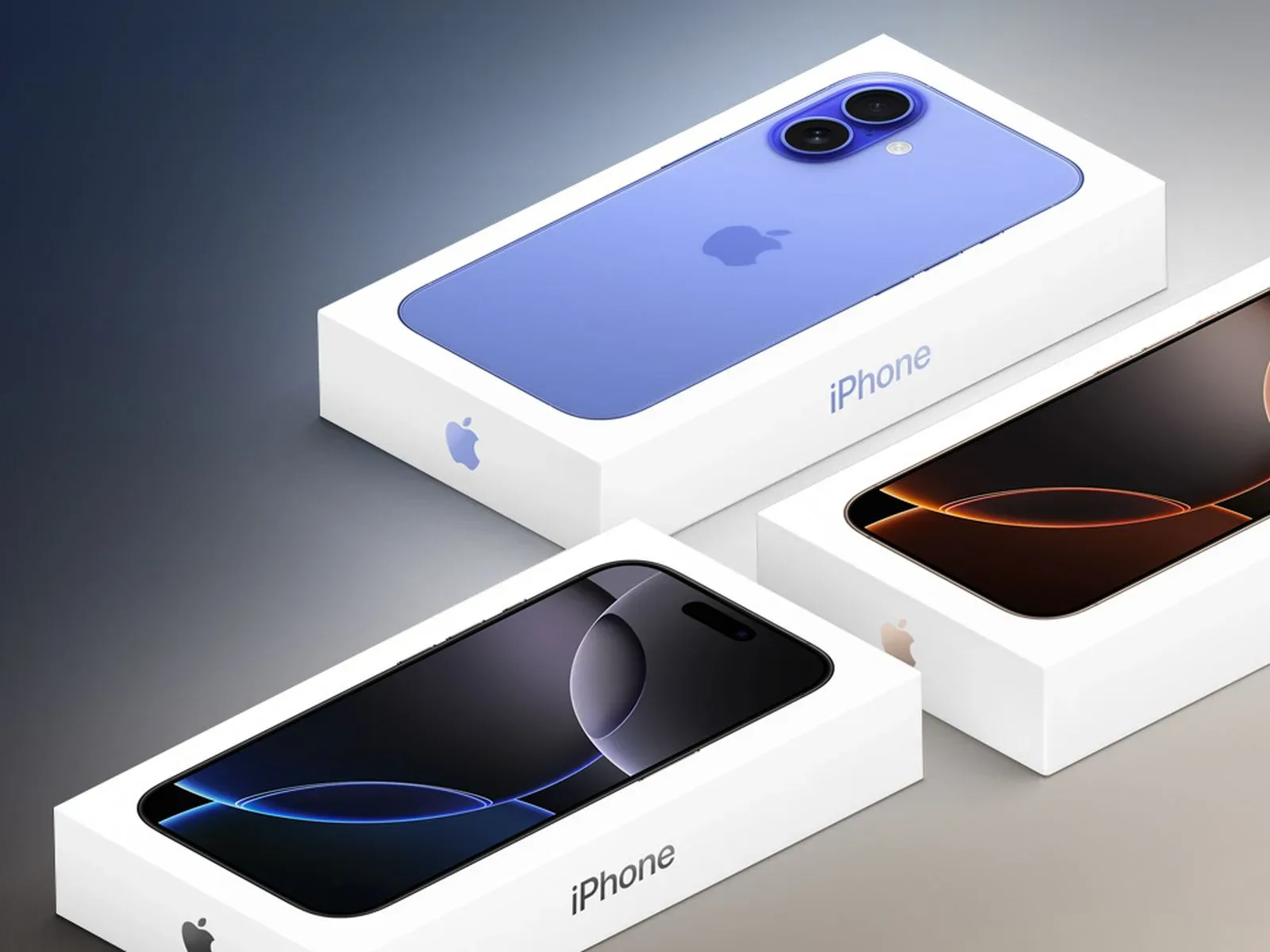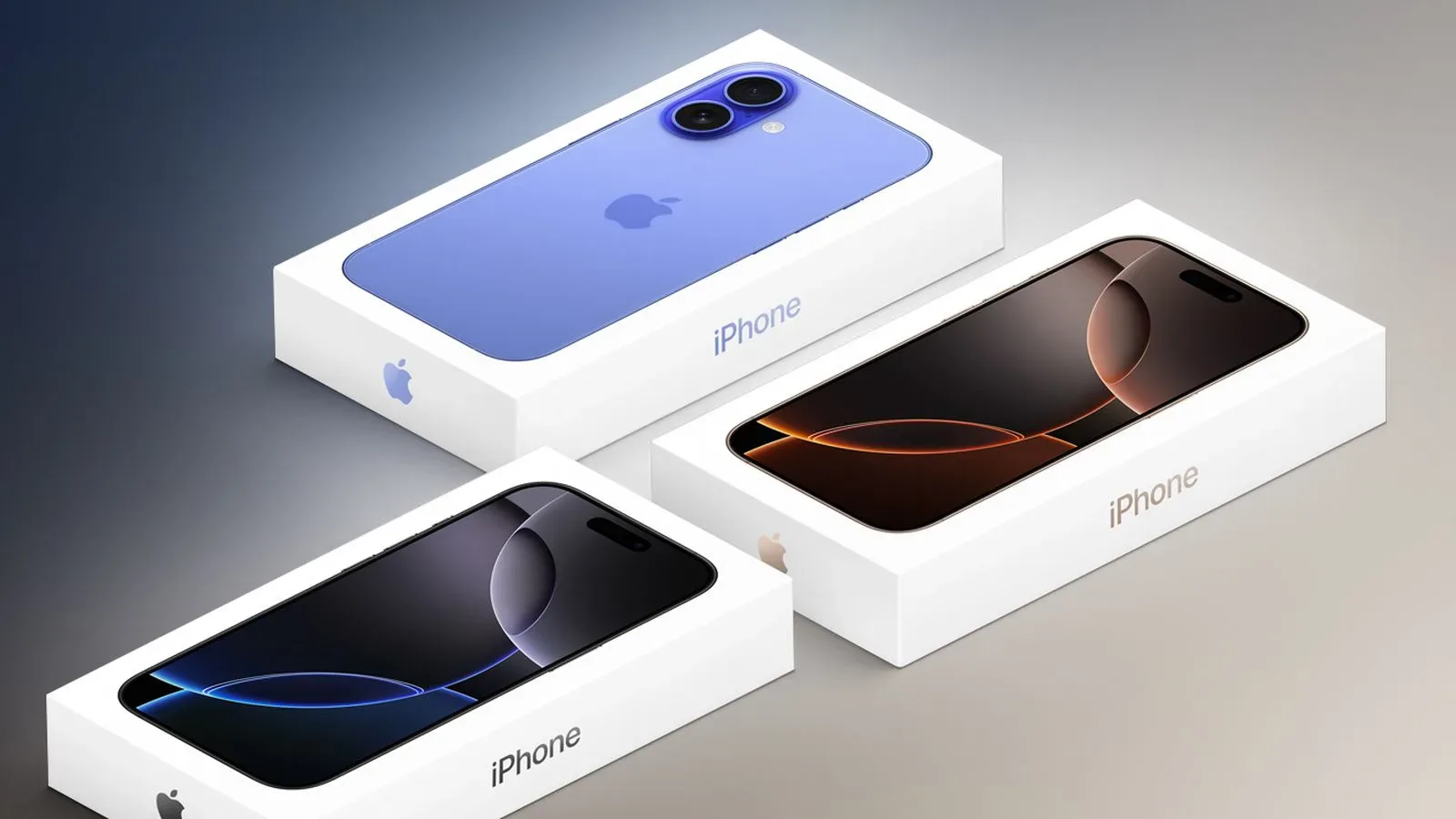
Returning an iPhone box with something important missing may soon face a more formidable opponent than a quick look from behind a retail counter: a diagnostic scanner designed to check the handset while the package remains sealed.
Apple has reportedly begun supplying retail employees with a device that can scan an in-box iPhone, run diagnostics and verify that the phone is fully intact. The stated advantage is practical rather than flashy. If the package and device check out, the sealed box can potentially go back into inventory instead of being opened for a manual inspection.
The system is reportedly being rolled out to stores this month. It arrives amid a growing retail problem involving returns in which customers may remove accessories, take components from the phone, or remove the device itself, then attempt to return the box in the hope that the issue is missed. In other words: the box may look factory-fresh, but the contents can be on a side quest.
What the reported scanner is meant to change
For iPhone returns, staff have ordinarily been instructed to open a returned box and inspect what is inside. That makes sense as a basic safeguard: a sealed-looking package alone cannot prove that its accessories, internal components and phone are present.
The new tool reportedly changes the process by allowing a scan of an in-box iPhone. The device then runs diagnostics intended to establish whether the handset is present and fully intact, without breaking the seal. “Diagnostics” generally means a set of technical checks used to identify whether a device is detected and whether expected hardware is in a valid state. The report does not specify the scanner’s hardware, the exact tests it performs, or whether it is used for every iPhone return. Those details should not be assumed.
What is clear is the desired outcome: fewer boxes opened simply to verify a return, and fewer units that cannot be returned directly to sellable inventory because their packaging has been unsealed during the inspection process.
The central idea is simple: verify what is in the box before turning a potentially resellable package into an opened one.
Why sealed packaging matters to inventory
In retail, an intact package is not merely presentation. It can determine how easily an item can be restocked and sold. Opening a box to inspect it may be necessary for fraud prevention, but it also changes the condition of the package. A retailer then has to determine the appropriate path for that unit, rather than treating it like an untouched item.
That is why the reported system is notable even though it is not a consumer-facing iPhone feature. It targets an operational tension: staff need to scrutinize returns, while the retailer wants legitimate, intact items to remain in a condition suitable for inventory. A scanner that can reliably do both has a direct purpose.
There is also an important distinction between verifying a phone and verifying every possible item associated with a purchase. The report says the tool can scan an in-box iPhone and make sure the phone is fully intact. It also describes a broader problem in which accessories or components can be removed. It does not explain precisely how the tool accounts for every accessory, what “fully intact” encompasses in its diagnostic result, or how employees handle exceptions. The reported capability should therefore be understood narrowly: it is intended as a check on the boxed iPhone, not as a publicly detailed map of Apple’s entire returns process.
The fraud problem it is designed to address
Return fraud can be deceptively low-tech. A person may rely on an employee being busy, a package appearing normal, or a check being incomplete. The reported cases involve several variations: removing accessories, opening the device and removing components, or taking the entire phone out before returning the box.
A technical verification step raises the difficulty of that approach. Instead of asking staff to infer the status of a device from packaging and a visual check alone, the system can provide a device-level signal before the box is opened. That does not mean a scanner makes every return dispute disappear. It does mean that the initial question—whether the expected iPhone is present and intact—can potentially be answered with more consistency.
For employees, consistency is a meaningful benefit. Retail return counters move quickly, and a procedure that depends solely on manually opening and examining each package can consume time and leave room for variation. A standardized scan may help create a clearer decision point: pass the check and preserve the sealed box; fail it and investigate further under the store’s existing process.
What shoppers should and should not read into the report
Customers making ordinary, legitimate returns should not confuse this with a change to the iPhone itself. The reported device is for Apple retail employees, not a newly described feature buyers will operate at home. There is no indication in the report that it changes how an iPhone functions after purchase.
Nor does the report establish new return-policy terms. It describes an employee tool and its inventory-preservation purpose, rather than a published change to deadlines, eligibility, fees or customer requirements. Anyone considering a return should continue to follow the terms presented with their purchase and keep all hardware and accessories together. That is sensible housekeeping regardless of the scanner: a complete, well-kept return is easier to assess than a box that looks like it has survived a boss battle.
The development also underscores a less glamorous side of consumer technology. Much attention goes to new hardware, specifications and software releases. Retail systems are less visible, yet they shape whether products can be efficiently inspected, restocked and protected from dishonest returns. Apple’s reported move is a reminder that the experience after checkout can involve its own technical arms race—one fought with diagnostics, inventory controls and a box that may no longer need to be opened just to prove it contains a phone.
A small retail tool with a focused job
The reported rollout is not presented as a new product announcement, and the available details are limited. Still, its purpose is unusually easy to understand. Apple reportedly wants to catch incomplete or tampered returns while avoiding the unnecessary opening of boxes containing valid, intact iPhones.
That makes the scanner a behind-the-scenes solution to a straightforward retail contradiction: return checks have to be thorough, but thorough checks can reduce the resale readiness of a legitimate return. If the tool performs as described, it gives store teams a way to inspect the important part first—the phone—while keeping an eligible package sealed for inventory. For more context on how device ecosystems can create practical trade-offs outside the headline feature list, see our look at AirPods on Samsung Galaxy phones and the Apple-only features that remain.