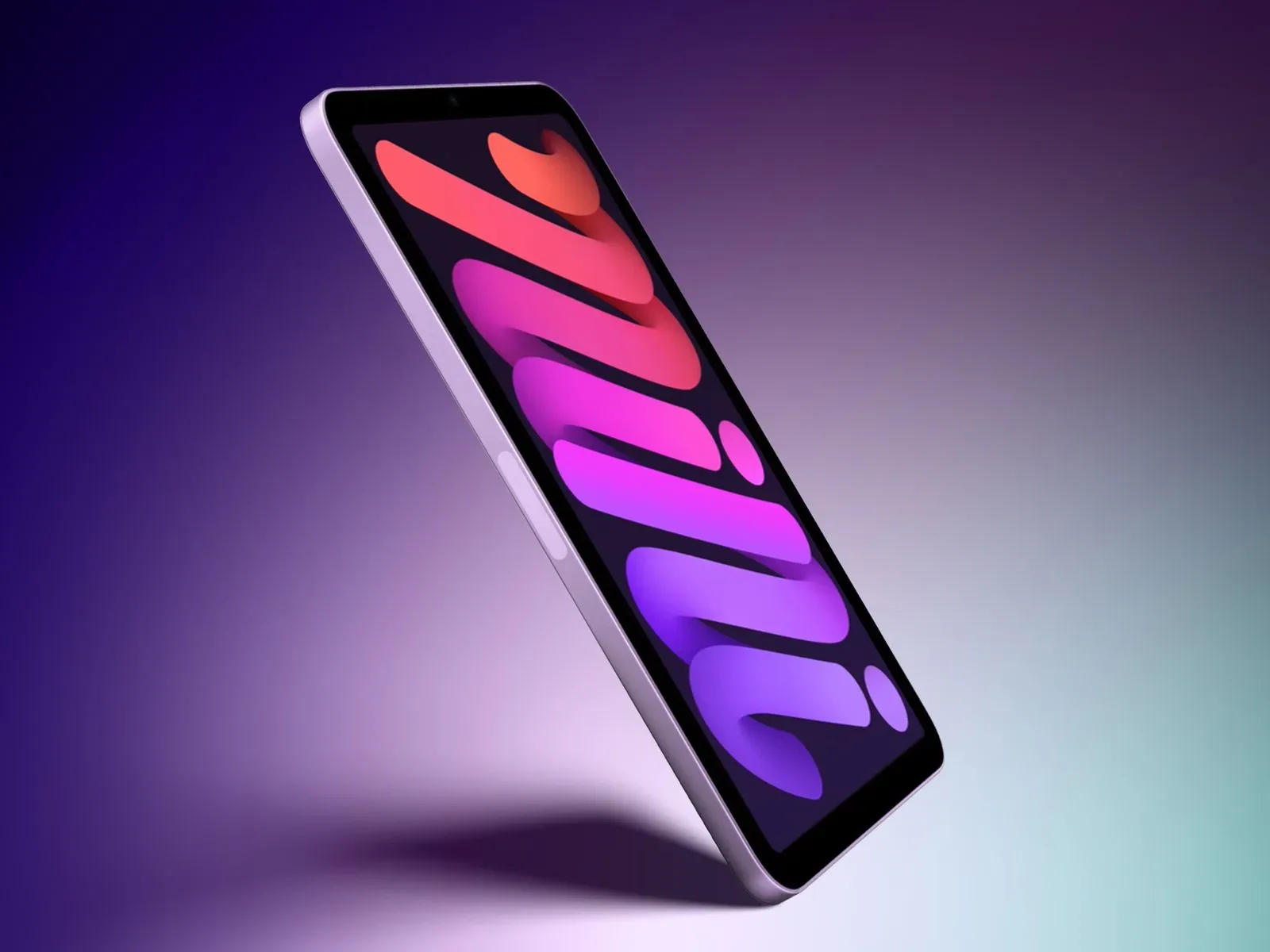
Apple has revised its U.S. trade-in estimates upward for the full iPad family and nearly all of its listed Mac categories. The changes arrive alongside the newly announced iPad mini, with tablet increases ranging from $10 to $20 and Mac increases stretching as high as $365.
The important word in every number is maximum. A listed trade-in value is the top end of the estimate, not a guaranteed offer for every machine that shares a product name. Final value can vary based on the device’s condition, year, and configuration. Still, the update gives owners a clearer sense of the highest credit Apple may offer when putting an older iPad or Mac toward a new purchase—or when converting that credit into an Apple Gift Card.
Revised iPad trade-in maximums
All four listed iPad categories received an increase, though the gains are comparatively small. The standard iPad and iPad mini each gained $20 at the maximum. iPad Air gained $15, while iPad Pro gained $10.
- iPad Pro: up to $915, previously $905
- iPad Air: up to $525, previously $510
- iPad mini: up to $340, previously $320
- iPad: up to $300, previously $280
That makes the iPad mini’s revision particularly timely for people considering the newer model. An owner with a qualifying older mini could see up to $340 applied as credit, though eligibility for that ceiling remains dependent on the exact unit being traded in.
The numbers should not be read as a resale-price chart. A trade-in program is an upgrade-credit route with its own assessment rules, rather than a direct statement of what any device will sell for through other channels. In practical terms, the figure is most useful for someone already considering an eligible new Apple purchase and deciding whether the convenience of trade-in credit suits their plan.
Mac gains are much larger
The Mac adjustments are the bigger story. Apple has raised the listed maximum across MacBook Pro, MacBook Air, Mac mini, Mac Studio, iMac, and Mac Pro. The only listed Mac category without an increase is iMac Pro, which remains capped at $340.
- MacBook Pro: up to $1,435, previously $1,315
- MacBook Air: up to $795, previously $705
- Mac mini: up to $645, previously $620
- Mac Studio: up to $1,700, previously $1,460
- iMac: up to $440, previously $385
- Mac Pro: up to $2,560, previously $2,195
- iMac Pro: unchanged at up to $340
The standout is Mac Pro. Its maximum rose by $365 after previously sitting at $2,195, taking its ceiling to $2,560. Mac Studio follows with a $240 increase, while MacBook Pro and MacBook Air gained $120 and $90 respectively.
A maximum of $2,560 is attention-grabbing, but it also illustrates why configuration matters. “Mac Pro” covers devices whose potential trade-in assessment can differ based on the specific model and setup. The category figure represents the program’s upper bound, rather than a flat amount that every Mac Pro owner should expect.
What the stronger Mac figures mean
Apple’s Mac trade-in ceilings have moved substantially higher over the year. The MacBook Pro maximum has climbed from $690 in May to $1,435 now—more than twice the earlier figure. MacBook Air has risen from $520 in May to $795.
For prospective upgraders, that trend changes the arithmetic even if it does not decide it for them. A trade-in value reduces the amount left to cover on a qualifying new purchase. The revised MacBook Pro ceiling is $120 higher than before, and the revised Mac Studio ceiling is $240 higher. For a buyer who was already prepared to purchase through Apple, those are meaningful differences in the potential offset.
But there is a necessary split between the headline number and an individual device’s likely outcome. The maximum describes a best-case ceiling. Age matters, configuration matters, and condition matters. A machine that is worn, damaged, or otherwise outside the strongest assessment outcome may receive an offer below the category maximum.
Trade-in estimate versus final offer
A trade-in estimate is an initial stated valuation range or ceiling for an eligible product category. A final offer is the value determined for the specific device after its relevant details are considered. The distinction is not merely fine print: it is the difference between “up to $1,435” for a MacBook Pro category and the credit offered for one particular MacBook Pro.
Before treating the maximum as part of an upgrade budget, owners should identify the year and configuration of the device they intend to trade in and consider its condition realistically. The supplied information does not provide a model-by-model value table, so it cannot establish which individual systems reach each category’s cap. It does establish that the ceiling itself is now higher for most of the categories listed above.
iPhone and Apple Watch values do not move
Not every Apple product line is part of this adjustment. Listed iPhone and Apple Watch trade-in estimates remain at the values set in September. The update is therefore concentrated on iPads and Macs, not a broad revision across all Apple hardware.
That distinction is useful for anyone comparing several potential upgrades. Someone holding an older iPhone will not see a newly raised maximum from this update, while someone holding an eligible iPad or most Macs may. The iMac Pro is the comparable exception on the computer side: it is listed at the same up-to-$340 maximum as before.
How credit can be used
Apple says trade-in credit can go toward a qualifying new purchase or be added to an Apple Gift Card. Those are different paths with different practical purposes. Applying credit toward a qualifying purchase directly lowers the amount to be paid in that transaction. Taking the value on an Apple Gift Card separates the credit from an immediate hardware purchase, though it still keeps that value within Apple’s gift-card ecosystem.
For buyers timing an upgrade around the iPad mini announcement, the revised iPad mini ceiling is now $340. For Mac shoppers, the larger changes make it worth re-checking the current maximum before assuming an older estimate is still accurate. MacBook Pro, MacBook Air, Mac Studio, and Mac Pro owners in particular are looking at noticeably higher stated ceilings than in the prior update.
The gaming relevance is indirect but real: Macs and iPads remain devices people use across a mix of work, media, cloud services, and games, so an upgrade decision often competes with plenty of other tech spending. Anyone mapping out a broader setup refresh can also keep an eye on the hardware-cost conversation around an Xbox Series X-comparable PC. Apple’s revised trade-in figures do not settle that comparison, but they can alter the personal cost of moving from an existing Apple device to a new one.
A practical way to read this update
- Start with the category ceiling. Use the updated figure as the most Apple says that product family can receive.
- Do not assume the ceiling is automatic. Condition, year, and configuration affect the final offer.
- Separate an upgrade discount from a cash sale. The available outcomes described here are qualifying-purchase credit or an Apple Gift Card.
- Check whether your product line changed. iPads and most Macs did; listed iPhone and Apple Watch values did not; iMac Pro stayed at up to $340.
- Factor the update into a purchase only if the remaining cost works for you. A higher trade-in ceiling can improve the equation, but it does not establish the value of every individual device.
Apple’s newest figures are favorable on paper for iPad owners and especially for many Mac owners. The Mac Pro’s $365 rise and Mac Studio’s $240 rise supply the loudest numbers, while the MacBook Pro’s climb from a $690 maximum in May to $1,435 now shows how sharply these listed ceilings have changed across the year. Just keep the “up to” firmly attached: the assessment of the actual device remains the part that turns a headline ceiling into a final offer.