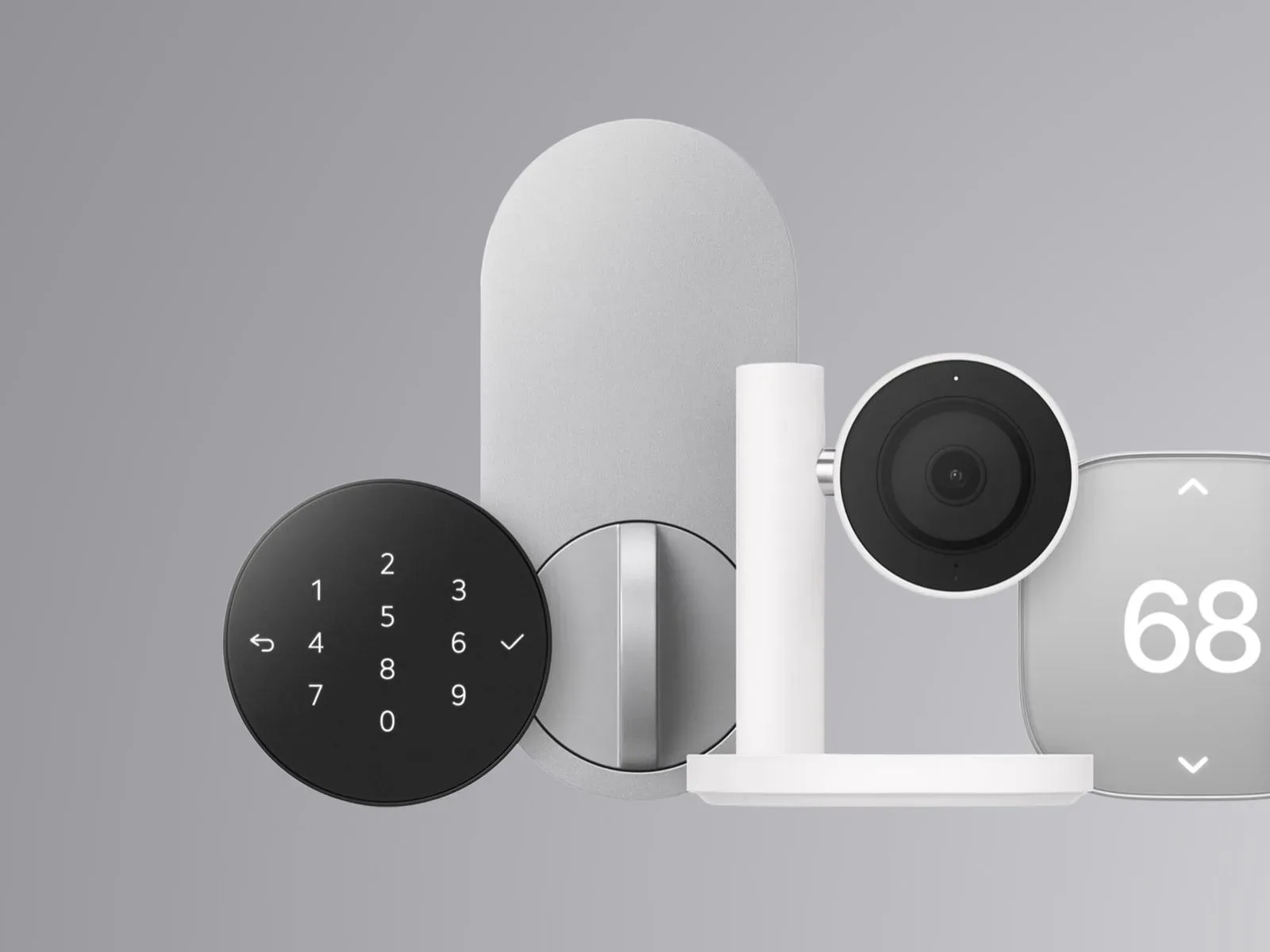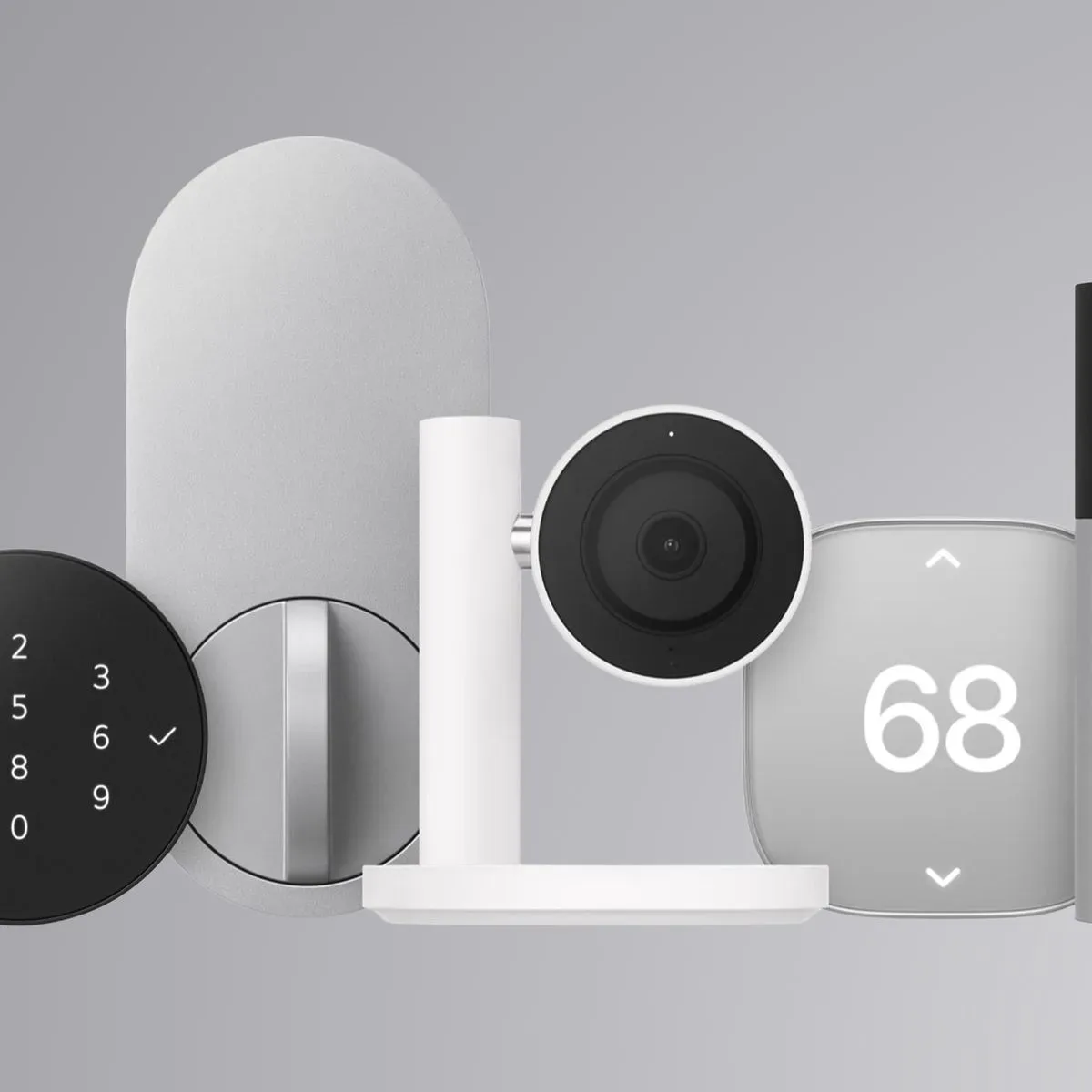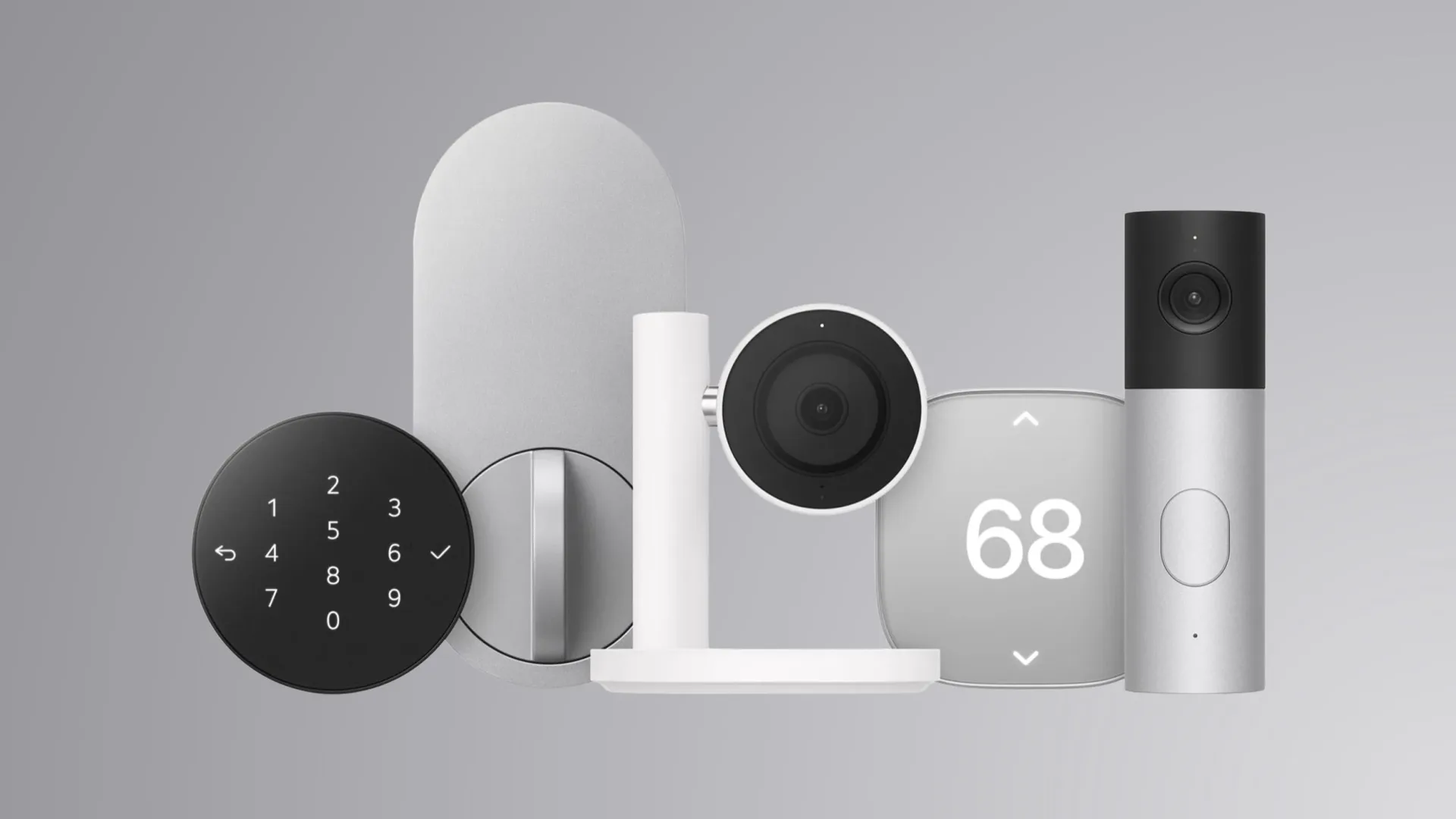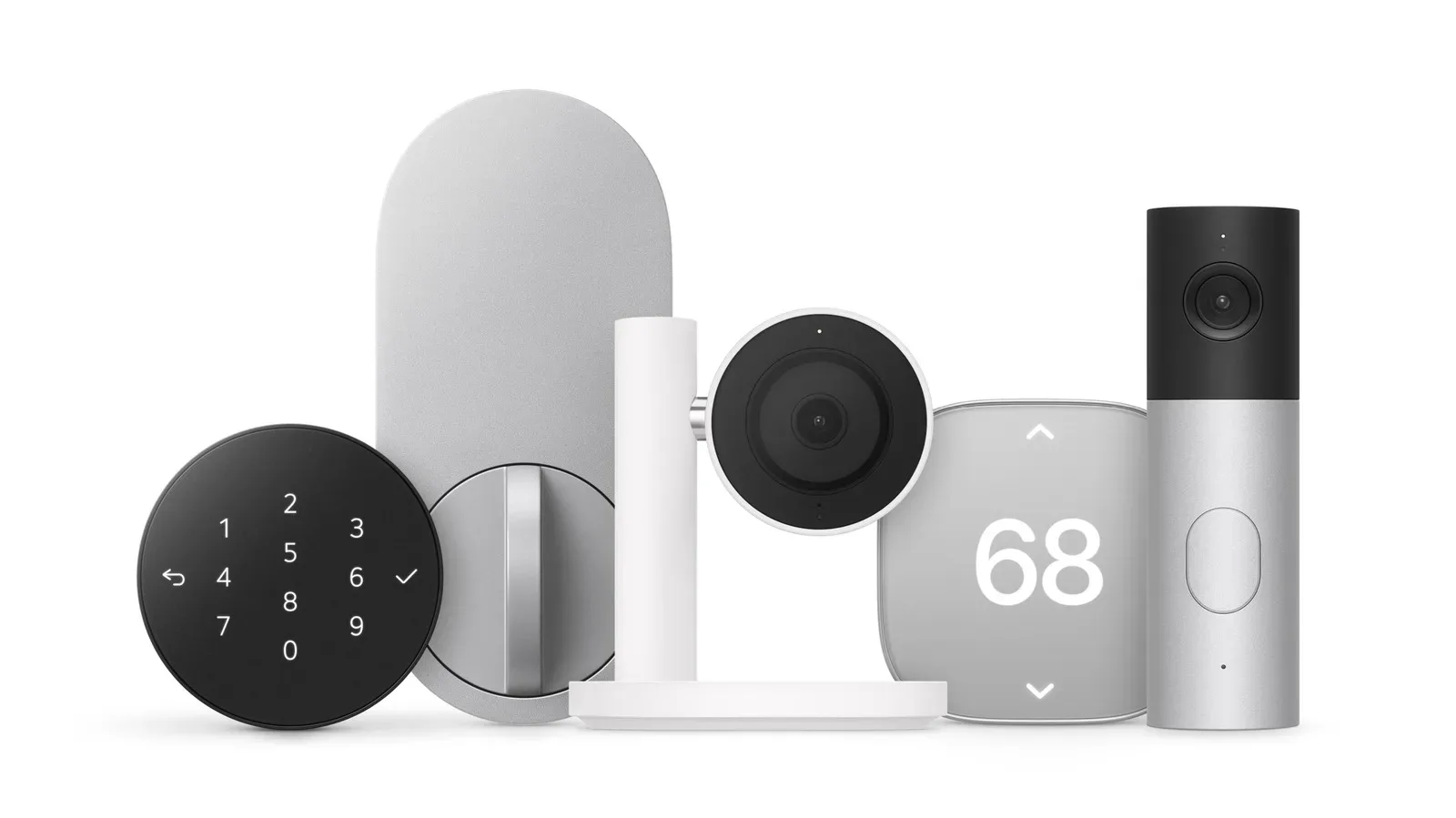
Apple says ordering for select accessories in its new Apple Home Collection begins Friday, November 13, with availability beginning in December. The catch is important: the company has not said which specific products will make that initial ordering window. For anyone planning a connected-home upgrade, this is less a complete launch lineup than a smart-home loot box with the contents deliberately left off the label.
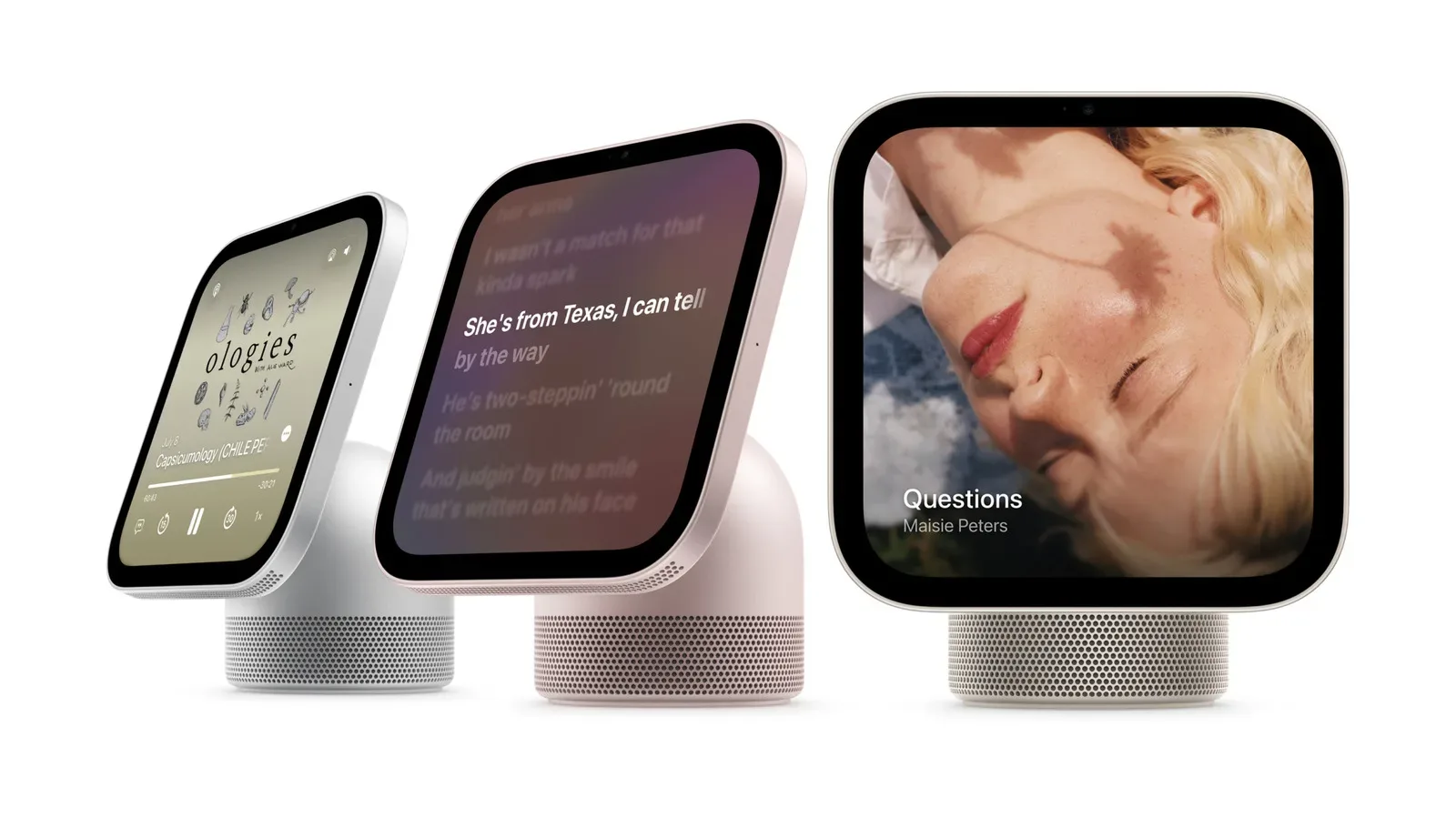
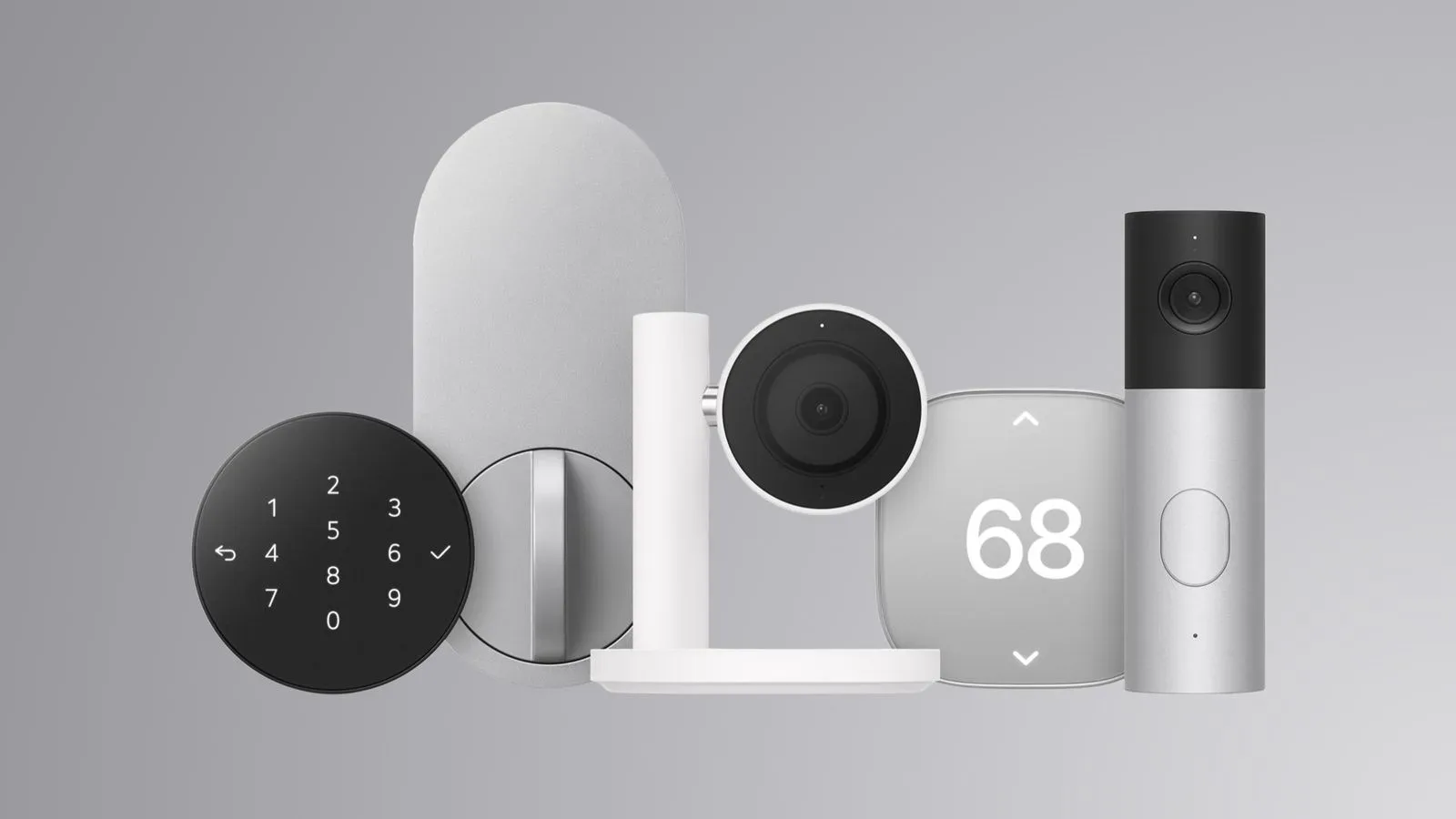
The collection arrived alongside the new HomeView smart-home hub last month. LG and Schneider Electric designed the accessories in collaboration with Apple, and every listed product works with HomeView. The range covers several of the big smart-home categories: front-door monitoring, indoor and outdoor cameras, a floodlight camera, a door lock, thermostats, and separate temperature-and-humidity sensors.
That is a meaningful scope, but shoppers should resist treating the list of announced hardware as a confirmed list of products available to order on November 13. Apple has previously said that some accessories will not arrive until early 2027. Until the first ordering wave is identified, the practical answer to “what can I buy Friday?” remains: only some of it.
What is in the Apple Home Collection?
The lineup splits broadly into security and environmental-control products. LG supplies the cameras, video doorbell, deadbolt lock, and one thermostat. Schneider Electric supplies a second thermostat. Both thermostat options can use separate sensors priced at $39.95 each.
- LG Video Doorbell — $249.95: A dual-camera doorbell, with a 2.5K front camera aimed at visitors and a Full HD lower camera intended to view packages. It also includes a spotlight. Its chime can play through HomeView, HomePod, or HomePod mini.
- LG Outdoor Cam — $299.95: An outdoor camera with low-light color night vision and adjustable positioning.
- LG Indoor Cam — $199.95: An indoor camera designed to tilt upward while people are at home and tilt downward when they leave, so it is positioned for monitoring only when the home is empty. This can use geofencing, the Home app, or manual control.
- LG Floodlight Cam — $399.95: A camera with two floodlights that activate on motion, plus low-light color night vision.
- LG Smart Deadbolt Lock — $349.95: A lock with Ultra Wideband-based automatic unlocking as the homeowner approaches, along with PIN access and a hidden backup-key slot. It can detect whether a door is open, closed, or tampered with.
- LG Thermostat — $199.95: A thermostat supporting Adaptive Temperature and separate temperature-and-humidity sensors. In the US, it can activate heating and cooling in lower-cost periods for users with a compatible utility plan.
- Schneider Electric Thermostat — $199.95: Another $199.95 thermostat with Adaptive Temperature support and compatibility with temperature-and-humidity sensors.
On paper, the price ladder is clear. The indoor camera is the least expensive main accessory at $199.95, thermostats start at the same price, and the floodlight camera is the highest-priced named device at $399.95. But actual budget planning still depends on the initial ordering list and on which rooms or entry points a household intends to cover.
The key uncertainty: announced does not mean orderable
Apple’s wording creates two separate timelines. The first is the November 13 ordering start for an unspecified selection. The second is product availability beginning in December. Then there is a third bucket: accessories previously indicated for an early-2027 release.
That distinction matters because a prospective buyer could reasonably build a HomeView plan around a doorbell-and-lock pairing, a camera setup, or a thermostat-and-sensor arrangement, only to find that one part of the plan is not in the opening wave. The LG doorbell and smart deadbolt are designed to work together: a homeowner can see who is at the door and unlock it when needed. That is potentially a more cohesive setup than buying either product in isolation, but it should not be assumed that both devices will become available simultaneously.
The same caution applies to environmental monitoring. Both thermostats can work with the separate sensors, and the LG thermostat can read temperature and humidity across multiple rooms through them. Yet the existence of that system does not establish which thermostat, if either, will be among the first devices to order, nor whether sensors are part of that opening window.
Related coverage includes Apple Home Collection LG Cameras and Doorbell Open for Pre-Order November 13.
It is a simple but useful reminder for hardware news generally: a named product, a price, and a feature list are not the same thing as a confirmed sale date. The difference is especially relevant when a lineup has multiple partner companies and staged availability. Verification matters more than a tidy headline; here, the verified detail is a November 13 start for select accessories, not a complete rollout schedule.
What the camera features mean in everyday terms
The security hardware is not all aimed at the same job. The Video Doorbell’s two-camera design separates a visitor-facing view from a lower package-facing view. Its front camera is specified at 2.5K resolution, while the bottom camera is Full HD. Resolution describes the amount of image detail a camera can capture; it is useful context, but it does not by itself tell buyers how a camera will perform in every lighting condition or installation position.
For exterior coverage, the Outdoor Cam and Floodlight Cam both list low-light color night vision. In plain language, that means the products are intended to retain color in dim conditions instead of limiting the view to a conventional monochrome night image. The outdoor unit can be angled into multiple positions, while the floodlight model adds motion-triggered lighting. Those are different approaches: one prioritizes flexible placement, the other combines observation with an automatic light response.
The Indoor Cam has a more explicitly privacy-centered behavior. It can tilt up when people are home, leaving it not recording, and tilt down when they leave to monitor the space. The automated option is based on geofencing, a location-based boundary used here to determine whether household members are home or away. Crucially, automation is not the only control: the camera can also be positioned through the Home app or adjusted manually.
That choice is significant because it gives users an alternative if they do not want a camera’s position to hinge entirely on presence detection. The supplied details do not establish every condition behind the feature, but they do establish the intended division: privacy while occupied, monitoring while empty, with app and manual overrides available.
Door access brings convenience—and a fallback plan
The LG Smart Deadbolt Lock uses Ultra Wideband, or UWB, for its approach-based unlocking feature. UWB is a short-range wireless technology that can support highly precise proximity awareness. In this lock’s stated use, the goal is to unlock automatically when the homeowner approaches, without requiring a tap.
Automatic access is only one path. The lock also supports a PIN and includes a hidden backup-key slot. Those alternatives matter because they provide different ways to enter if a homeowner prefers not to use the approach feature or needs a physical fallback. The lock further detects whether a door has been opened, closed, or tampered with, extending its role beyond simply engaging and disengaging the deadbolt.
The useful practical question is not merely whether an auto-unlock feature sounds futuristic; it is which access methods a household wants available day to day. Apple’s described feature set offers proximity-based access, code access, and a backup key, while the doorbell pairing adds a visual and remote-decision component at the entryway. Buyers still need to wait for confirmed ordering status before treating that combination as a December project.
Thermostats and sensors: a multi-room approach
Both thermostat models support Adaptive Temperature and can use temperature-and-humidity sensors. The $39.95 sensors are particularly important to the broader concept, because they extend measurement beyond the thermostat’s own location. With the LG thermostat, the system can read temperature and humidity across multiple rooms using separate sensors.
In practical terms, a thermostat’s location may not represent every room in a home. Separate sensors create the possibility of incorporating conditions from elsewhere, though the available details do not specify exactly how either thermostat prioritizes or balances those measurements. What is confirmed is compatibility with sensors, not a promised outcome for every floor plan.
The LG thermostat also has a US-specific utility-related feature: for users on a compatible utility plan, it can activate heating and cooling during lower-cost periods. That capability is conditional. It depends on being in the US and having a compatible plan, so it should not be treated as a universal savings feature. “Adaptive Temperature” is also a product capability named for both thermostats, but the announced information does not define its precise operating rules.
What shoppers can safely plan for now
There are a few firm takeaways ahead of November 13. HomeView is the common hub for the listed Apple Home Collection hardware. LG and Schneider Electric are the collaborating accessory makers. Prices have been stated for each named main product and for the sensors. Availability begins in December for the accessories that do make the first ordering cut.
Beyond that, restraint is the sensible move. Do not assume the entire lineup opens at once. Do not assume early-2027 products will be in the November order window. And do not assume a multi-device setup—such as a doorbell plus deadbolt, or a thermostat plus several room sensors—can be completed immediately.
The collection’s pitch is a coherent one: connected security, entry access, and climate control built around HomeView. But its first retail step is intentionally narrower than its full product catalog. The next meaningful detail is not another feature list; it is the identity of the accessories Apple actually makes orderable on Friday.