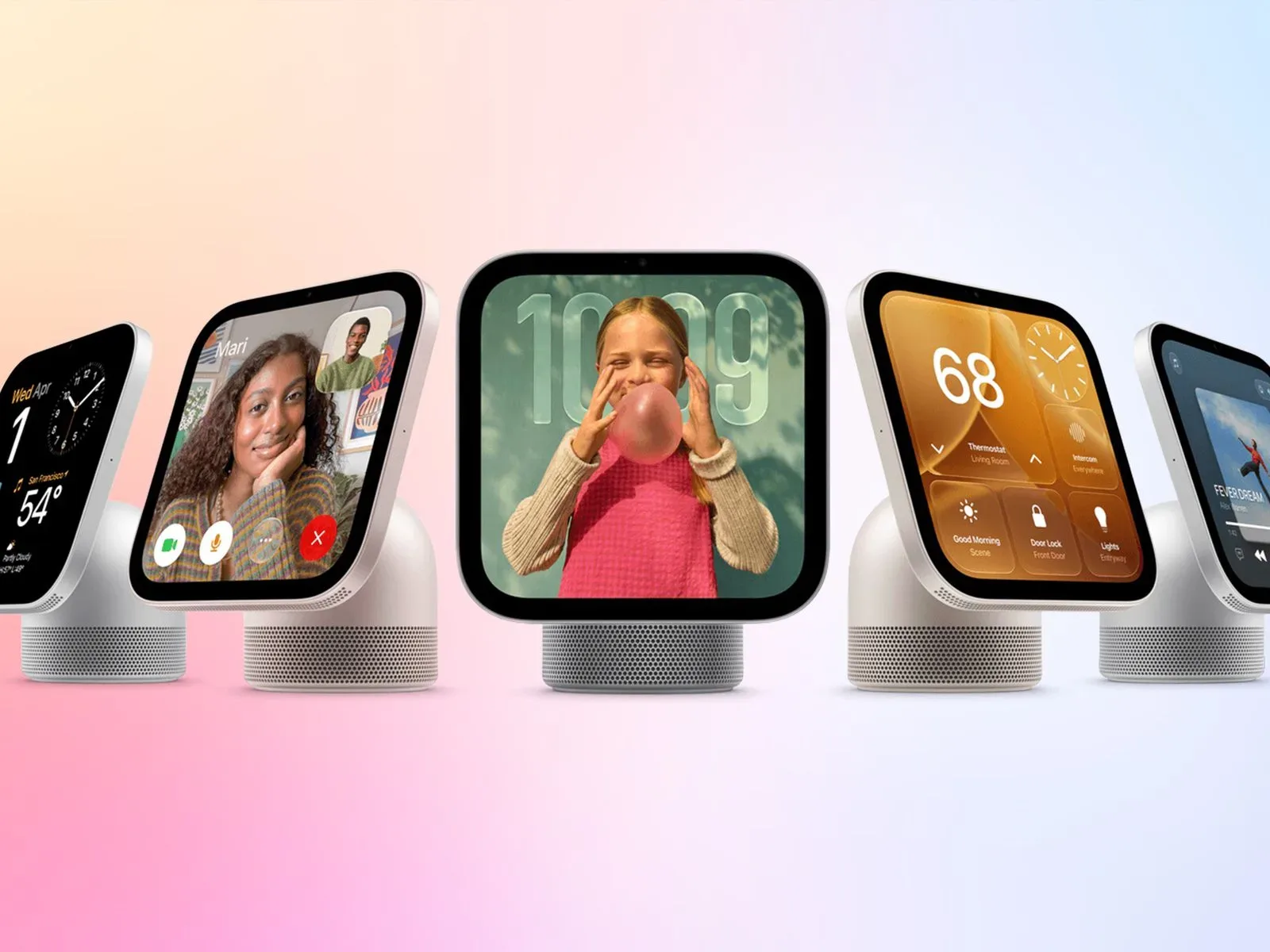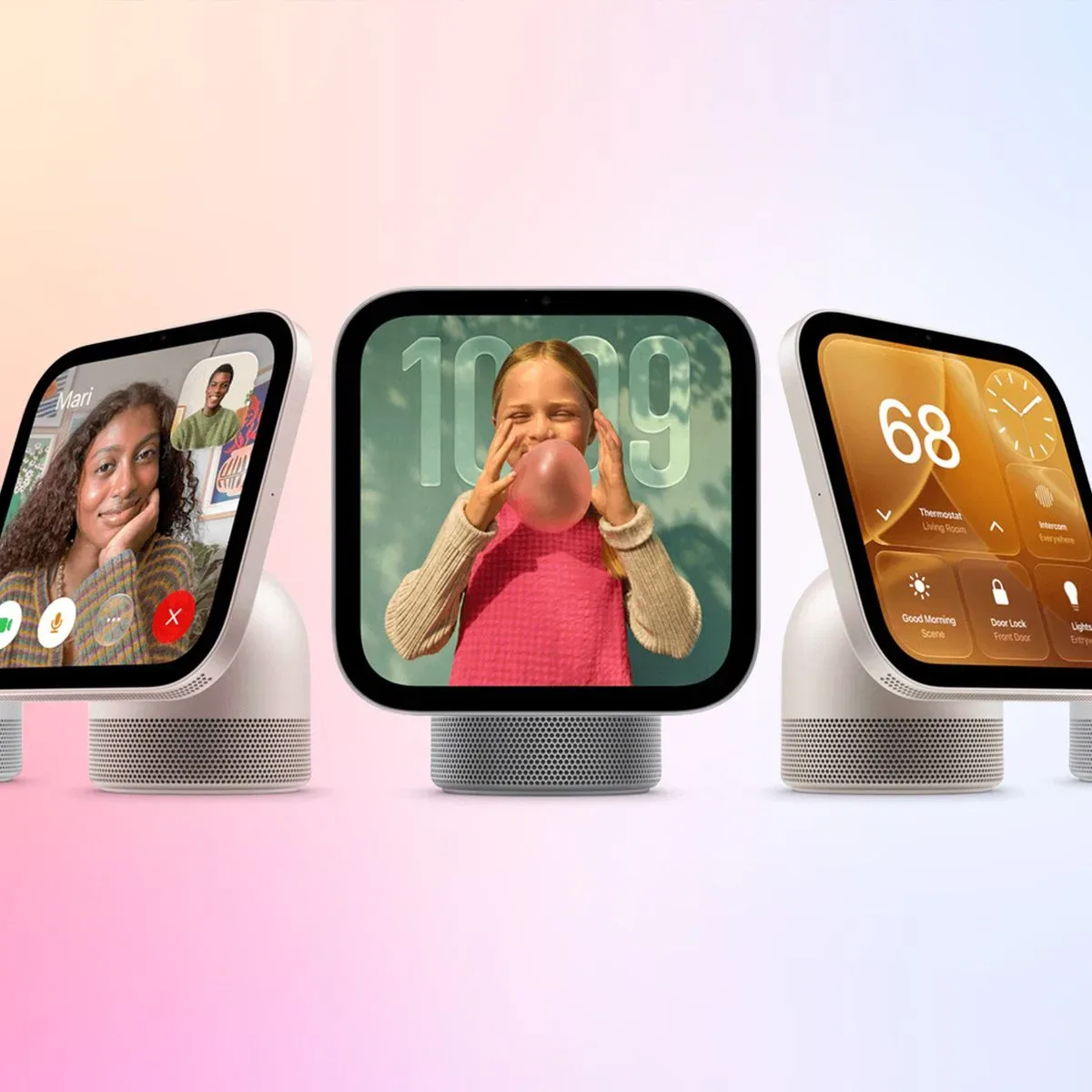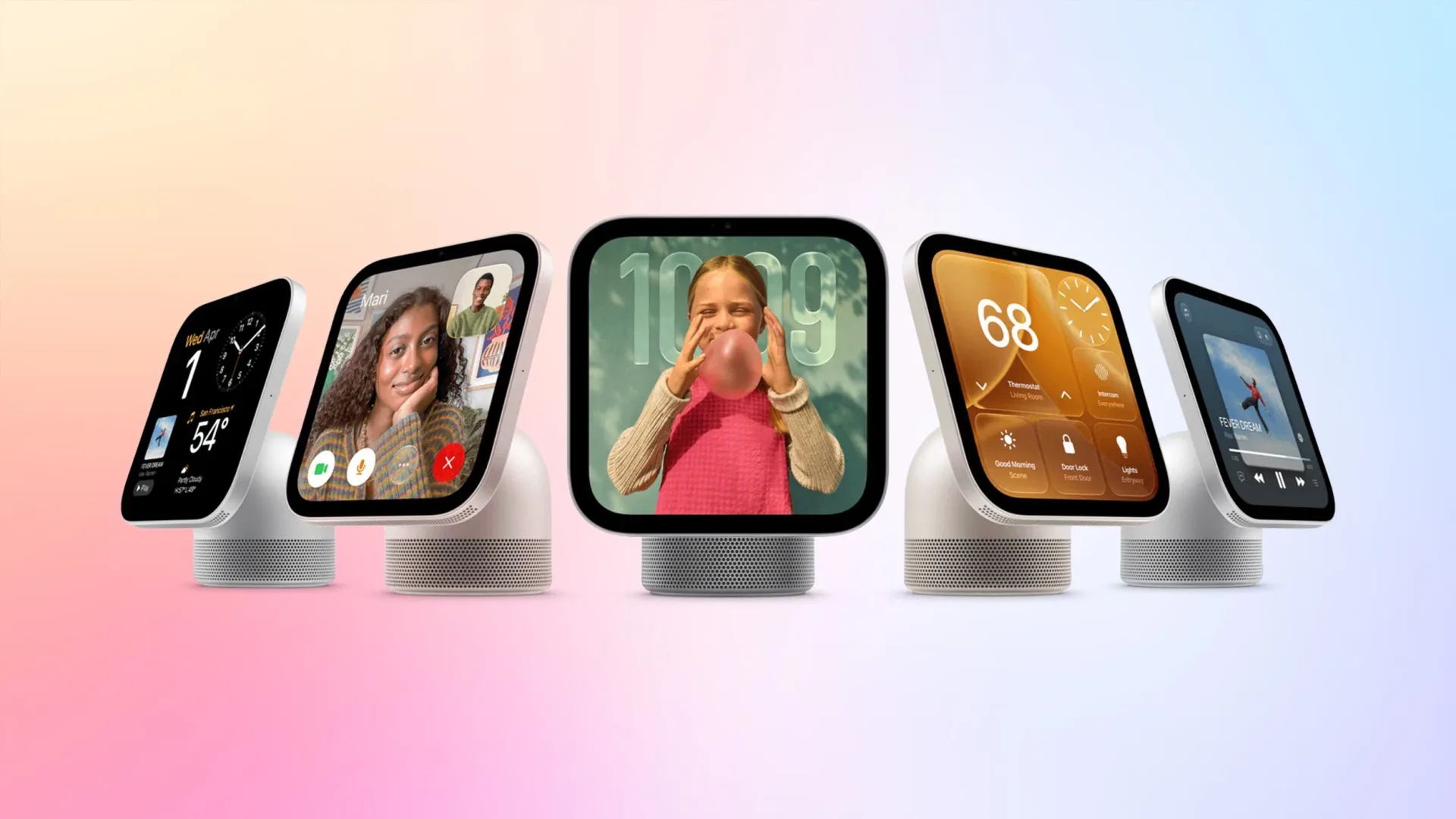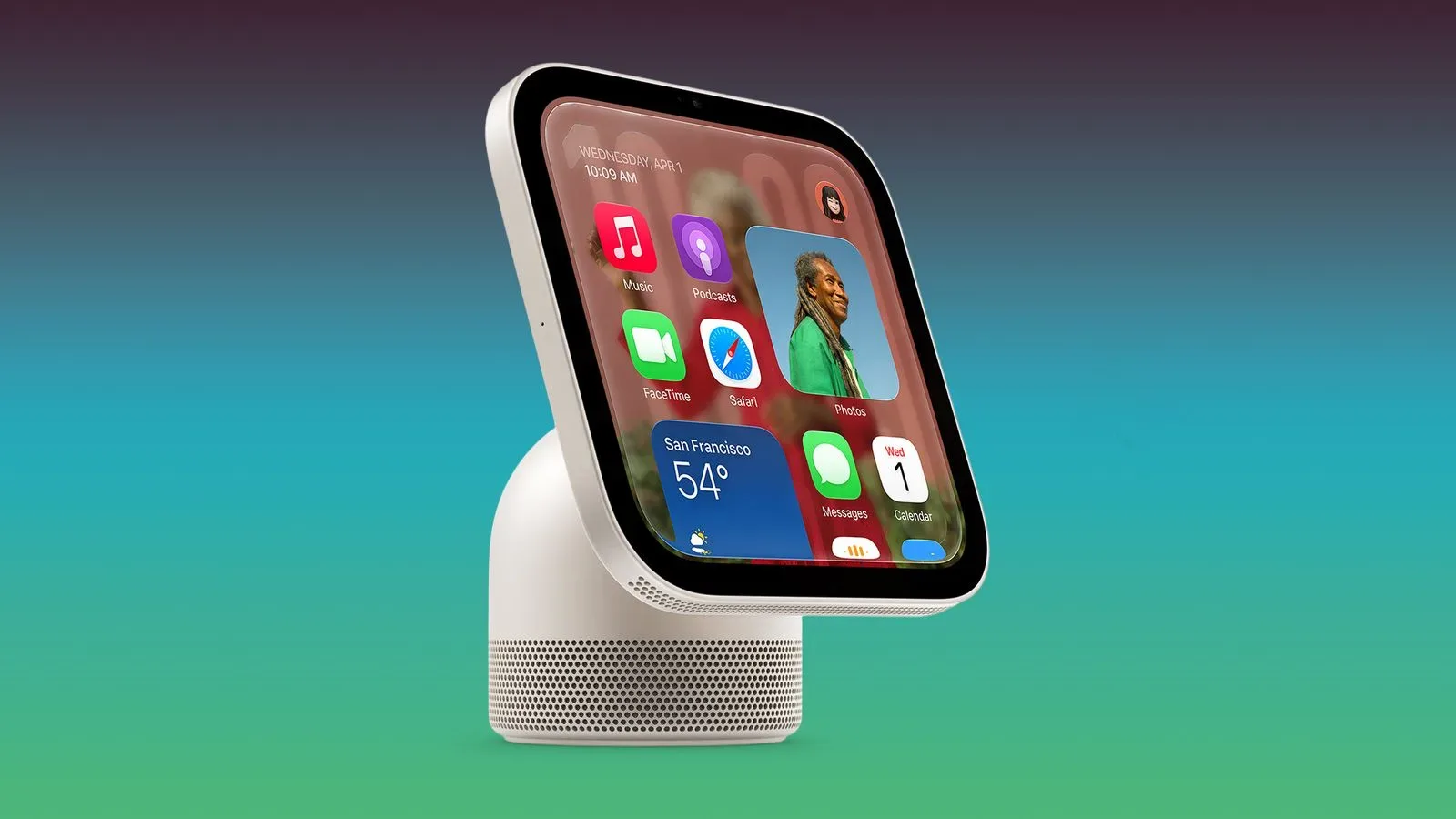
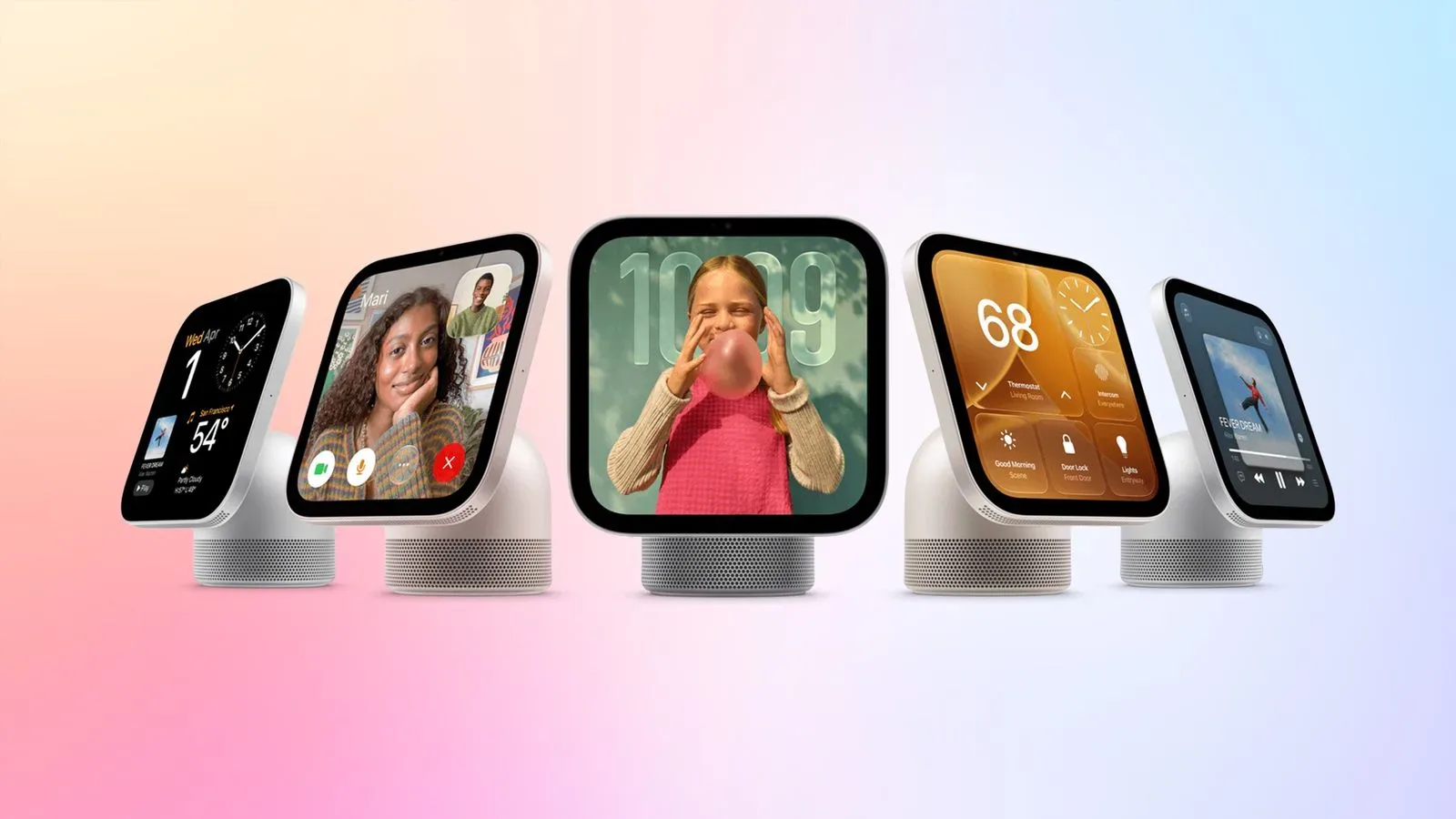
Apple has laid out the privacy architecture behind HomeView’s camera- and microphone-based recognition features, describing a system called Secure Exclaves. The core idea is deceptively straightforward: a device can look and listen for limited purposes without letting its ordinary operating system, installed apps, or Apple itself gain access to the underlying video and audio.
That distinction matters because HomeView is designed to identify as many as six people in a household using facial and voice recognition. A system capable of knowing who has entered a room is inherently handling sensitive material. Apple’s proposed answer is not that the sensors never operate in the background. Rather, the company says the raw sensor feed is confined to a purpose-built, isolated runtime, while the rest of the device receives only narrow results needed to enable a feature.
Secure Exclaves also extend beyond HomeView. Apple identifies their use in Siri Recap and Live Rewind, in the camera and microphone indicators of the iPhone 18 Pro, iPhone 18 Pro Max, and iPhone Duo, and in the MacBook Neo camera indicator. On iPhone hardware, the system is also used with “Hey Siri” to protect voice data.
What a Secure Exclave is supposed to do
An exclave, in this context, is a compartmentalized computing environment. It is separate from the normal operating system even though it can use the device’s full application processor for its work. That combination is important: Apple is not presenting this as a simple low-power sensor path that can only detect a rudimentary signal. It is describing an isolated environment that can run the recognition processing required by camera and microphone features.
The intended privacy boundary is equally important. Data being processed inside a Secure Exclave is not available to the rest of the operating system, third-party apps, or Apple. That is a stronger claim than merely saying that data is not uploaded. It describes limits on access inside the device itself.
For people trying to parse the terminology, the key difference is between raw data and metadata. Raw data is the actual camera frame or recorded audio content. Metadata is a much smaller result derived from that data: for example, an indication that a person may be in view, an enrolled person’s identifier, a location or position, and a confidence score.
A confidence score is a measure of how certain a recognition system is about its match. It does not necessarily mean a system is infallible; it gives the broader software a signal about the strength of the match. Apple says HomeView’s main operating system receives that identifier, position, and confidence level, but not the face image or voice recording used to generate them.
How the HomeView flow works
Apple uses HomeView as its clearest illustration of the design. The device performs continual, minimal visual processing to determine whether someone is in its field of view. Camera frames are sent into a camera exclave, which works with a person-recognition exclave. The latter contains face- and voice-recognition models along with an identity database for enrolled household members.
When the camera-side processing finds that a person could be present, it notifies the main operating system of that possibility. Crucially, Apple says no image data crosses out of the Secure Exclave at that stage. The audio path is designed around the same premise: an audio exclave can recognize a relevant trigger without passing the actual audio onward to the ordinary OS.
The person-recognition environment compares face and voice prints with the identity information of enrolled users. If it finds a match, the main OS gets a minimal set of outputs instead of the source media. Those outputs can then activate identity-aware capabilities, including personal Calendar and Messages experiences. Apple says the raw sensor material is discarded.
In practical terms, that makes HomeView less like a camera feed being handed to every interested part of the system and more like a tightly controlled service that answers a restricted question: who, if anyone, appears to be present, and how certain is the device? The distinction is meaningful because the products and features that consume the answer do not need the original frame or sound recording to act on an identity result.
Ambient sensing versus active access
Apple’s explanation hinges on two operating modes: ambient mode and active mode. The difference is intended to give the camera and microphone indicators a clearer meaning.
In ambient mode, there is no active-use indicator. A sensor may respond to certain triggers, but it shares only small amounts of metadata with the rest of the system. For HomeView, the reported model is a background process that can determine that a person may be present and, where applicable, provide a limited recognition result, without releasing the underlying image or audio.
In active mode, full sensor data is available to the broader operating system. An indicator is then shown to tell the user that the system has audio or video access. Apple says Secure Exclaves enforce this relationship: data cannot be transferred from the isolated environment to the rest of the OS unless the corresponding indicator is active.
This setup addresses a practical user-interface issue created by ambient sensing. Devices have used visual camera and microphone indicators for a long time, but an indicator that remained lit continually would not clearly distinguish passive, privacy-bounded sensing from a situation in which a system is actively recording or otherwise accessing full audio or video. Apple’s model reserves the visible indicator for the latter case.
That does not mean ambient mode is a state in which sensors do nothing. It means the device is designed to process sensor input under a different access policy. For a household device, that is likely the most consequential point to understand: the privacy argument depends on what may leave the isolated environment, rather than on an assertion that no background processing occurs.
Why the indicator is more than a light
Camera and microphone lights are often treated as a basic transparency feature: an LED or on-screen symbol tells a person that a sensor is in use. Apple’s description adds an architectural claim behind that familiar cue. The indicator is not simply a notification generated after the fact; Secure Exclaves are meant to make activation of that indicator a prerequisite for moving full sensor data into the ordinary operating environment.
If implemented as described, the benefit is that an app or system component outside the isolated runtime should not be able to quietly obtain raw camera or microphone material while presenting the user with an “ambient” state. The system’s data-access rule and the user-visible signal are linked.
There is an important limit to what the information establishes, however. Apple has described the design and its intended boundaries, but the available details do not provide a complete public accounting of every recognition threshold, the precise retention behavior of every derived signal, or the full set of controls available to owners and other people in a HomeView household. The company says its security materials contain a deeper technical account of the implementation.
The engineering challenge behind isolation
Apple says the foundations for Secure Exclaves began in iOS 18, driven by a need for a secure approach to ambient camera and microphone monitoring. The company characterizes memory isolation for these environments as a serious engineering challenge.
Memory isolation is central to the design because processing is only meaningfully separated if one software environment cannot simply inspect another’s working data. A camera frame or short audio segment has to stay within the protected boundary while recognition models do their work. Meanwhile, the main operating system still needs enough information to offer useful features. Secure Exclaves are Apple’s approach to balancing those two goals.
It is also why Apple emphasizes use of the full application processor. Recognition workloads can be demanding, especially when a device needs to make timely decisions from camera and voice signals. The company’s approach seeks to avoid an apparent trade-off in which privacy-sensitive processing must be too limited to support the feature at all. Instead, it isolates the processing environment while allowing substantial compute capability.
What this means for HomeView households
For households considering features that adapt to the person in front of a device, the relevant question is not only whether a product has facial or voice recognition. It is what data the feature needs, where it is processed, what leaves that processing boundary, and what visibly changes when a device transitions into fuller camera or microphone access.
Apple’s stated answer for HomeView is that background recognition receives and analyzes raw inputs inside Secure Exclaves, while the broader OS receives limited outputs such as identity, position, and confidence. The device can then personalize Calendar and Messages-related functions without the ordinary operating system obtaining the raw audio or video.
That is a privacy design claim, not a promise that recognition is invisible or consequence-free. The system still recognizes enrolled people and creates derived signals to support personalized behavior. Users who prefer not to have that type of identity recognition in a shared space will reasonably focus on the product’s enrollment and feature-management choices as well as the architecture behind them.
Still, the technical direction is notable. As devices add more context-sensitive behavior, the choice is not merely between collecting everything and offering no personalized functionality. Apple is making the case for a third path: permit narrowly scoped, on-device interpretation of sensitive streams, then expose only the minimum result necessary for the next feature to work.
That principle has relevance beyond a home device. Siri Recap and Live Rewind involve ambient audio, while Apple’s newer phone and laptop implementations focus on safeguarding sensor indicators and “Hey Siri” voice handling. Across all of them, Secure Exclaves are presented as a mechanism for placing a hard boundary between sensitive sensor processing and the software that normally runs the device.
For readers tracking broader technology infrastructure, the same industry backdrop includes a recent disruption affecting major Microsoft 365 services across the Americas, a separate reminder that the systems behind everyday digital tools are both consequential and complex.