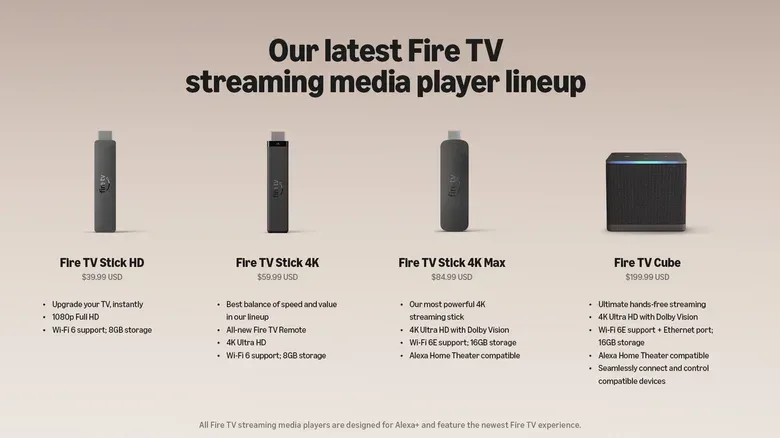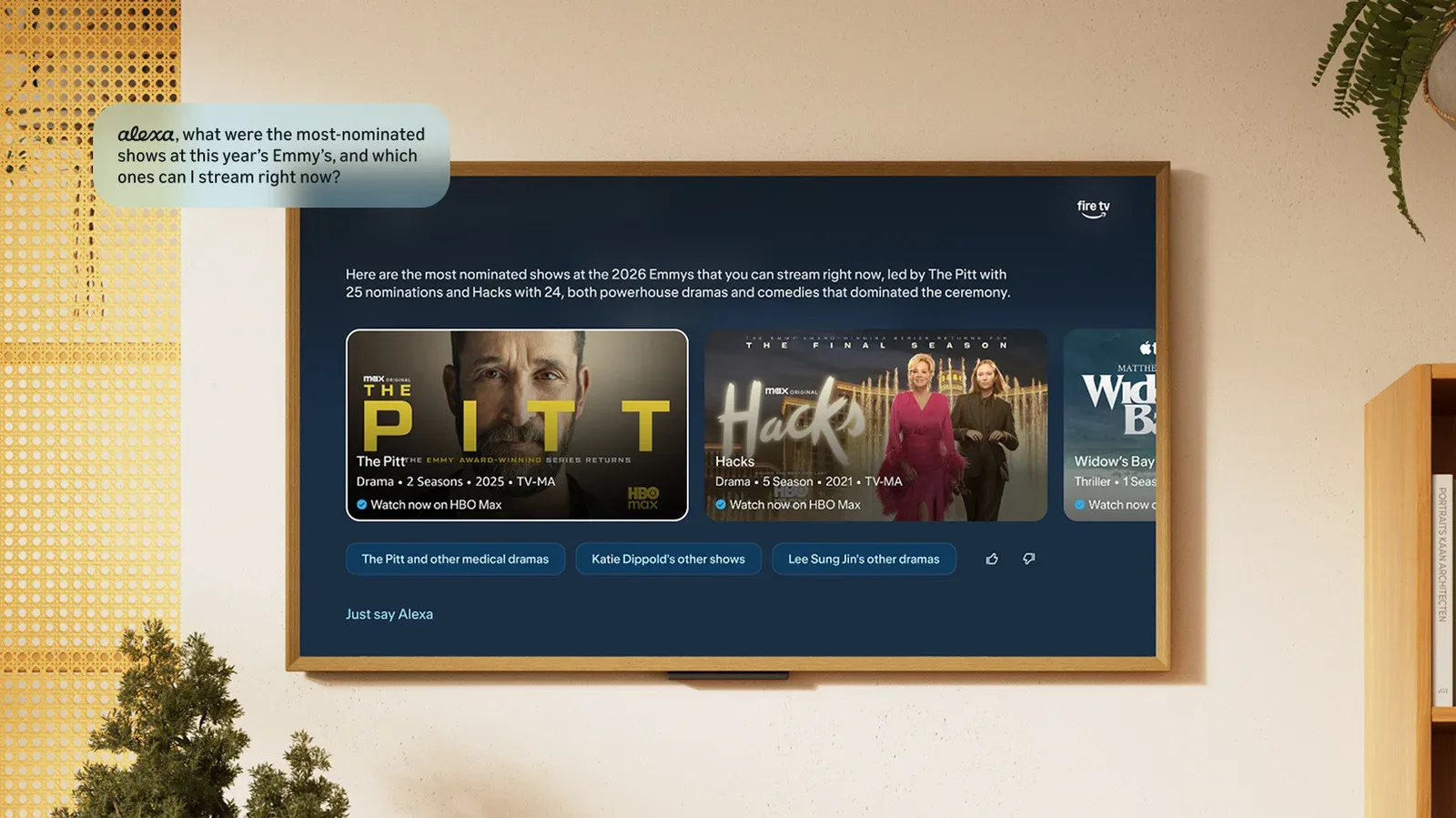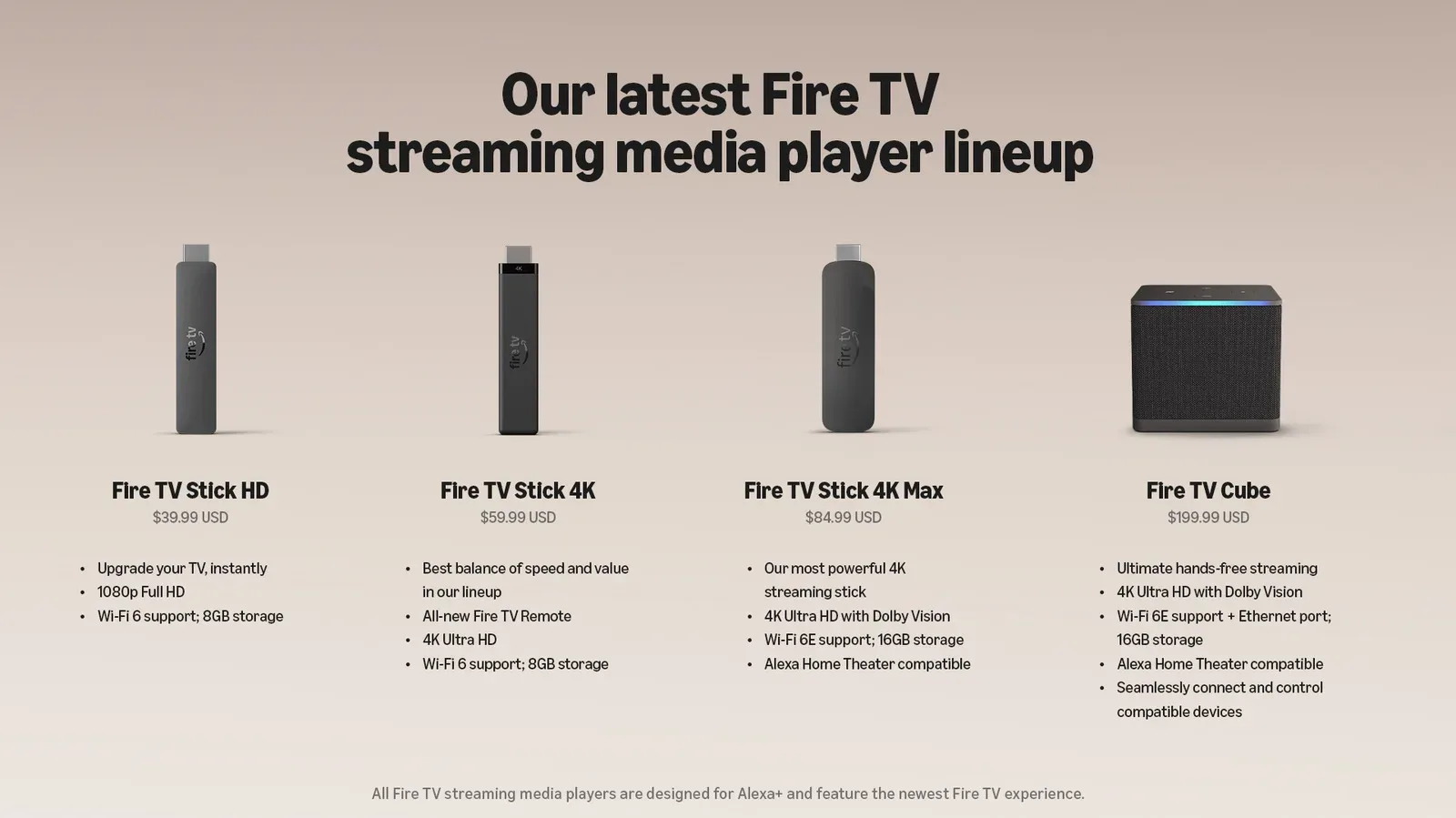
Amazon has trimmed its Fire TV streaming-device range from five products to four, ending the brief era in which shoppers had to decode whether a 4K Select, 4K Plus, or 4K Max was the right rectangle for their television. The revised lineup is easier to say in one breath: Fire TV Stick HD, Fire TV Stick 4K, Fire TV Stick 4K Max, and Fire TV Cube.
This is not a wholesale rethink of Amazon’s streaming hardware strategy. It is a modest reduction—one device fewer than the previous selection—but it removes two of the least self-explanatory labels in favor of a more familiar three-tier stick structure: HD, 4K, and 4K Max. The Cube remains the distinct, larger-format option.
For anyone buying a streamer to put games, apps, films, and television in one place, that clarity matters more than the raw number of boxes on the shelf. A lineup can offer lots of choices without making those choices legible. “Select” and “Plus” may sound meaningfully different, but names alone do not tell a buyer which compromise or upgrade they represent. “HD,” “4K,” and “Max,” meanwhile, at least establish a rough hierarchy without requiring a minor in Amazon Product Nomenclature.
The Fire TV lineup before and after the change
As of September 29, 2026, Amazon listed five streaming media players:
- Fire TV Stick HD
- Fire TV Stick 4K Select
- Fire TV Stick 4K Plus
- Fire TV Stick 4K Max
- Fire TV Cube
The current list is:
- Fire TV Stick HD
- Fire TV Stick 4K
- Fire TV Stick 4K Max
- Fire TV Cube
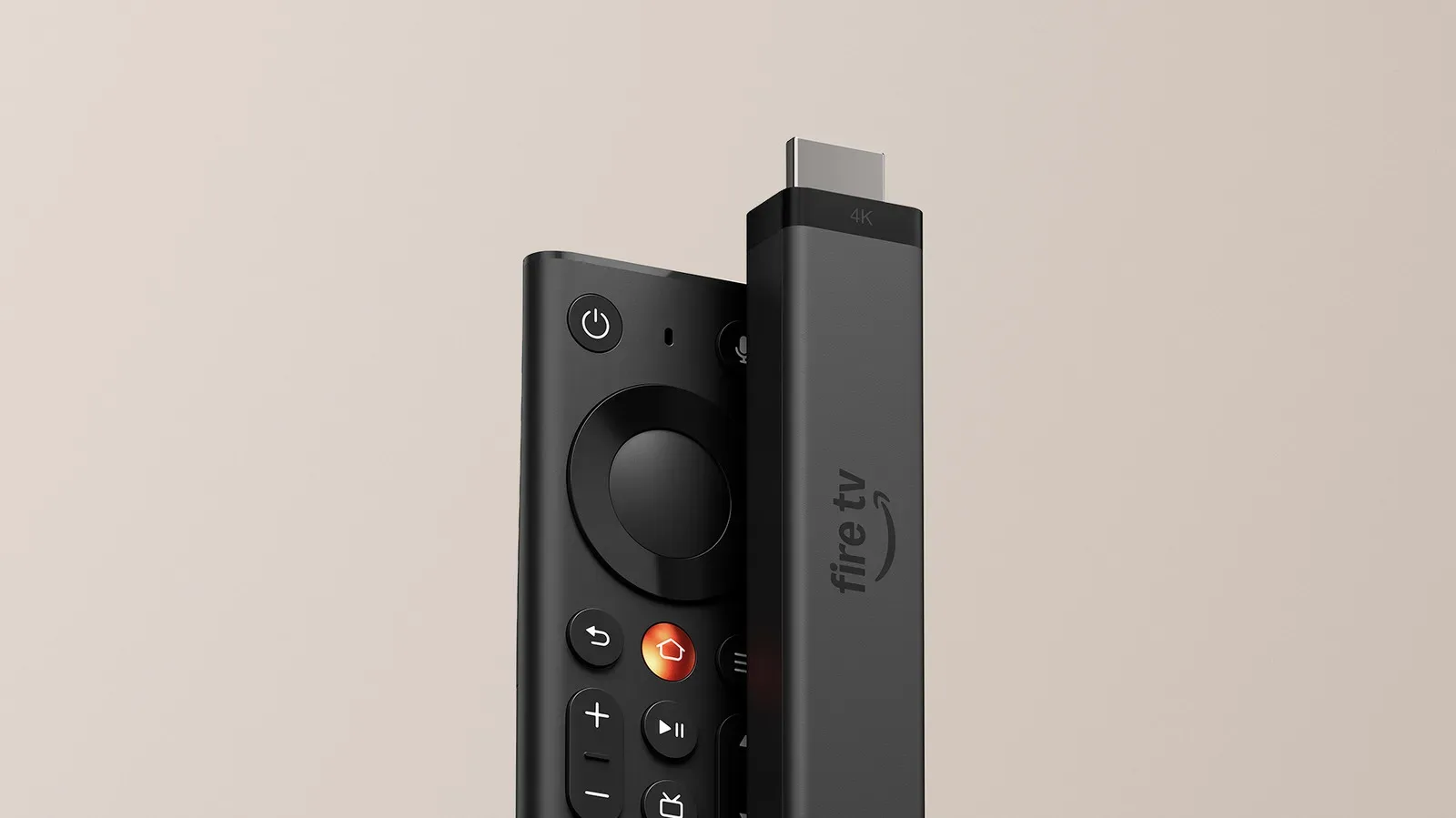
The standard Fire TV Stick 4K is a newly announced $60 model. It arrives alongside a new remote control, although no further details about that remote or the stick’s feature set have been provided here. Most importantly, the renamed structure should not be mistaken for evidence that every remaining product is new. The Fire TV Cube was last updated in 2022, while the Fire TV Stick 4K Max was already in the range.
What the names now communicate—and what they do not
“4K” refers to an image resolution category commonly used by modern televisions and streaming video. In the context of the new product list, the label establishes that the standard middle Fire TV Stick is positioned above the HD model. “Max” is Amazon’s premium modifier within the stick family, distinguishing the upper model from the regular 4K stick.
That is useful shorthand, but it is still shorthand. The supplied information does not specify the performance differences, video-format support, storage, wireless hardware, processing power, game-streaming capabilities, or remote features separating the regular 4K Stick from the 4K Max. Buyers should therefore avoid treating the new names as a full technical specification. A cleaner label reduces the first step of confusion; it does not replace comparing the detailed specifications that matter for a particular TV and household.
The same caution applies to the Fire TV Cube. Its place in the range is clear because it is not called a Stick, but its current position should not be read as confirmation of new hardware. Its most recently noted update was in 2022, and its launch price was $140.
A practical way to read the four options
Based solely on the lineup, Amazon’s range now has a straightforward shape:
- Fire TV Stick HD: the entry model. It launched earlier in 2026 with a slimmer design and has a $35 retail price.
- Fire TV Stick 4K: the newly announced middle option, listed at $60.
- Fire TV Stick 4K Max: the higher-tier stick, retaining the “Max” name rather than another abstract middle descriptor.
- Fire TV Cube: the separate Cube-format model, last updated in 2022 and launched at $140.
In other words, the choice can begin with a far simpler question: HD or 4K, then standard 4K or Max, or the Cube. That will not answer every technical question, but it is a better starting point than standing in front of Select, Plus, and Max and wondering whether the winner gets a complimentary gold star.
The new regular 4K Stick occupies the key middle slot. At its $60 list price, it sits $25 above the $35 Fire TV Stick HD. The supplied details do not establish which buyer-specific features justify that difference, so it would be premature to call one a universal value winner. But the model’s position is now unmistakable: it is Amazon’s basic 4K stick, rather than one of two adjacent products with names that implied a distinction without explaining it.
Why a one-device reduction can still be meaningful
Reducing a five-item lineup to four is a 20 percent cut, but the numerical change understates the practical one. Product ranges become difficult not only when they are large, but when neighboring products lack memorable roles. Amazon had three closely named 4K sticks before this rework. It now has two: a standard 4K model and a Max model.
That makes comparison pages, retail listings, and casual recommendations less cumbersome. A person trying to set up a living-room screen for a busy release month—perhaps while keeping an eye on October’s biggest games—does not necessarily want a hardware taxonomy puzzle before watching anything at all. The streaming device is often intended to remove friction, so its product name should ideally not introduce a fresh form of it.
There is also a useful distinction between simplifying a catalogue and limiting choice. Amazon has not collapsed the range into a single device. The company still offers an HD entry point, two 4K sticks, and the Cube. Buyers retain a range of form factors and price points, while the product ladder becomes easier to understand at a glance.
Pricing and the upcoming discount
The Fire TV Stick HD retails for $35, and the new Fire TV Stick 4K is priced at $60. The latter is set to receive a 50 percent discount during Amazon’s Prime Day event next week, reducing its price to $30.
That planned sale price is especially notable because it places the new 4K Stick below the HD model’s stated $35 retail price. It is a promotion rather than a permanent pricing revision, but it gives prospective buyers a concrete reason to look at the middle of the lineup instead of assuming the lowest-numbered or least expensive device is automatically the sensible purchase.
Other Fire TV products may also receive substantial Prime Day discounts, though specific reductions beyond the new 4K Stick’s half-off offer are not confirmed. Shoppers weighing the lineup should separate list prices from temporary event prices and should not assume an anticipated discount is guaranteed for every model.
The useful part of a small cleanup
Amazon’s revision does not transform Fire TV into a radically different platform, and it does not erase the need to check product details before purchasing. It does, however, remove the Select-versus-Plus detour from an already crowded device category.
That leaves a product family whose labels do a more reasonable amount of work: HD for the entry stick, 4K for the standard upgrade, Max for the higher-end stick, and Cube for the product that is plainly not a stick. In consumer electronics, that is not a revolution. It is simply a welcome moment when the menu has fewer items named like difficulty settings in a game nobody remembers installing.