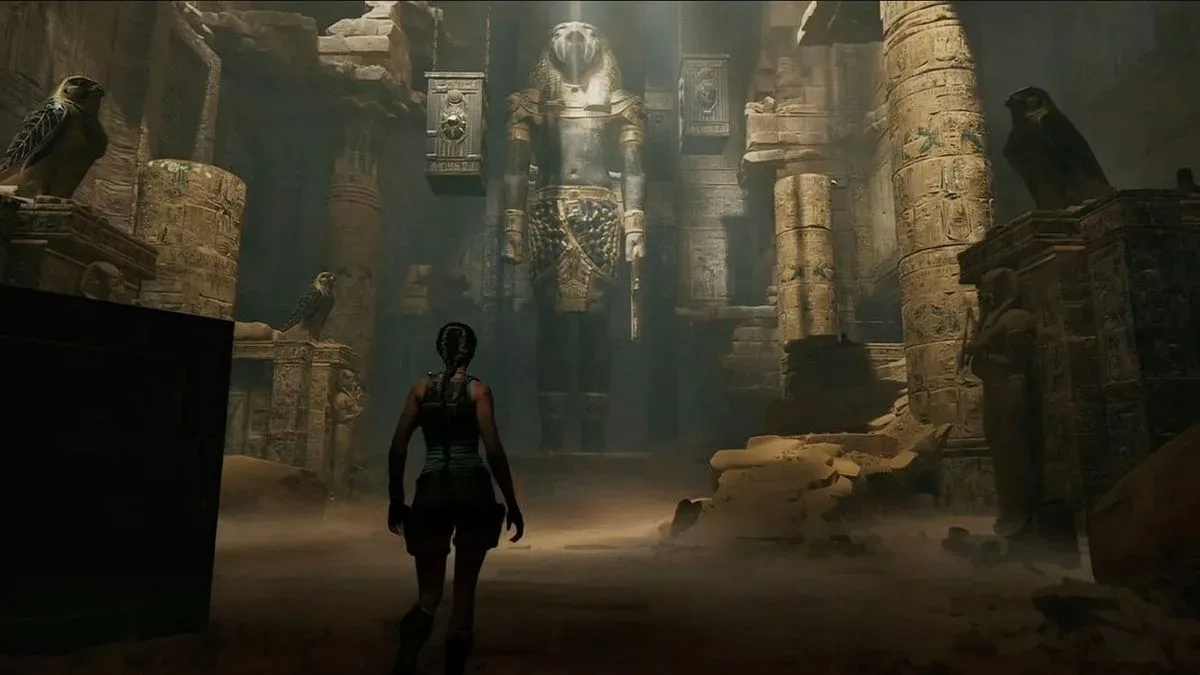
Playing Lara Croft calls for more than a convincing leap, a sharply aimed pair of pistols, or the ability to look unbothered by the latest ancient death trap. Alix Wilton Regan has offered a frank description of the human side of embodying the adventurer for Tomb Raider Legacy of Atlantis: sometimes an intense filming week coincides with her period.
It is an ordinary fact that rarely gets much space in conversations about action performance, especially in games, where the finished character can look effortlessly invincible while the performer’s work is captured far away from a jungle, tomb, or collapsing bridge. Regan’s point is not that Lara becomes less capable. Quite the opposite: she said Lara’s presence can help her access confidence on days when she does not naturally feel at her most assured.
“Occasionally I’m on my period the week that we film,” Regan said. “And you know, that’s okay.”
She also connected that reality to the character herself. If Lara is imagined as a real woman undertaking years of globe-spanning adventures, then menstruation would necessarily be among the practical realities of that life. It is a simple observation, but a useful corrective to the way action heroines are often treated as symbols first and people second.
An action performance is still a person at work
Regan addressed the topic while discussing the confidence involved in portraying such a famous character in close-fitting motion-capture clothing. Performance capture—often shortened to “PCAP”—is a process in which an actor’s physical performance is recorded to help create a digital character. That makes posture, movement, gesture, balance, and the small choices that communicate attitude especially important. The final on-screen adventurer may be digital, but the body doing the work belongs to a performer on a stage.
That distinction matters. The heroic image audiences recognize can obscure the practical conditions under which it is made: physical costumes, repetitive action work, and the personal fluctuations anyone brings into a workplace. Regan pushed back at the discomfort that can surround direct discussion of periods, describing menstruation as a natural bodily function rather than a taboo that should be avoided in professional conversation.
Her remarks do not frame the subject as exceptional or scandalous. They instead make room for a more complete account of performance. A character can project poise, competence, and danger while the actor is managing an entirely normal bodily experience. Neither side cancels out the other.
Why the holsters matter even when Lara is not firing
The most revealing detail in Regan’s explanation is not about dialogue or facial expression. It is Lara’s holster.
Related coverage includes Alix Wilton Regan Discusses Filming Lara Croft Action Scenes During Her Period.
Regan said she asks to wear the holster on the PCAP stage even in scenes where she is not using the pistols. The reason is partly physical: the equipment adds weight and bulk around her thighs. In her description, that changes how she feels in her stance, lowering her center of gravity and helping her feel rooted.
“Center of gravity” is the point around which a body’s mass is balanced. It is not a magic switch for confidence, but awareness of weight and balance can influence stance and movement. For an actor creating a character known for athletic decisiveness, a tangible piece of costume can therefore be useful. It provides a physical cue for the performance instead of asking the actor to summon every aspect of the character from imagination alone.
Regan said putting on the dual pistols and holster makes her feel “confident” and “grounded,” adding that it makes her feel stronger.
That is a notable reminder that costume elements can be performance tools, not merely visual accessories. Lara’s dual pistols are among the character’s most recognizable design elements, but on a performance-capture stage the holster also appears to function as an anchor: a source of weight, a prompt for body language, and a shortcut to the character’s swagger.
There is an easy temptation to treat iconic gear as lore decoration. Regan’s account gives it a more practical role. The holster helps establish a stance; the stance helps communicate control; and that physical control supports the attitude audiences identify as Lara Croft. The character’s confidence begins before any digital environment, animation polish, or cinematic framing is added.
Lara’s confidence as something performed, not presumed
Regan described turning to Lara on weeks when she feels less “sassy or cool” than usual. That choice draws a useful line between confidence as a permanent personal trait and confidence as something a performer can build through practical means.
For this kind of role, confidence is expressed externally: how someone plants their feet, carries equipment, turns toward a threat, or takes up space. The performer does not need to begin the day already feeling identical to the fictional hero. A familiar costume component, a strong physical shape, and the established language of the role can help create the required energy.
It also helps explain why action characters can mean something to the people who play them. Lara is not presented here as an impossible standard the actor must meet every hour of every day. She is a character Regan can step into, one whose visual identity and physicality offer a route toward feeling more solid and self-assured.
That human framing is especially welcome around a character as enduring as Lara Croft. Long-running icons can seem fixed in public imagination, defined by weapons, silhouette, attitude, and impossible survival skills. But every new interpretation requires someone to locate the person beneath those symbols and make the performance feel intentional. Regan’s comments suggest that, for her, the route runs through physical grounding as much as through dialogue or action choreography.
A wider conversation about women in action roles
Regan’s candor also broadens the discussion of who gets to be seen as formidable. Popular action storytelling has often equated strength with an absence of ordinary needs, discomfort, or vulnerability. Yet those things do not negate skill or authority. A performer managing a period while doing demanding work is not outside the image of strength; it is a straightforward example of it.
Games have gradually become more willing to examine the craft behind performance, including voice work, movement, costume, and the technical systems that turn an actor’s work into a playable character. Menstruation has received much less open acknowledgment in that conversation. Regan’s comments make the omission conspicuous without overstating it. The subject is relevant because performers are people, and action roles are jobs carried out by people.
Her focus remains practical and empowering: it is okay for that experience to be part of a filming week, and Lara’s physical language can help when confidence needs a boost. That is considerably more valuable than pretending the realities of bodies vanish once someone puts on a motion-capture suit.
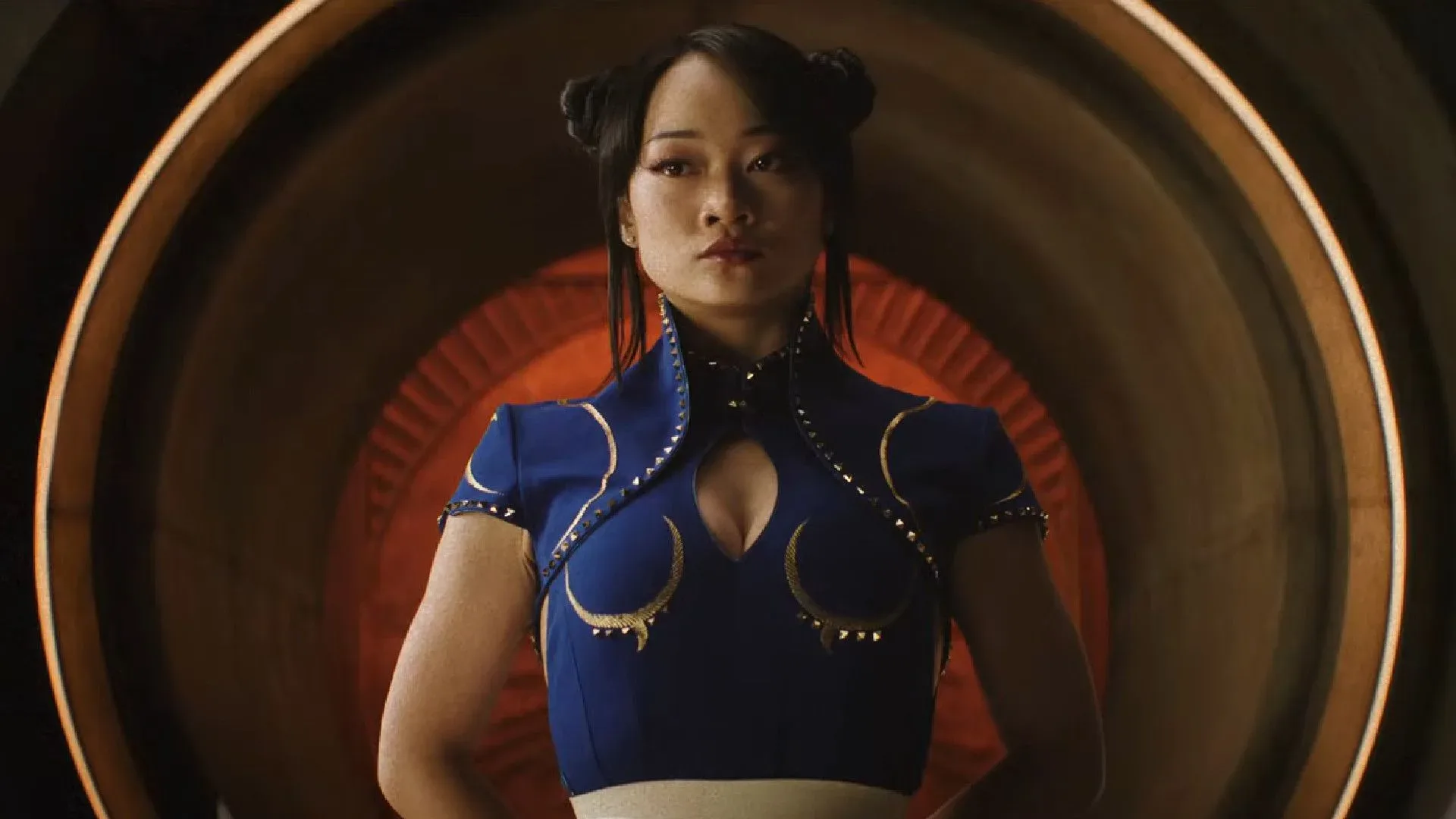
The comments also sit alongside a broader appreciation for the women who shape famous game characters. As with the discussion around Chun-Li’s evolving character design, the details that create a screen icon are often connected to larger questions of representation, practicality, and the people responsible for bringing them to life.
The practical takeaway from a candid answer
There is no indication that Regan is presenting a universal solution for action performance, nor should there be. Her explanation is personal: on difficult days, the holster’s added weight and Lara’s established persona help her access a feeling of strength. What works is specific to her process.
Still, the underlying idea is broadly understandable. Physical objects can change how a person carries themselves. A piece of wardrobe, a prop, or a familiar work ritual can offer a useful transition from everyday self to professional task. In Regan’s case, Lara’s holsters are not simply props waiting for a combat scene. They help create the grounded, confident body language needed to portray one of gaming’s defining action heroes.
That makes the moment both refreshingly ordinary and distinctly Lara Croft: even on a day when confidence is harder to find, the gear goes on, the stance settles, and the adventurer is ready for another impossible job.