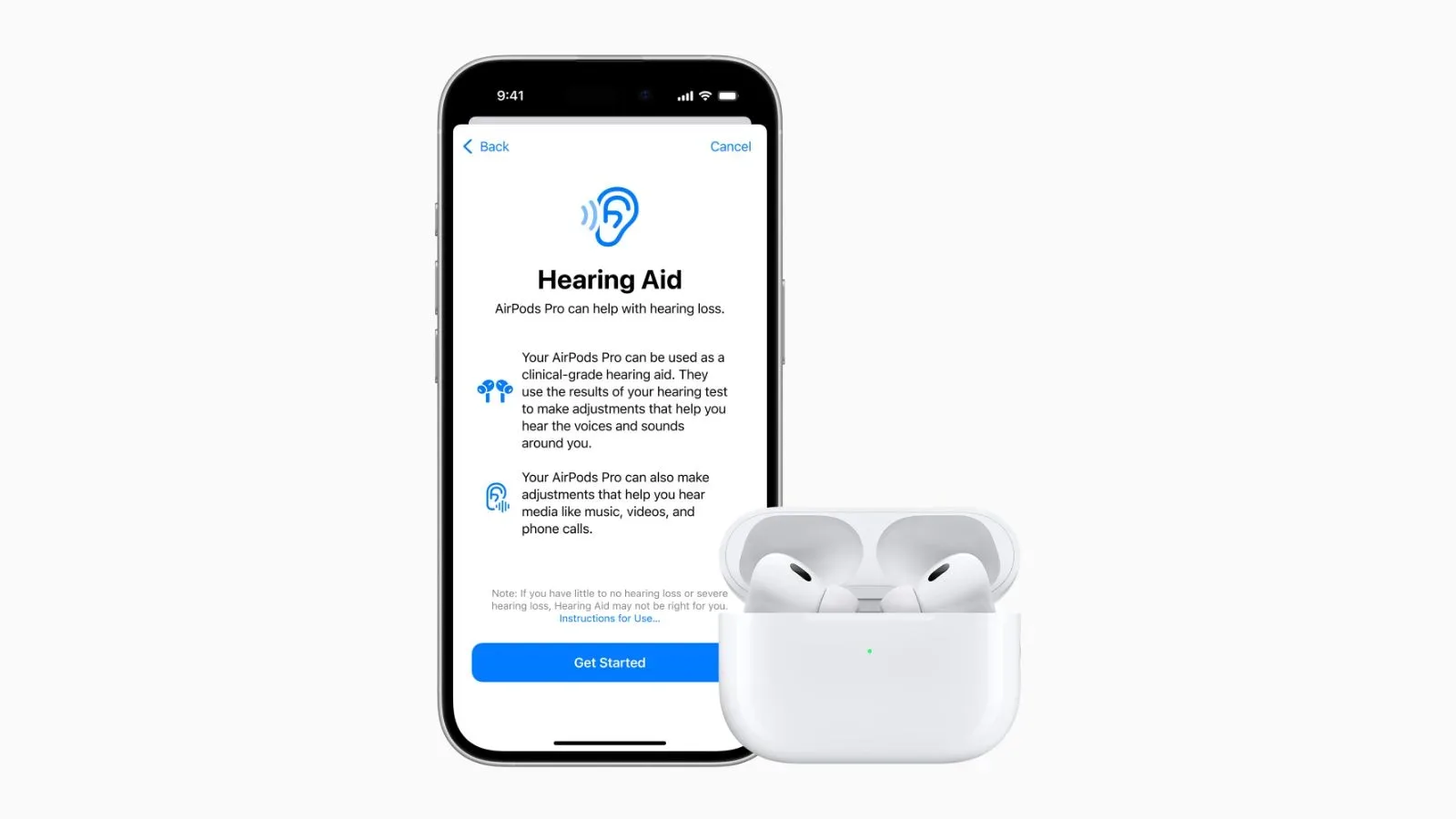
Apple’s incoming iOS 27.2 and iPadOS 27.2 updates will make two health-focused AirPods Pro functions available in five Canadian provinces. The Hearing Aid and Hearing Test features will work for eligible users in Alberta, British Columbia, New Brunswick, Prince Edward Island and Saskatchewan when the software update, compatible device and latest AirPods firmware requirements are met.
The rollout applies to AirPods Pro 2 and AirPods Pro 3. It is a meaningful expansion for Canadian owners, but it is not a nationwide launch: the two features remain unavailable in Canada’s other provinces at this point. Ontario may eventually join the supported group, as a reported legal change there is expected to clear a path for availability, but that change and a feature launch should not be treated as complete until they happen.
iOS 27.2 and iPadOS 27.2 are currently in beta, with a public release potentially arriving very soon. The key word is potentially. Beta availability is not the same thing as a finalized release, and users should wait for the stable update to appear on their eligible iPhone or iPad rather than assume every beta feature is ready for daily use.
Which provinces are supported?
The Hearing Aid and Hearing Test functions are set to be supported in:
- Alberta
- British Columbia
- New Brunswick
- Prince Edward Island
- Saskatchewan
Regional availability matters because hearing-related features can face different requirements depending on where a person lives. In practical terms, owning the right earbuds alone is not enough. Apple’s stated requirements combine a supported province, AirPods Pro 2 or later with current firmware, and a compatible iPhone or iPad running iOS 27.2 or iPadOS 27.2 or later.
That layered requirement is worth checking carefully. A user with AirPods Pro 2 may still need to update the paired device and ensure the earbuds have received the latest firmware. Someone with an otherwise up-to-date iPhone but an unsupported AirPods model will not gain these specific functions. And users outside the five listed provinces should not expect the Hearing Aid or Hearing Test options to appear simply because iOS 27.2 is installed.
What the Hearing Aid feature is intended to do
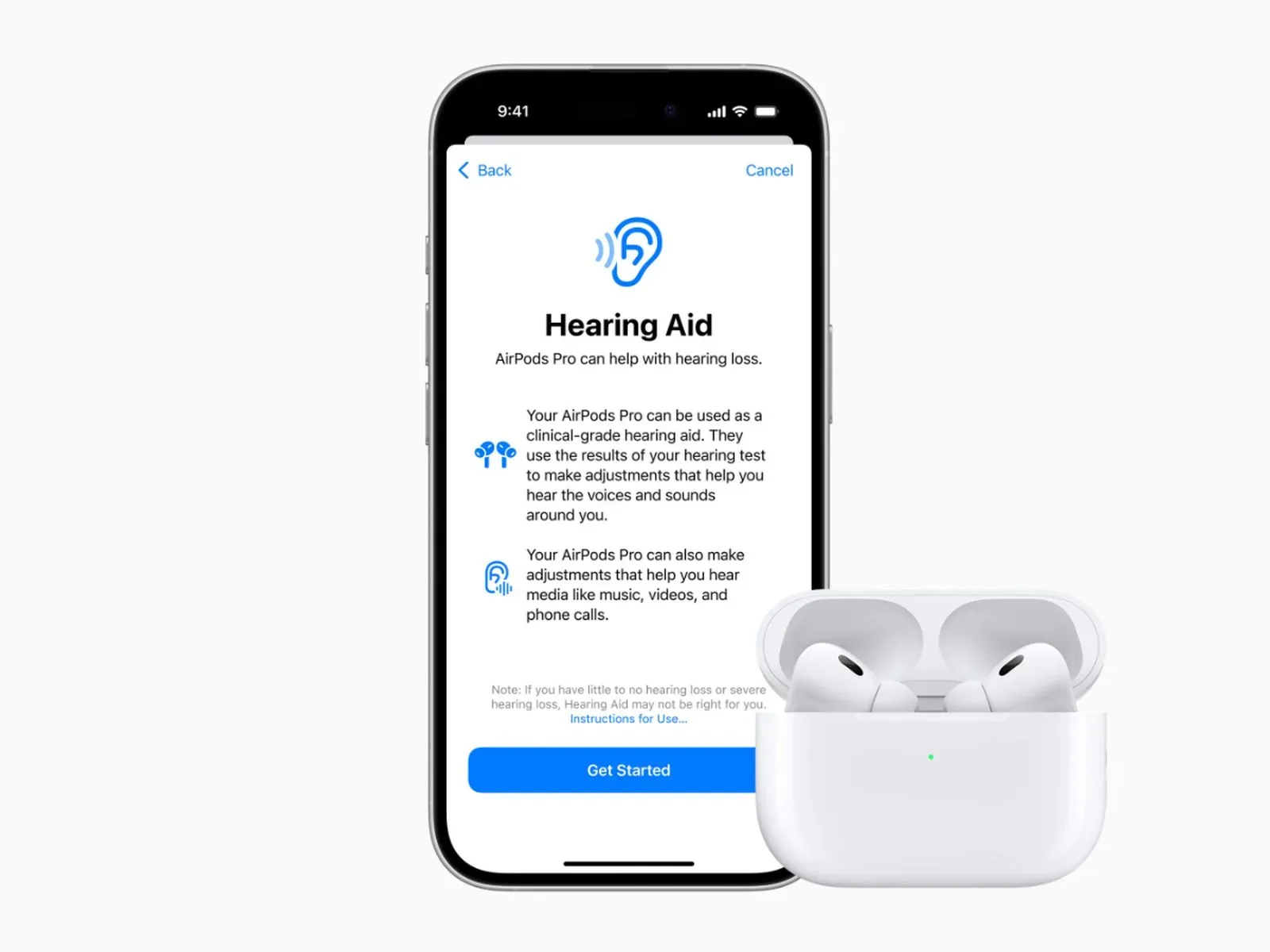
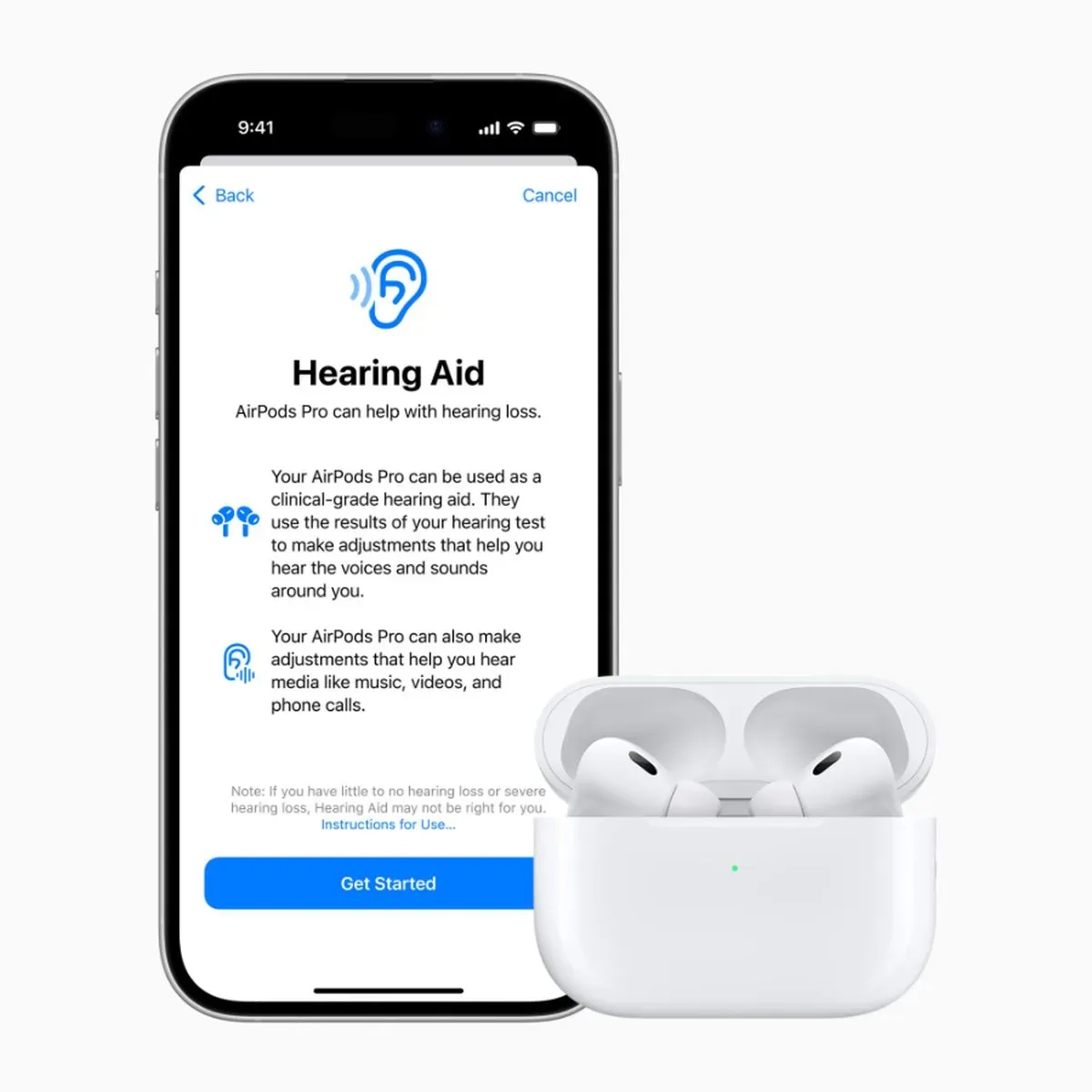
Apple describes Hearing Aid as a clinical-grade feature that can amplify surrounding sound through compatible AirPods Pro. It is designed for adults who perceive that they have mild to moderate hearing loss, and it is offered at no extra charge.
“Amplify surrounding sound” is the most useful plain-language description of the feature. Rather than being a new music mode or a gaming-audio preset, it is intended to make external sound more audible to the wearer. That distinction is important. Features designed around hearing support have a different purpose from standard headphone tools such as volume adjustment, active noise cancellation or transparency-style listening.
The stated audience is also specific: adults with perceived mild to moderate hearing loss. That wording does not mean an earbud feature can settle every hearing question or replace every form of professional care. It indicates that Apple has positioned the tool around a particular range of needs, rather than presenting it as a one-size-fits-all answer for any hearing difficulty.
For eligible users, the no-additional-cost part may be especially notable. The value of the rollout is not just that AirPods Pro gain another setting; it is that a supported owner in one of the listed provinces can access a hearing-support function without a separate feature fee. Of course, that does not erase the hardware requirement: the feature is limited to AirPods Pro 2 and later, paired with a compatible, updated iPhone or iPad.
The five-minute Hearing Test, explained
The accompanying Hearing Test is intended to help adults identify whether they may have hearing loss. It takes roughly five minutes and measures a person’s ability to hear sounds at different frequencies. Afterward, it provides a hearing-loss classification and recommended next steps.
Frequency refers to the pitch of a sound: broadly, lower frequencies are lower-pitched sounds and higher frequencies are higher-pitched sounds. A test that checks multiple frequencies is looking beyond a single “can you hear this?” prompt. The result can help indicate whether a listener has difficulty hearing particular ranges of sound.
The output is framed as a classification plus recommendations, not as a vague wellness score. That makes the feature more actionable than a generic hearing check, while still requiring sensible interpretation. A classification can help a user recognize that a concern is worth addressing; recommended next steps provide direction after the test rather than leaving the result as an isolated number or label.
It is equally important not to overstate what has been announced. The available information says the test helps adults identify hearing loss by assessing responses to different sound frequencies. It does not establish that every hearing condition can be diagnosed by the feature, nor does it list every possible recommendation a user could receive. Anyone considering the tool should treat it as the hearing-focused feature Apple describes, and pay attention to the guidance presented after their own result.
Hearing Protection was already available in Canada
Canada is not receiving every hearing-related AirPods Pro capability for the first time. A third tool, Hearing Protection, was already available in the country on AirPods Pro 2 and later.
That creates a clearer three-part picture of Apple’s hearing feature set:
- Hearing Protection: already available in Canada for compatible AirPods Pro.
- Hearing Test: becoming available in the five named provinces through iOS 27.2 and iPadOS 27.2, subject to the device, firmware and regional requirements.
- Hearing Aid: also becoming available in those five provinces on the same compatibility terms, aimed at adults with perceived mild to moderate hearing loss.
Keeping the names straight will help avoid confusion after the update lands. Hearing Protection being available does not mean Hearing Test and Hearing Aid were previously available throughout Canada. Conversely, the new provincial expansion does not change the fact that Hearing Protection was already an option for eligible Canadian users.
What AirPods Pro owners should check before expecting the features
For people in Alberta, British Columbia, New Brunswick, Prince Edward Island or Saskatchewan, a short compatibility check is more useful than immediately hunting through settings.
- Confirm that the earbuds are AirPods Pro 2 or AirPods Pro 3.
- Confirm that the paired iPhone or iPad is compatible with iOS 27.2 or iPadOS 27.2.
- Install the finalized iOS 27.2 or iPadOS 27.2 release once it is available.
- Ensure the AirPods have the latest firmware.
- Confirm that the user is in one of the supported provinces.
Each item matters because the rollout is tied to the whole setup, not just an AirPods product name. This is a familiar reality for connected hardware: capabilities often depend on a particular device, operating-system version, firmware revision and regional authorization all lining up at once. The same broad principle appears across consumer electronics, including the platform questions surrounding a possible future PlayStation handheld: hardware potential alone does not explain the final experience without the software and platform details behind it.
For AirPods owners outside the five provinces, the practical advice is simpler: do not assume that updating will unlock the two new features. The present information specifically limits support to the listed regions. Ontario is the province to watch because its reported legal change could enable a future launch, but no broader Canadian timetable has been established here.
A rollout that began outside Canada in 2024
The Hearing Test and Hearing Aid functions first arrived in the United States and selected other countries in October 2024. Their availability in five Canadian provinces through the forthcoming software updates therefore represents an extension of an existing feature set, rather than the debut of entirely new AirPods Pro hardware.
That context also explains why model eligibility is already defined. Apple identifies AirPods Pro 2 and later as the supported products, so the current Canadian expansion is centered on bringing regional access to hardware that already supports the features. Owners of older AirPods models should not read the iOS 27.2 and iPadOS 27.2 update as a promise of compatibility.
For now, the clearest takeaway is narrowly defined: eligible adults in Alberta, British Columbia, New Brunswick, Prince Edward Island and Saskatchewan will be able to use the Hearing Test and Hearing Aid features on AirPods Pro 2 or AirPods Pro 3, provided they have the current AirPods firmware and a compatible iPhone or iPad running iOS 27.2 or iPadOS 27.2 or later. Hearing Protection remains separately available in Canada, while availability for the remaining provinces has yet to be announced.