For years, Apple’s scale made it one of the most formidable buyers in the flash-storage business. As iPhone sales grew, the company became the world’s largest purchaser of flash storage, giving it considerable leverage when negotiating with the manufacturers that supply the chips. That balance is now under pressure from a severe memory-chip shortage linked to AI companies expanding enormous data centers.
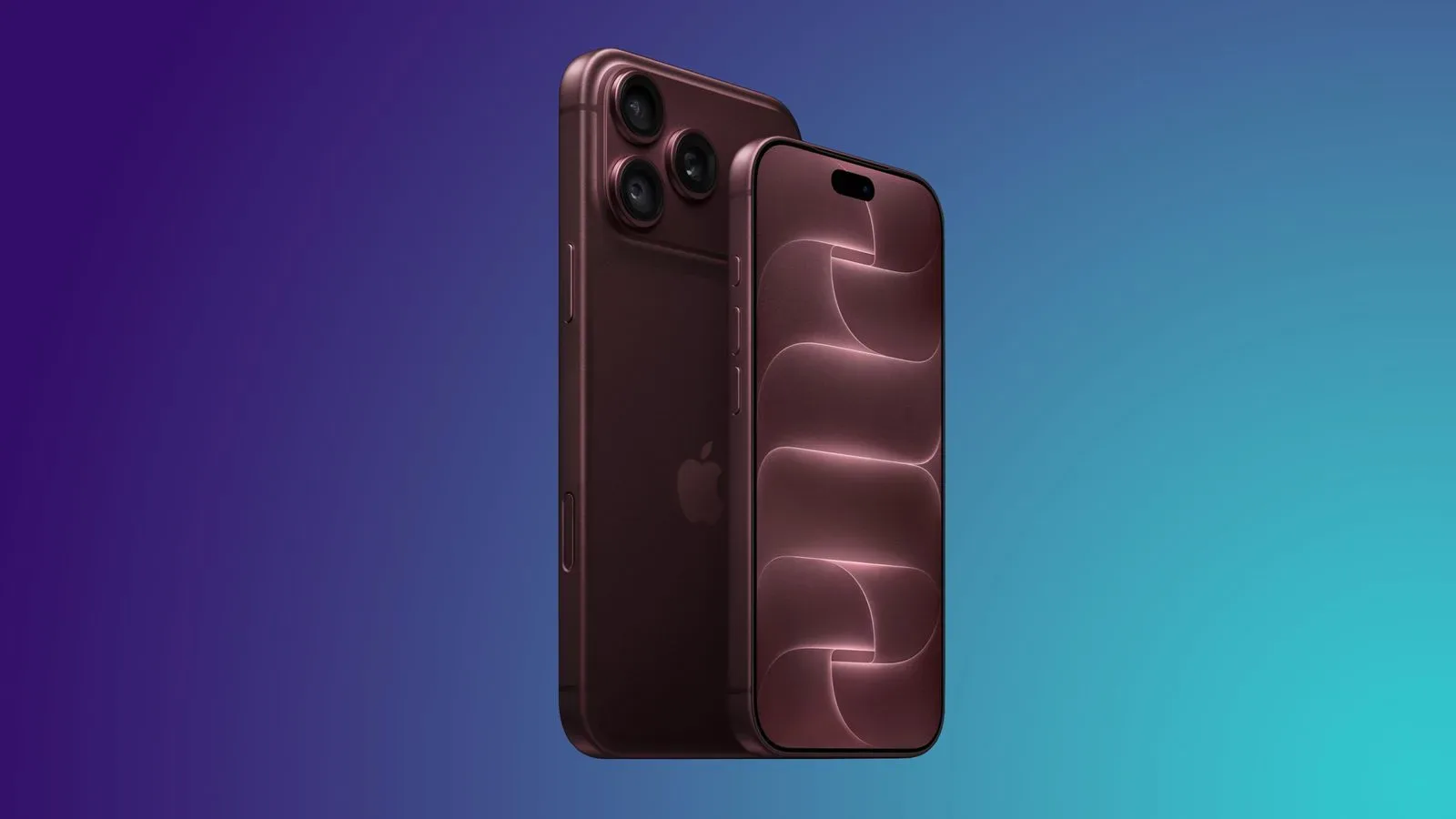
The immediate consumer-facing result is straightforward: components cost more, and Apple has attributed price increases across more than a dozen products this year to the memory shortage. Those increases have affected iPhones, iPads, Macs, HomePods and Apple TV hardware, among other products. But the larger story is a supply-chain reversal. The companies making flash storage and RAM now have alternative customers with enormous demand, reducing the negotiating advantage Apple previously enjoyed.
For people who follow gaming hardware, consumer electronics or the business behind devices, it is a useful reminder that the price and configuration of a phone, computer or console-adjacent accessory can depend on forces far beyond the product itself. The same broad technology buildout supporting AI services is competing for memory components that also matter to everyday electronics.
What is flash storage, and why does it matter?
Flash storage is non-volatile memory: it retains data even when a device is switched off. It is the type of storage used for files, apps, games, photos and operating systems in many modern devices. When a buyer chooses a phone with more gigabytes of storage, that decision requires more flash storage components.
RAM, or random-access memory, serves a different job. It is working memory used while a system is actively running applications and processing information. Both flash storage and RAM are part of the current shortage described in the report, and both are relevant to the data centers being built to support AI workloads.
That distinction matters because a shortage does not merely affect the headline price of a finished device. It can also change which capacities are most costly for manufacturers to offer, how profitable optional upgrades are, and how aggressively companies can use storage tiers to separate their product configurations.
The leverage Apple once held
Apple’s historic buying power came from its enormous flash-storage demand. The report describes hardball supplier negotiations involving Apple and Tony Blevins, its former head of procurement. Procurement is the corporate function responsible for obtaining the parts and services a company needs. In a technology company’s supply chain, that means negotiating volumes, prices, delivery terms and other conditions with component makers.
One account in the report says Apple would sometimes decline delivery after ordering flash at extremely low prices when market prices subsequently fell. That reportedly left suppliers carrying unsold inventory, including chips customized for Apple. Kioxia, a Japanese flash-storage maker previously called Toshiba Memory Corporation, was cited as one company whose executives felt whipsawed by that dynamic.
The report also says Apple pushed flash makers to disclose their books so it could track sales and ensure other customers were not receiving a better arrangement. Another account concerned Sandisk, which reportedly declined Apple’s request for additional supply around the end of 2015 because it had buyers willing to pay more. The allegation is that Blevins then threatened retaliation in a conversation with a Sandisk salesperson, referring to then-chief executive Sanjay Mehrotra.
Those are reported descriptions of past negotiations, not a complete account of every supplier relationship. Apple’s spokesperson emphasized that the company has worked with many suppliers for decades, values those partnerships and expects to continue working with them.
AI data centers changed the buyer hierarchy
The crucial change is not that Apple stopped being a vast component buyer. It is that other buyers have become even more significant in the memory market. AI companies and large cloud-platform operators are building data centers that need substantial amounts of flash storage and RAM.
These companies are often described as hyperscalers: organizations operating data centers and computing infrastructure at extremely large scale. Microsoft, Amazon, Meta and Google are the companies named in the reported market comparison.
TechInsights estimates cited in the report indicate that, two years ago, Apple bought nearly twice as much flash storage as Microsoft, Amazon, Meta and Google combined. The current picture is markedly different: hyperscalers are now said to be buying double Apple’s share.
That change gives suppliers more options. When there are several very large buyers competing for a constrained supply of components, a single buyer has less room to dictate terms. In practical terms, storage manufacturers can prioritize customers prepared to pay more or accept the available terms. Apple may still have major scale and long-running supplier relationships, but scale alone is less decisive when AI-related infrastructure demand is absorbing so much memory capacity.
This is why the story is about more than one company’s purchasing strategy. It is an example of AI infrastructure having indirect effects on physical products people buy. A data center does not look like an iPhone, iPad or Mac, but the systems can compete for related memory components.
Why storage upgrades are a revealing pressure point
Apple’s pricing pressure is visible not only in the prices of complete devices but also in the economics of capacity upgrades. Storage upgrades are optional configurations in which buyers pay more for a higher-capacity model. They can be especially sensitive to flash-component costs because their core purpose is to supply more storage.
TechInsights estimated that Apple earns a gross profit of $134 when a customer pays $200 to move an iPhone 18 Pro from 256GB to 512GB. For the equivalent upgrade on the previous year’s iPhone 17 Pro, the estimate was $185. The comparison does not mean Apple stops profiting from upgrades; rather, it indicates that the gross profit attached to that particular $200 step has narrowed.
Gross profit is the money remaining after direct costs associated with making and selling a product are subtracted from its revenue. It is not the same as a company’s total profit, because it does not account for every business cost. Still, it is an important measure for understanding why a shortage can affect a manufacturer even when it passes part of the increase on to customers.
There are two pressures at work. First, higher component costs can reduce the profit on a given device or upgrade. Second, raising the price charged to customers can weaken demand. Apple therefore has to balance its own margins with the possibility that a more expensive product, or more expensive storage tier, becomes less attractive to buyers.
What customers can take from the situation
The available information does not establish how Apple will price every future product or configuration. It does, however, offer a clear explanation for why capacity options can become a more consequential buying decision during a memory shortage.
- Compare the total configuration cost: A base device price is only one part of the purchase. The jump to a higher storage tier can substantially change the final cost.
- Match capacity to actual use: Storage needs differ sharply between people who keep extensive photo libraries, download large games or video, and those who primarily stream or use cloud-based services.
- Expect supply conditions to influence pricing: Hardware pricing can reflect component constraints even when the product’s outward design or feature list does not appear radically different.
- Separate storage from RAM: Both are memory-related components, but more device storage and more working memory solve different needs. A shortage affecting both does not make them interchangeable.
This broader squeeze also helps frame why technology companies are paying closer attention to components that can seem invisible to buyers. Storage capacity is often discussed as a specification, but it is also a supply-chain commitment. Every capacity tier depends on manufacturers being able to provide the required chips at a workable cost.
A prolonged shortage would keep the pressure on
On an earnings call this week, SK Hynix forecast that the memory-chip shortage could continue through 2030. If that expectation proves accurate, the altered negotiating environment would not be a brief disruption. It would mean a multi-year period in which memory makers retain unusually strong leverage and the world’s biggest device brands must compete with AI infrastructure builders for supply.
That does not guarantee identical outcomes across every Apple product. The source material does not specify future models, configurations or pricing decisions. Nor does it suggest Apple has no tools to manage higher costs. The company still has long-standing supplier ties, enormous purchasing volume and the ability to adjust its offerings. Yet the reported decline in gross profit on one iPhone storage upgrade illustrates that even a company of Apple’s scale cannot fully insulate itself from an industry-wide supply imbalance.
There is a gaming-business angle worth watching as well. Gaming increasingly overlaps with the same wider technology ecosystem: powerful devices, large downloads, expansive media libraries and cloud infrastructure all make memory capacity relevant. The current market does not provide a direct claim about any particular gaming platform, but it reinforces a basic industry reality: component markets can shape consumer hardware decisions long before those pressures become obvious in a store listing.
For more on the ways technology and games strategy are increasingly being handled together across the entertainment business, see this look at Skydance’s coordination across DTC, technology and games.
Apple’s old advantage came from being a buyer large enough to command unusually favorable attention. AI’s data-center expansion has created a new class of massive memory customers, and suppliers now have more power to choose where their chips go. The costs are being felt in Apple’s product prices and in thinner estimated returns on certain storage upgrades—an unusually tangible sign of how far the balance has shifted.