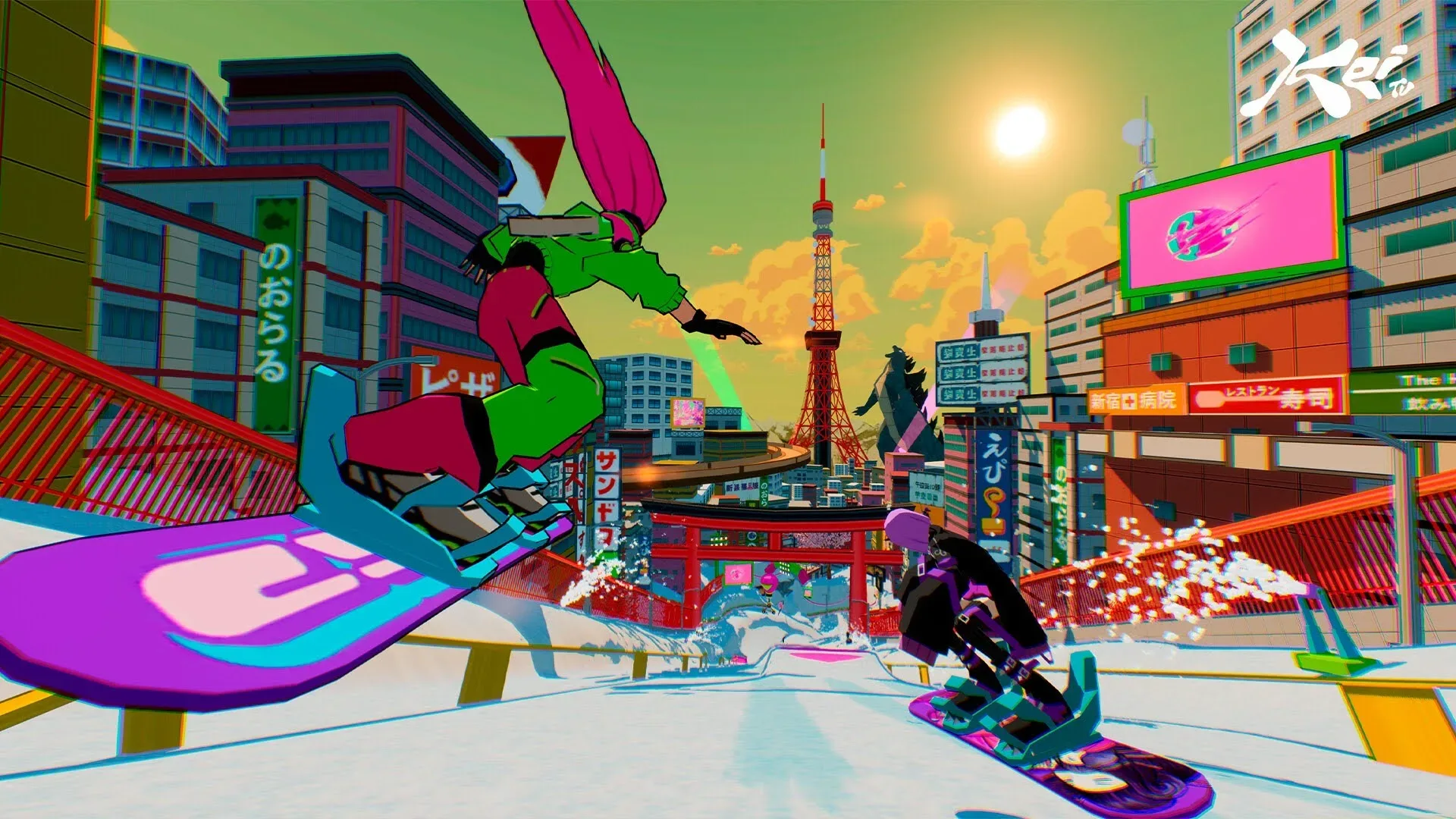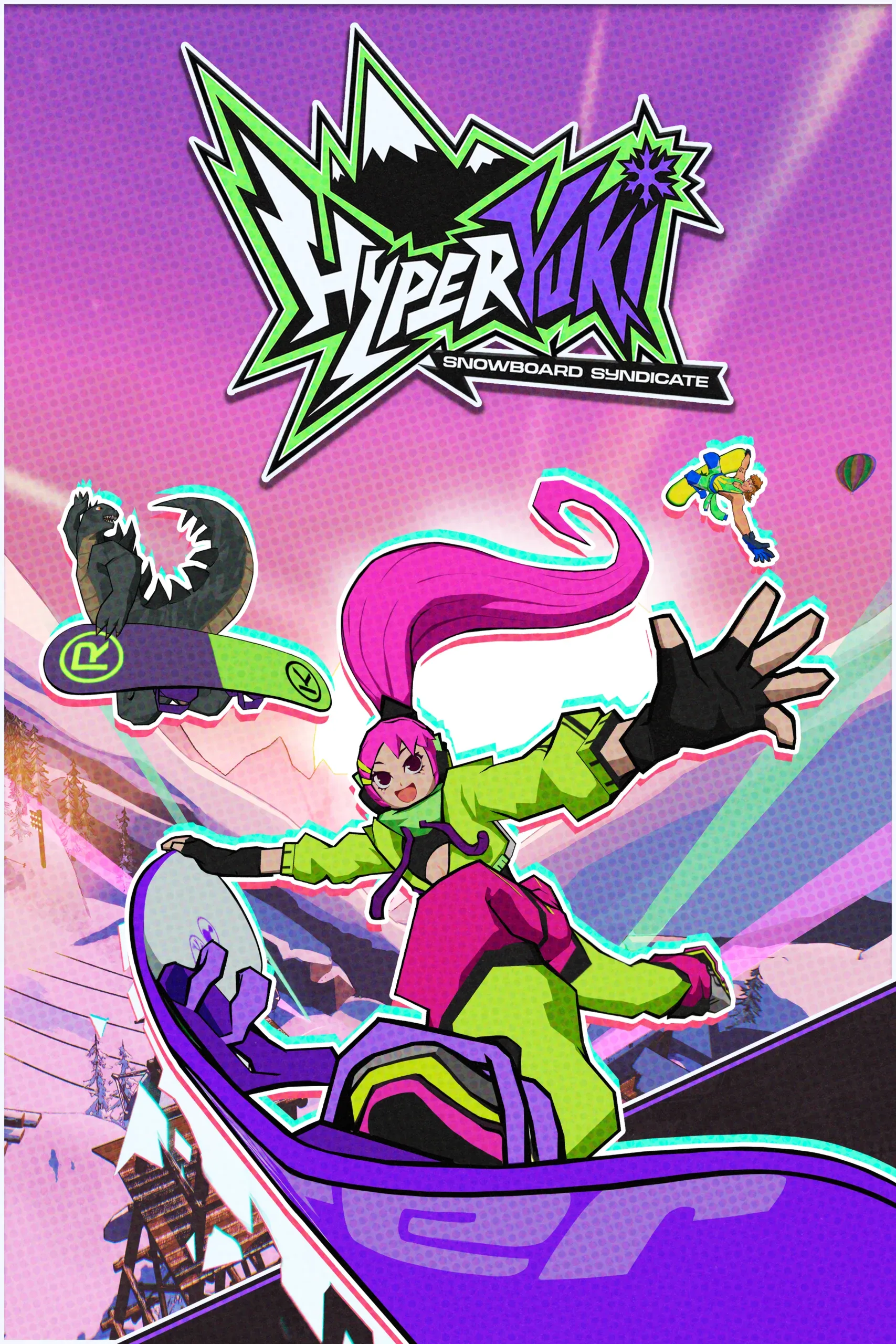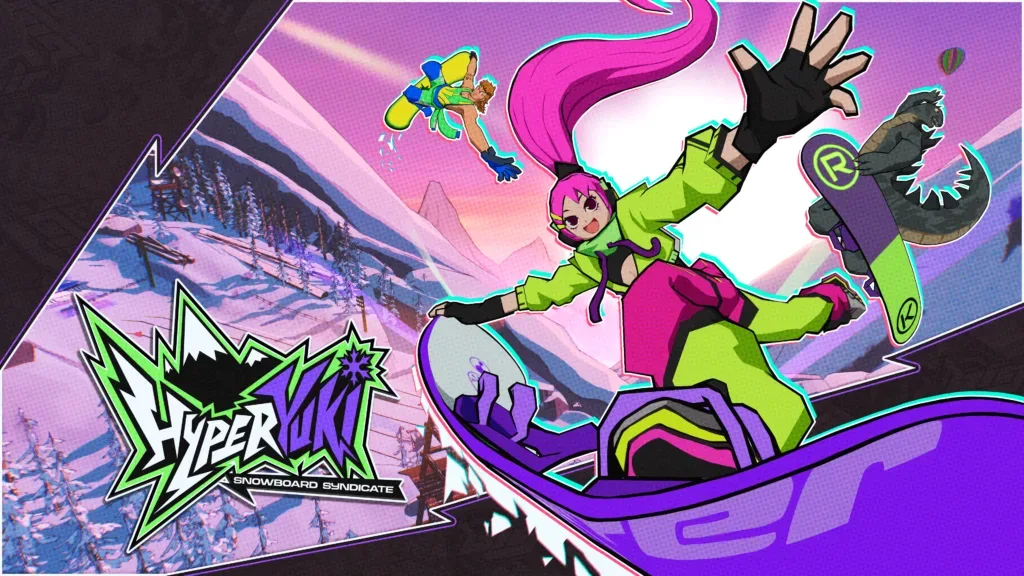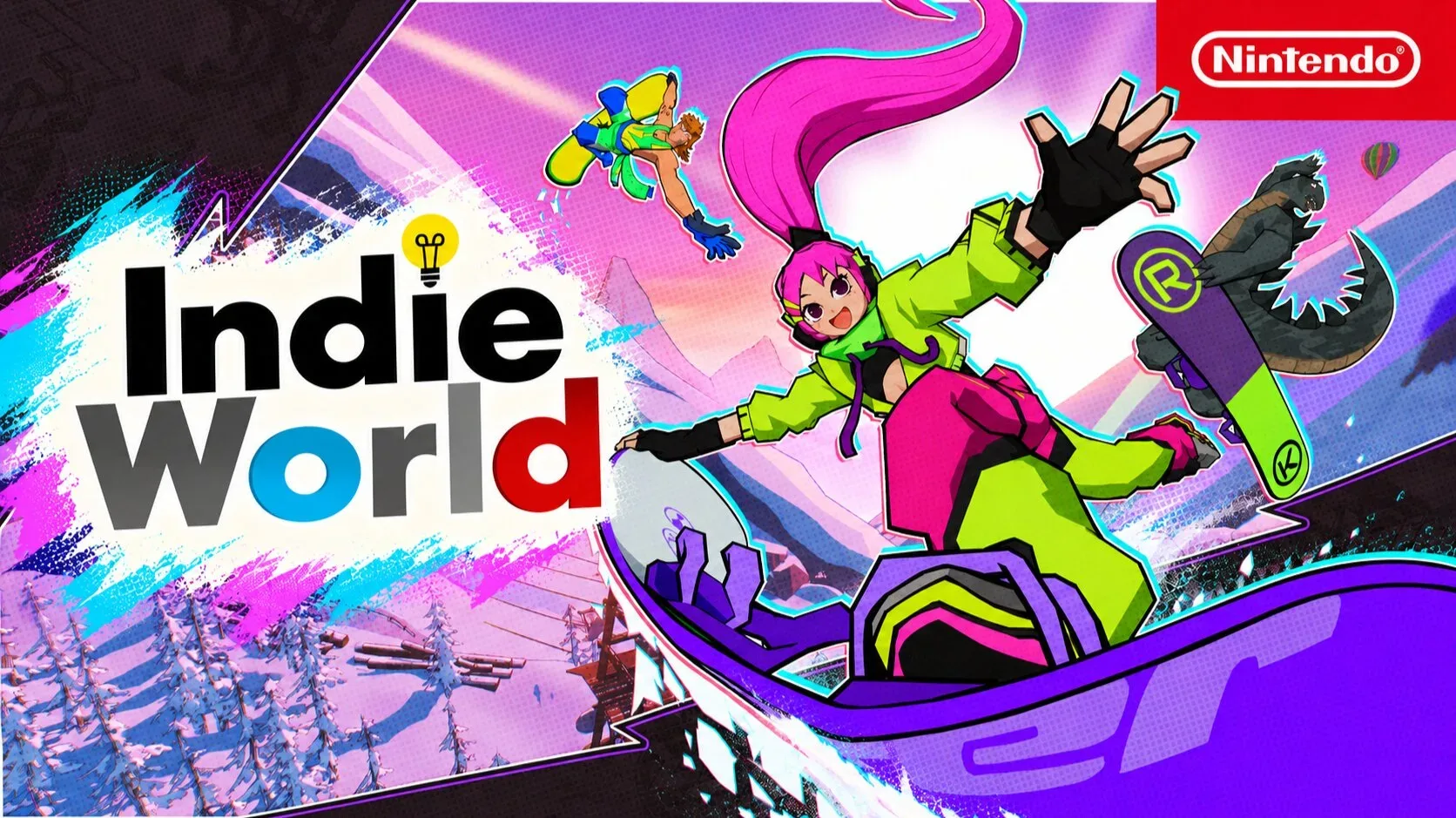
HYPERyuki: Snowboard Syndicate is carving toward Nintendo Switch 2, PlayStation 5, Xbox Series X|S and PC via Steam in early 2027. Developed by Wabisabi Games and published by Acclaim, the newly revealed snowboard game leans hard into bright, Y2K-flavored arcade excess: huge jumps, extended trick combinations, high speed, exaggerated riders and courses inspired by real-world locations.
The game appeared in Nintendo’s Indie World Showcase with a new Switch 2 announcement trailer. It is also planned to work in both docked big-screen play and handheld play on Nintendo’s system, while the wider platform lineup gives snowboarding fans a choice between console and PC when it arrives.
There is a nearer stop before that early-2027 launch window. A Steam demo is planned for next month, which places it in November 2026 based on the announcement date. Specific content for the demo has not been detailed, so players should treat it as an early taste rather than an indication that every announced mode or multiplayer option will be available there.
An arcade snowboarder built around momentum
HYPERyuki is positioning itself as an arcade snowboard game rather than a simulation. That distinction matters. An arcade sports game generally prioritizes responsive movement, spectacle and easy-to-understand scoring systems over an exact recreation of the real sport’s physics or rules. Here, the stated pillars are big air, large combos and constant speed—three ingredients designed to make every run feel like an opportunity to find a more dramatic line downhill.
The game cites classic SSX as an inspiration. That reference sets useful expectations for its tone: snowboarding treated as a platform for impossible-looking stunts and maximalist personality, not a sober alpine exercise. It does not, however, confirm particular control schemes, trick inputs, progression systems or course structures. Those details remain to be shown.
“Y2K-style” similarly describes an aesthetic direction rather than a technical feature list. In this case, it signals an early-2000s-inspired visual and cultural energy that suits an arcade snowboarding game: loud presentation, stylized characters and an intentionally over-the-top sense of fun. The announced playable cast underlines the point. Riders include a giant kaiju and a sentient taco, a clear indication that HYPERyuki is not chasing conventional sports-game realism.
Three modes aim at different kinds of runs
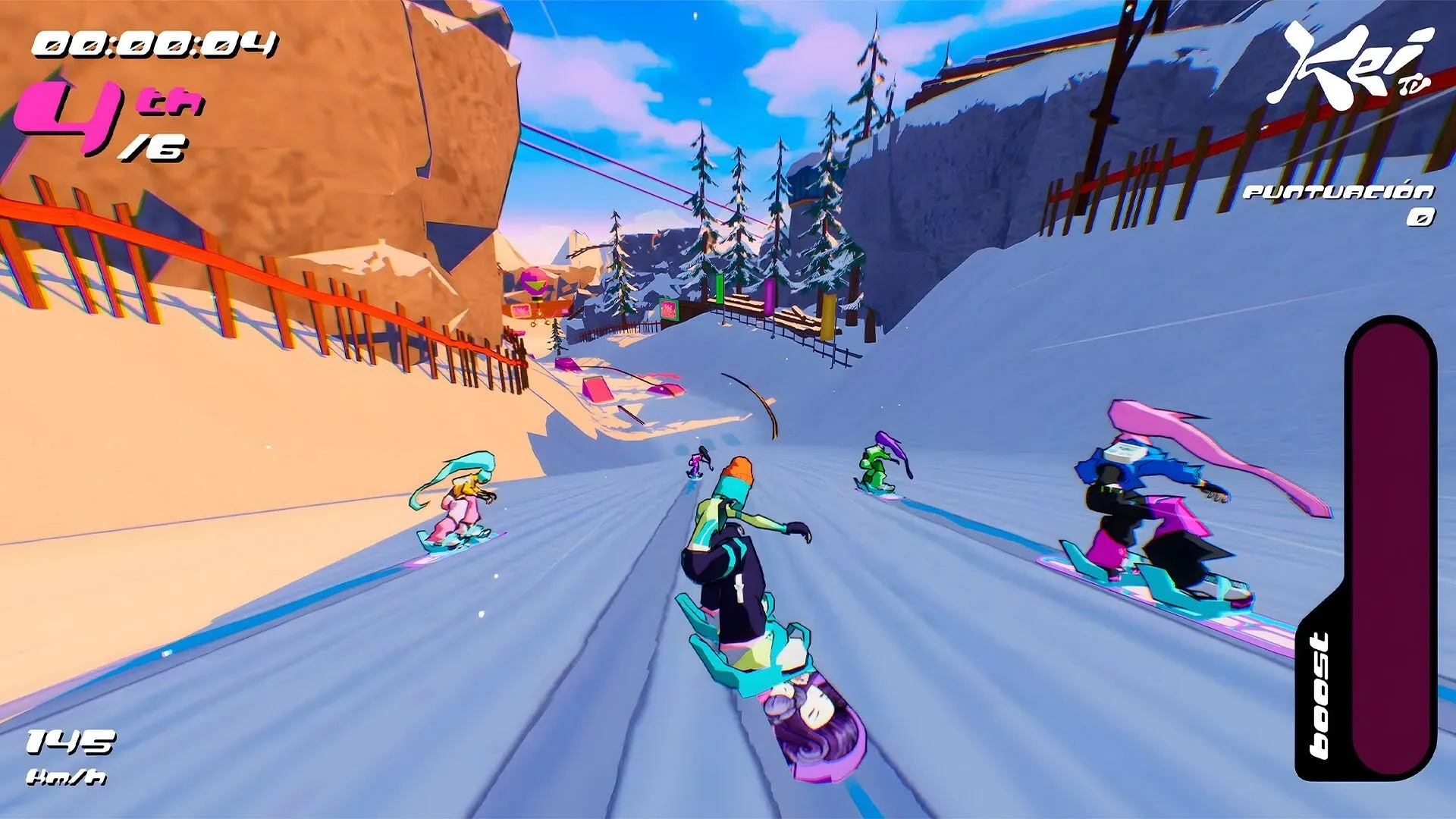
The announced mode lineup divides the snowboarding action into Challenge, Race and Chill. Each one suggests a different reason to replay a course, and the split could make the game approachable for groups whose interest in snowboarding games varies widely.
Challenge: score chasing with objectives
Challenge mode is built around objective-based high-score runs. A high-score run is exactly what it sounds like: players attempt to bank as many points as possible in a limited outing. The objective layer means the mode is not described simply as a free score attack. Instead, players will have tasks to complete while pursuing a strong total.
The announcement does not specify the objectives, scoring formula or whether a crash resets a combo. Still, the combination of objectives and scoring gives Challenge a clear competitive-replay angle. It should appeal to players who enjoy learning routes, seeking air from favorable terrain and improving a performance one decision at a time.
Race: tricks are part of going fast
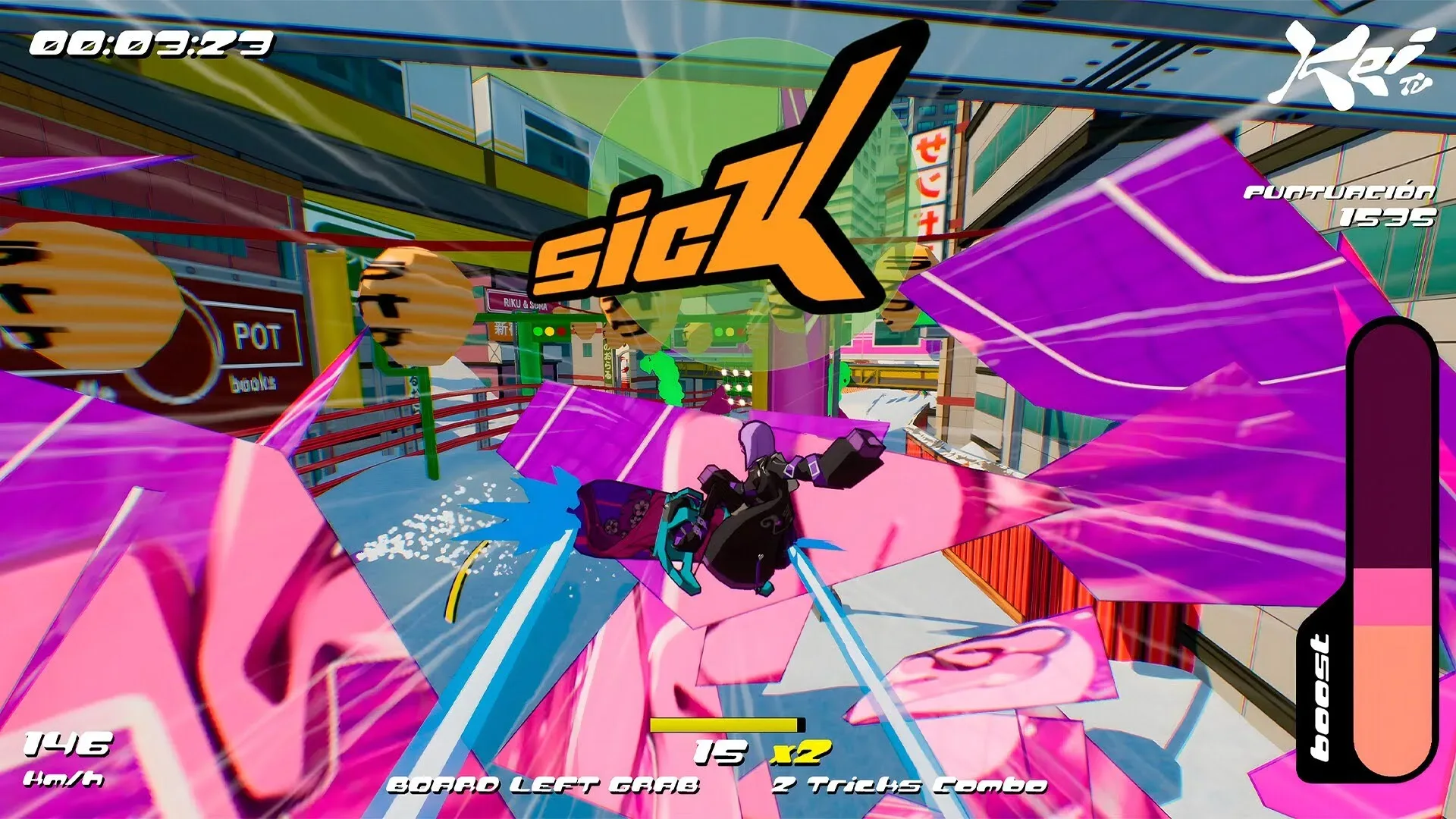
Race mode focuses on speed competitions, but it carries an important twist: tricks fuel boost. In practical terms, the game is framing stunts as part of racing efficiently rather than as something separate from the finish-line contest.
A boost is a temporary burst of speed. Linking it to tricks gives players a risk-reward choice. They may want to launch from terrain and perform enough stunts to maintain speed, but they also need to avoid losing time through a poorly chosen route. The exact way boost is earned, stored and spent has not been announced. Even so, the concept promises races where the fastest route may not always be the most direct route.
Chill: an endless alternative with secrets
Chill mode takes the pressure down. It is described as an endless, relaxed exploration mode that contains secrets to discover. “Endless” indicates that it is not presented as a conventional race toward a finish line, while “exploration” places the emphasis on wandering through the available environment at a player’s own pace.
For people who would rather poke around a mountain than chase a leaderboard, that could be the key mode. The announcement does not explain what the secrets are or whether finding them delivers rewards, so any assumptions about collectibles, unlocks or completion requirements would be premature. What is clear is that HYPERyuki intends to offer a lower-stakes counterpart to its high-score and racing modes.
Online groups and couch sessions are both on the board
HYPERyuki will support online multiplayer for up to eight players. Alongside that, it will include local split-screen, allowing people in the same room to play side by side on one display. Split-screen divides the screen into separate views so each participant can see their own rider and route; it is a feature especially useful for party play and spontaneous head-to-head sessions.
The two options are important for a game built on immediate arcade competition. Eight-player online support opens space for larger groups, while local play preserves the direct, social appeal of trading runs on the same couch. The announcement does not state whether every mode supports every multiplayer configuration, nor does it provide details about cross-platform play. Those are details to watch for closer to launch.
Switch 2’s docked and portable support also fits that flexible design. Docked play puts the game on a television or larger display, a natural fit for local split-screen. Portable play, by contrast, gives players a way to take an individual run away from the living room. Nothing has been said about performance differences between these use cases, but both are explicitly part of the Switch 2 plan.
Why the Steam demo is worth watching
The upcoming Steam demo is the most concrete opportunity for players to judge the game’s feel before its early-2027 release. For a trick-focused arcade snowboarder, feel is a major unknown until the board is in players’ hands. The central questions are straightforward: how readily does the game build speed, how much control is available in the air, and how naturally can tricks be chained into a combo?
It may also offer a first look at the balance between spectacle and readability. Big air and elaborate characters are part of HYPERyuki’s identity, but arcade games also need players to understand where they are headed and why a run succeeded or failed. The announced Challenge and Race concepts both depend on feedback being clear enough for players to recognize how objectives, points, tricks and boost relate to one another.
Until that demo arrives, the trailer provides the official visual introduction. The core promise is already distinct: an arcade snowboard game that treats speed, tricking, score chasing and relaxed exploration as different lanes on the same mountain. The kaiju and sentient taco ensure the game’s personality will not be mistaken for a conventional season-pass sports sim.
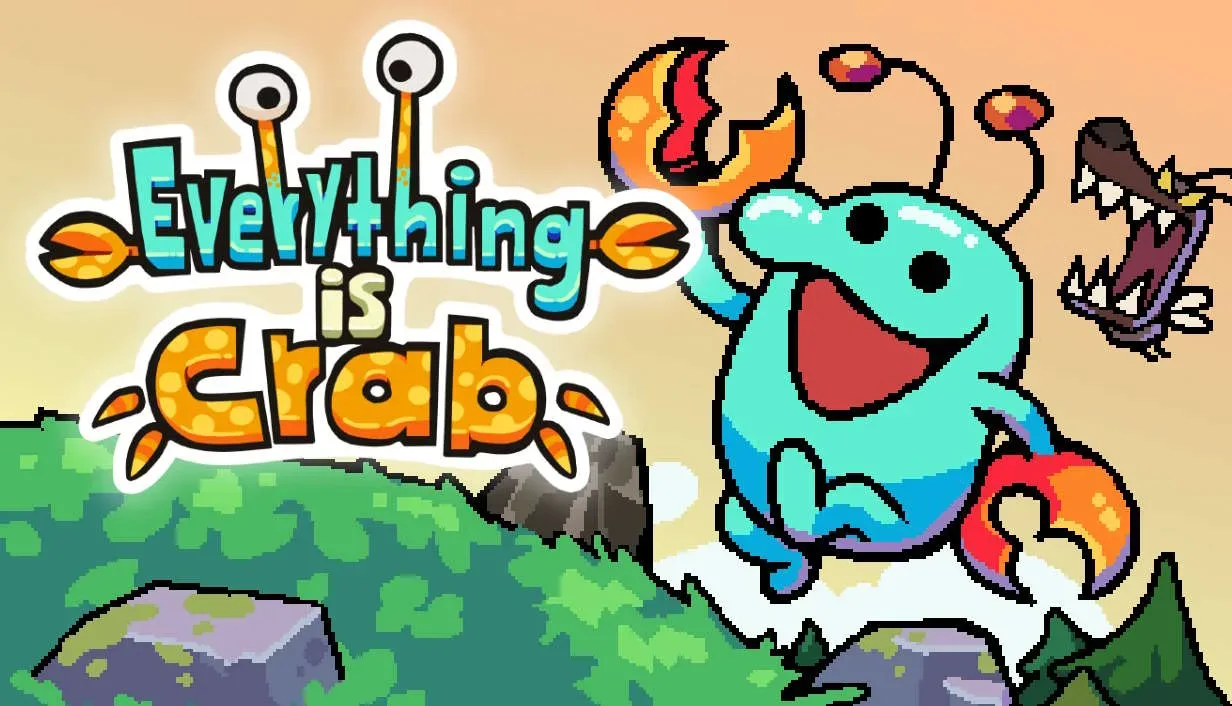
HYPERyuki joins a growing list of games targeting Switch 2 alongside other multi-platform releases, including Everything is Crab. For now, the key dates are November 2026 for the planned Steam demo and early 2027 for the full launch on Switch 2, PS5, Xbox Series X|S and PC.