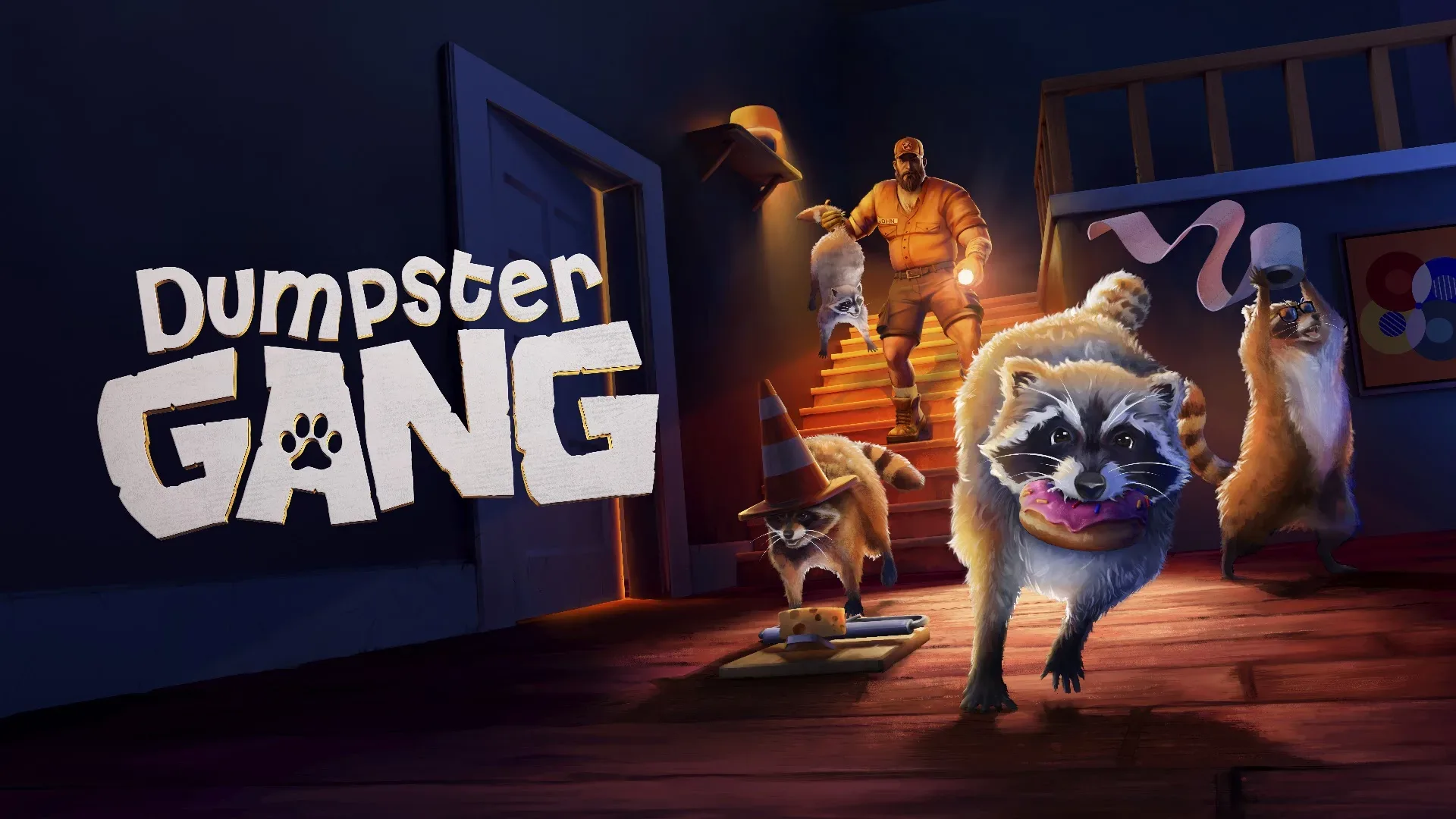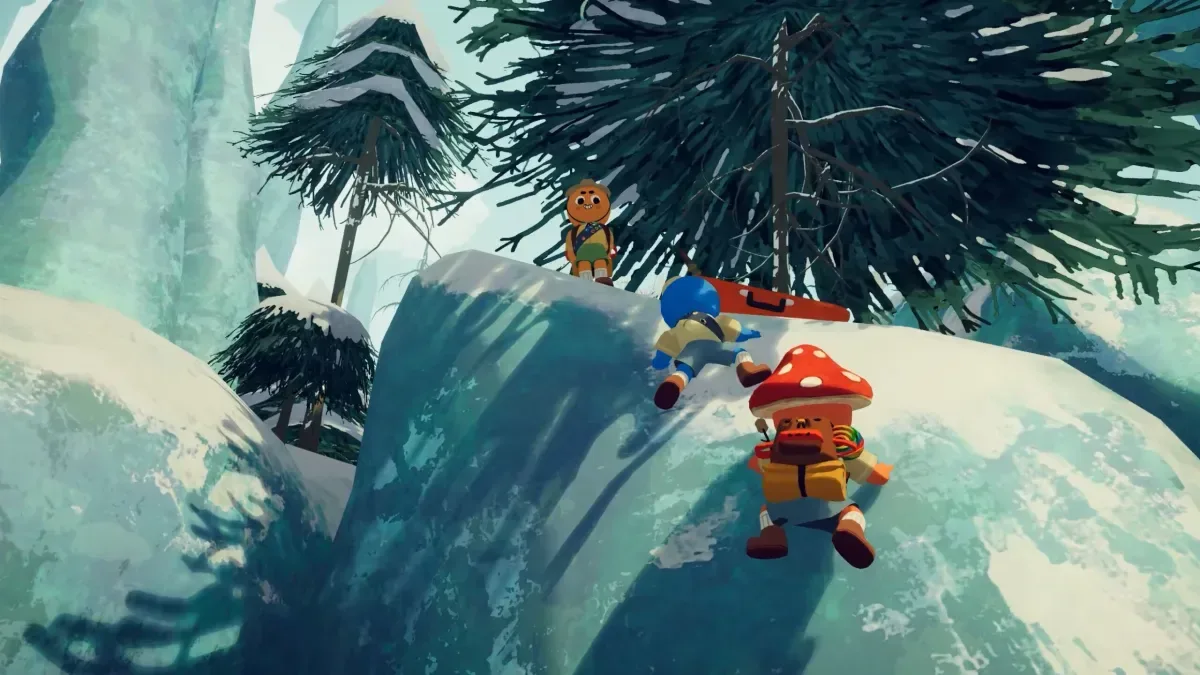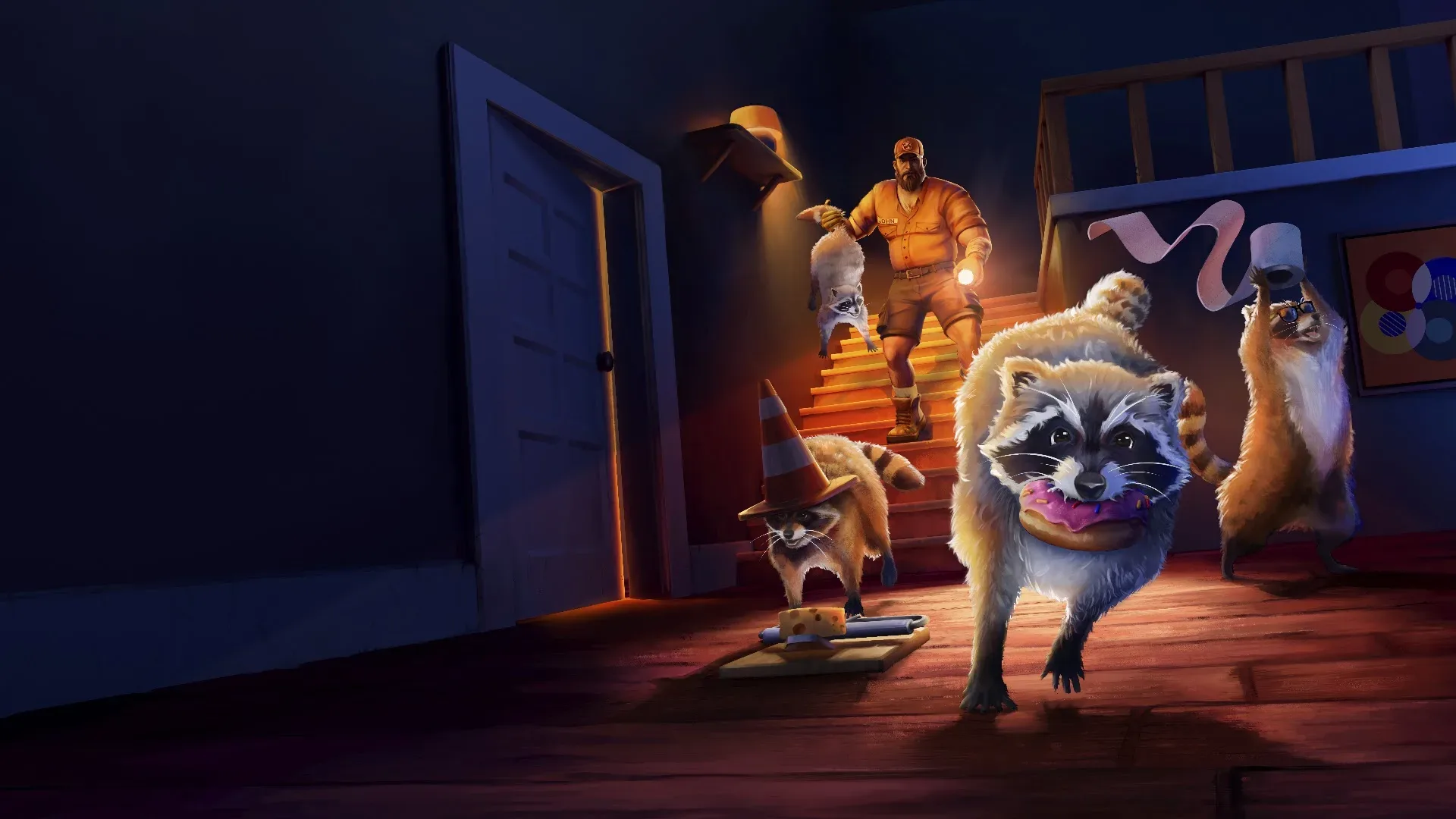
Dumpster Gang, the raccoon-led co-op sandbox game from Coyote House Games and Curve Games, has set two release windows: PC players are due to get it first on December 3, 2026, while console versions are planned for March 2027.
The December release covers Steam, Xbox on PC and PC Game Pass. The March console rollout is slated for Xbox Series X|S, Xbox Game Pass, PlayStation 5 and Nintendo Switch 2. A free demo is already available through Steam and Xbox on PC, containing the tutorial and the first two levels.
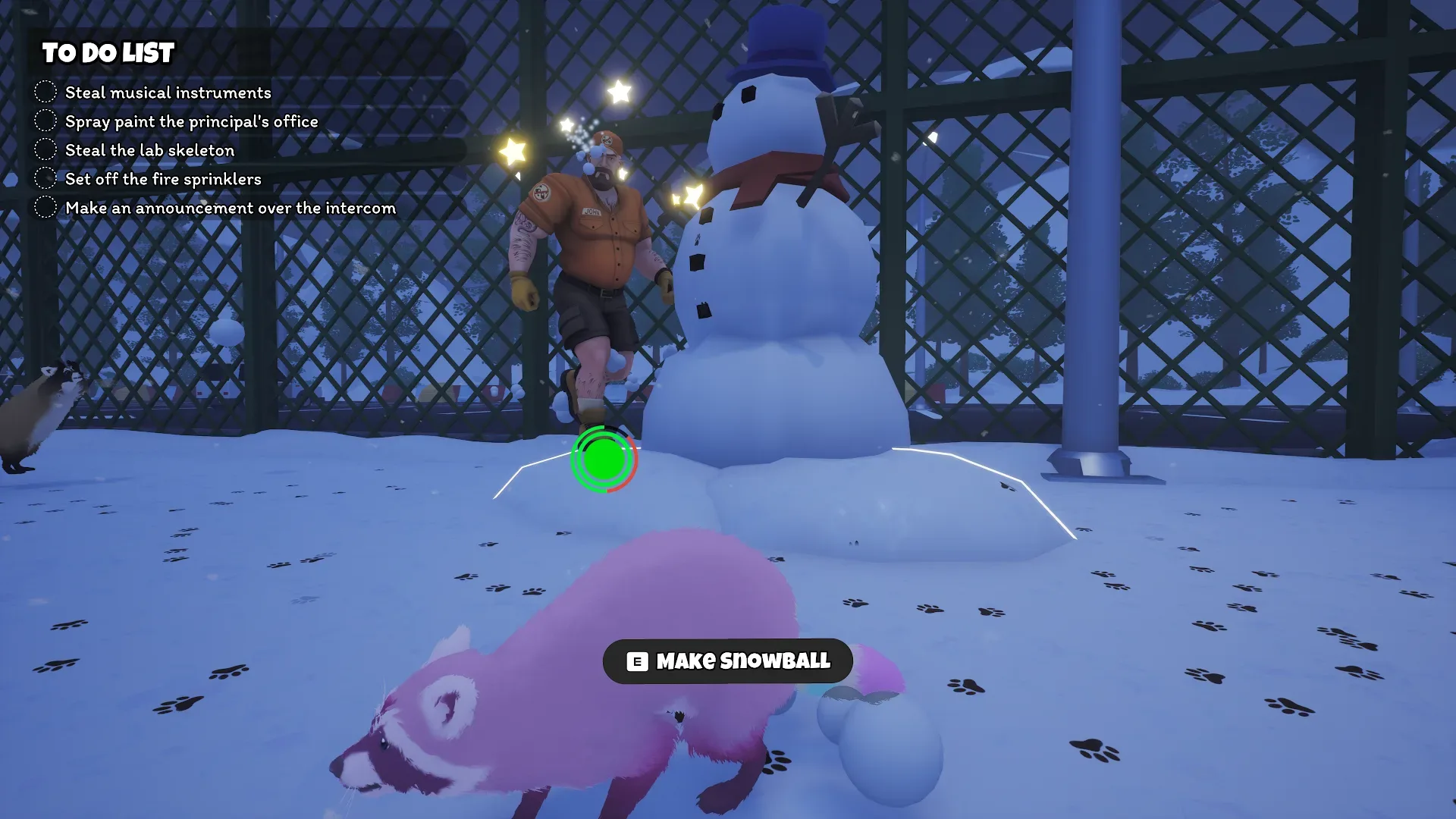
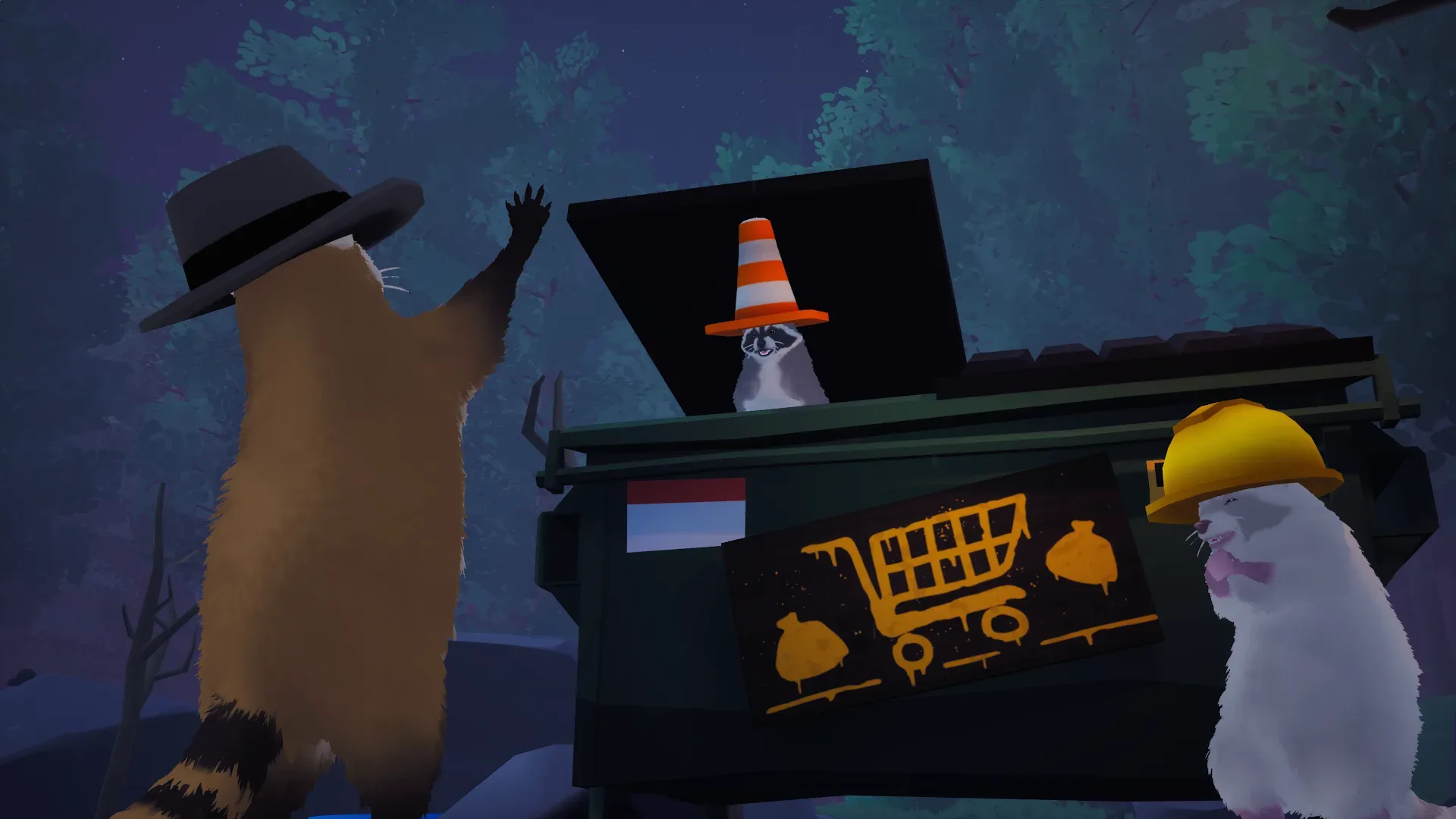
The premise is agreeably grubby. Players control raccoons that scavenge dumpsters, swipe useful junk, raid snacks and turn their finds into hideout improvements. But this is not presented simply as a scavenging game. The central hook is a sandbox structure built around interaction, physics-driven complications and co-op problem-solving: a small plan to grab loot can become a much bigger mess when traps, hazards, pursuing enemies and multiple players get involved.
What Dumpster Gang is asking players to do
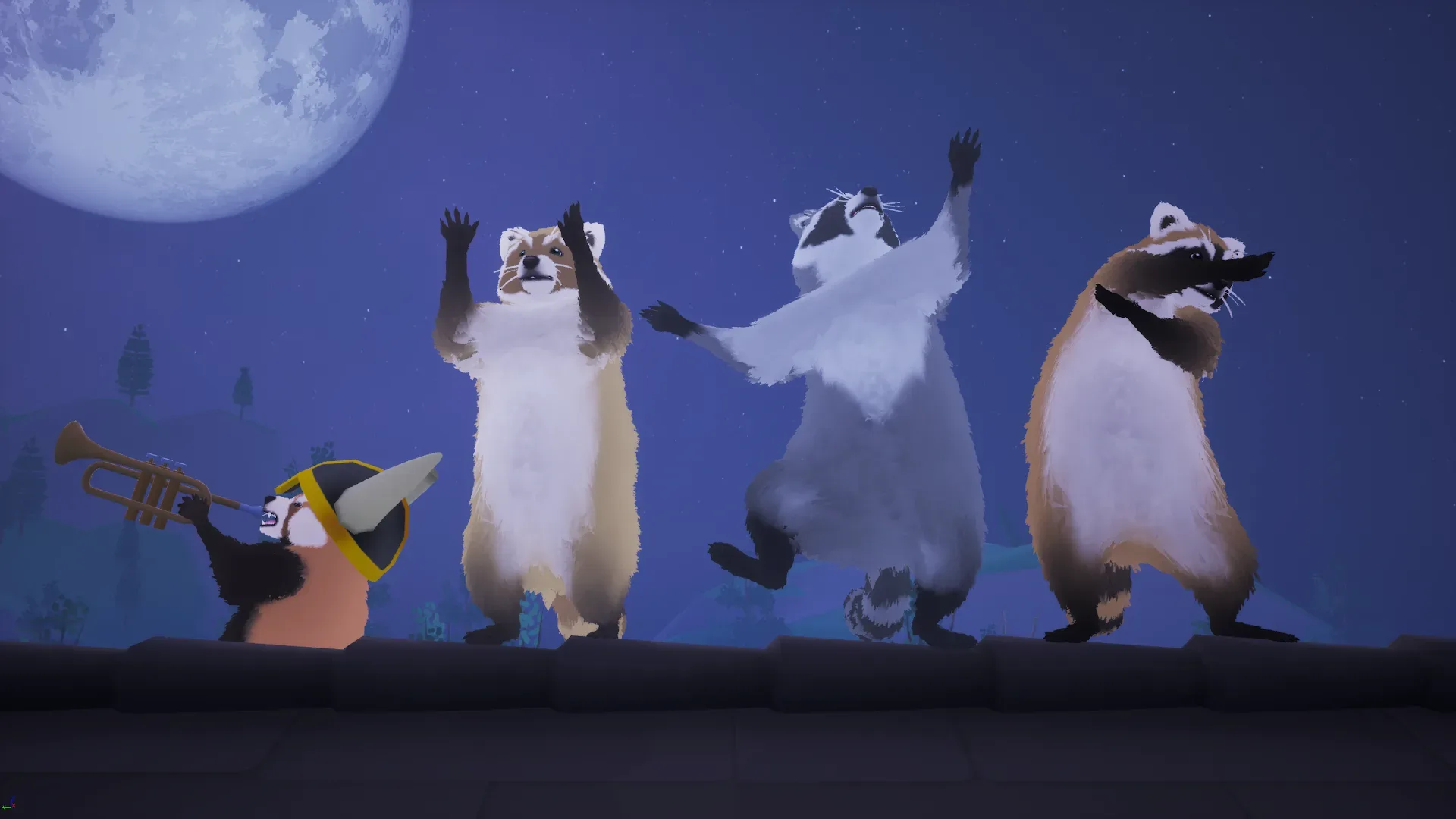
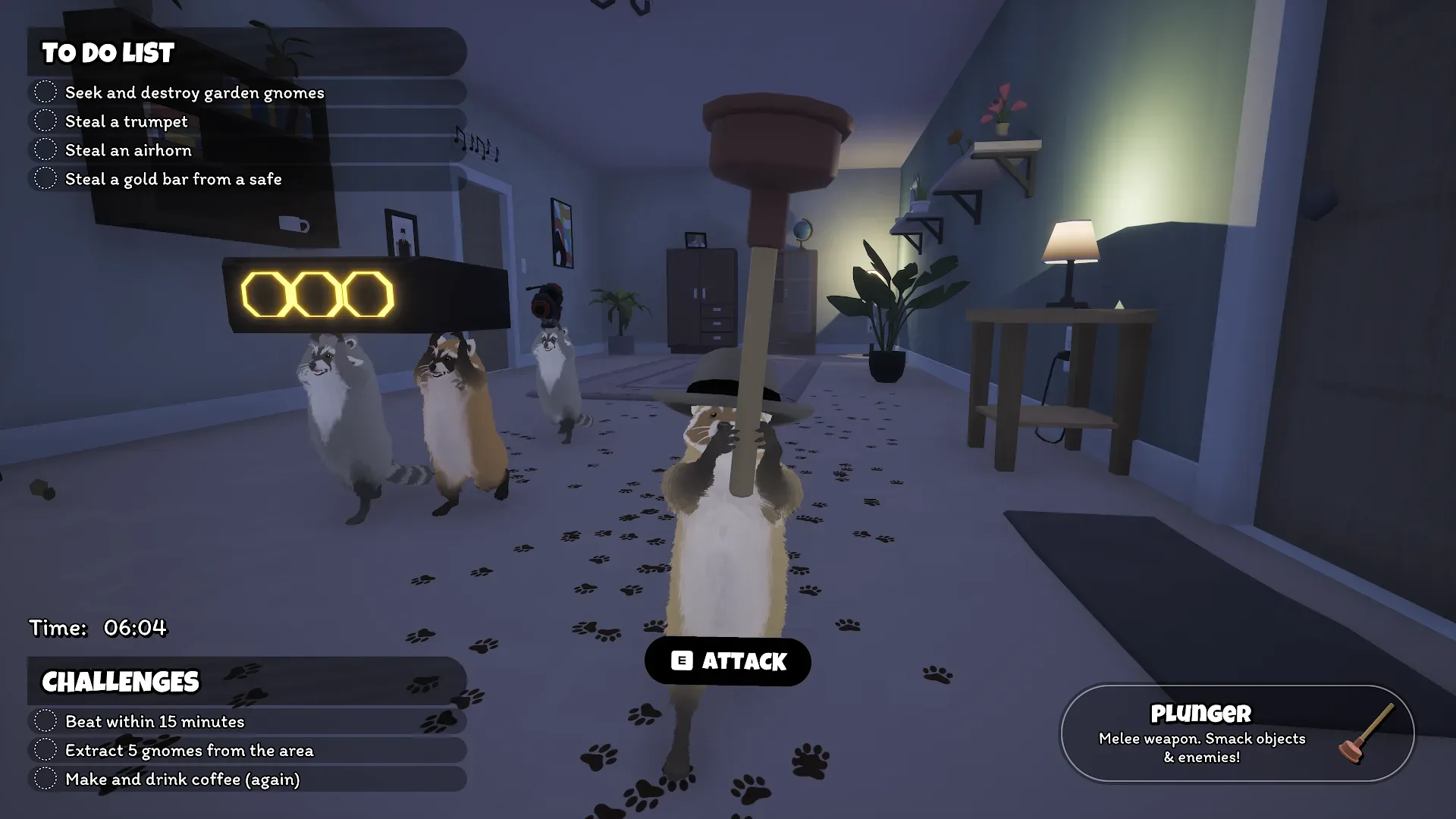
Dumpster Gang supports solo play and co-op for up to four people. Its raccoon crew can climb, travel through vents, collect loot, work through puzzles and return to a hideout between missions. That home base serves as the game’s progression space, where players can customize their raccoon and unlock hats that carry unique abilities.
That last detail matters because it suggests that cosmetics are not merely decorative here. The announced hats have gameplay functions, although the precise abilities and the way they are unlocked have not been detailed. Players should not assume a particular build system, set of character roles or balance model beyond what has been confirmed: hats grant unique abilities, and they are part of the game’s hideout-based progression.
The gang also has a dedicated threat: the Exterminator. This enemy hunts the raccoons, giving missions an additional pressure beyond simply accumulating objects. The game describes teamwork as important for carrying heavy items, handling puzzles, rescuing teammates and escaping traps. In other words, cooperative play is tied to practical actions rather than being only a way to put several players in the same environment.
Sandbox systems, explained
A sandbox game is one that gives players systems, objects and spaces that can be used in varied ways rather than insisting on one rigid solution at every moment. In Dumpster Gang’s case, the stated ingredients are traversal, loot, traps, puzzles and physics-oriented chaos. The developers describe those systems as capable of producing unpredictable chain reactions and emergent moments.
Emergent gameplay is a useful term here. It does not mean a pre-written event that triggers exactly the same way for everyone. It describes an outcome that comes from several game systems colliding: a teammate may be carrying a heavy object when a trap interrupts the route, another player may need to help, and the approaching Exterminator may turn that interruption into a scramble. The underlying tools are designed by the developers, but the exact story of the failed—or miraculously successful—heist can arise from player behavior.
Related coverage includes Dumpster Gang Sets December PC Launch and March 2027 Console Release.
That design can make communication valuable in a four-player session. One person could focus on navigating a vent route while another deals with an object that requires multiple raccoons to move. A player caught in a trap may need a rescue instead of a restart. Those are examples of the kinds of cooperation the game explicitly identifies, not confirmation of fixed classes or prescribed mission roles.
The release plan and what it means for players
The staggered schedule gives PC players a roughly three-month head start. On December 3, Steam, Xbox on PC and PC Game Pass subscribers are the announced audience. Xbox Series X|S, console Game Pass, PlayStation 5 and Nintendo Switch 2 follow in March 2027.
There are a few important distinctions in that list. Xbox on PC and Xbox Series X|S are separate announced destinations, while PC Game Pass and Xbox Game Pass refer to the subscription services named for those respective release windows. Steam is also confirmed for the PC launch. The information provided does not specify cross-play, cross-progression, local co-op, online requirements, pricing, performance targets, a precise console release date in March, or whether all versions will receive identical features. Those details remain unconfirmed.
For prospective PC players, the available demo is the clearest immediate way to see the game’s basic approach. It includes the tutorial plus two levels, which should establish the announced movement and scavenging loop without proving the scope of the full game or the eventual breadth of customization. Demos can be especially useful for games focused on unpredictable interaction, since a trailer can communicate the tone of a collapsing raccoon operation but not necessarily how the controls and teamwork feel.
Steam is a particularly visible venue for demos and new independent games, an ecosystem facing ongoing questions around discovery and quality control. Valve has also acknowledged challenges around low-quality games and AI material in Steam Next Fest, making a short playable slice a practical way for a smaller project to communicate its identity directly. For Dumpster Gang, that identity is less about being a realistic animal simulation than creating a playable cartoon caper where every bin, snack and cumbersome piece of junk could become part of a larger disaster.
A co-op game where failure can become the punchline
The game’s “trash panda” premise is intentionally mischievous: scavenging, stealing and snack-raiding are the stated activities, and the raccoon theme supports a world built around making a nuisance of oneself. Yet the Exterminator and trap systems mean the game is not only about collecting things. Players need to get out, manage risk and help one another when the plan collapses.
That can create a different rhythm for solo and group play. A single player will still have access to the scavenging, climbing, vent traversal, puzzles, loot and hideout customization described so far. In a group, though, heavy loot, teammate rescues and shared puzzle-solving become especially relevant. The game’s design appears to use co-op both as a route to efficiency and as a source of complication: more raccoons can mean more hands for a job, but potentially more moving pieces for a trap or chain reaction to disrupt.
The developers have emphasized accessibility in the control scheme, describing it as easy to learn. That does not establish difficulty settings, accessibility options or the depth of the game’s systems, but it does frame the game around readable actions and messy consequences rather than complicated inputs. A simple interaction can have a surprising result when it meets a dynamic environment, an enemy and three teammates with equally questionable judgment.
Hideout progression gives the chaos a home
Between missions, players return to their hideout. This is where the game connects individual scavenging runs to longer-term personalization. Customizing the hideout and raccoon provides a reason to bring acquired loot home, while the ability-bearing hats add an incentive to pursue unlocks beyond visual style.
The announcement stops short of explaining whether hideout upgrades change mission options, whether hats can be swapped freely, or what kinds of abilities they grant. Still, the structure is clear enough: missions produce loot and unpredictable stories; the hideout turns some of that progress into a persistent space and new character options. It is a familiar loop in broad terms, but its usefulness will depend on how meaningfully the game connects those rewards to its central co-op antics.
Coyote House Games co-founder Jake Ellis said the team was excited to bring its co-op chaos to consoles in 2027, following the demo and PC date reveal. Fellow co-founder Samuel Malone called the console release a major milestone and said the studio was eager to put the game in front of more players. Curve Games publishing executive Rich Keen also pointed to the game’s appearance in a Nintendo Indie World Showcase while reiterating the December PC launch.
For now, the practical choice is straightforward. Players interested in the game before release can try the tutorial and first two levels through the free PC demo. Those planning to play on Steam, Xbox on PC or PC Game Pass can mark December 3, 2026; console players on Xbox Series X|S, PS5 and Switch 2 are looking to March 2027. The exact day for that latter release, along with the technical and multiplayer details that matter most for a co-op sandbox, has yet to be announced.