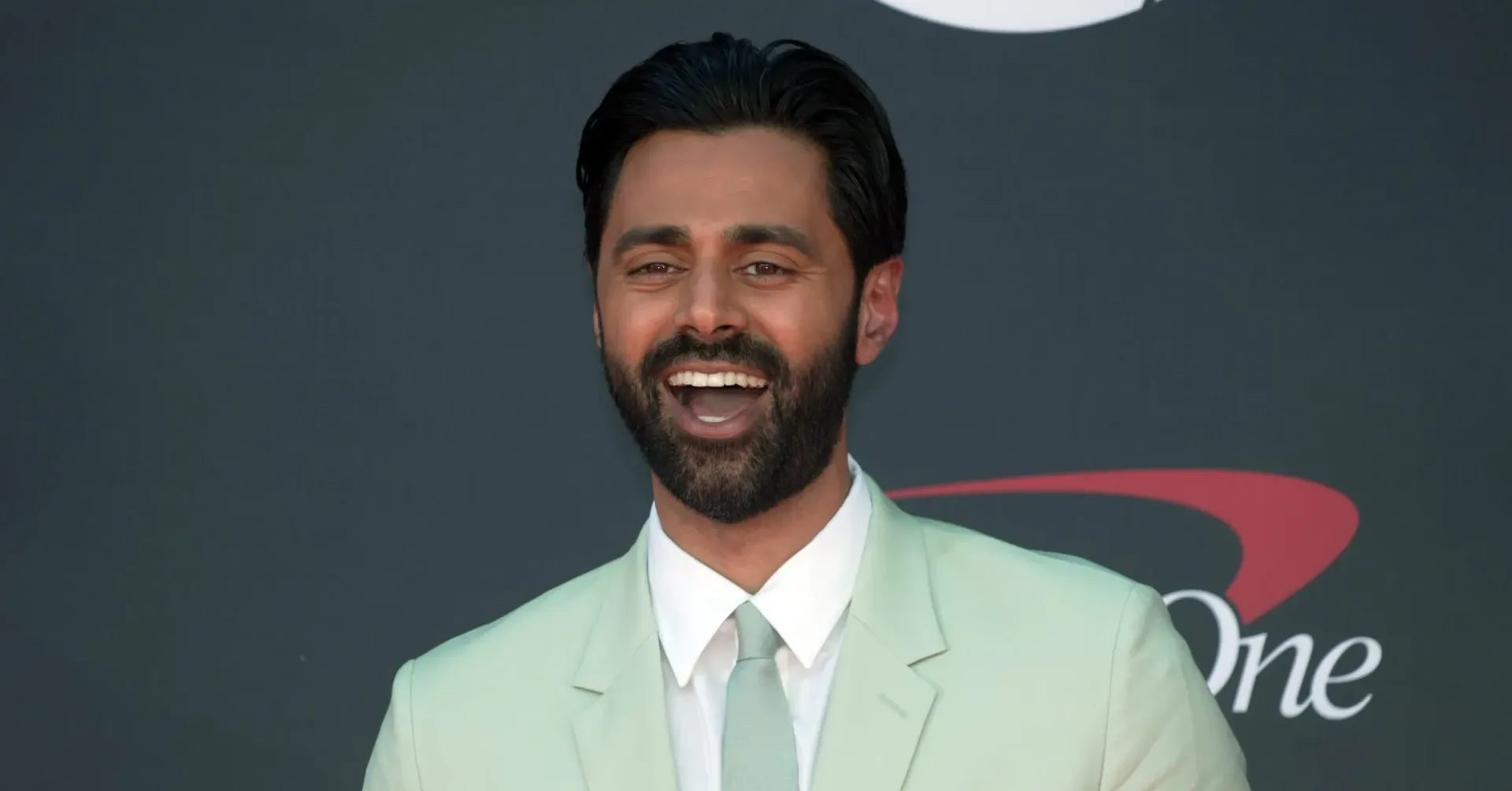
Anthony Edwards’ Adidas Basketball campaign has found a new way to keep its jokes in rotation: hire Hasan Minhaj as the player’s official insider, then give him a microphone, a direct line to Edwards and very little apparent interest in conventional NBA neutrality.
Minhaj is joining Adidas Basketball for the 2026–27 season as part of MINNATLANTASOTA, the campaign built around the Anthony Edwards 3, or AE3. The premise is deliberately simple. Rather than leaning on the distant, carefully sourced tone associated with traditional sports reporting, Minhaj’s character gets information directly from Edwards. Edwards, for his part, is presented as accepting the arrangement while making clear that he intends to monitor the coverage.
That setup makes the “insider” label less a claim of journalistic access than a comic device: the star is both the alleged source and a participant in the bit. It also gives Adidas a recurring format rather than a single shoe commercial. New installments began October 25 and are set to continue through the NBA season on Edwards’ and Adidas Basketball’s social accounts.
The first dispatch turns existing sneaker sparring into a series
The opening video does not waste time establishing its target list. Minhaj references Drake’s recent claim that only four kids in Minnesota wanted Edwards’ sneakers. LeBron James is also brought into the exchange, with Minhaj answering remarks attributed to James about not watching anything from Adidas.
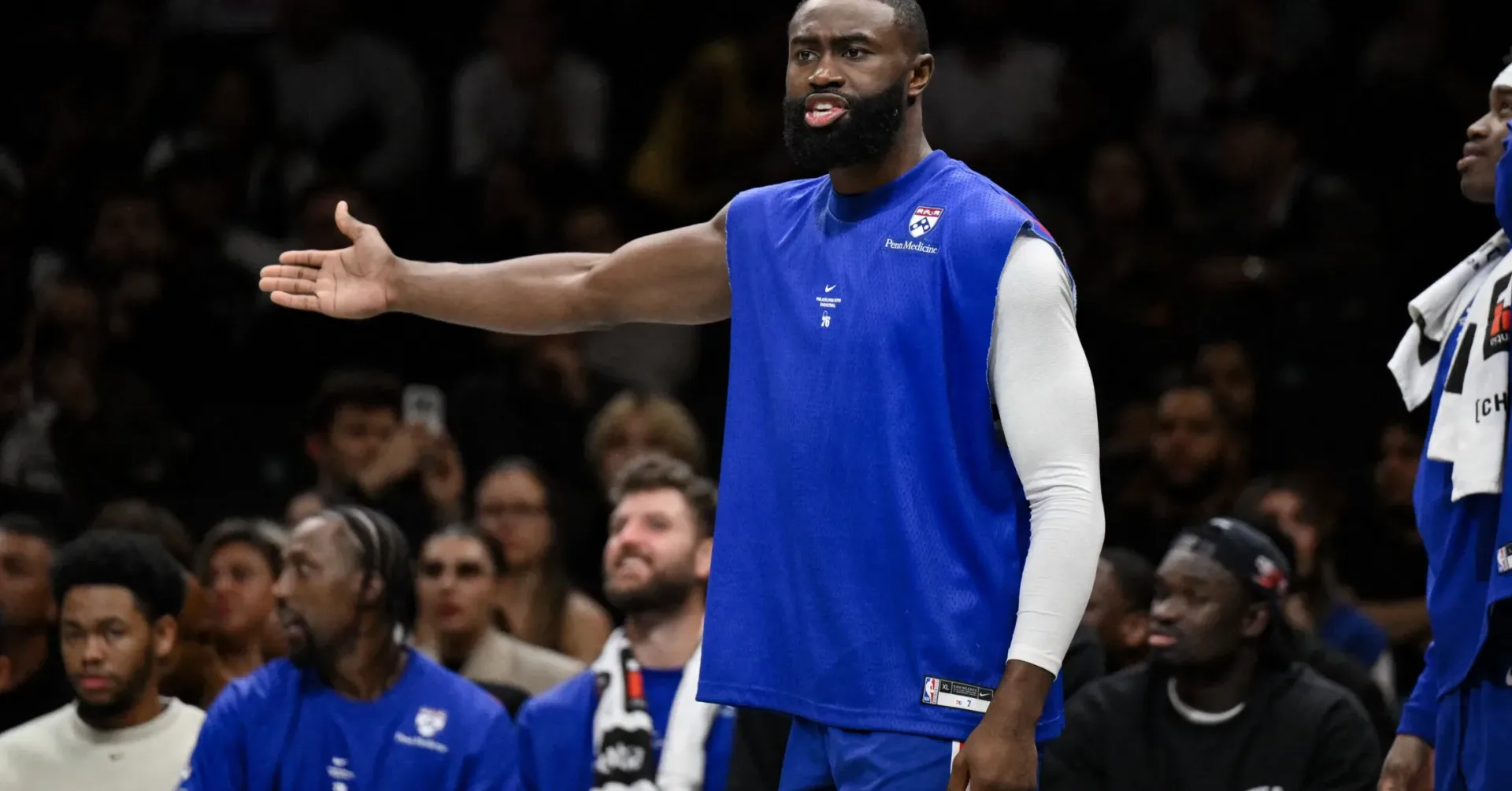
Those references are not random celebrity name drops. They extend a thread that has run through the AE3 promotion. In September, Edwards appeared in an Adidas ad and made jokes involving James’ knees and Jaylen Brown’s hairline. The same campaign material also took aim at Jalen Brunson, while a joke about new Minnesota teammate LaMelo Ball framed him as subject to a carpool rule.
Drake’s contribution arrived in October through a Nike spot tied to Kevin Durant’s KD 19. Its line about Minnesota children waiting for Edwards’ shoes supplied Adidas and Edwards with an obvious opening. Edwards’ response came through a PrizePicks ad: a crate marked “Fragile: Return to Toronto” was swapped for an AE3 box.
Minhaj now becomes the campaign’s designated voice for this back-and-forth. That distinction matters. Edwards can continue to be the on-camera athlete and the central product endorser, while Minhaj can turn each new comment, sneaker rival or league development into a compact segment with a consistent comic perspective.
What MINNATLANTASOTA is actually selling
At its foundation, MINNATLANTASOTA is the campaign attached to the AE3. But its material is structured like a continuing show. The name itself connects Edwards’ Minnesota setting with Atlanta, and the creative direction has leaned on exaggerated personality, basketball rivalries and response videos rather than treating a footwear launch as a one-way product message.
Related coverage includes Hasan Minhaj Joins Anthony Edwards’ adidas AE3 Campaign as Insider.
Branded content is the useful term here. It means entertainment made by or for a brand where the promotion is part of the format, not merely an ad placed before it. In this case, the shoe remains the commercial focus, but the repeated reason to watch is the ongoing joke. The campaign is using the AE3 as the object around which a larger personality-driven world is built.
That is different from a standard endorsement spot, where an athlete might deliver a slogan and display a product for a short campaign window. A recurring social series has the potential to react to the season as it moves, provided the material remains tied to what Edwards and Adidas choose to discuss. The supplied schedule, which runs through the season, gives the campaign room to develop that rhythm.
It is also a fitting vehicle for an athlete whose advertising has already emphasized directness. The material described so far does not ask viewers to decode a prestige-film commercial or learn a technical footwear vocabulary before the joke lands. Its language is a familiar sports language: rivalries, confidence, insults and swift replies.
Why an “official insider” is a useful comic role
The phrase “official insider” plays with a recognizable sports-media archetype. An insider is usually understood as someone who reports information from people close to a team, player or league. The Minhaj role flips that convention by making the connection to Edwards explicit and turning it into the reason for the comedy.
That framing helps set expectations. These are campaign videos, not independent reporting or a substitute for news coverage. The humor comes from the closeness of the supposed source, and the premise leaves room for Edwards to push back against the coverage from within the sketch. Instead of pretending the promotional relationship is invisible, the format puts it at the center of the joke.
For viewers, the practical implication is straightforward: following Edwards’ and Adidas Basketball’s social accounts is where the episodes are expected to appear. Each release may operate as a standalone clip, but the shared premise gives viewers a reason to recognize callbacks—particularly the Drake and LeBron exchanges—without requiring a lengthy narrative commitment.
Rival brands, athletes and the value of a reply
The Drake reference illustrates why the format can be effective. A line in a Nike-associated KD 19 promotion prompted a response from Edwards in a separate advertisement. The resulting exchange turns a conventional competition between footwear brands into something closer to serialized entertainment. The products remain in view, yet the attention moves through personalities: Edwards, Durant, Drake and the performers or athletes included in each response.
There is a limit to what can be inferred from that exchange. It does not establish sales results, audience figures or any objective measure of which sneaker is more popular. The “four kids in Minnesota” comment is a taunt in an advertisement, not market research. Treating it as a joke rather than evidence is essential to understanding the campaign on its own terms.
Still, such claims do not need to be literal to be useful promotional material. They give Edwards a target and give Adidas a reason to issue the next clip. Minhaj’s role could make that response cycle more flexible, since an insider persona can comment on a range of league-adjacent moments without requiring each episode to look exactly like a player-versus-player commercial.
Personality is the product language
Adidas’ approach here is built on the idea that shoe marketing can compete for attention as entertainment. The company is not only placing Edwards next to the AE3; it is using the player’s public-facing confidence as the campaign’s organizing principle. Minhaj’s involvement formalizes that choice by adding a comedian whose job is to keep the commentary moving.
The strategy does carry a creative challenge. Recurring roast material has to keep finding fresh situations or it starts to feel like a list of old targets. The established format, however, has a clear advantage: the NBA season supplies a changing backdrop, and the campaign has already demonstrated that it is willing to draw from comments made in other ads. Whether each installment becomes a major conversation point will depend on the writing, the timing and the willingness to let the joke evolve beyond its initial references.
What is confirmed is more modest and more concrete. Minhaj is part of the 2026–27 Adidas Basketball effort around Edwards and the AE3; the campaign’s first video invokes Drake and James; and episodes are planned across the season on the athlete’s and brand’s social channels. It is an intentionally loud extension of an already combative advertising style—not a change of sneakers, but a change in who gets to narrate the next jab.
For a broader example of brands treating game-adjacent culture and apparel as one conversation, see how Toaplan’s Truxton and Zero Wing are moving into a fashion collection.