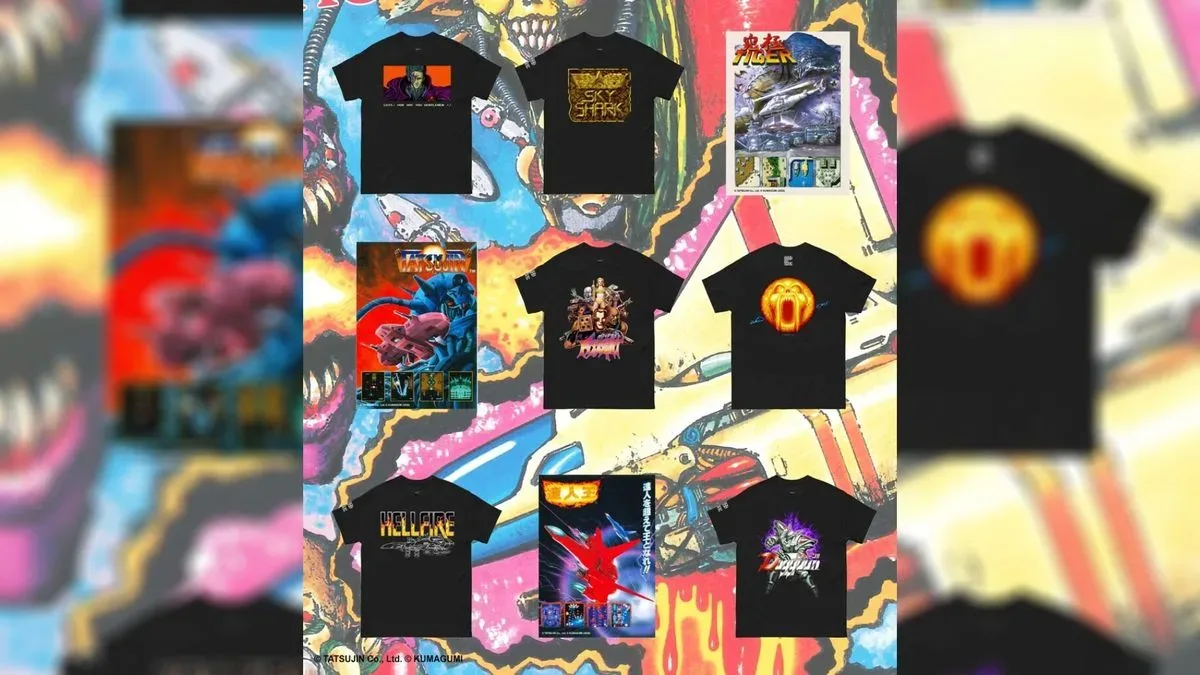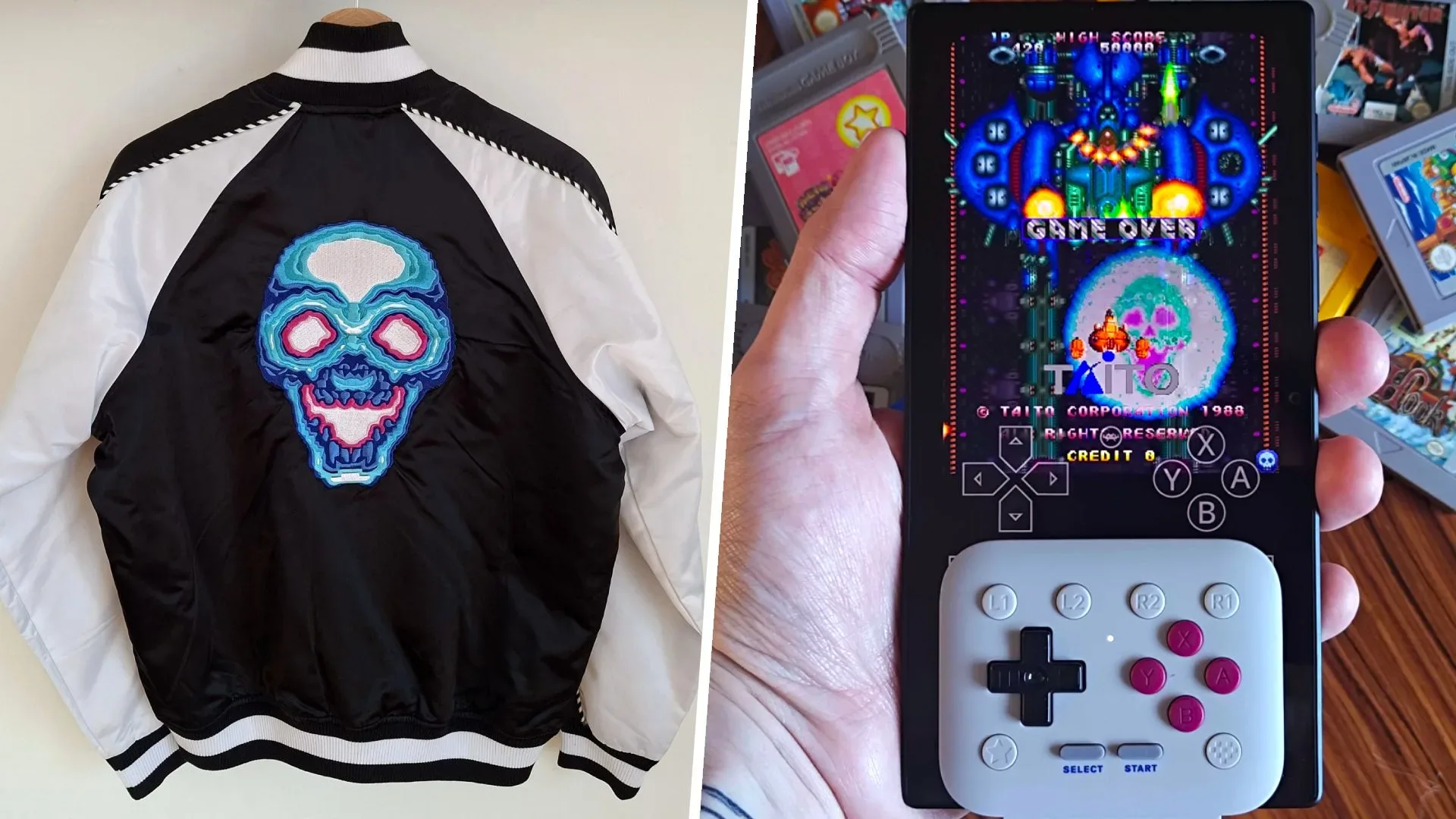
Arcade shoot-’em-ups have long inspired posters, ports, compilations and cabinet art, but Kumagumi’s new Toaplan collection takes a more wearable route. The Japanese merchandise brand has assembled a 27-piece apparel range based on games including Truxton, Zero Wing, Hellfire, FixEight and Batsugun. It is a niche crossover on paper—intense arcade shooters meeting fashion—but the visual language of these games makes the premise less surprising than it first sounds.
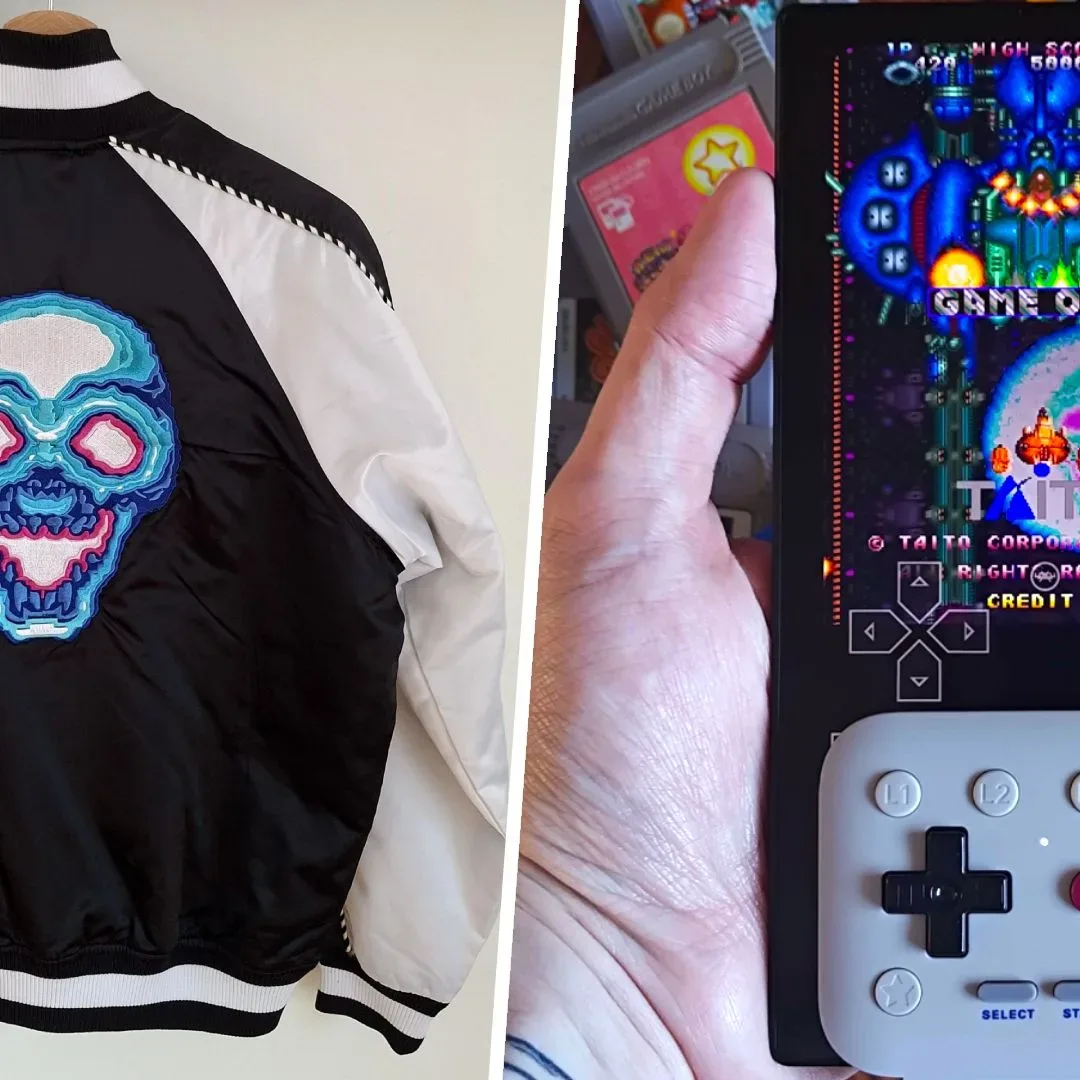
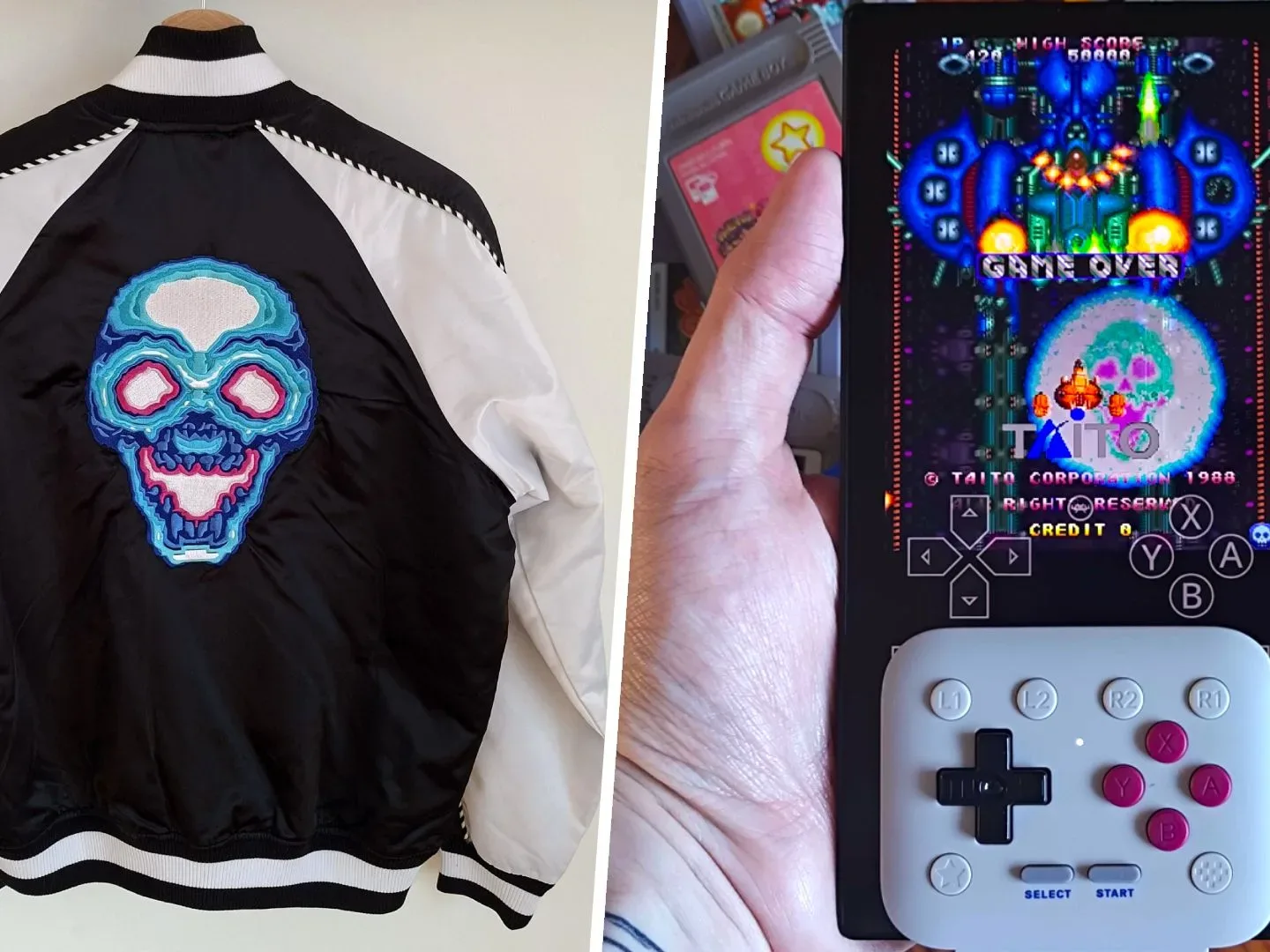
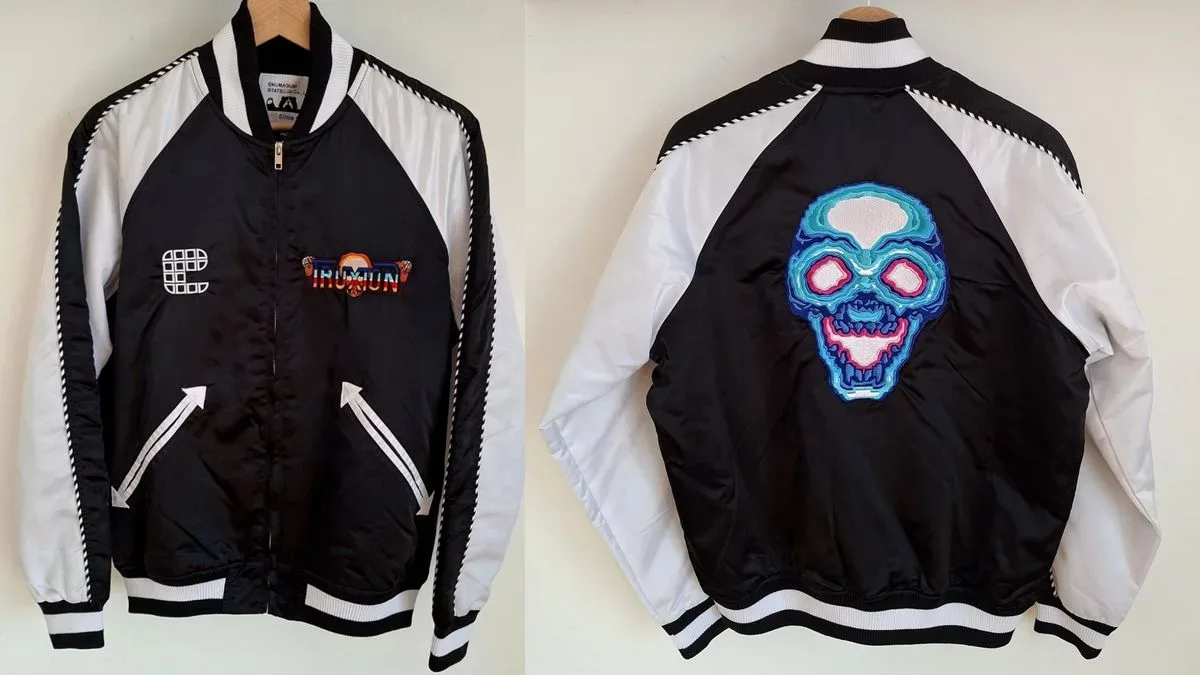
The centerpiece for many retro fans is a $149 bomber jacket built around Truxton, the 1998 arcade vertical shooter. It features the game’s skull bomb artwork across the back, turning one of the game’s boldest visual elements into the garment’s main statement. The jacket is currently out of stock, with a waitlist available rather than immediate purchase.
That stock status is an important practical distinction for anyone who sees the jacket making the rounds online: admiration does not equal availability. The collection may still be useful as a reminder that game merchandise can celebrate specific design history rather than simply placing a logo on a shirt, but interested buyers will need to watch for restocks rather than assume every displayed item can be ordered.
A shooter collection with a very specific visual identity
“Shmup” is the common shorthand for “shoot-’em-up,” a genre centered on piloting a craft through waves of enemies while avoiding dense patterns of incoming fire. The label covers horizontal and vertical scrolling games alike. Truxton is a vertical shooter, while the collection as a whole draws from several Toaplan titles associated with arcade action and, in some cases, Mega Drive releases.
That genre vocabulary matters to the clothing. Shmups are built to be immediately legible amid hectic movement: ships, explosions, threatening bosses, striking type and high-contrast sprites need to communicate quickly. Those same properties adapt naturally to apparel graphics. The Truxton jacket’s skull bomb is not a tiny, obscure reference hidden in a seam; it is a large icon with enough force to work even for someone who has never played the game.
The range’s appeal therefore splits neatly between two audiences. One group will recognize particular games and specific art. Another may simply respond to the loud arcade-era look. That is often the healthiest kind of licensed design: it gives longtime players an actual reference to enjoy without making the item unintelligible to everybody else.
Yes, Zero Wing and the meme are part of it
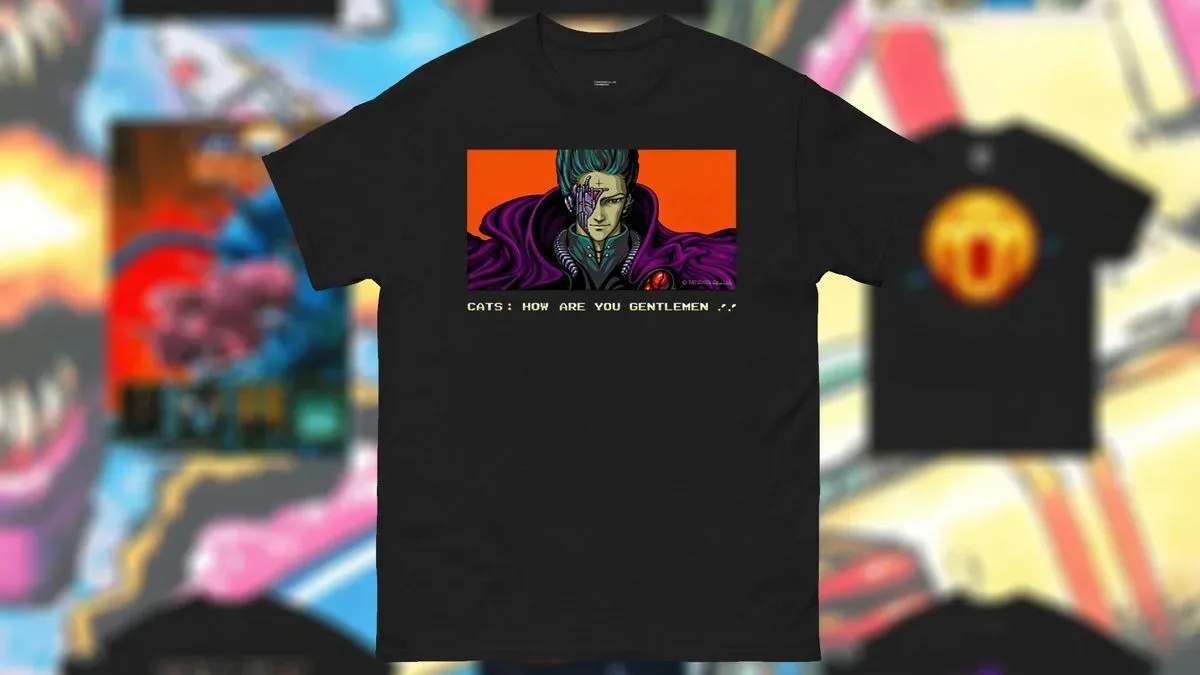
Zero Wing is included in the collection, bringing unavoidable internet-history baggage with it. The game became closely associated with “all your base are belong to us,” the famously awkward English line that grew into an early online meme. Yet the apparel does not use that most quoted phrase. Instead, its reference is the earlier line delivered by antagonist CATS: “how are you gentlemen !!”
That choice is more interesting than simply printing the best-known wording. It still acknowledges the translation that made Zero Wing a fixture of meme culture, but it gives the design a slightly more specific connection to the game’s opening instead of turning the entire piece into a recycled punchline. The double exclamation marks are part of the odd charm, too.
Related coverage includes Toaplan's Arcade Shooters Get a Fashion Collection, From Truxton Jackets to Zero Wing Memes.
For players who know Zero Wing principally through the meme, the collection offers a route back to the game itself. The joke traveled much farther than the shooter’s original commercial footprint: Zero Wing did not reach the United States market in its Mega Drive form. That gap helps explain why its dialogue can be instantly recognizable even when the game behind it is far less familiar.
Merchandise can be an entry point, not just a victory lap
Licensed clothing is sometimes treated as an endpoint for fandom: play a game, love it, buy the shirt. This collection can work in the other direction. Someone drawn in by a jacket, a graphic, or an old meme can use that interest as an invitation to try the shooters represented on it.
One current, comparatively straightforward option mentioned alongside the collection is Blaze’s Toaplan cartridge for Evercade hardware. It includes Truxton, Zero Wing and six additional games. The cartridge is listed at $35.36, while the Evercade Super Pocket is listed at $69.99. Those figures are useful snapshots, not a promise of universal pricing or stock, but they illustrate a key practical point: modern compilation hardware can offer a defined way to access several related games without pursuing an individual original cartridge for each one.
Original Mega Drive copies can cost substantially more than a single cartridge in a modern collection, and regional release differences can complicate the hunt further. That does not make original hardware or software less meaningful. It simply means there are different paths into older games, with distinct priorities around authenticity, convenience, display value and cost.
Original hardware versus modern ways to play
The supplied details point to two broad approaches. The first is period hardware: a Mega Drive setup with a CRT television. CRT refers to a cathode-ray tube display, the older television technology many players associate with the look and feel of console games from this era. For a vertically scrolling shooter with sharp, high-contrast artwork, that presentation can be part of the appeal rather than a mere technical preference.
The second is newer hardware designed to play older games, such as an Evercade handheld or console. Portability and a simpler setup can be especially attractive for arcade shooters, whose rapid restarts and compact sessions translate well to handheld play. Neither option automatically replaces the other. A CRT-and-console arrangement prioritizes a period-flavored setup; a handheld prioritizes access and convenience.
Controllers fit into the same conversation. An 8BitDo M30 2.4GHz wireless controller is cited as one way to add wireless play while retaining a button layout intended to feel appropriate for older Sega-style software. The important detail is not that every player needs that specific pad, but that retro play now often involves mixing old and new equipment: original console, modern wireless controller; contemporary handheld, officially packaged classic games.
That flexibility is part of why a Toaplan fashion range lands at a moment when its references can still be played rather than merely remembered. The games remain the center of the conversation, while the clothes provide a visible badge for the players—and meme historians—who keep them in circulation.
What the Truxton jacket gets right
The strongest idea in the reported range is the decision to use game art with enough visual confidence to stand on its own. The Truxton bomber jacket is described as carrying an ’80s Osaka-inspired feel, aided by the prominent skull bomb art. A bomber silhouette already has cultural associations with bold patches and back graphics, so the form and the source material appear to be working toward the same effect.
It also avoids a common issue with gaming apparel: treating every property as if the only acceptable graphic is a title logo. Logos have their place, particularly for clear identification, but character art, enemy designs and in-game symbols can reveal more about what made a title distinctive. In a shoot-’em-up, an explosive skull emblem says more about the game’s heightened arcade atmosphere than a small wordmark likely could.
There is a broader retro context here, too. Toaplan’s games sit comfortably alongside renewed interest in older arcade design, whether that arrives through original machines, home consoles, handheld collections or community projects. For another example of old game technology continuing to inspire unusual new uses, see this Dreamcast community-port showcase.
A collection for deep cuts and casual recognition alike
The full 27-piece scale matters. A collection with only a single Zero Wing gag garment could feel like a meme product with a retro-gaming garnish. Including Hellfire, FixEight, Batsugun, Truxton and Zero Wing suggests a broader attempt to represent Toaplan’s shooter catalogue.
That does not mean every buyer will approach it with the same level of knowledge. Some will want the Truxton jacket precisely because they recognize the skull bomb. Some will gravitate to Zero Wing because of the delightfully malformed line of dialogue. Some will simply like the colors and assertive arcade imagery. All are valid entry points, and the best licensed fashion leaves room for them.
For collectors of gaming memorabilia, the main caution is straightforward: out-of-stock apparel should not be confused with permanently unavailable apparel, and a waitlist is not the same thing as a confirmed restock. For players, the more immediate opportunity may be to explore the games through currently available modern collections or existing hardware. Either way, the Kumagumi collaboration demonstrates that a shooter’s identity can survive the transition from CRT glow to a jacket back panel without losing its edge.
Shop the products
Check current price, model and availability at the retailer.