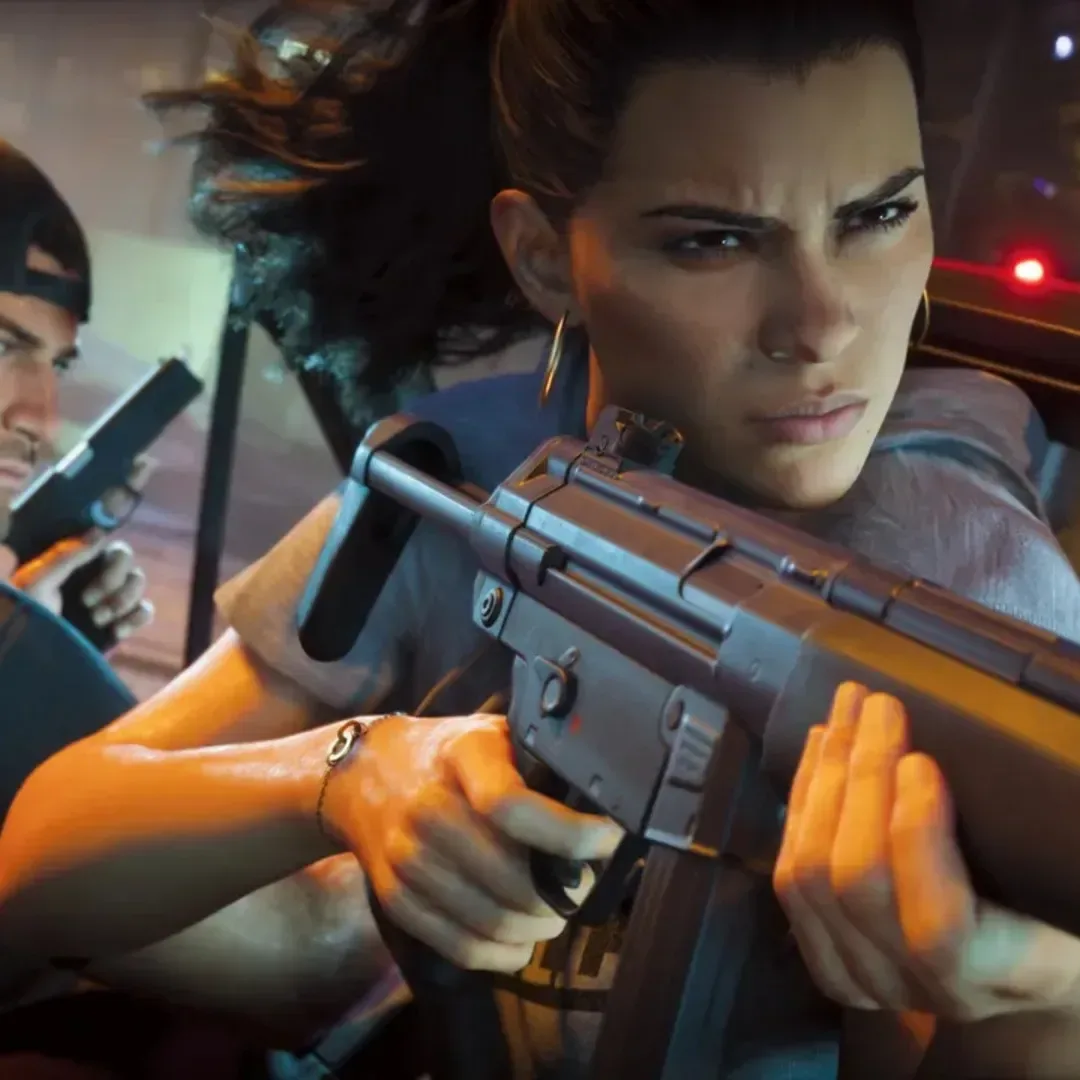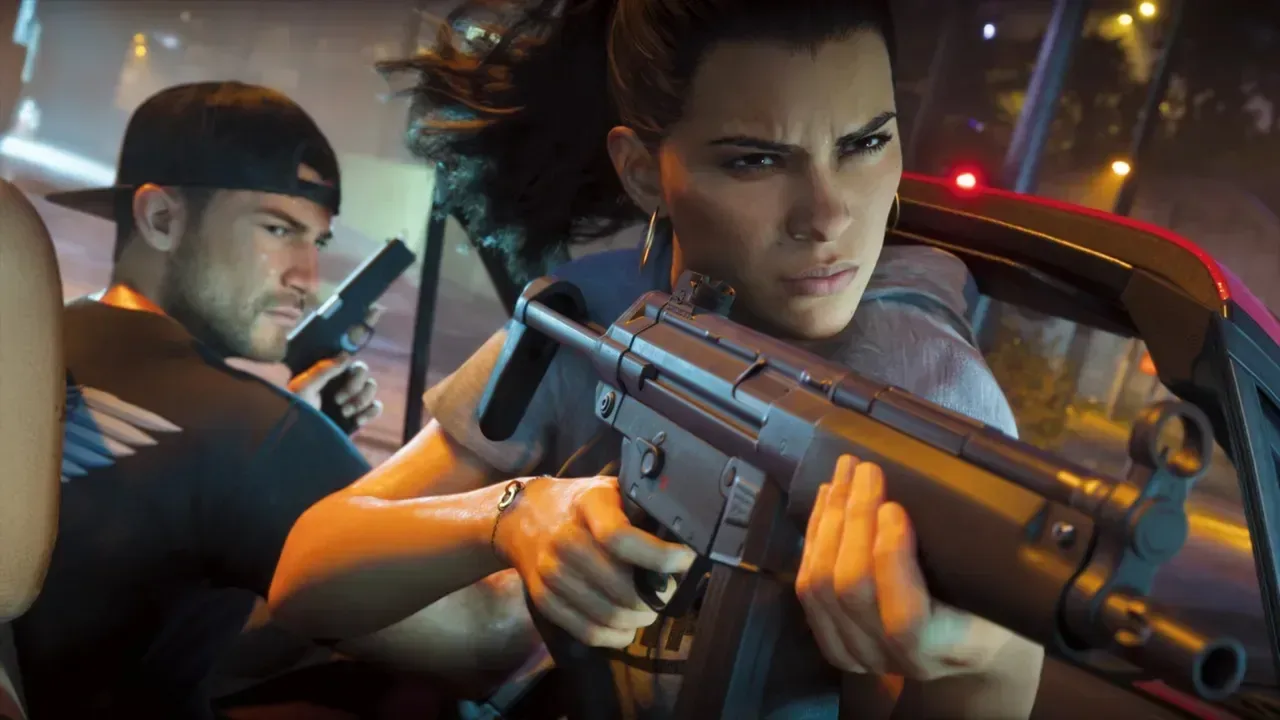

Grand Theft Auto 6 is close enough to launch that some schools are planning around it. The game is due November 19, and reports from the U.K., Ireland and Spain show sharply different responses to the prospect of pupils deciding that a blockbuster release is more pressing than a normal school day. There are parent warnings, reminders that gaming is not a valid absence reason, a temporary homework reprieve, and one gift-card draw designed to make attendance a little more appealing.
The unusual preparation reflects the scale of anticipation around Rockstar Games’ next Grand Theft Auto. GTA 6 is widely expected to be an enormous entertainment release, but schools are confronting a more immediate question: what happens if a heavily discussed game launches on a Thursday and students decide to turn release-day excitement into an extended weekend?
There is an important complication to the jokes about a mass day off. GTA 6 carries an 18+ age rating. That means it is intended for adults, even though the school messages being circulated make clear that younger people are aware of it, talking about it and may be keen to play it. A school’s job here is not to predict every family’s choices, but to protect attendance and make parents conscious of the game’s age classification and the possibility that launch-day hype may influence it.
Why schools are intervening before launch day
Several U.K. schools have contacted parents ahead of Thursday and Friday, warning against absences tied to the launch and urging families to keep an eye on gaming-focused children. Some messages avoid naming GTA 6 outright, referring instead to a “highly anticipated game.” That phrasing may sound coy, but the aim is fairly direct: address a known conversation among pupils without making the game itself the centrepiece of the school notice.
One circulated message said staff knew children were discussing the launch and had heard suggestions of being absent on the day. Another school note made the basic attendance point plainly: playing a computer game is not an acceptable reason to miss school.
That is a practical distinction worth keeping in view. Schools are not reacting to a confirmed wave of absences; they are attempting to discourage one before it develops. The messages focus on attendance, parental vigilance and the age rating, rather than claiming that every interested pupil will stay home or that gaming interest automatically creates a behaviour problem.
In ordinary circumstances, a new game is simply a conversation topic in corridors and group chats. GTA 6 is different because it has become a cultural event long before release. The prospect of widespread early play, online discussion and spoilers creates a strong sense that day one matters. For a student who is already interested, that can make a Thursday release feel less like waiting for a weekend and more like missing a shared event.
Schools are therefore trying to reset that framing. The game will still be there after lessons. Attendance, coursework and scheduled assessments do not simply move themselves around a launch window.
Related coverage includes Schools Brace for GTA 6 Absences With Warnings, Homework Breaks and Gift Card Draws.
One Belfast school offers a prize draw, not a pass
A school in Belfast has adopted perhaps the most pragmatic version of that message. It told pupils and parents that playing Grand Theft Auto can wait until the weekend, while automatically entering students who attend on Thursday and Friday into a draw for a £70 gift card usable on PlayStation or Xbox. The reported value is about $90 and would be enough to cover the game, subject to the usual parental considerations around an 18+ title.
The key detail is that the voucher is an attendance incentive rather than an endorsement of taking the day off to play. Mary Montgomery, the school’s principal, linked the approach to maintaining recent strong GCSE results, while explaining that the voucher idea came from pupils themselves.
GCSE stands for General Certificate of Secondary Education, a set of qualifications taken by many students in England, Wales and Northern Ireland. Mentioning GCSE performance puts the gift-card idea in its proper context: this is not a school surrendering to release-day pressure. It is a light-hearted, pupil-informed effort to reinforce a serious priority, namely consistent attendance and academic results.
It also acknowledges an awkward truth about incentives. A generic instruction to show up may lose to the immediate excitement of a major launch for a small number of students. A chance at a game-platform gift card speaks to the same interest while making attendance the condition. Whether that proves more effective than a stern warning is unknown, but it is a notably clearer strategy than pretending pupils are not paying attention to GTA 6 at all.
Spain’s teacher takes the opposite route on homework
Not every educator is trying to turn the week into a deterrence campaign. A teacher in Spain shared a message that spread widely on social media saying pupils would receive no homework for the week, allowing those who planned to play to do so without an extra pile of schoolwork. The teacher also said an exam originally scheduled for November 23 would move to November 30.
The note drew on a generational connection: when GTA 5 arrived in 2013, the teacher said they had been the pupils’ age. It is a sympathetic approach to the event-like quality of a new Grand Theft Auto, and it demonstrates why the school responses have attracted attention. One approach says, “Do not miss school for this.” Another says, in effect, “Schoolwork will not compete with this moment at home.”
Neither response changes the age rating. Nor does a homework-free week establish that every pupil can or should play the game. But the contrast does show that adults are interpreting the launch through different priorities: attendance, assessment planning, student goodwill, and the simple recognition that a landmark game release can dominate young people’s conversations whether classrooms acknowledge it or not.
The bigger concern: time, routines and parental decisions
Conservative Party leader Kemi Badenoch has framed the concern less around GTA 6’s individual content than the possibility of people spending too much time isolated in their bedrooms playing it. She pointed to her own childhood experience with Mortal Kombat and Street Fighter, arguing that she did not become violent after playing them.
That is a useful separation of two debates that often get bundled together. The first is the game’s age rating, which signals that GTA 6 is intended for adults. The second is screen-time and routine management: sleep, school attendance, homework and the tendency for a high-profile launch to turn “one more mission” into a much longer evening. Those are connected topics, but they are not identical.
For families, the practical issue is likely to be less about an abstract release-day panic and more about setting boundaries before the excitement peaks. If a child is interested in a game rated above their age group, parents are the people who must decide what access, if any, is appropriate. If an older player has legitimate access, the question becomes when playing fits around school and other responsibilities.
- Check the rating first: GTA 6 is rated 18+, so parents should treat it as an adult-rated release rather than assume its popularity makes it suitable for all ages.
- Keep school days distinct from launch day: a Thursday arrival does not create an educational exception, especially where schools have explicitly reminded families about attendance.
- Plan play time rather than negotiate in the moment: agreeing in advance that play waits until after school or the weekend can reduce release-day conflict.
- Remember the social side of hype: pupils may feel pressure because friends are discussing early access, progress and spoilers. Talking about that pressure can be more useful than simply dismissing it.
None of that requires treating games as uniquely disruptive. But it does recognise that a release this prominent has unusual power to reshape a few days of conversation and attention. Some companies have reportedly offered employees extra time off to play, which underscores just how broadly the launch has escaped the usual boundaries of games media and enthusiast communities. Adults taking leave is their own workplace matter; pupils missing compulsory school is plainly a different category.
What the reaction says about GTA 6’s cultural weight
The most revealing part of these school notices may be that they exist at all. A game does not need to be named in every message for everyone to understand the reference. GTA 6 has achieved the rare pre-release status where its launch is anticipated as a shared cultural appointment, with schools anticipating its effect on attendance and teachers deciding whether to tighten schedules or ease homework.
That does not prove the prediction that it will become the biggest entertainment launch ever; that remains an expectation, not a completed result. It does show the practical reach of the anticipation. A blockbuster’s impact is no longer just measured in sales or social-media chatter. It is visible in household rules, school newsletters and attempts to make a normal Thursday and Friday remain normal.
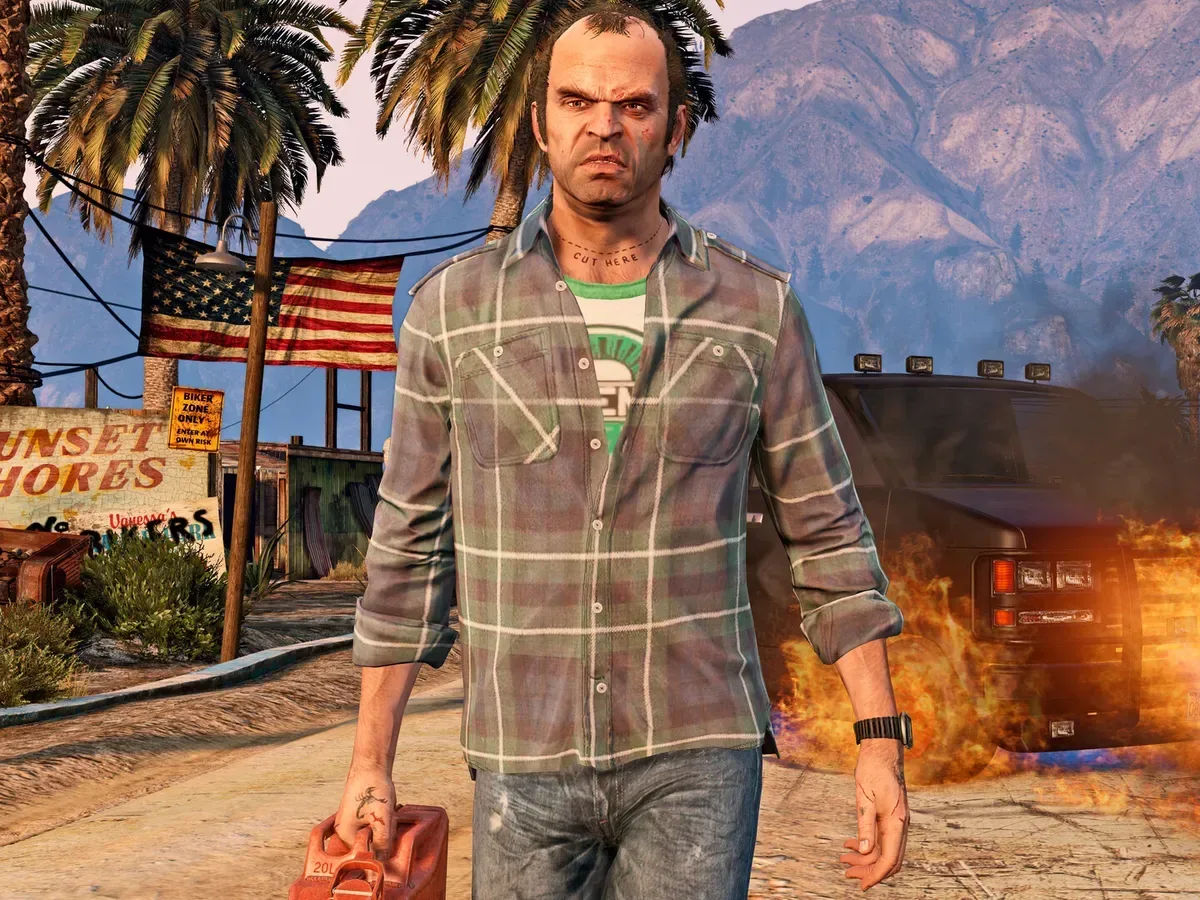
For players who want a refresher on the series while waiting, Joking Joystick has also covered a former Rockstar designer’s explanation of a subtle GTA 5 Trevor detail. For schools and parents, though, the immediate story is much less obscure: GTA 6 can wait until the day’s responsibilities are finished.
The warnings, homework break and gift-card draw are very different tactics, but all are responses to the same reality. GTA 6’s November 19 release is expected to command attention. The question is not whether people will be talking about it on launch day. They plainly will. The question is whether that enthusiasm can coexist with attendance, age-appropriate decisions and a routine that does not turn a game launch into an unauthorized long weekend.