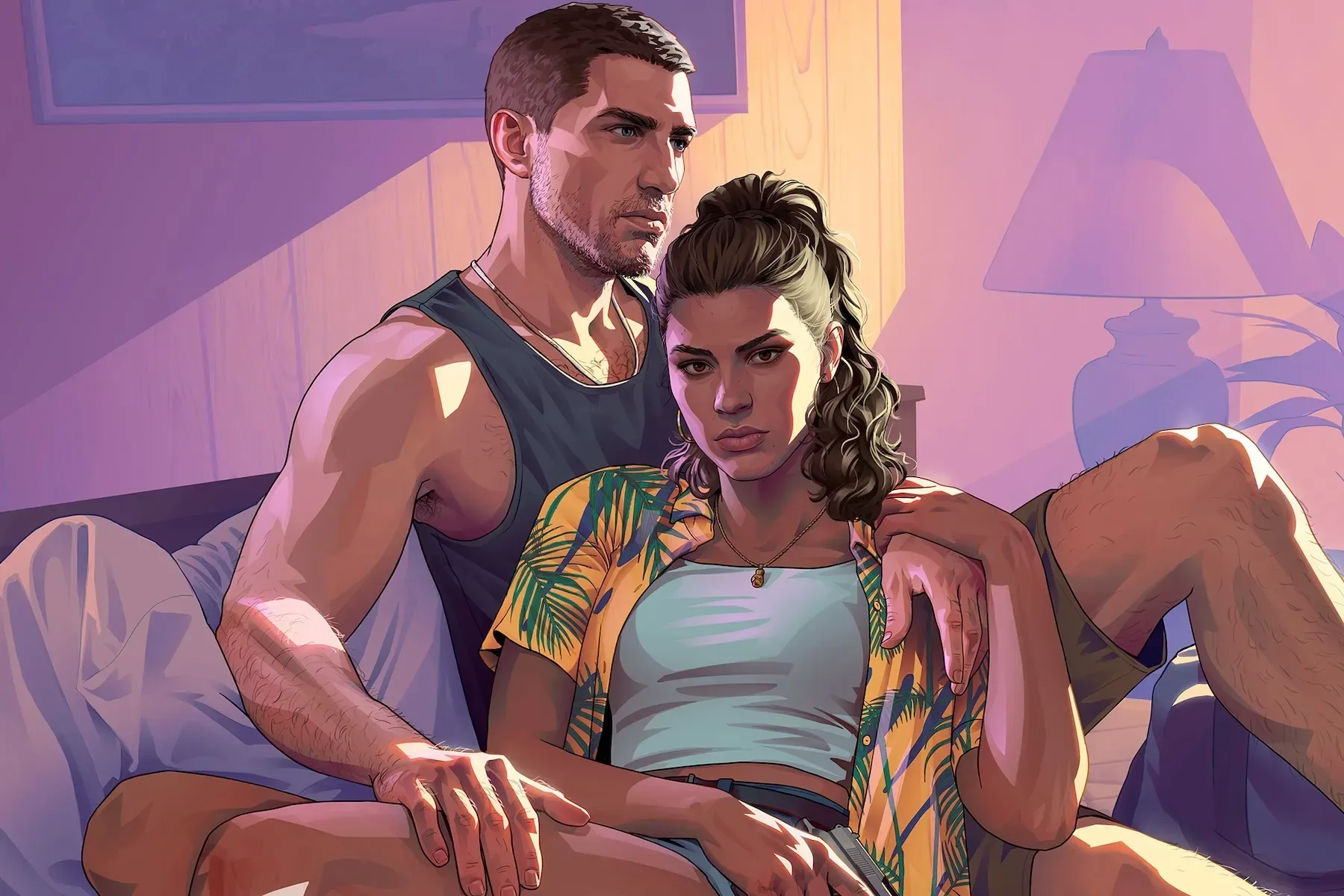
Grand Theft Auto VI has licensed more than 250 songs through Universal Music Publishing Group, giving Rockstar Games access to a catalog that spans nine decades of music. The total covers music in the game itself and includes dozens of compositions written specifically for the new release.
It is a substantial number even for a series whose radio stations have long been a defining part of its identity. The disclosed selection stretches from recent artists and purpose-built material to recordings associated with Sister Rosetta Tharpe, Marie Knight and John Lee Hooker. That range matters because it suggests the soundtrack is not simply a playlist assembled around one period or genre. It is a broad music library being used to support a game world, its trailers and a separate soundtrack album.
Rockstar released GTA VI on November 19 for PlayStation 5 and Xbox Series X|S. New in-game stations join a franchise tradition of placing artists behind the radio microphone, making the music selection part of the game’s presentation rather than a background detail detached from play.
What the 250-song figure actually covers
The more-than-250 figure refers specifically to songs licensed from Universal Music Publishing Group, often shortened to UMPG. It should not be read as a confirmed count of every song in Grand Theft Auto VI, nor as a complete list of every artist or music-rightsholder involved in the release. It is a tally of one publisher’s participation.
That distinction is important because music publishing concerns the underlying composition: the songwriters and the musical work they created. A particular recording of that work can involve separate rights. In practical terms, a game’s music clearance can require arrangements involving the composition and the recording used in the game. The disclosed UMPG total describes the publisher’s role in the song side of that equation, while the available information does not provide a full rights breakdown for every track.
The publisher said its catalog contribution covers nine decades. Among the older material identified are Sister Rosetta Tharpe and Marie Knight’s 1947 recording of “Didn’t It Rain” and John Lee Hooker’s 1948 “Boogie Chillen.” Their inclusion establishes that GTA VI’s musical reach goes far beyond contemporary releases and the songs used to sell the game in video trailers.
There are also dozens of newly written compositions. That phrase points to work created for Rockstar’s latest game rather than merely songs selected from an existing catalog. No complete inventory of those new compositions was provided, so it would be premature to assume where each appears, whether on radio stations, in missions, in cinematic sequences or elsewhere. Still, the presence of newly created music means the project contains both historical curation and original work.
Trailers offered a preview, not the whole soundtrack
Four major GTA VI trailers used songs represented by UMPG. These placements created a high-profile introduction to part of the publisher’s catalog, but they only reveal a small fraction of the more than 250 songs now connected to the game.
Related coverage includes GTA VI Licenses More Than 250 UMPG Songs Across Nine Decades.
The December 2023 reveal used Tom Petty’s “Love Is a Long Road,” co-written by Mike Campbell. Trailer two used the Pointer Sisters’ “Hot Together,” written by Sharon Robinson. The launch trailer used Justice’s “Flower in a Hurricane,” featuring SZA.
Those examples illustrate several different ways music can fit a large game campaign. A legacy rock song can frame an initial reveal; an older pop track can take on a new life when paired with a widely watched trailer; and a newer collaboration can help signal the final push into launch. None of that proves the songs serve the same role inside the game, but it does show that Rockstar’s promotional music was chosen from multiple eras and styles.
“Hot Together” is the clearest available example of trailer exposure translating into measurable listening attention. UMPG cited Luminate data showing nearly 9.6 million global on-demand audio streams in the eight weeks after its trailer use. The song had accumulated nearly 300,000 streams across all of 2024 before that point. The figures show a sharp rise in listening tied to the trailer window, although they do not establish how many listeners then played GTA VI or how long the interest persisted afterward.
For players, that sort of resurgence can be part of the appeal. A trailer can make an older song newly familiar, while an in-game radio station can place it alongside music from entirely different decades. The result is not necessarily a conventional soundtrack experience with a fixed beginning and end. In a radio-driven open-world game, songs can be encountered repeatedly, accidentally or in unexpected sequences while travelling through the world.
The album is related, but separate
The game’s music program also includes Grand Theft Auto VI: The Album, a separate 34-track release. Thirteen tracks on that album include contributions from UMPG writers. That is a meaningful share of the album, but it is not equivalent to the publisher’s more-than-250-song involvement across the game.
The difference is worth keeping clear. An album soundtrack is a defined selection of tracks released for listening outside the game. An in-game soundtrack, particularly in a title built around multiple radio stations, can be much larger and shaped by the player’s activity. The album may spotlight key music associated with GTA VI, while the radio catalog can provide the broader sense of place during play.
Specific album-related credits include Metro Boomin appearing on Yung Lean’s “That’s It” with Future, as well as receiving a credit on Young Thug’s “WAKIN UP.” SZA appears on Justice’s “Flower in a Hurricane.” These credits identify contributors connected to the album material, rather than providing a complete track-by-track account of the game’s station programming.
That separation also limits some common assumptions. A song being on the album does not, from the information available, map it to a particular station or scene. Likewise, the disclosure that a song is among the more than 250 licensed through UMPG does not confirm that it appears on the 34-track album. Players looking for exhaustive station lists, individual song locations or a full song-credit database will need more detailed official breakdowns than the count currently provides.
Why the breadth matters for GTA VI
Grand Theft Auto games have treated radio as part of their fictional atmosphere for years, including artist voices behind the microphone. GTA VI adds stations to that ongoing approach. A catalog spanning nine decades gives the developers a large palette for that format: music can be chosen for tone, era, rhythm, cultural association or contrast, rather than being restricted to a narrow contemporary playlist.
There is also a storytelling implication. Music can guide the player’s mood during driving, exploration and action without needing to stop the game for a scripted musical moment. A 1940s recording and a modern song can create very different textures even when they emerge from the same car-radio framework. This is analysis of what such a wide catalog makes possible, not confirmation of how any individual track is used in GTA VI.
Licensing songs for a project at this scale is also a long-term coordination effort. The publisher said its synchronization team worked with the studio for years on the game, its trailers and the soundtrack album. Synchronization licensing, often called sync licensing, is the process of clearing music for use alongside visual media such as games, films and trailers. The disclosed collaboration therefore encompasses more than choosing songs: it connects the game’s broader creative use of music with its marketing and album rollout.
Universal Music Publishing Group chairman and CEO Jody Gerson described GTA VI as a major entertainment moment and emphasized the role of songwriters, the publisher’s catalog and its sync team in the collaboration. The statement is naturally focused on UMPG’s own roster, yet its specifics make one thing clear: music publishing is not an invisible administrative layer here. The songs and the writers behind them are central to a release designed to reach audiences inside the game and through trailers and music listening alike.
What players can take from the disclosure
- The number is significant but partial: more than 250 songs are tied to one music publisher, not necessarily the entire GTA VI music catalog.
- Expect a wide historical range: named selections reach back to recordings from 1947 and 1948, alongside newer music and newly written compositions.
- Do not equate the album with the radio catalog: the 34-track album is separate from the game-wide licensing total.
- Trailer songs are a sample: four major trailers used UMPG-represented songs, while the in-game selection extends much further.
- Detailed placement information remains limited: the supplied disclosure does not identify every station, scene or gameplay context for the licensed songs.
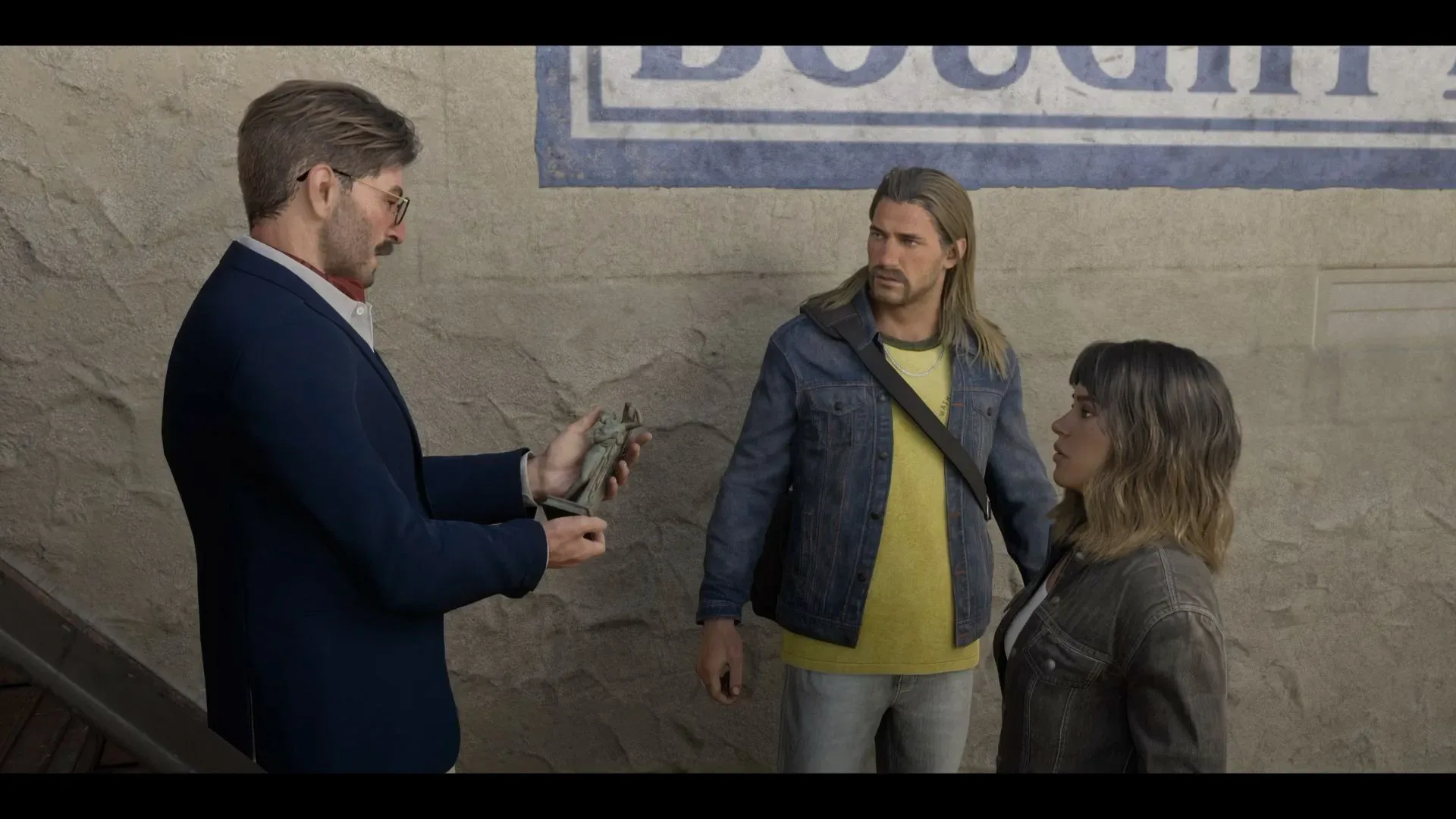
For GTA VI players, the practical takeaway is that the game’s station surfing has been backed by unusually expansive publishing participation, from early blues and gospel-era material to current collaborations. Anyone working through the game’s missions and choices can also consult our GTA 6 Benedict Halifax choice guide for help with the Dubious Provenance decision.
The 250-plus figure does not answer every soundtrack question, and it should not be inflated into a confirmed total count for all music in GTA VI. What it does document is the scale of one publisher’s footprint: a nine-decade catalog, dozens of purpose-written works, trailer placements, and contributions to a distinct 34-track album. For a series where the radio has long helped define the ride, that is a substantial foundation.