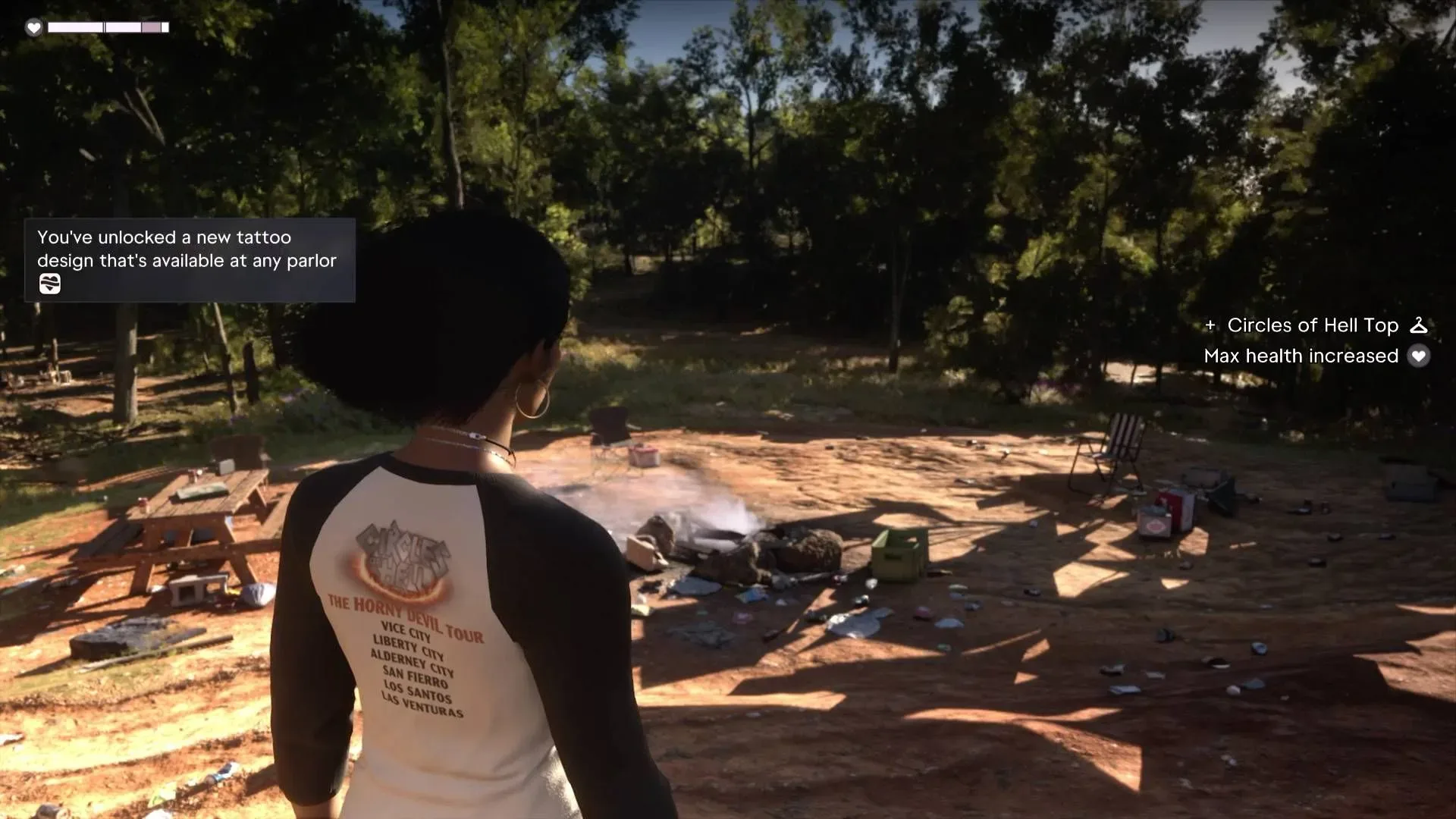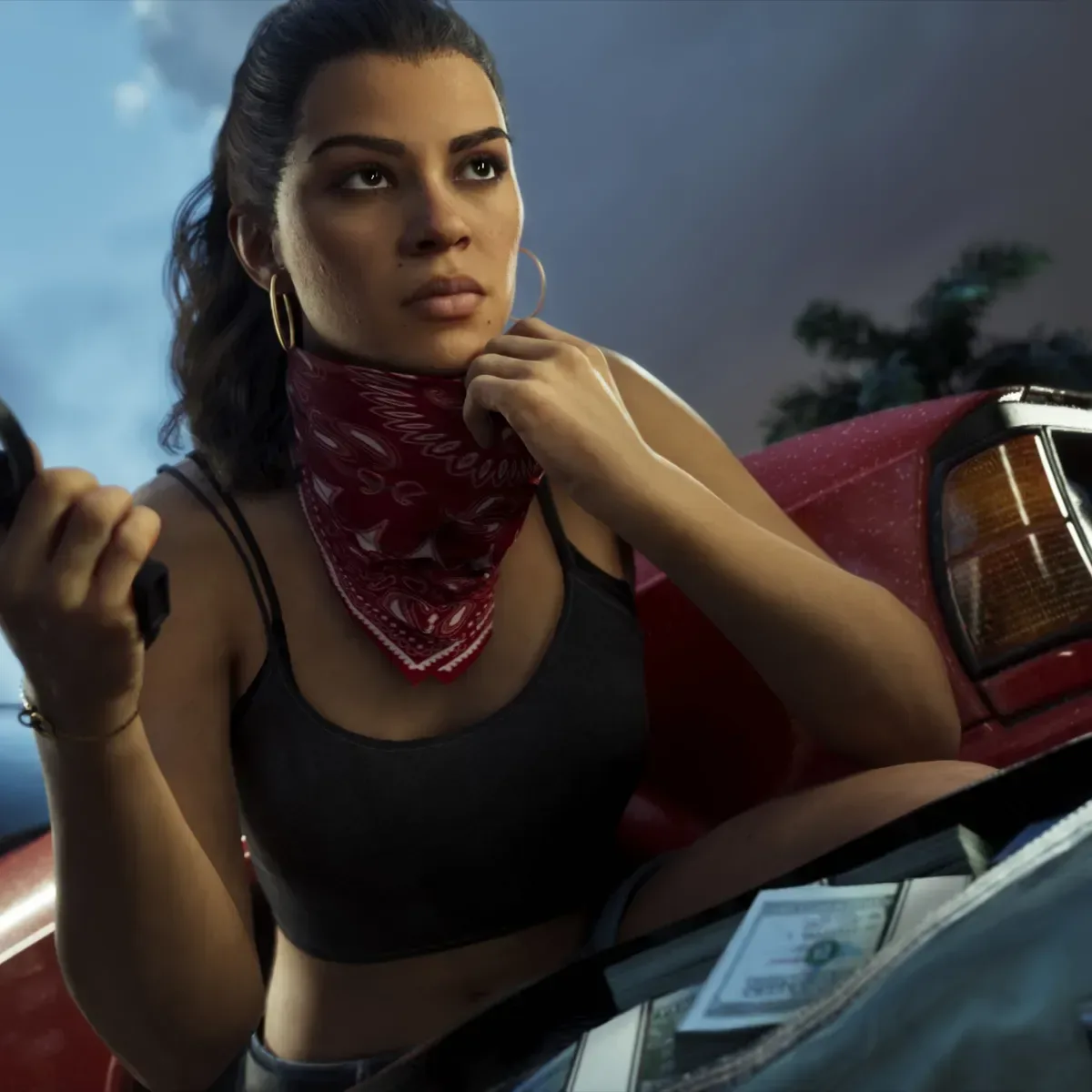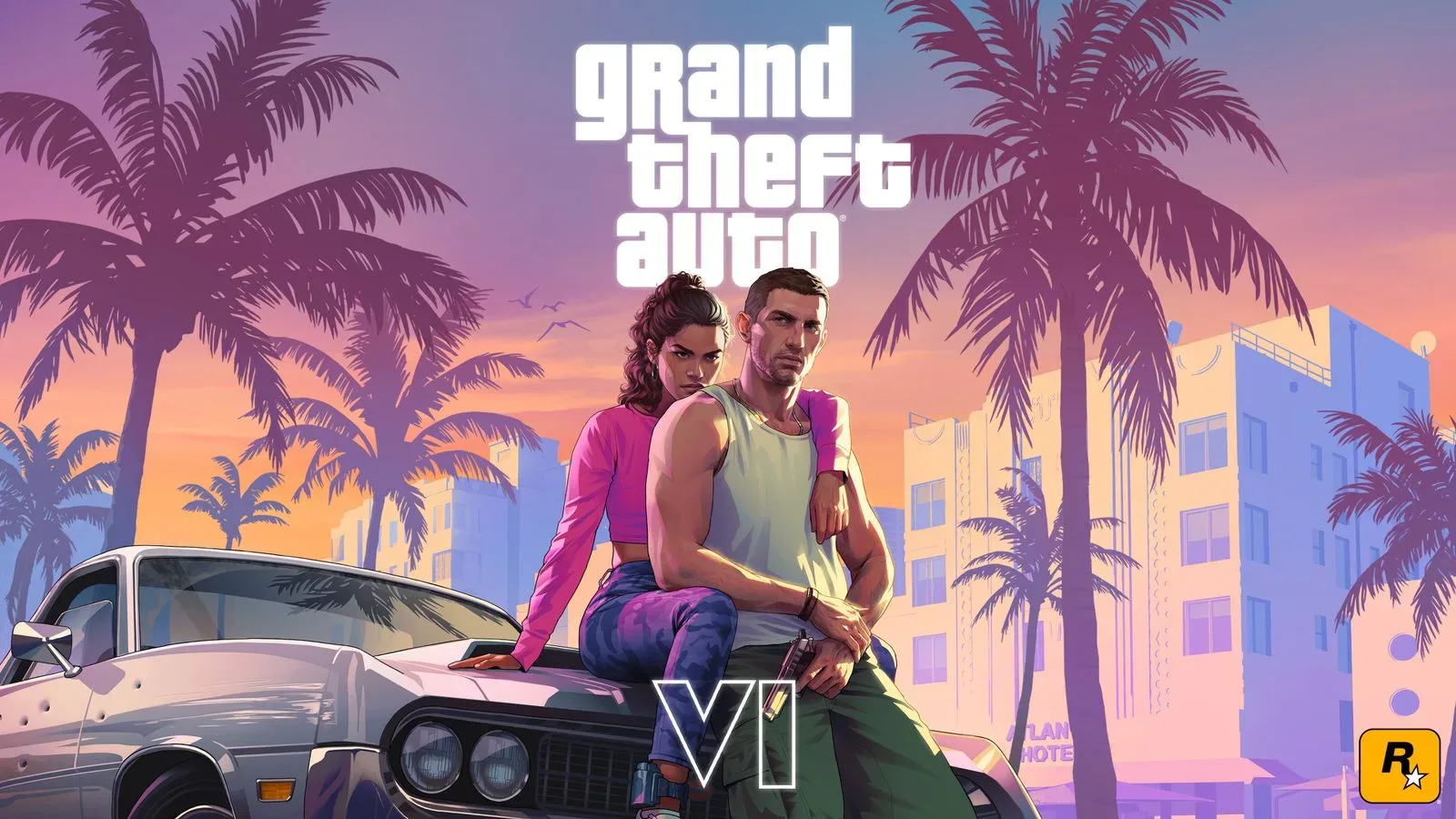
Grand Theft Auto VI can now, in a highly qualified sense, run locally on Apple silicon Macs. Community-led projects have adapted the Xbox Series version for macOS without an official Mac release from Rockstar Games. It is a notable technical proof of concept, but it is not a viable way to play the game: reported performance currently sits in the low single digits of frames per second, alongside lighting faults, flickering objects and scenery that loads too slowly.
That distinction matters. A game displaying on a Mac screen, accepting some input and allowing a camera to move is an achievement in compatibility work. It is not the same thing as a stable, supported version suitable for playing through a huge open-world game. For Mac owners hoping this means GTA VI has quietly arrived on their platform, the practical answer remains no.
Rockstar has not announced a Mac version. GTA VI launched on November 19 for PlayStation 5, Xbox Series X and Xbox Series S. Mac players with a compatible console can already use Remote Play, which streams the game from that console to the Mac. These experimental efforts are different because the game is being run on the Mac itself rather than displayed from another device.
What the early Mac results actually show
The most developed reported effort is called Halfwave, which builds upon an earlier community project known as VIctory-macOS. Halfwave has reported that save games and free roam work, a meaningful step beyond simply reaching a menu or an opening scene.
Its published performance figures, however, underline how early this remains. On an M4 Pro MacBook Pro with 48GB of memory, Halfwave reported approximately three frames per second in a prison scene and nearly five frames per second during a boat sequence. A separate boat-scene test at 1080p reached six frames per second.
Frame rate is the number of complete images shown each second. Modern action games generally need far more than these figures to feel responsive and coherent in motion. At three to six frames per second, the image changes only a handful of times per second; steering, aiming, driving and even judging what is happening around the player become severely compromised. In an open-world game designed around movement, vehicles and reactive environments, that is an especially hard limitation.
The reports also mention lighting errors, object flicker and slow-loading scenery. Those problems are not minor polish issues. Lighting faults can make spaces difficult to read; flickering geometry or objects can obstruct visual information; and scenery that does not arrive quickly enough can break the continuity expected as a player moves through the world. The work therefore demonstrates partial functionality, not a dependable game build.
VIctory-macOS has also shown why the projects should be treated as experiments rather than alternatives to the supported console releases. A tester using an M2 Pro Mac reportedly made it to the opening movement tutorial and could control the camera, but performance was around one frame every two seconds. That is roughly half a frame per second, enough to establish that something is working but far short of ordinary interaction.
Why getting it to launch is such a complicated task
The compatibility chain described for these projects contains multiple translation layers. Each exists because the Xbox version was not made for macOS or Apple silicon in the first place.
- Rosetta 2 handles processor instructions. In broad terms, it helps bridge differences between software expecting one kind of processor instruction set and Apple silicon hardware.
- CrossOver Wine provides Windows compatibility. Wine-based technology is used to help software designed for Windows operate in another operating-system environment.
- Apple’s D3DMetal translates graphics work into a form the Mac can display. Graphics APIs are the systems games use to communicate rendering tasks to graphics hardware; a translation layer is needed when the game and target system do not speak the same native graphics language.
AI tools are also helping with the projects. The available information does not spell out which individual tasks those tools perform, so it would be premature to assign them credit for a specific compatibility breakthrough. What is clear is that this is not a simple installation process. It is a stack of workarounds intended to move processor, operating-system and graphics instructions across platforms that were never officially paired for this release.
That complexity helps explain why an M4 Pro system with 48GB of memory can still post only three to six frames per second in the cited scenes. Raw hardware capability is only one part of running a game. A native port lets developers directly target a platform and optimize its rendering, memory behavior and other systems for that environment. A translation-heavy workaround adds overhead and introduces areas where a game may behave incorrectly, even if it reaches the point of rendering scenes.
Local execution is not the same as Remote Play
The contrast with Remote Play is useful for players trying to decide what this development changes today. In Remote Play, a compatible PlayStation or Xbox runs GTA VI. The Mac acts as the screen and input endpoint, receiving a video stream over a network connection. The console remains responsible for the demanding game processing.
With Halfwave and VIctory-macOS, the intention is local execution: the Mac itself handles the game through the unofficial compatibility setup. That makes the projects technically interesting, because they explore whether Apple silicon can host the game directly. But it also means the Mac must contend with every layer of adaptation and every performance issue currently visible in the reports.
For someone who simply wants to play GTA VI on a Mac display, Remote Play remains the practical route identified here, provided they own a compatible console. It does not turn the title into a Mac game, and its experience depends on the relevant connection setup, but it avoids presenting a few frames per second as if it were a usable local port.
Technical progress does not settle the rights question
There is another major reason to avoid treating these projects as an emerging consumer release: rights holders are already challenging unofficial platform adaptations. Take-Two Interactive, Rockstar’s parent company, has targeted efforts to bring the game to other platforms without authorization. A copyright complaint published by GitHub alleged that a similar project, called Leonida, infringed Take-Two’s rights.
That allegation does not by itself describe the status of every Mac-focused effort, nor does it establish the outcome of any particular dispute. It does establish a clear practical risk around this category of project. Compatibility work can be technically impressive while still attracting takedown action or other challenges from the company that owns the game. Potential users should not assume a project will remain available, receive ongoing updates or become an officially tolerated option.
It is also important not to confuse community experimentation with a developer commitment. Rockstar has not announced plans to release GTA VI for Mac. Until it does, no frame-rate chart from an unofficial project should be read as a release roadmap, platform confirmation or promise that a clean native version is close.
What to watch next
The useful milestone here is modest but real: developers have reportedly reached exploration, camera control, saves and free roam while running GTA VI locally on Apple silicon hardware. That means the conversation has moved past a purely theoretical “could it ever display?” stage. Yet the reported numbers and graphical issues put it far from a normal playing experience.
The important future markers would be sustained performance improvements, fewer visual failures and scenery loading that can keep up with player movement. Just as importantly, any official statement from Rockstar about macOS would change the picture far more than incremental gains in an unofficial translation stack.
For now, this is best understood as a fascinating compatibility experiment rather than a purchasing recommendation or a replacement for the game’s supported console versions. Players looking for GTA VI help on the game itself can also consult our guide to GTA VI permanent stat boost missions.