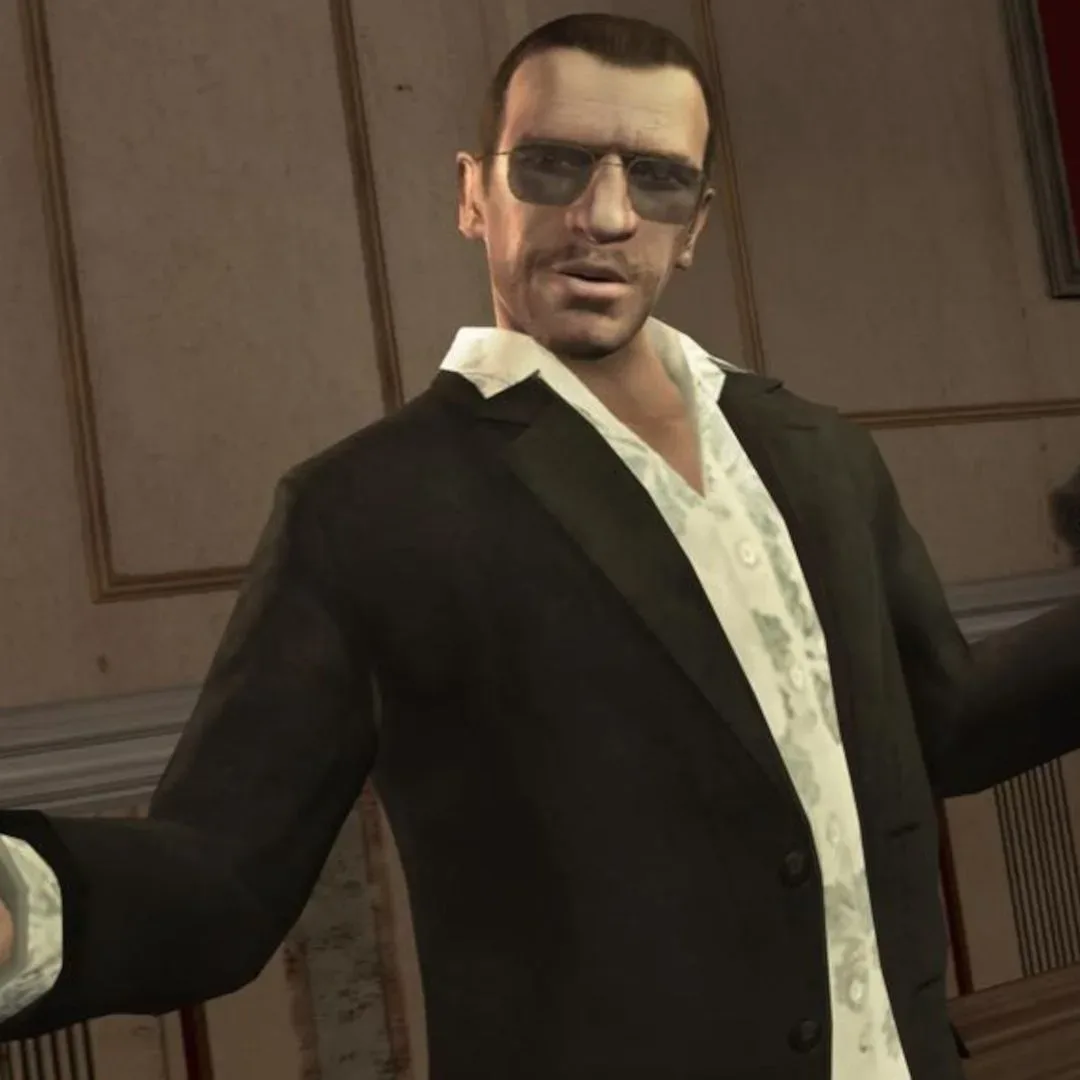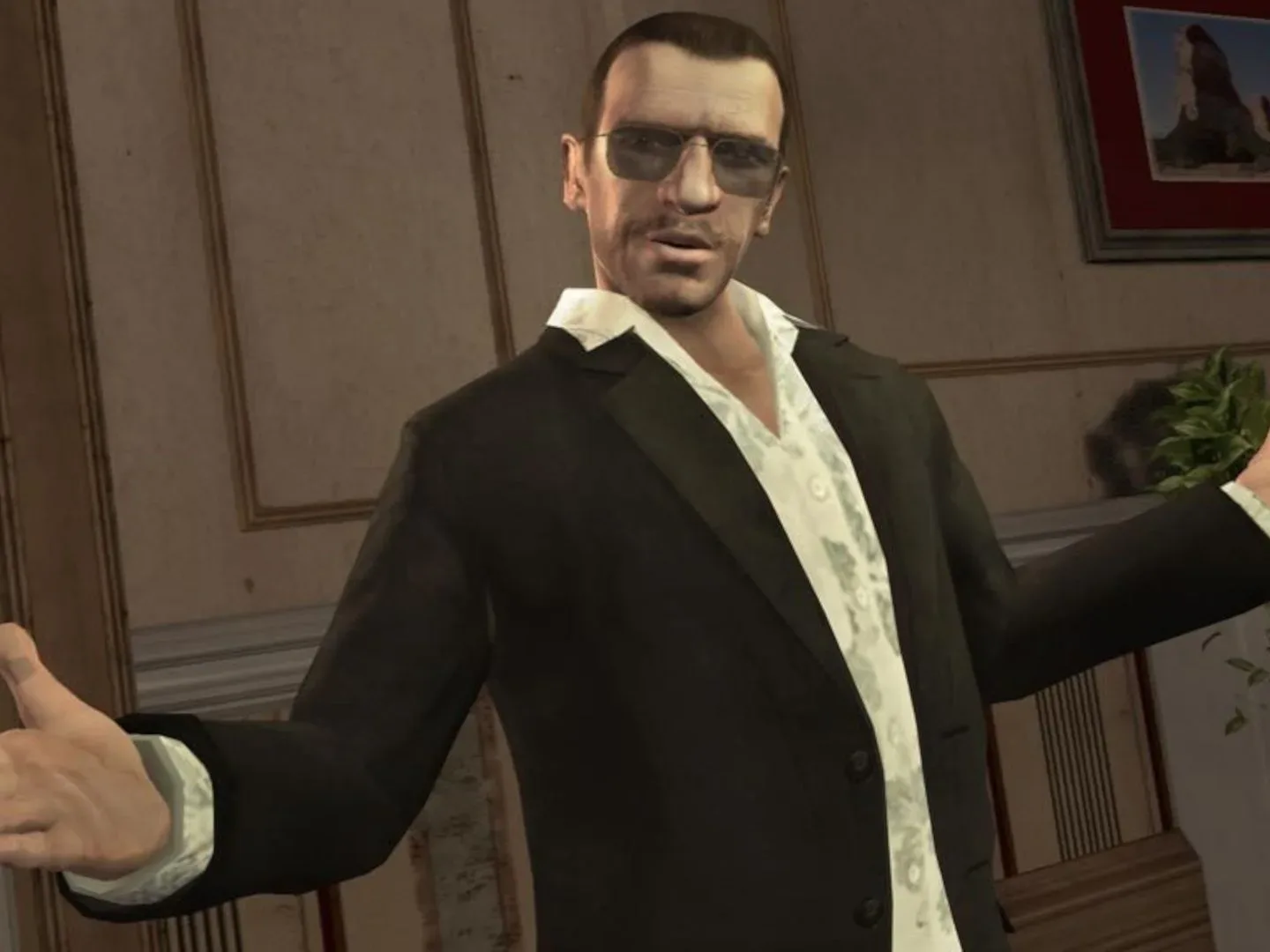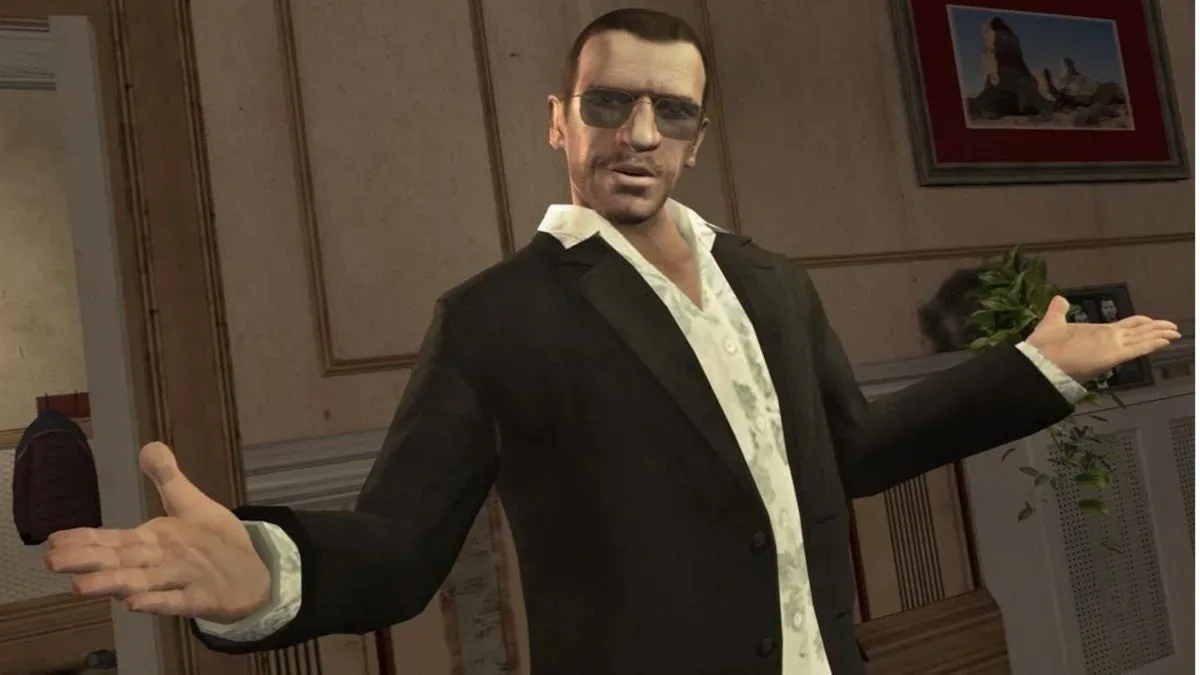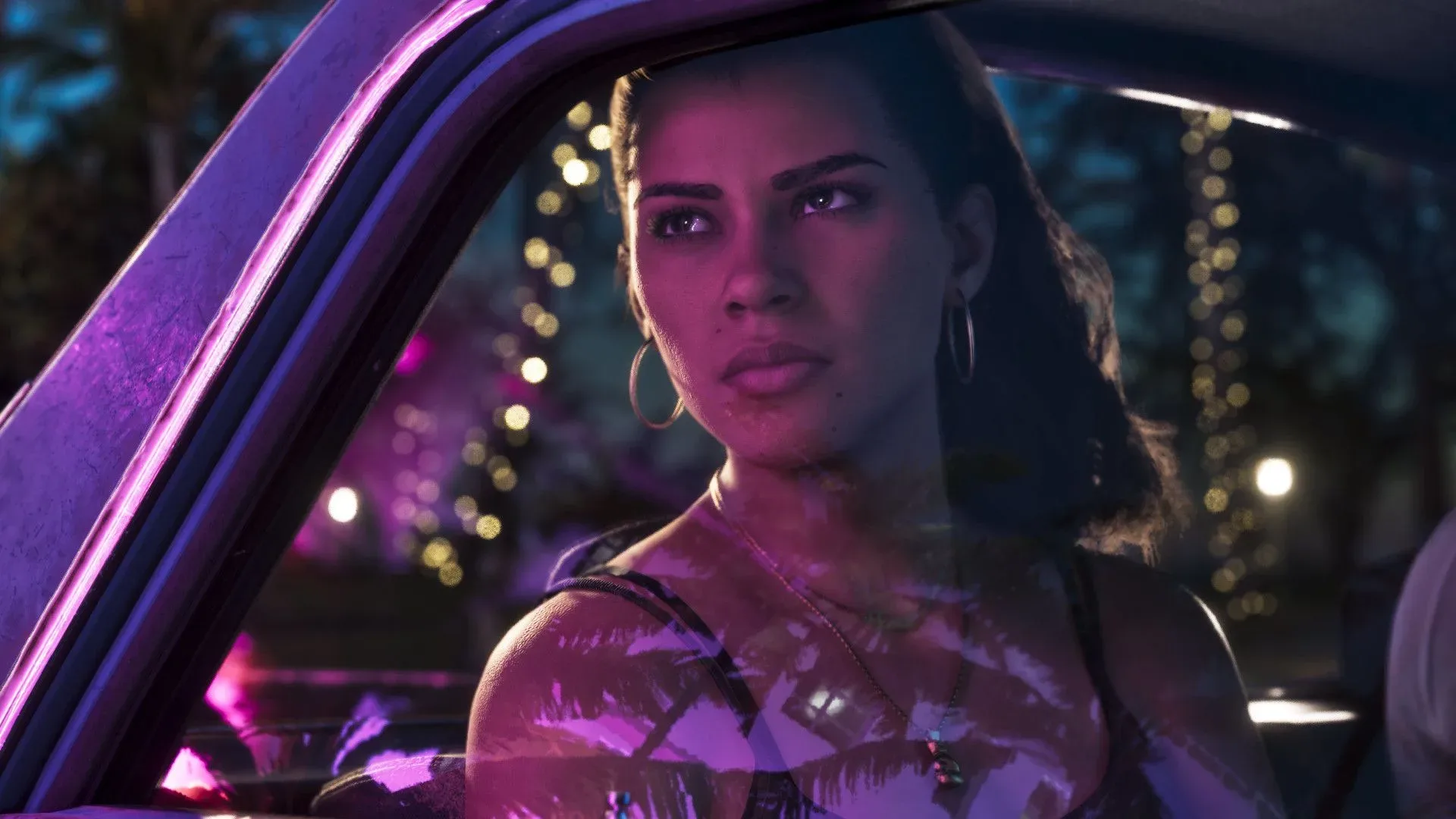
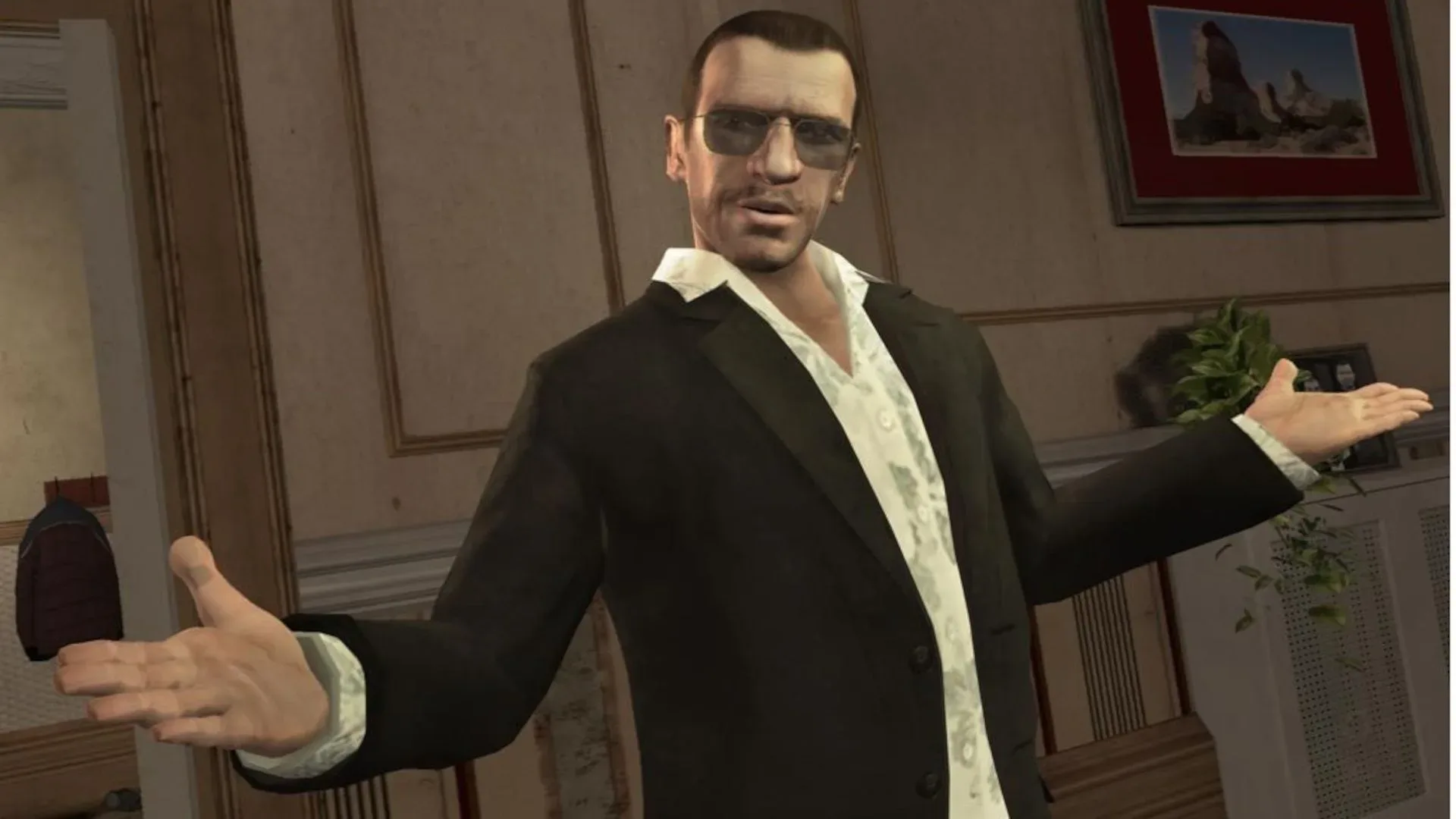
The arrival of Grand Theft Auto 6 ends a 13-year gap since Grand Theft Auto 5, a stretch that would have sounded almost impossible during the series’ formative years. From 1997 through 2009, Grand Theft Auto produced 10 releases in 12 years, moving from compact top-down crime games to enormous 3D open worlds, portable spin-offs and expansion-led releases at a pace that helped turn the name into a cultural fixture.
The contrast is more than a trivia question about calendars. It illustrates a foundational shift in how major games are made, organized and expected to perform. Grand Theft Auto was once a series whose identity was reinforced by frequent returns to its fictional cities and escalating technical ambitions. Today, a new numbered entry can represent more than a decade of anticipation.
That does not mean the earlier games were insignificant or that a long development period is inherently a failure. It does mean that the old cadence is useful perspective for anyone asking why the wait for GTA 6 has felt so unusual. In the series’ earlier years, players did not have to wait a generation-plus to see Rockstar revisit Grand Theft Auto. They saw the franchise iterate in public, repeatedly and quickly.
A 12-year run that contained 10 GTA releases
The timeline begins with the original Grand Theft Auto, released in 1997 by DMA Design, the Edinburgh studio that would later become Rockstar North. Grand Theft Auto 2 followed in 1999. These first two games used a top-down viewpoint and found moderate success, establishing the series before it took the form now most closely associated with its name.
For more context, explore Skip Hinnant, ‘The Electric Company’ Original Cast Member and Voice of Fritz the Cat, Dies at 86.
That transformation arrived with Grand Theft Auto 3 in 2001. Its large 3D open world made a powerful impact and became a defining industry moment. An open world is a game structure that gives players broad freedom to travel through an environment and choose how to approach activities rather than moving exclusively along a fixed sequence of levels. GTA 3’s version of that idea, coupled with an M-rated crime-story sensibility, proved enormously influential. Other publishers subsequently pursued games with similar open-world structures and adult-targeted appeal.
Then came an extraordinary stretch of follow-ups:
- Grand Theft Auto: Vice City in 2002
- Grand Theft Auto: San Andreas in 2004
- Grand Theft Auto: Liberty City Stories in 2005
- Grand Theft Auto: Vice City Stories in 2006
- Grand Theft Auto 4 in 2008
- Two GTA 4 expansions, later collected as the standalone Episodes from Liberty City, in 2009
Counting the initial three games, that list makes 10 releases across the 1997–2009 period. It is a remarkable sequence not simply because the titles arrived close together, but because the franchise changed considerably inside that window. The move from the early overhead games to GTA 3’s 3D world was not a minor annual refresh. It was a major redefinition of what Grand Theft Auto could be.
Related coverage includes Grand Theft Auto's 13-Year Gap Shows How Dramatically Game Development Has Changed.
More than one studio shaped the old pace
It is tempting to describe that output as one studio magically producing game after game, but the record here is more specific. DMA Design released the first three Grand Theft Auto games and later became Rockstar North, which led development on the main GTA series. Rockstar North released GTA 4 in 2008.
Other teams also mattered. Mobius Entertainment, another British studio, joined Rockstar and became Rockstar Leeds. Rockstar Leeds developed the PSP-focused Liberty City Stories and Vice City Stories in 2005 and 2006. The GTA 4 add-ons were expansions before their later standalone packaging as Episodes from Liberty City.
That distinction matters when interpreting the “10 games in 12 years” figure. It was a franchise output, not a claim that every release was identical in scale, built by identical teams or aimed at identical hardware. Mainline games, portable spin-offs and expansions serve different roles. A spin-off can give players another trip to a familiar setting; an expansion can extend an existing foundation. Neither is automatically equivalent to building a new mainline entry from scratch.
Still, those releases were part of how Grand Theft Auto stayed present. Players had regular reasons to discuss its worlds, stories and evolving format. The series’ momentum was built not solely through one blockbuster but through a sustained run of projects across several kinds of release.
The gap changed after Episodes from Liberty City
The release rhythm slowed sharply after 2009. Grand Theft Auto 5 arrived four years later. The next numbered entry, GTA 6, followed 13 years after GTA 5. Put against the earlier 12-year period, the arithmetic is startling: the franchise previously delivered 10 games in slightly less time than the interval separating its two most recent numbered releases.
Rockstar did not disappear during that period. Red Dead Redemption 2 arrived between GTA 5 and GTA 6. But that is not the same as Grand Theft Auto receiving a new release at the rate it once did. It instead underlines a practical point: a studio group can be actively making major games while a particular series remains absent for years.
There is a second contrast, too. Rockstar was developing non-GTA games at a more prolific rate during the franchise’s earlier heyday. The old era therefore was not just busy for Grand Theft Auto in isolation. It was a period in which the company’s broader output was more frequent as well.
What “development cycles” means in this context
A development cycle is the time required to take a game from its development work through release. The supplied timeline does not provide a behind-the-scenes breakdown of GTA 6’s production, so it would be wrong to assign the 13-year interval to any one technical feature, staffing decision or design goal. The useful, supportable observation is simpler: the cycle between releases has grown dramatically compared with the series’ early years.
Modern blockbuster games are commonly discussed in terms of long gaps and protracted production. Grand Theft Auto is an especially visible example because GTA 3, Vice City, San Andreas and GTA 4 established a memorable run of releases within less than a decade. When a franchise has trained its audience to expect rapid evolution, a 13-year gap feels even larger than the raw number suggests.
The effect of those longer intervals reaches beyond impatience. A series can have a harder time creating an ongoing relationship with new players when its next major chapter is far away. Naoki Yoshida has made that concern about the Final Fantasy series, arguing that long waits may make it more difficult for younger audiences to connect with a franchise. The issue is not unique to Rockstar, even if GTA’s numbers make the pattern unusually easy to see.
Frequent releases once gave younger players multiple entry points: a new sequel, a portable side story or an expansion could each become someone’s first encounter with a series. With longer cycles, the stakes around each new entry rise. A single game must carry years of expectation and often becomes the principal public representation of a franchise for a very long time.
Why anticipation endured rather than faded
Long waits do not inevitably create less interest. In GTA 6’s case, the extended interval has not visibly drained anticipation. If anything, the distance from GTA 5 has made the next game feel larger as an event. That response says something about Grand Theft Auto’s staying power, but it also reflects the institutional status built during its prolific years.
Vice City, San Andreas, the Stories games, GTA 4 and its expansions gave Grand Theft Auto a recurring presence through the 2000s. The franchise had time to establish habits in its audience: new settings and stories were occasions, and the series could reinvent parts of itself while retaining a recognizable core. GTA 6 benefits from that accumulated recognition.
There is a trade-off hidden inside the excitement. The less often a major franchise returns, the more every sequel is treated as a referendum on years of waiting. Fans are not only evaluating a new game; they are measuring it against memories of prior entries, expectations formed in the gap and the sheer symbolic weight of the name. That level of attention can make anticipation feel immense long before anyone has played the finished game.
The old GTA timeline remains useful context
The early Grand Theft Auto chronology should not be read as a demand that today’s developers reproduce a late-1990s or 2000s schedule. The games, teams and release types were different, and the evidence here does not establish a one-size-fits-all explanation for why schedules have changed. But the timeline does offer a clear historical comparison.
In 1997, DMA Design launched the first Grand Theft Auto. By 2009, the franchise had passed through the top-down originals, the breakthrough of GTA 3, multiple major 3D successors, PSP spin-offs and GTA 4 expansions assembled into Episodes from Liberty City. In the period after that, four years separated GTA 4’s era from GTA 5, and 13 years separated GTA 5 from GTA 6.
That is the story behind the headline number. GTA 6 arrives not just as another sequel, but after a pause longer than the entire period in which Grand Theft Auto established much of its modern identity. For players who remember the rapid succession of the 2000s, it is a reminder that the industry’s idea of a blockbuster timetable has changed beyond recognition.