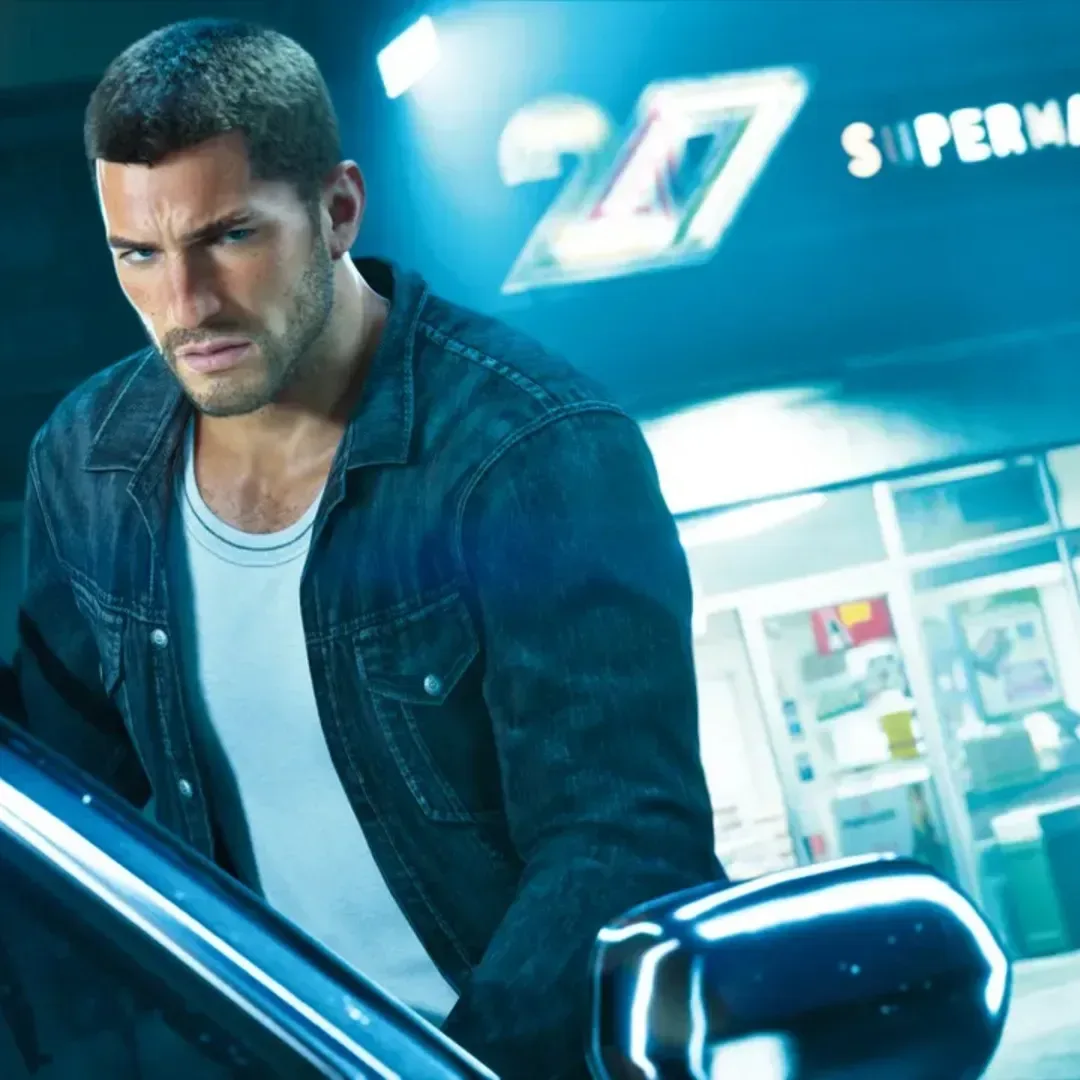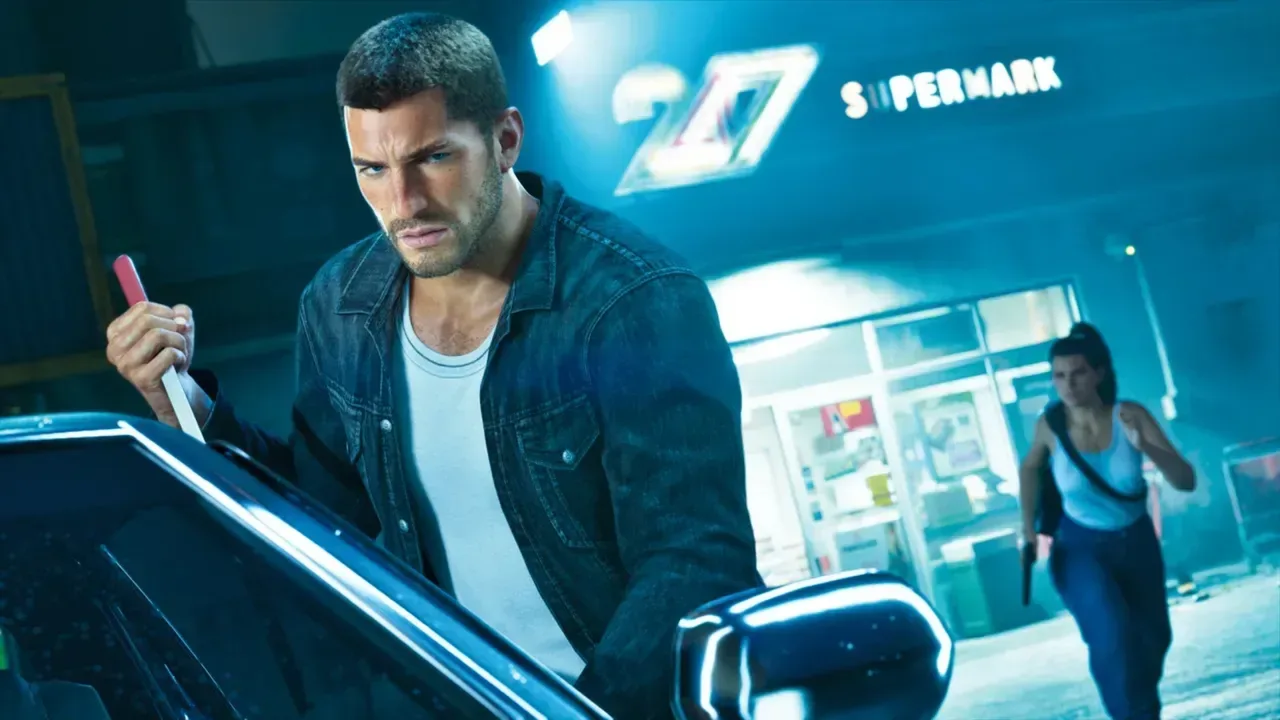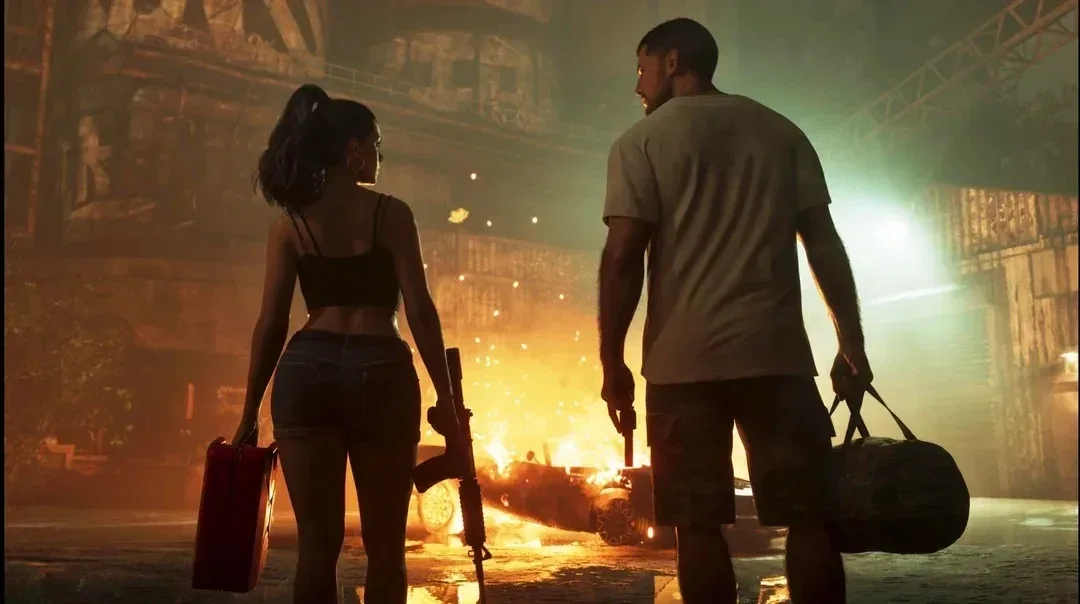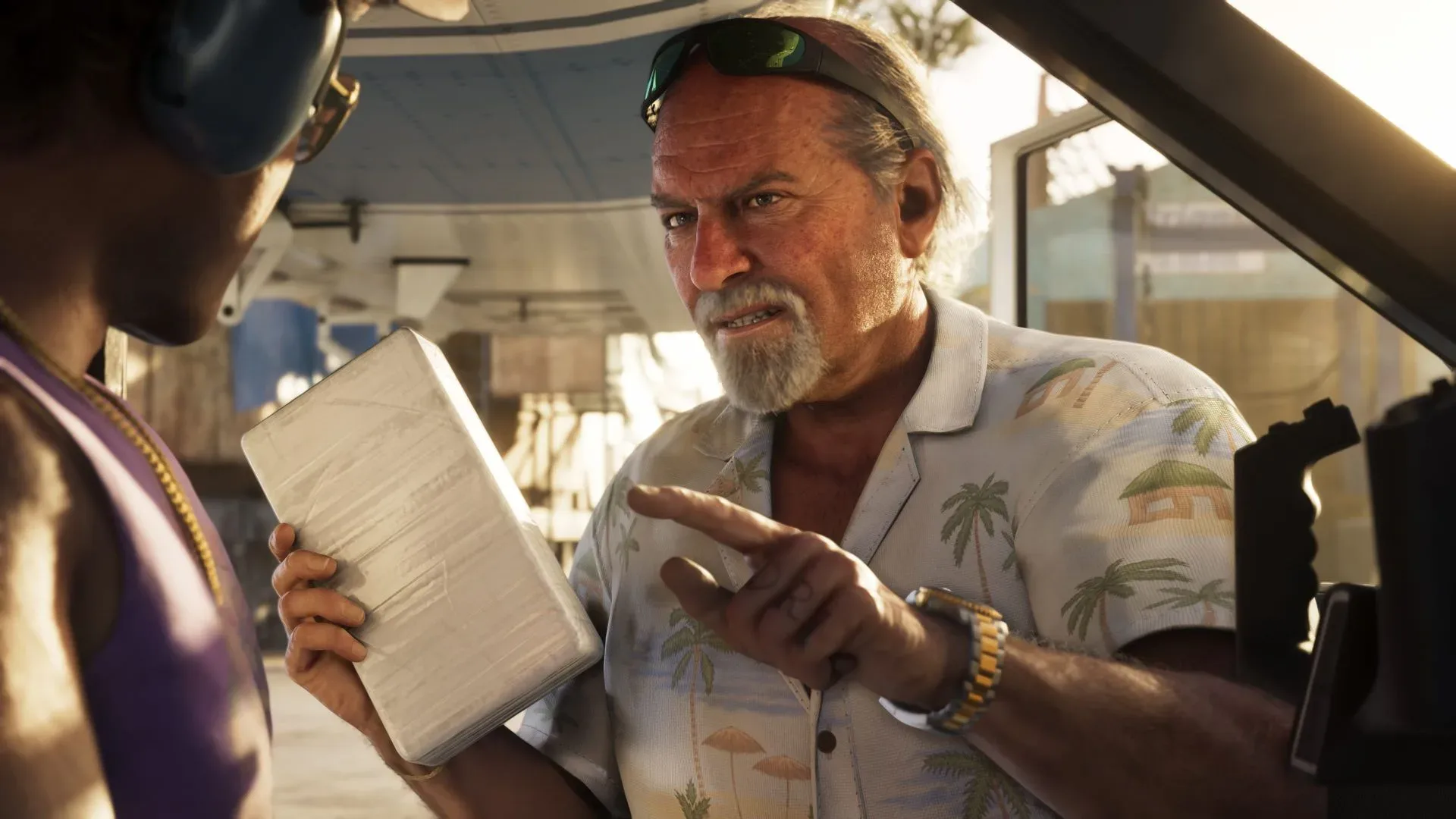
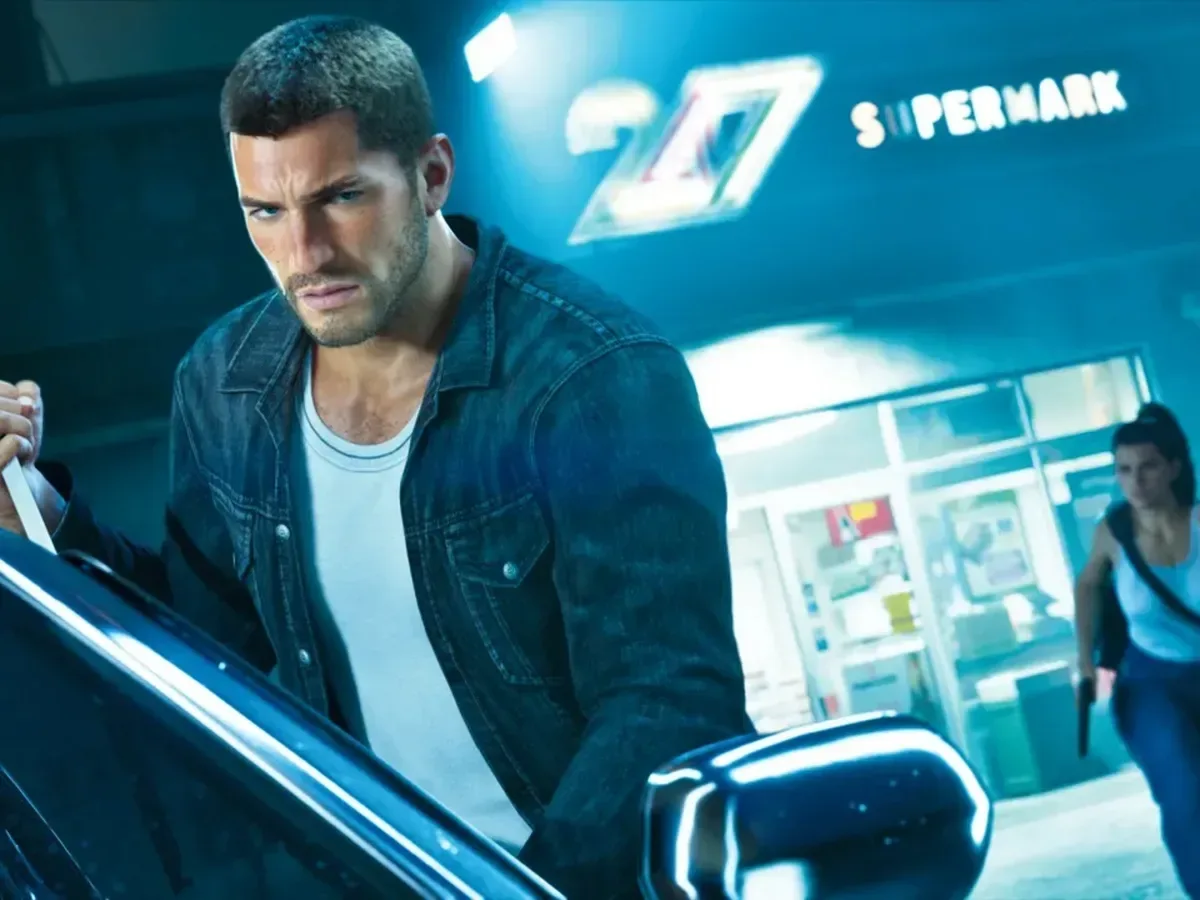
A Grand Theft Auto set beyond the United States has not been ruled out—but it is not the direction Rockstar is signaling for the immediate future. Rockstar North co-studio head Rob Nelson offered a carefully open-ended answer when asked whether the series could move overseas: “Never say never.” The more revealing part of his response came immediately afterward: “There’s still so much to do in America.”
That is not a confirmation of a new location, a tease for a specific city, or a promise that the next major GTA will leave its familiar territory. It is a statement of possibility paired with a clear reminder of where the studio still sees creative opportunity. With GTA 6 headed back to Vice City on November 19, the franchise remains firmly invested in a fictionalized version of the United States and the cultural satire that setting enables.
A deliberately cautious answer, not a location reveal
“Never say never” is the kind of phrase that preserves flexibility. It means an international GTA is conceivable; it does not mean one is currently planned, in production, or next in line. Nelson’s follow-up about America matters because it establishes the studio’s present creative emphasis rather than simply entertaining a hypothetical.
For players, the practical takeaway is straightforward: there is no reason to treat this as evidence that GTA is preparing a move to London, Tokyo, Paris, or any other real-world counterpart. Those are destinations fans have discussed for years, but no future setting was identified. The available information instead reinforces a much simpler point: Rockstar believes the United States still has room for more GTA stories.
That stance fits the series’ long-running geographical pattern. Over roughly 25 years, GTA has repeatedly returned to three core fictional locales:
- Liberty City, the series’ version of New York.
- Vice City, its take on Miami.
- San Andreas, associated with California.
Each setting is more than a map label. These places provide the social setting, architecture, visual identity, institutions, and recognizable American reference points around which GTA builds its stories. A return to one of them is not necessarily a lack of imagination. It can be an opportunity to reinterpret a place, its media image, and the kinds of people and conflicts the series chooses to put there.
Vice City’s return keeps GTA’s American center of gravity intact
GTA 6 brings the franchise back to Vice City, which makes Nelson’s comments especially timely. Rather than using the next game to establish a wholly unfamiliar national setting, Rockstar is revisiting one of GTA’s foundational American cities. That choice makes the notion of “still so much to do in America” feel less like a vague corporate hedge and more like a description of the series’ current direction.
The GTA games have generally used fictional names rather than presenting their settings as exact replicas. That distinction matters. A GTA version of a location gives the developer room to create an original game world shaped by broad geographical and cultural associations, instead of presenting a literal simulation of a real city. Liberty City can evoke New York without being New York; Vice City can draw from Miami while operating under its own rules.
Related coverage includes Rockstar Says 'Never Say Never' to a Grand Theft Auto Set Outside America.
This approach has supported GTA’s defining style: heightened crime fiction, conspicuous personalities, and a satirical view of contemporary life. Nelson did not spell out a design philosophy in his brief comment, but the series’ history makes clear why the American setting remains useful to it. The setting is part of the storytelling machinery, not merely a backdrop for vehicles and missions.
Players preparing for GTA 6 also have a more immediate logistical concern than speculation about the game after GTA 6: storage. The game is available to preload and is listed at a substantial 210 GB. Reported preload sizes vary by region, with unanswered questions about what accounts for the difference; our coverage of GTA 6 preload sizes in Japan, Australia, and New Zealand explains what is known and what remains unclear.
GTA has looked beyond its usual cities before
An overseas mainline GTA would be a major shift, but it would not be without precedent in the franchise’s broader history. The original GTA received an expansion set in London. The series also came close to a Japan-set project in the early-to-mid 2000s. In addition, GTA 5 reportedly had planned downloadable content that would have included at least some Paris material before that content was scrapped.
These examples are useful context, but they should not be mistaken for a pattern of released, full-scale international GTA games. The London expansion belongs to the first game’s era. The Japan concept did not become a released GTA title. The Paris-related GTA 5 material was apparently not completed and released as DLC. They show that Rockstar has considered or used non-US places in some form, not that the company has regularly positioned the franchise outside America.
The other notable geographical departure within a modern numbered entry was North Yankton. GTA 5’s story opens in the snowy fictional state, offering a brief Midwestern detour from the franchise’s coastal strongholds. Its importance is largely illustrative: GTA can make room for another American region when a story calls for it. Yet it also underlines how limited those departures have been compared with the recurring focus on Liberty City, Vice City, and San Andreas.
Why an international GTA would involve more than a new skyline
Moving GTA abroad would not be a simple matter of swapping palm trees for double-decker buses or translating signage. A full location change would reshape the series’ tone, its criminal underworld, its policing, its weapons context, its class satire, and the everyday cultural assumptions that make up its humor. Those are not incidental details in a GTA game; they are intertwined with how the world is written.
Former Rockstar writer and creative director Dan Houser expressed that view last year, arguing that the series’ “Americana” made it hard to reproduce the same result in London or elsewhere. His explanation highlighted guns and outsized characters, while also framing GTA as a perspective on America. That is an opinion from a former creative leader, not a declaration of what Rockstar will or will not do now. Still, it articulates the central creative challenge behind fan calls for an overseas installment.
Americana, in this context, means the collection of symbols, behaviors, myths, media habits, commercial culture, and social contradictions commonly associated with the United States. GTA does not merely place cars and criminal missions on American-looking streets. Its identity has often been connected to exaggerating and critiquing that environment. If the setting moved elsewhere, the series would need to find an equally strong local lens without simply putting familiar GTA jokes in front of a different landmark.
That could be creatively exciting, but it would require change. The question is not whether another country has crime, big personalities, expensive cars, or a dense city. It is whether GTA’s particular blend of satire and open-world crime fiction would be rebuilt around that society in a way that feels purposeful. Nelson’s remark leaves that door open. His emphasis on the United States indicates Rockstar does not appear to feel compelled to walk through it soon.
There is still enormous American territory GTA has barely touched
It is easy to describe GTA as an American series and assume its geography has therefore been exhausted. Its map history suggests the opposite. The franchise has returned often to a small set of recognizable urban archetypes, while much of the country has received little or no sustained attention. North Yankton was only a glimpse of a colder interior setting, while the major pillars remain stand-ins for New York, Miami, and California.
Nelson’s comment does not identify what Rockstar might pursue within America next, and it would be speculation to name potential states or cities. But the statement does establish the broad creative logic: a domestic setting can still feel new if the studio finds a distinct angle, a different regional identity, or a fresh story worth telling. America is not one setting in practical terms; it is a vast range of environments and cultural contexts. Rockstar’s longstanding focus on only a few of them leaves considerable room for variation.
That does not make an overseas GTA less attractive as an idea. It does clarify why the decision is not as obvious as “the series has visited America before, so it must leave.” Familiarity can be an asset when the setting is integral to a franchise’s voice, and reinvention can happen within a continued national frame.
What this means for GTA 6—and what it does not
For the moment, the concrete news is GTA 6’s November 19 launch and its return to Vice City. The game is expected to be one of the largest launches in the industry, and it is already described as the most preordered game in the histories of the Xbox and PlayStation digital stores. Those facts put the immediate focus squarely on the new Vice City rather than a hypothetical post-launch destination.
Nelson’s wording should be read as permission to keep imagining an international GTA, not as a clue that one is around the corner. No country, city, project, timetable, platform plan, or feature list accompanied the comment. The only firm direction in the statement is that Rockstar still sees plenty of potential in America.
That may be enough to disappoint players hoping GTA 6 would be the last stop before a radical relocation. It may also reassure those who see the franchise’s American satire as central to its appeal. Either way, the answer preserves options without pretending that an overseas leap is imminent. For now, the series is returning to Vice City—and Rockstar is making clear it has not run out of American stories to tell.