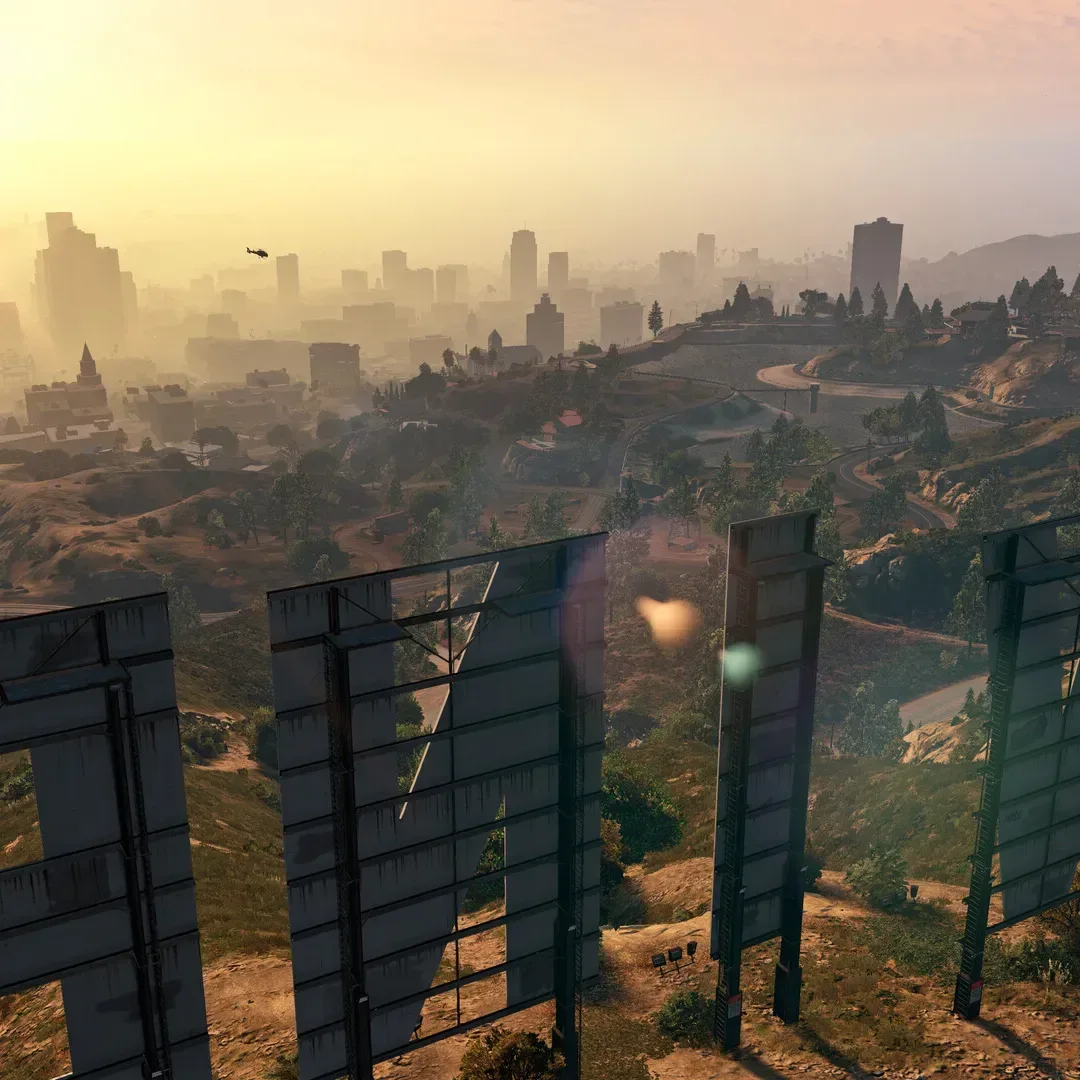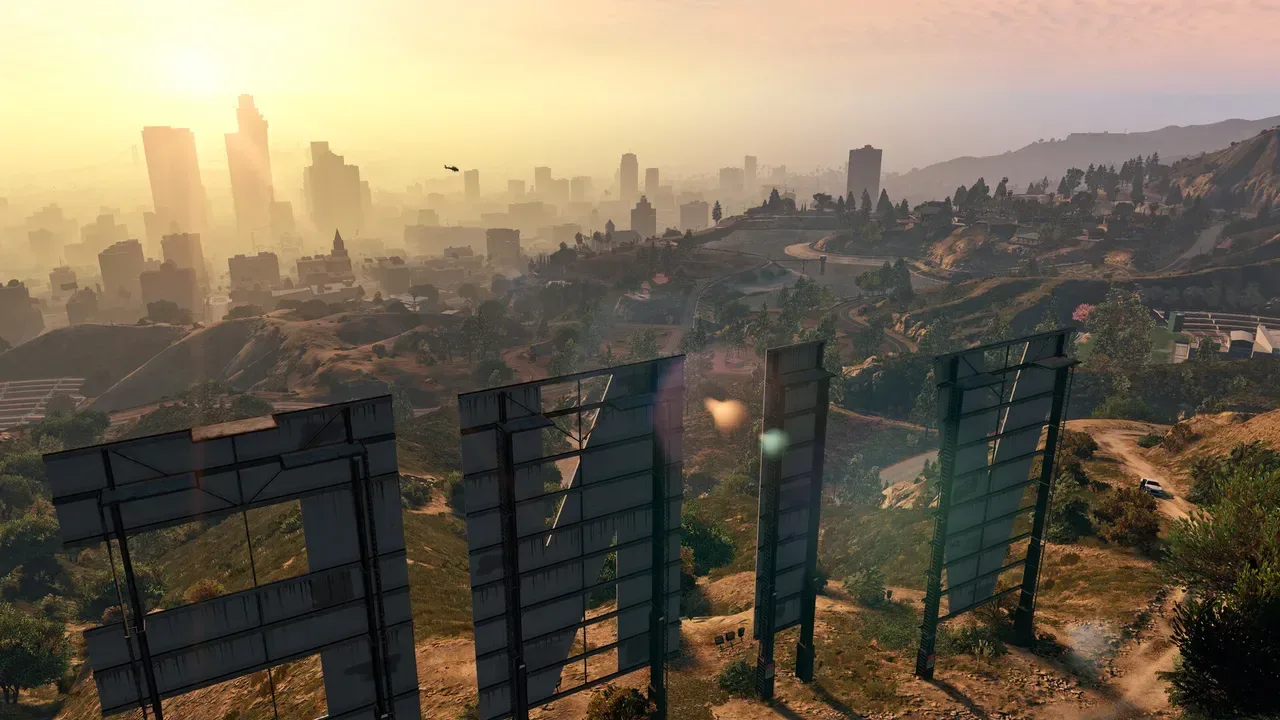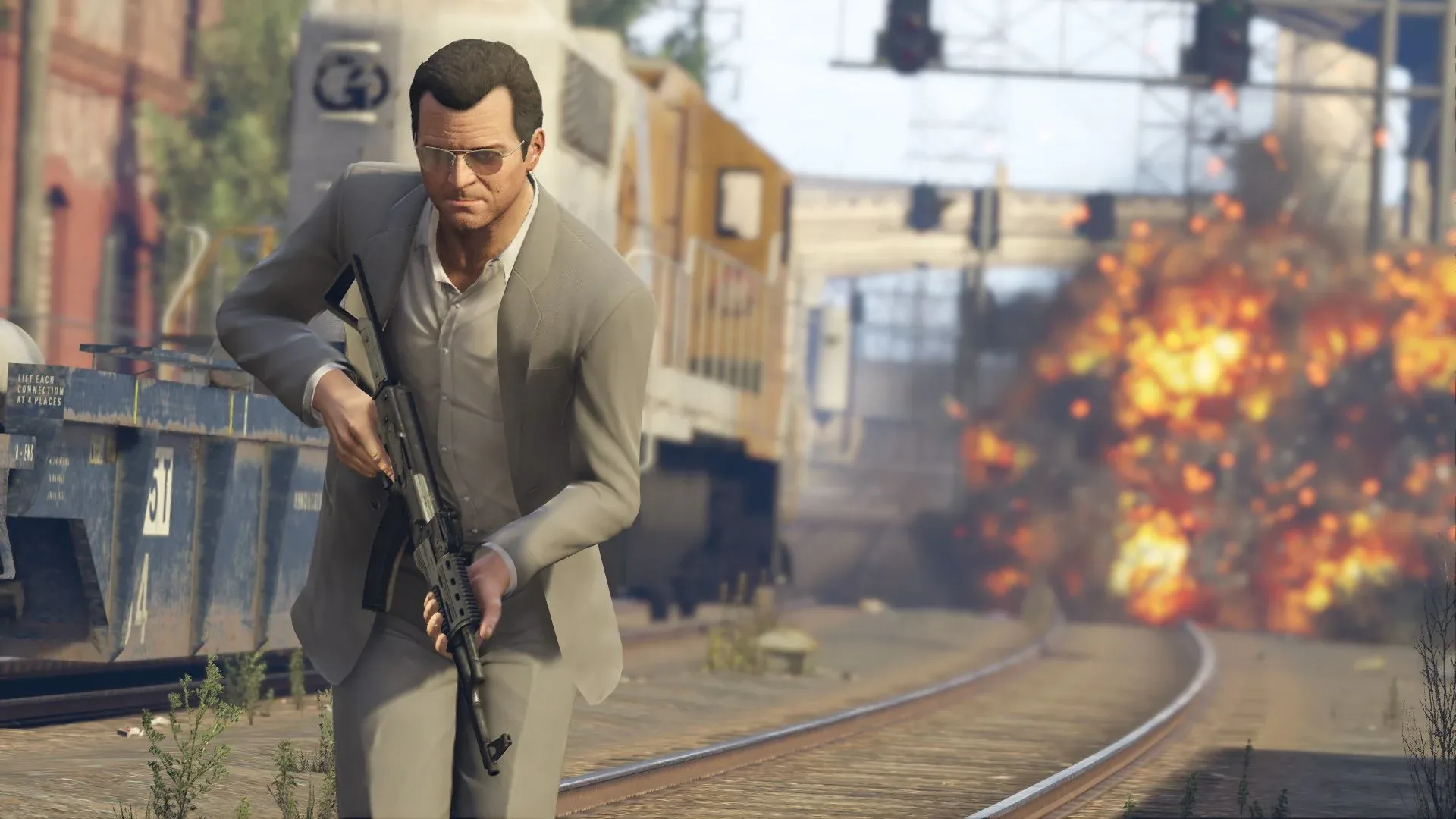
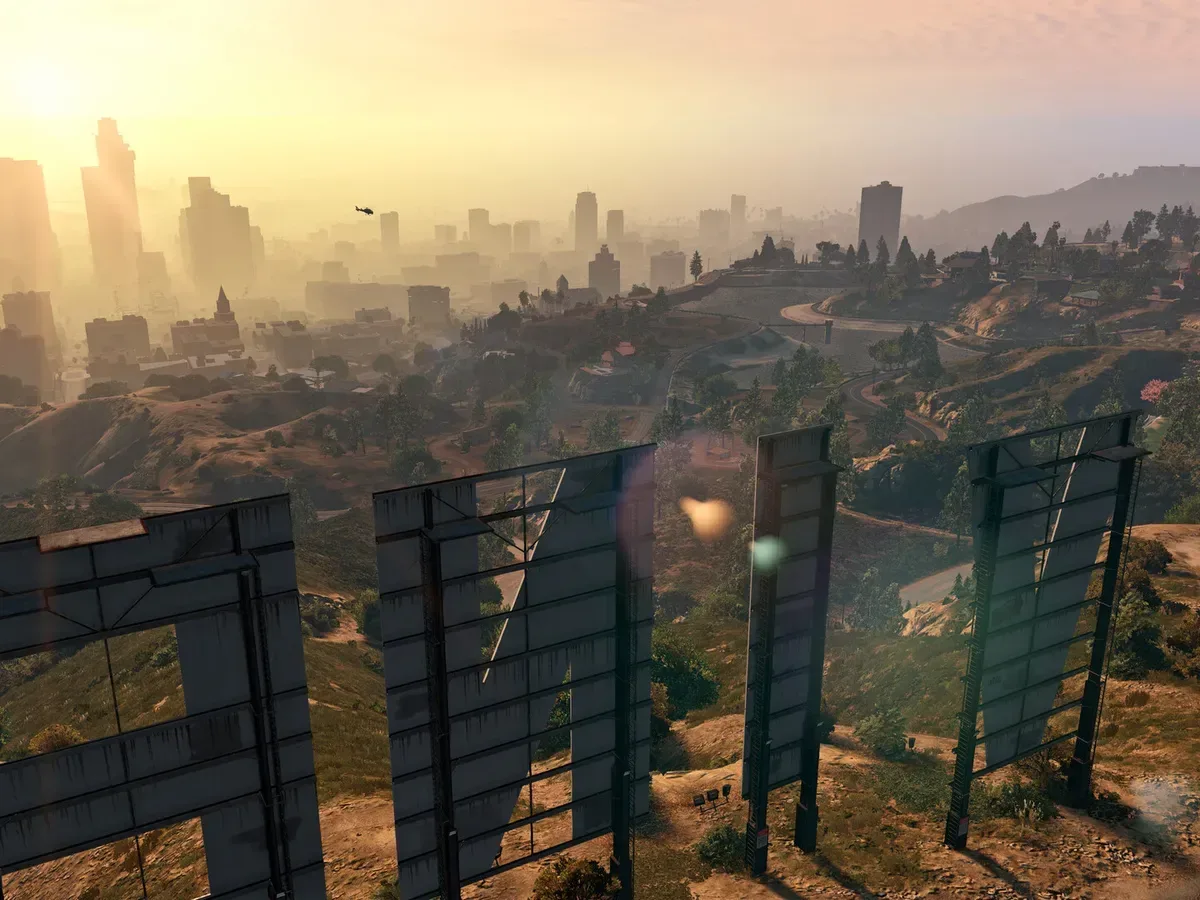
For a game built around car chases, explosions and ill-advised shortcuts through traffic, the planned community farewell to Grand Theft Auto V is strikingly gentle. Players are calling it “The Last Ride”: a final, unofficial trip around San Andreas before moving on to Vice City. The plan is simple—loop the highway, gather at the airport, take to the skies in jets and head east as the sun drops behind Los Santos.
It is not an in-game event organized by Rockstar Games, and it is not an instruction to stop playing GTA V or GTA Online. In practice, it is a player-made ritual for a community facing a rare kind of transition. A game that has been part of people’s routines for roughly 13 years has become a landmark in its own right: a familiar map that outlasted school, jobs, relationships, moves and major life changes.
That is why the proposed flight out of Los Santos has resonated beyond a neat bit of role-play. For many participants, the destination is less important than the drive. The convoy gives friends an excuse to revisit a digital place whose value was never limited to missions or money.
What “The Last Ride” is—and what it is not
The format reflects the open-ended design that made GTA Online stick. Rather than requiring a prescribed mission, players intend to make their own occasion from the spaces they already know: highways, city landmarks, garages, properties and Los Santos International Airport.
That flexibility matters. In a sandbox game, players are given systems and a space to experiment in instead of being pushed through one fixed sequence of objectives. GTA Online can certainly be about heists, races and adversary modes, but its longevity also comes from quieter uses of that sandbox. A group can meet up, choose cars, cruise around, argue over a failed stunt, or simply leave the game running while they talk.
The farewell is therefore best understood as a community gathering, not a piece of official content or a formal ending. Players can return to GTA 5 afterward. Yet symbolic endings have their own purpose: they acknowledge that a shared routine is changing, even when the old place remains accessible.
Los Santos as a social space
One longtime player, Harry, said he has spent more than 4,300 hours in GTA 5 across the past decade. His memories include heists, races, adversary modes and free-roam sessions, including the repeated attempts and arguments that preceded his group’s first completion of the Doomsday Heist finale.
Freemode is the particularly revealing term here. It describes GTA Online’s open session play outside a single structured activity. The lack of one overriding task makes it useful as a social backdrop. Friends can set their own pace, whether that means a race one minute and an unplanned road trip the next.
Related coverage includes GTA 5 Players Plan 'Last Ride' Across Los Santos Ahead of Vice City Return.
Harry’s launch-night plan centers on revisiting places rather than ticking off objectives: a favorite car, the casino, yachts, apartments and nightclubs, followed by a move to the next game at midnight. The landmarks are virtual, but the associations are personal. They are where particular groups met, where a purchase felt momentous, or where a familiar evening routine began.
Another fan, Brian Berkman, described Los Santos as a place he could navigate with unusual ease—sometimes feeling more familiar than his real neighborhood. His ideal low-stakes session was driving with Non-Stop-Pop FM on the radio, a reminder that GTA’s atmosphere is carried as much by its soundscape and repetition as by its headline activities. For anyone looking to reproduce a small piece of that road-trip feeling outside the game, our guide to CarPlay audio apps for music, podcasts, offline files and live radio offers some practical listening options.
That kind of comfort does not need a leaderboard. A virtual city can function as a dependable meeting point precisely because there is no pressure to make every login productive.
From school friendships to creative careers
The same open structure helped some players form connections when they were younger. GTA creator TGG recalled playing in ninth grade after receiving the game from his father. What initially appealed was the freedom of the online world. But he also found that races and missions supplied a low-pressure way to meet people at school.
A full 16-player race lobby could include classmates he barely knew. The match itself then became an easy subject of conversation the next day, turning a shared event into an icebreaker. For a quieter player with a smaller social circle, that mattered more than the result of any individual race.
“It was freedom,” TGG said of GTA Online’s early appeal.
His relationship with the game grew into a professional one. TGG began making videos while still in school, drawing inspiration from fellow creator TmarTn, and has since made more than 1,000 videos. He now has 2.32 million subscribers and recently visited Rockstar North for a preview opportunity.
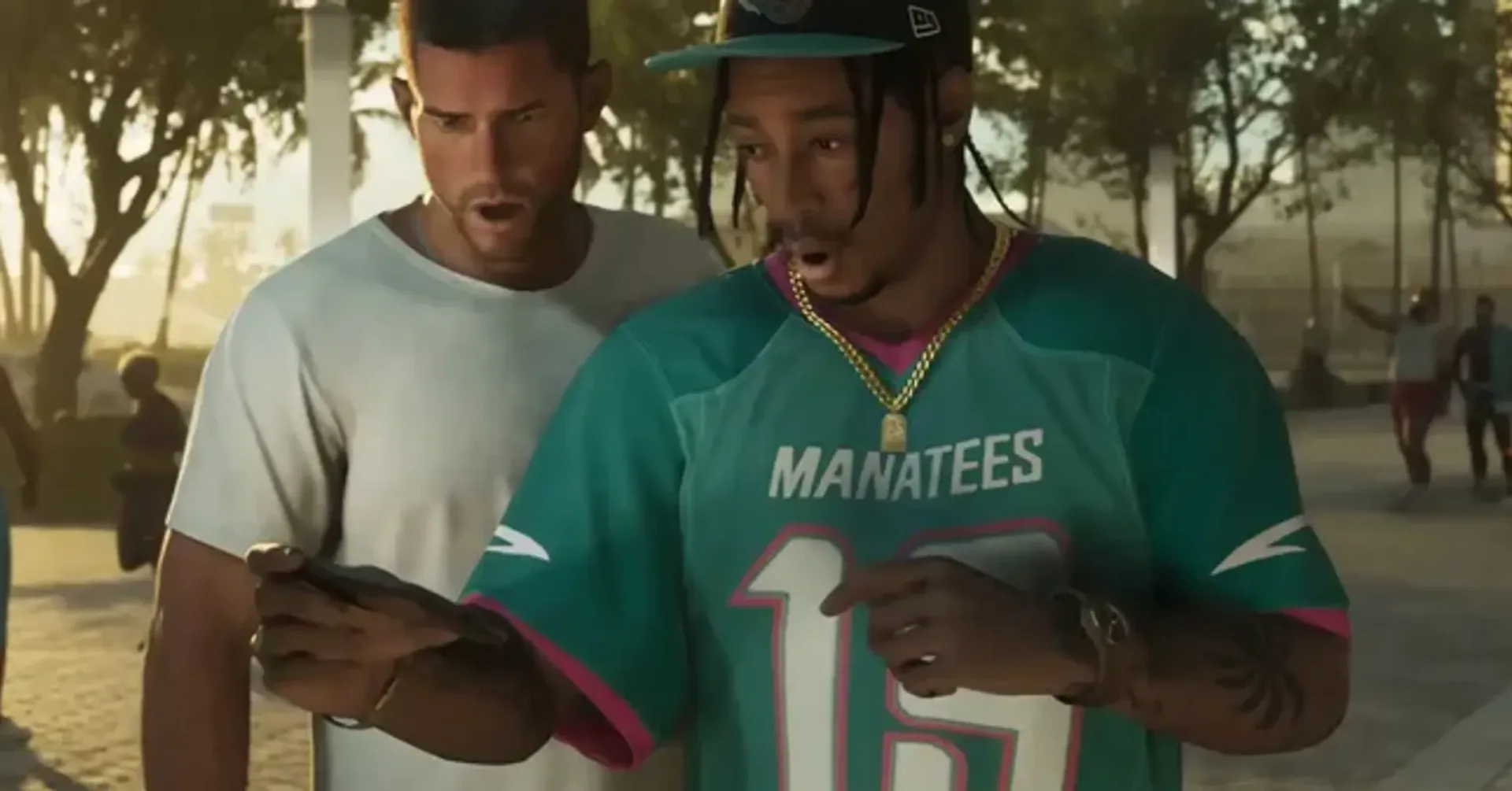
TmarTn, also known as Trevor Martin, has more than 5.69 million subscribers on his most active channel. For him, Vice City creates a different sort of circle: his earliest GTA experience was the original Vice City on PlayStation 2. Returning to that setting decades later connects a childhood memory with a new era of the series.
These are unusually public examples, but they make a broader point. A game community can be an entry point into skills that extend beyond the game itself: editing videos, presenting information, organizing an audience and developing a specialty around a complicated, constantly discussed online world.
When a pastime becomes work—or charity
Adam Butterworth’s story follows another path from fandom to profession. A day-one GTA 5 fan, he made GTA Online’s December snow and holiday activity a recurring Christmas tradition with friends. The group would drive into the city, gather on a parking structure and pass the time chatting and trying to knock each other off the roof or wreck a car. The activity was deliberately silly; that was part of the point.
Butterworth later joined Rockstar Games in quality assurance after attending a job interview during a major UK snowstorm. Quality assurance, or QA, is the development work of identifying, reproducing and documenting bugs or other issues so they can be assessed and addressed. It is not the same thing as simply playing a game for fun, but a deep familiarity with how players use a world can shape the perspective someone brings to the role.
While waiting to start, Butterworth repeatedly drove around GTA 5’s map and thought about joining the team behind a world that had already become significant to him. His upcoming goodbye is tied to a much larger personal timeline: university, work at Rockstar and Remedy Entertainment, home ownership, marriage and becoming a father.
Elsewhere, a Rockstar community member known as Vinewood Motors used an online following around GTA content to organize charity-focused Gameblast streams. Across several years, those GTA-centered events have raised more than $40,000 for charity, with Rockstar Games supporting the annual streams. It is a useful counterpoint to the stereotype that an online game’s community exists only inside the game: a shared interest can also support public fundraising efforts.
A farewell that also makes room for grief
For some players, “The Last Ride” is not primarily about anticipation. Tobias Johnson, 28, plans to use the occasion to remember Noah, a friend who died in 2017 at 19. Johnson’s memories of Noah include ordinary GTA Online activities—random game modes and races—and that ordinariness is exactly what gives them weight.
Online games preserve a peculiar kind of shared place. A map does not preserve a person, and it cannot replace them. But returning to a route, a vehicle, a mode or a familiar location can bring back the circumstances in which a friendship was lived. Johnson sees the gathering as a form of closure while recognizing he can still return to GTA 5 in the future.
That distinction is important. The community event is not asking players to treat a server session as a substitute for real life. Rather, it recognizes that real life happened around these sessions. The game remained available while people grew older, lost friends, made new ones, changed careers and found less time to play.
Why the ceremony fits GTA Online
It would be easy to reduce the whole idea to people being overly sentimental about software. That misses the practical social role described by the players involved. GTA Online could accommodate a planned heist, but it could also accommodate a late-night chat. It could be competitive, chaotic or almost entirely passive. A person could log in alone for a drive with the radio, then join friends without needing to coordinate an elaborate schedule.
That accessibility has value as adults become busier. The Christmas rooftop sessions remembered by Butterworth were not grand productions; they were recurring, manageable chances for friends to reconnect. Similarly, Harry’s favorite moments range from difficult cooperative success to simply running around in freemode. The game’s wide range of activities gave different groups a common language even when their reasons for being there differed.
The airport finale makes that meaning visible. A convoy follows the roads of San Andreas, pauses at an airport associated with departures, then points aircraft toward Vice City. It is overtly theatrical, perhaps even a little corny—and that is no flaw. Rituals work because they give a group a shared action for feelings that are otherwise difficult to summarize.
One more drive, not a deletion of the past
The people preparing for this send-off are not all saying goodbye to the same thing. Some are leaving behind a school-era hangout. Some are recognizing a game that helped set a career in motion. Some are marking annual traditions, creative communities, charity work or a friendship that cannot continue in the same way.
For many, the final route may be less about GTA 5’s endpoint than a chance to name what the game held for them. There will be favorite cars, old radio stations, familiar skylines and probably the usual chaos. Then the group will fly east—not because Los Santos has ceased to exist, but because a long-standing community is preparing to make new memories somewhere else.