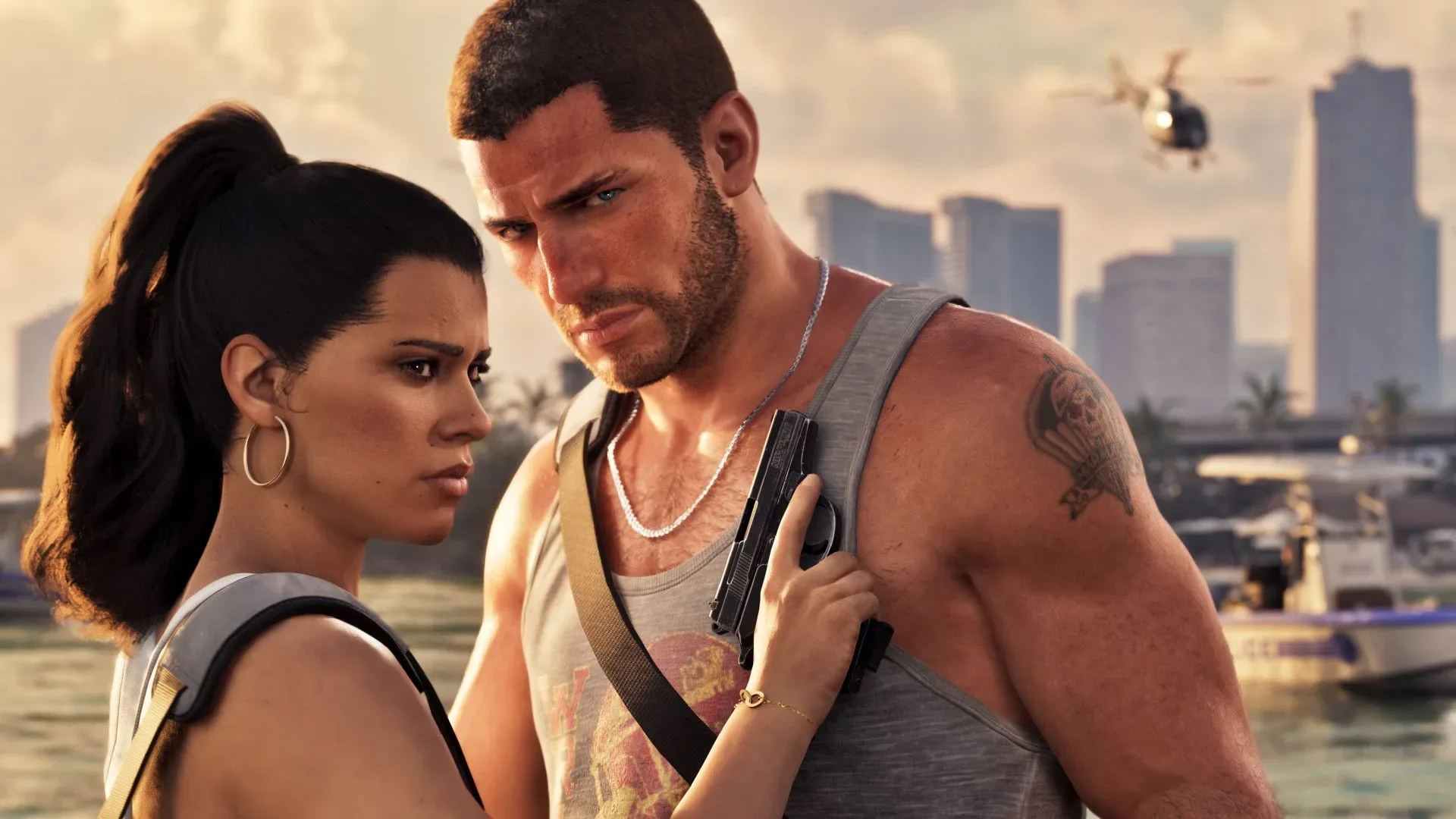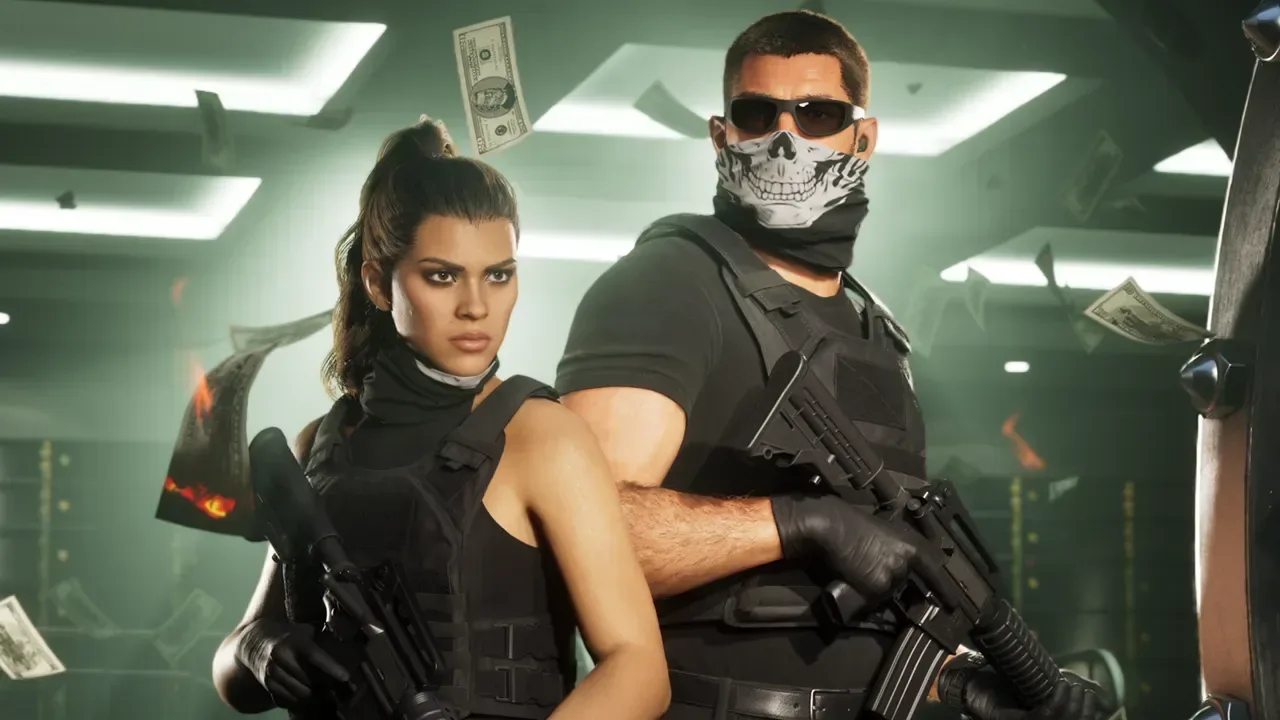
Grand Theft Auto 6 has received updated PlayStation store ratings in Australia and New Zealand that explicitly list sex scenes among its content descriptors. The regional listings also point to the violent, gory and drug-related material long associated with the series, but the specific sexual-content wording is a notable detail for a game that remains tightly guarded in other respects.
Ratings pages are not trailers, feature lists or story breakdowns. They are consumer-information notices designed to describe the kinds of material a player may encounter. That distinction matters here: the listings indicate that sex scenes are present, but they do not establish how many scenes there are, how they are presented, whether they are interactive, or how central they are to the campaign.
Still, for prospective players and families deciding whether GTA 6 is appropriate, the wording is useful. It makes the game’s intended adult audience clearer than a general “mature content” label would on its own.
What the regional listings actually establish
PlayStation store pages in Australia and New Zealand have been updated with the game’s age-rating information. Their descriptors include sex scenes, as well as blood and gore, intense violence and drug use. Similar rating updates have appeared on UK and US-facing versions of the store pages, although the Australia and New Zealand pages stand out for calling out sex scenes directly.
In ratings language, a content descriptor is a short label explaining why a title received its age classification. It is not a promise of a particular mechanic or a detailed synopsis. “Sex scenes,” for example, tells consumers that depictions of sexual activity appear somewhere in the work. It does not reveal their duration, context, camera framing, frequency or narrative importance.
That leaves plenty unknown about GTA 6. The store material does not settle questions about its mission structure, open-world activities, player choices or the precise boundaries of the scenes covered by the descriptor. Readers should be wary of treating a classification note as evidence for detailed claims that the listing itself does not make.
Why the wording has drawn attention
Grand Theft Auto games have never been marketed as all-ages entertainment, and the newly listed combination of violence, gore and drug use is consistent with that reputation. The added focus on sex scenes is attracting attention partly because GTA 6 is built around Jason and Lucia, a pair whose relationship has been visible in promotional footage through intimate and sensual moments.
Those trailer moments make it reasonable to expect that the two protagonists’ relationship is important to the story. But it is still an analytical inference—not a confirmed plot outline—to connect every relationship-focused trailer image to the ratings wording. The classification provides confirmation that sex scenes exist; it does not identify the characters involved or explain their place in the narrative.
Related coverage includes GTA 6 Rating Listings Point to Sex Scenes Alongside Violence and Drug Use.
The phrasing also creates a point of comparison with Grand Theft Auto V. That earlier game included a brief scene involving Trevor and Johnny Klebitz’s girlfriend, yet its rating description did not use the same explicit “sex scenes” language cited on the newer regional GTA 6 listings. This difference may reflect a change in the amount, nature or presentation of content, or simply how ratings information is described across releases and regions. The available listings alone cannot determine which explanation applies.
An age rating is useful, but it is not a spoiler sheet
It is easy for individual words in a rating notice to become a much larger online story. In practice, classification systems have a narrow but important job: helping customers make informed choices before buying or playing. Their labels usually compress a wide range of possible depictions into a few standardized categories.
For GTA 6, the practical takeaway is straightforward. Players should anticipate explicitly adult material rather than assuming the game’s content will be limited to crime, action and profanity. Parents and guardians should consult the regional rating information available on the relevant digital storefront before making a purchase decision, especially because a store descriptor can be more immediately helpful than broad discussion around the franchise.
For everyone else, this is a reminder of what ratings can and cannot do. They can clarify the presence of certain categories of material. They cannot substitute for complete information about tone, story, character arcs, optional content or the extent of any particular depiction. A descriptor is a signpost, not a scene-by-scene guide.
What remains unconfirmed about GTA 6
Despite the specificity of the Australian and New Zealand pages, most of the details players may be tempted to infer remain unconfirmed. The listings do not say:
- how many sex scenes are in the game;
- whether they involve Jason and Lucia;
- whether they occur only in the main story or elsewhere;
- whether players can skip them;
- how explicit they are beyond the rating terminology; or
- how the descriptors map to ratings notices in every territory.
That uncertainty is important as the game approaches release. Rockstar has kept many GTA 6 specifics under wraps, while public marketing has highlighted the Florida-inspired setting and the central duo without laying out a comprehensive account of the game’s content. Rating listings can fill in one small part of that picture, but they should not be stretched beyond their purpose.
A mature-content signal during a closely watched launch window
The timing gives the ratings update extra visibility. GTA 6 is roughly a month from its stated release window, and the lead-up is likely to bring more store updates, advertising and promotional material. Recent marketing activity has included advertising in New York and an ad placement on top of Miami’s basketball arena.
Every update will be scrutinized because GTA 6 is positioned to be one of the industry’s biggest releases. That level of attention extends beyond story and gameplay details to questions about platform availability, marketing, audience suitability and potential pricing. The game has already been discussed as a possible measuring stick for the industry’s higher-price ambitions; one recent industry view frames GTA 6 as a test case for higher game prices.
None of that changes the central point of the new classifications. Australia and New Zealand’s PlayStation listings indicate that GTA 6 will include sex scenes, alongside several other adult-content categories. It is a meaningful consumer-facing disclosure, particularly for a series known for pushing into mature territory, but it does not offer a license to fill the gaps with assumptions.
What players should watch for next
Further rating-page changes could offer more territory-specific descriptions as launch gets closer. A new trailer, a revised storefront page or additional official promotional material could also provide context for the game’s relationship storyline and its overall tone. Until then, the cleanest reading is the most limited one: GTA 6’s Australian and New Zealand PlayStation classification information lists sex scenes, and the game is expected to contain the other adult material named in those ratings.
That information may not radically alter expectations for a Grand Theft Auto release, but it does give buyers a clearer picture of the kind of content being signposted before launch. For an anticipated blockbuster with an enormous audience, that is precisely the kind of clarity age ratings are meant to provide.