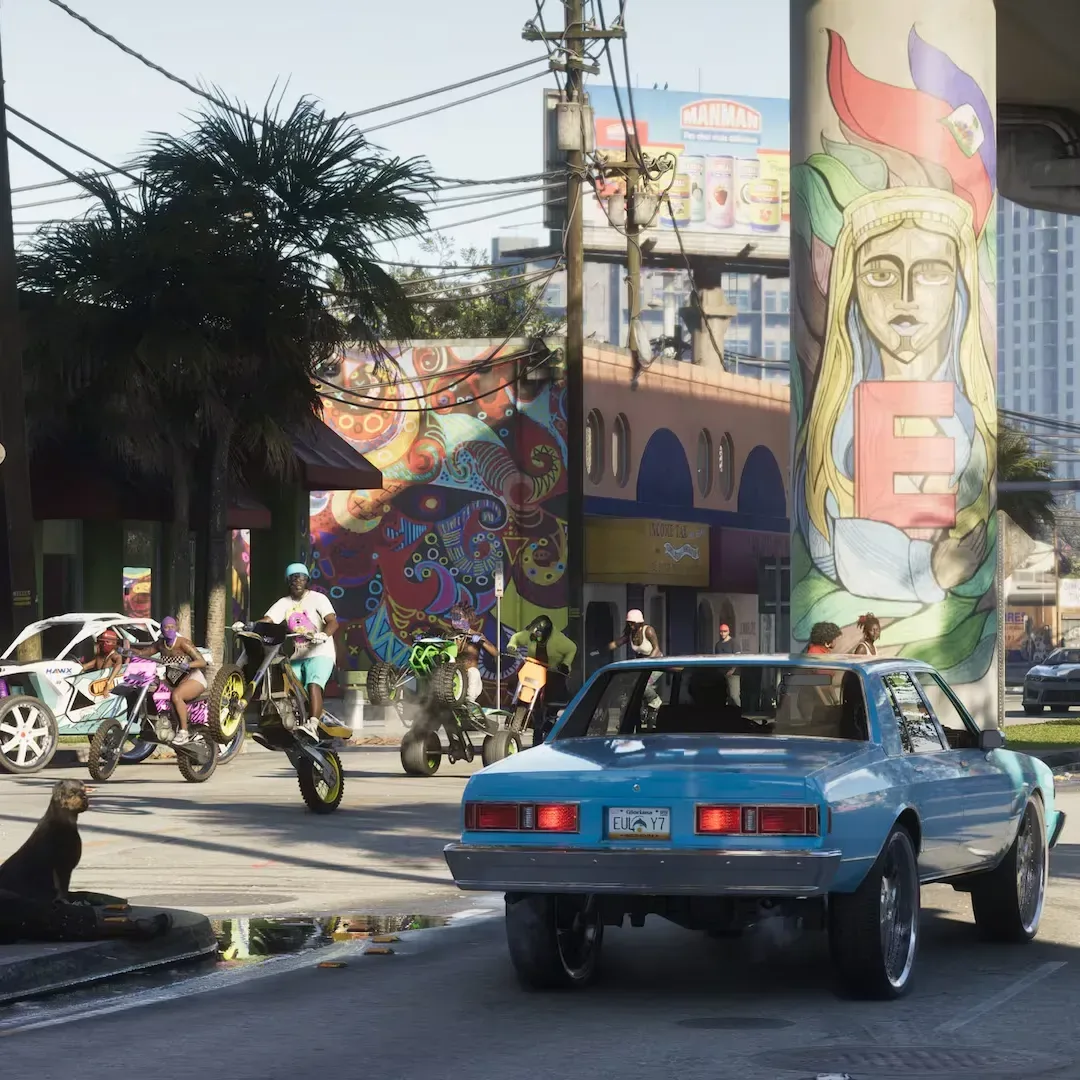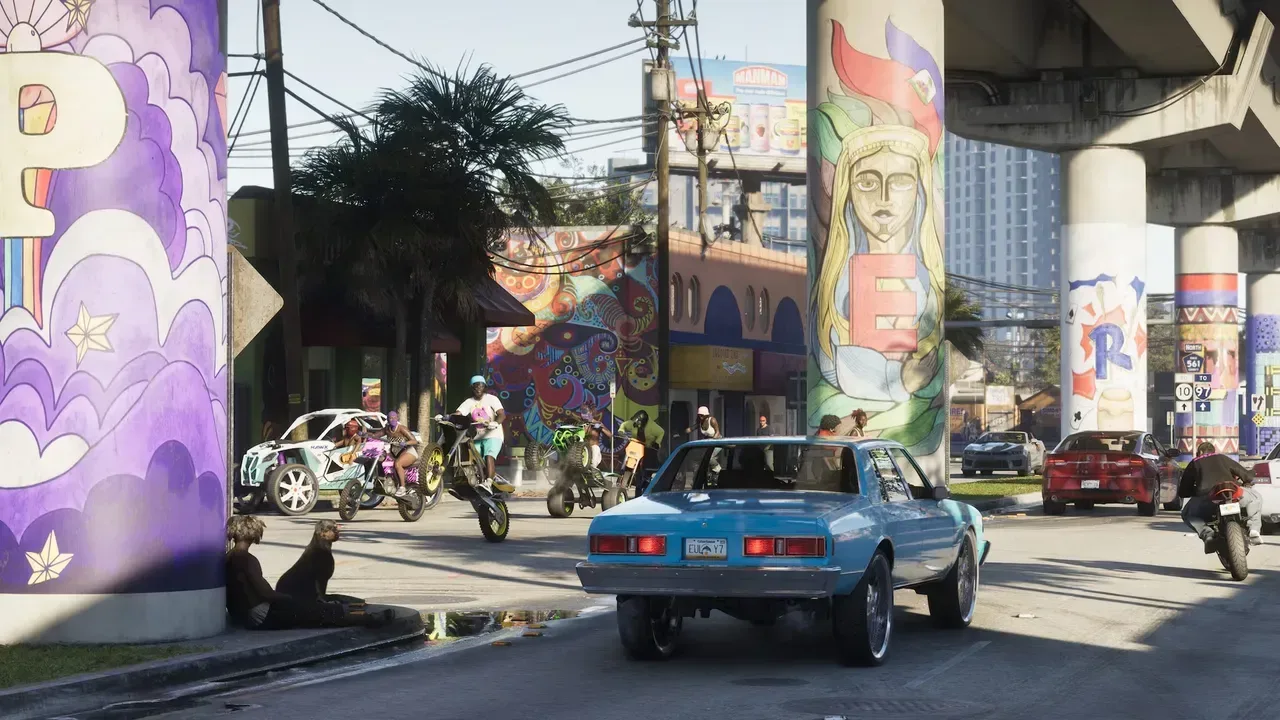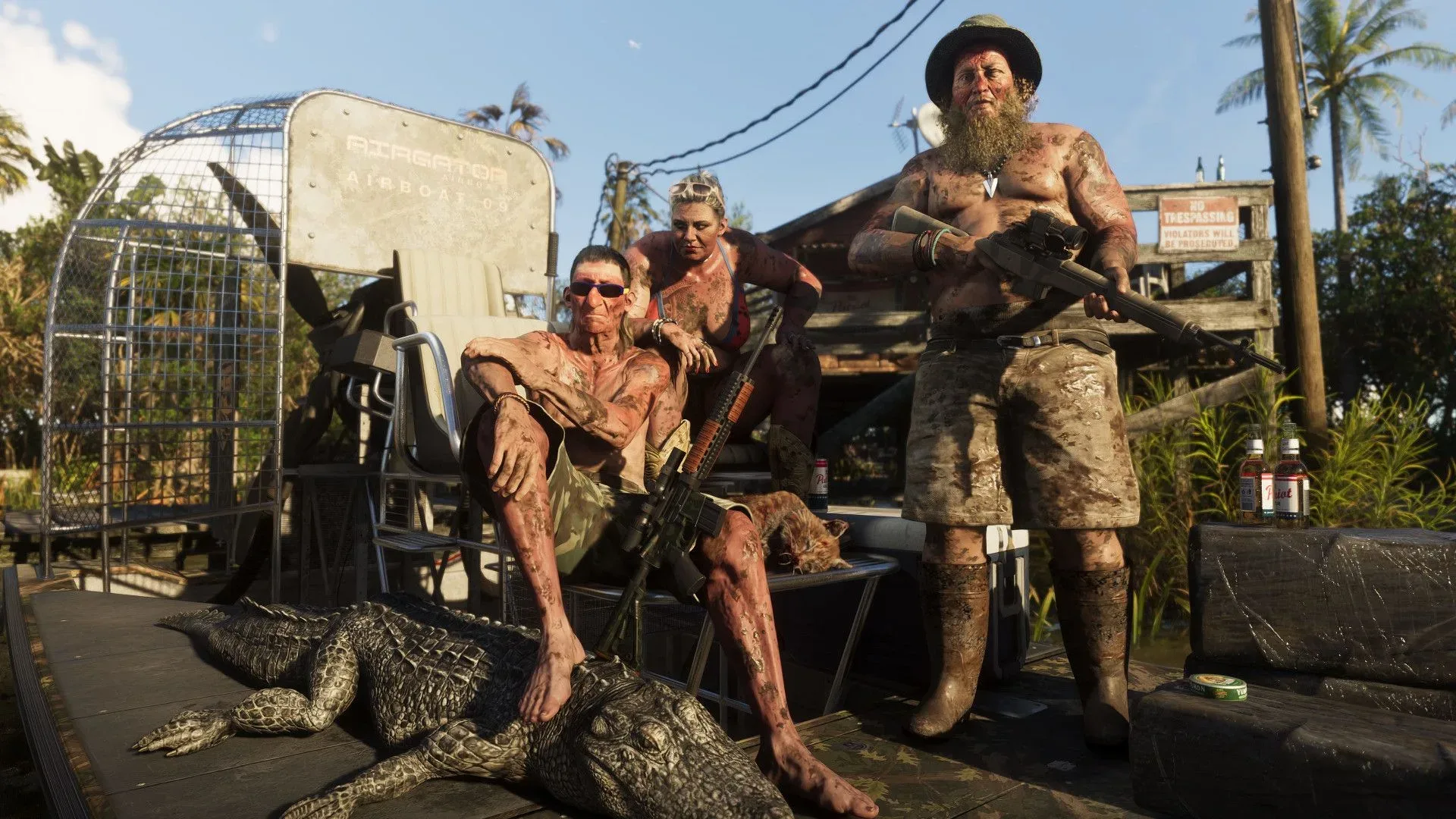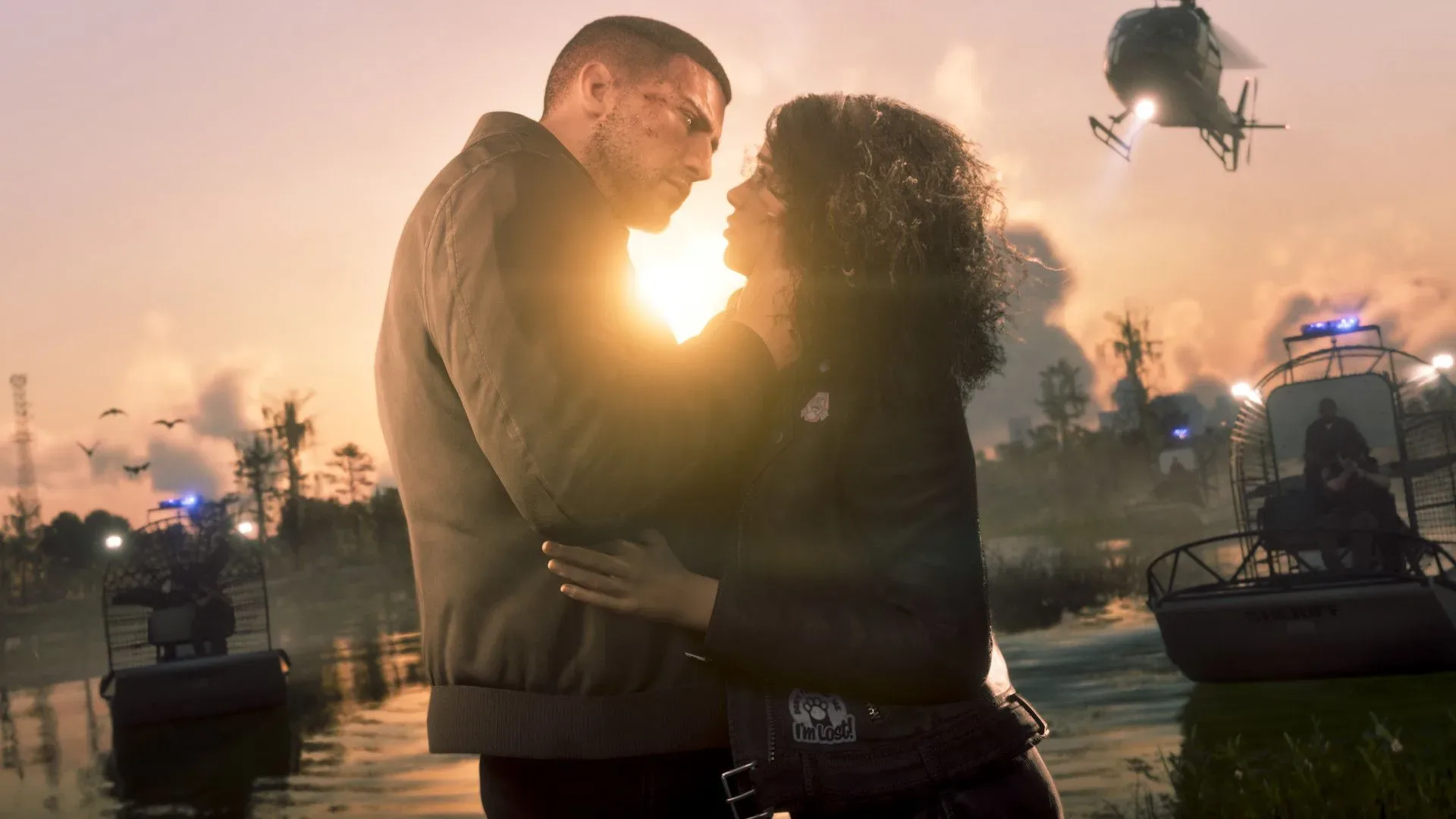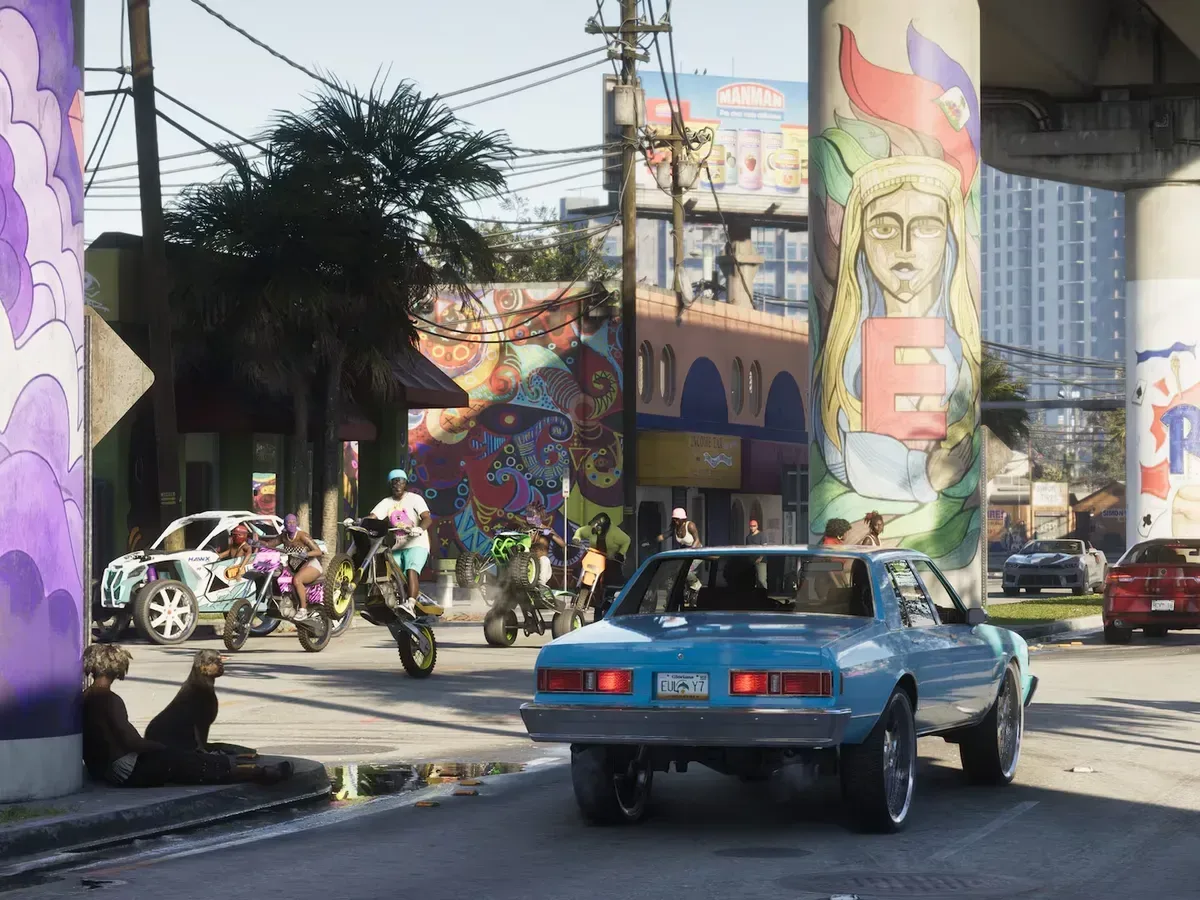
Grand Theft Auto 6 is set to put weather near the top of the Leonida conversation. A forthcoming 14-page cover feature, due September 29, is expected to explore the game’s “advanced” weather systems and their simulation of Florida’s less idyllic conditions. That is a small confirmed detail with potentially enormous implications for how Rockstar’s fictional Florida-inspired state could look, sound and play.
It is important to separate the firm information from the very understandable speculation. Advanced weather is confirmed as a topic for the feature. Leonida is a fictional version of Florida. Beyond that, details about exactly which conditions appear, how often they occur, and whether they alter missions or the wider open world have not yet been spelled out. Hurricanes, tropical storms and map-changing disasters remain possibilities fans are discussing, not confirmed features.
Even so, weather is not merely scenery in an open-world game. It can determine sightlines, visibility, vehicle handling, pedestrian behavior, ambient sound and the general sense that a place continues to exist when the player is not looking directly at it. For a setting inspired by a state known for sunshine as well as severe conditions, the phrase “less sunny weather phenomena” suggests Rockstar wants Leonida’s climate to be part of its identity rather than a backdrop that only occasionally turns gray.
What “advanced weather” could mean — and what it does not confirm
In game-development terms, an advanced weather system usually means more than a repeating cycle between clear skies and rain. It can refer to a collection of linked simulations and presentation systems: clouds gathering across the sky, lighting changing as a storm moves in, wind influencing foliage and debris, rain affecting surfaces, and sound shifting to match the conditions.
For more context, explore Jacquees Granted $3,500 Bond in Broward Case but Remained in Custody at Last Update.
That broad definition is useful because it also shows why the current wording should not be overread. “Advanced” does not automatically mean every storm will be a disaster event, that every weather effect will transform gameplay, or that Leonida will include fully simulated hurricanes. A game can have sophisticated rainfall, wind, thunder, cloud cover and localized storms without placing an extreme event into a freely roaming open world.
There is a meaningful difference between dynamic weather and a scripted weather sequence. Dynamic weather changes during general play based on systems running in the world. A scripted sequence is controlled for a particular mission or scene, allowing developers to guarantee timing, camera conditions, objective visibility and performance. The latter is far easier to construct around a large storm because the game can restrict what happens and where the player goes. The former has to account for the player doing almost anything, often anywhere.
That distinction sits at the center of the hurricane discussion. A hurricane that appears in a mission can be directed, framed and contained. A hurricane that can form while players are driving, flying, fighting, shopping, exploring or beginning another activity would demand far broader interaction rules. How would traffic react? Would boats be usable? Would water levels change? Could the player enter buildings? Would police behavior, NPC schedules and mission triggers adapt? Those are design questions, not just questions of dramatic clouds and rain effects.
Why Leonida’s setting makes the weather question especially interesting
Leonida’s Florida inspiration makes a more varied climate feel particularly relevant. A sunshine-state parody that only delivered sun and an occasional ordinary shower would leave potential atmosphere on the table. Dark afternoon skies, sudden downpours, forceful wind, loud thunder and rain-lashed city streets could add contrast to beachside brightness and neon-heavy nightlife.
The official tease does not name specific locations or weather types, so it would be premature to attach those effects to individual cities, coasts or wetlands. Still, the promise to simulate less sunny phenomena points toward a world that can look different across time rather than remain locked in postcard conditions. That variety matters in a game expected to spend many hours in the same fictional state. Repeated routes can feel fresh when the lighting, road conditions, ambience and visual distance change.
Weather also carries narrative value even when it has no mechanical penalty. A bright, clear street and the same street under heavy cloud cover communicate different moods. Rain can crowd the soundscape with droplets, wind and distant thunder. Lightning can briefly redraw a skyline. Those shifts can give routine travel a more unsettled feeling without requiring a new mission or location.
For more discussion of why a deeper weather model could make Leonida feel more threatening as well as more believable, the wider question is whether atmosphere eventually becomes a gameplay factor. That is the line the eventual details need to clarify: will weather primarily create mood, or will it consistently demand different decisions from players?
Rockstar has already shown an appetite for dramatic conditions
There is at least a clear precedent for Rockstar building weather with presence. Red Dead Redemption 2 featured imposing storms with thunder, lightning, wind and dark cloud formations. Its setting also supported snow and dust storms in appropriate areas. Those systems demonstrated how changing conditions can add texture to travel and make a world feel less fixed.
That does not establish that GTA 6 will reproduce those exact conditions or expand them into hurricanes. Snow and dust storms suit different regions and are unlikely to be obvious fits for a Florida-inspired parody. But the earlier game does illustrate the studio’s interest in weather as an environmental force rather than a simple filter placed over the screen.
The practical opportunity in GTA 6 is to build from that sense of presence in a setting where rain and wind could visually transform dense streets, coastlines and open roads. Heavy rain could make reflections and wet surfaces more prominent. Wind could make trees, signs and loose environmental details feel active. Thunder can alter the emotional temperature of a scene even if it changes no rules at all. These are explanations of what such systems can accomplish, not confirmations that every one of these effects is in the game.
The hard part is making weather matter without becoming a nuisance
More reactive weather is not automatically better. Open-world games need to preserve player freedom, legibility and momentum. If an extreme weather event makes navigation unreadable, makes objectives frustratingly hard to see or repeatedly interrupts activities, spectacle can quickly become irritation. The strongest implementation would create changing circumstances while leaving players able to understand what is happening and respond to it.
Visibility is one of the clearest examples. Rain, cloud cover and darkness can make driving or flying more tense, but only if players still have enough information to react. Wind can sell a storm’s force, but its effect on vehicles would need to feel readable rather than arbitrary. Audio can help here: rising wind, thunder, rainfall and distant environmental noises can warn that conditions are escalating before a visual effect becomes overwhelming.
There is also a performance challenge. Weather systems can be expensive because they may affect lighting, particles, reflections, vegetation, physics-like motion and the behavior of many simulated characters. The more that changes simultaneously, the more difficult it becomes to maintain a coherent world. That is one reason an unscripted hurricane would be a substantial proposition: it is not a single weather effect but a long list of visual, systemic and gameplay interactions that must function together.
A restrained implementation may therefore be the sensible outcome. Rockstar could make storms feel substantially more vivid than a standard rain cycle without turning Leonida into a constant disaster zone. An advanced system can succeed by making weather transitions convincing, visually distinct and atmospherically useful. It does not need to demolish a map to be memorable.
Questions the September 29 feature may answer
The upcoming coverage is positioned to provide the missing specifics. The most useful information would not simply be a list of weather effects, but an explanation of their role in ordinary play. Key questions include:
- Which weather conditions are actually included beyond rain and thunderstorms?
- Are conditions dynamic throughout free-roam play, scripted for particular moments, or a mixture of both?
- Do wind and rainfall influence driving, flying, boating or other activities?
- Can storms change NPC behavior, traffic, ambient activity or the availability of certain events?
- Are severe tropical events represented, and if so, are they general world systems or directed sequences?
- How much geographic variation exists across Leonida’s different environments?
Answers to even a few of those points would establish the scale of the system more clearly than the word “advanced” can on its own. The distinction matters because fans are understandably imagining the most ambitious version of a Florida-inspired open world, while the confirmed information currently leaves the boundaries undefined.
For now, anticipation should stay grounded
The storm speculation is reasonable because of Leonida’s inspiration and the specific suggestion that GTA 6 will portray Florida’s less pleasant weather. But it remains speculation. No confirmed information currently says that hurricanes will occur, that storms will physically alter the map, or that severe weather will emerge outside controlled missions.
What is already worth watching is the broader design intent. If Rockstar’s weather system can make ordinary journeys feel variable, alter the sound and look of familiar spaces, and occasionally place players under convincing environmental pressure, it could make Leonida feel substantially more alive. That is a meaningful ambition even before the biggest fan theories are either confirmed or washed away.