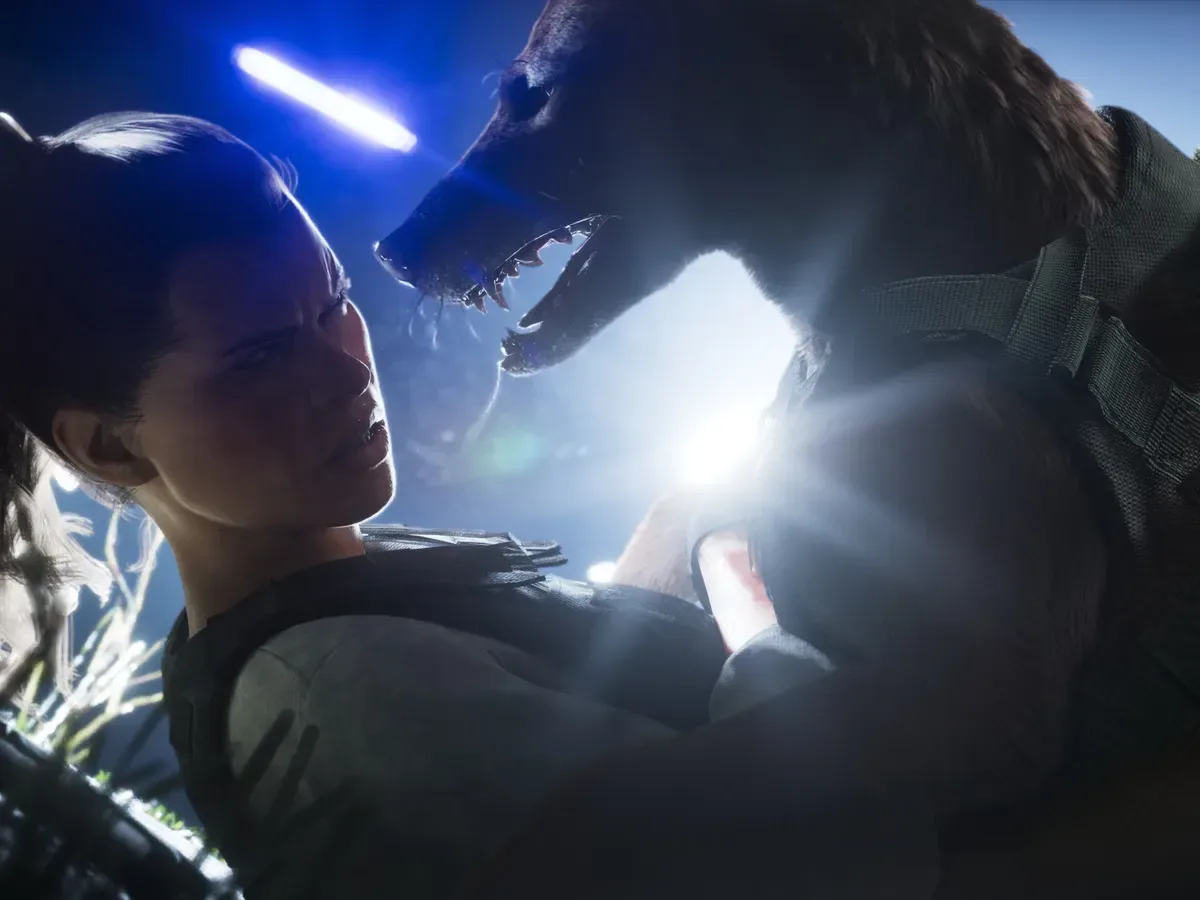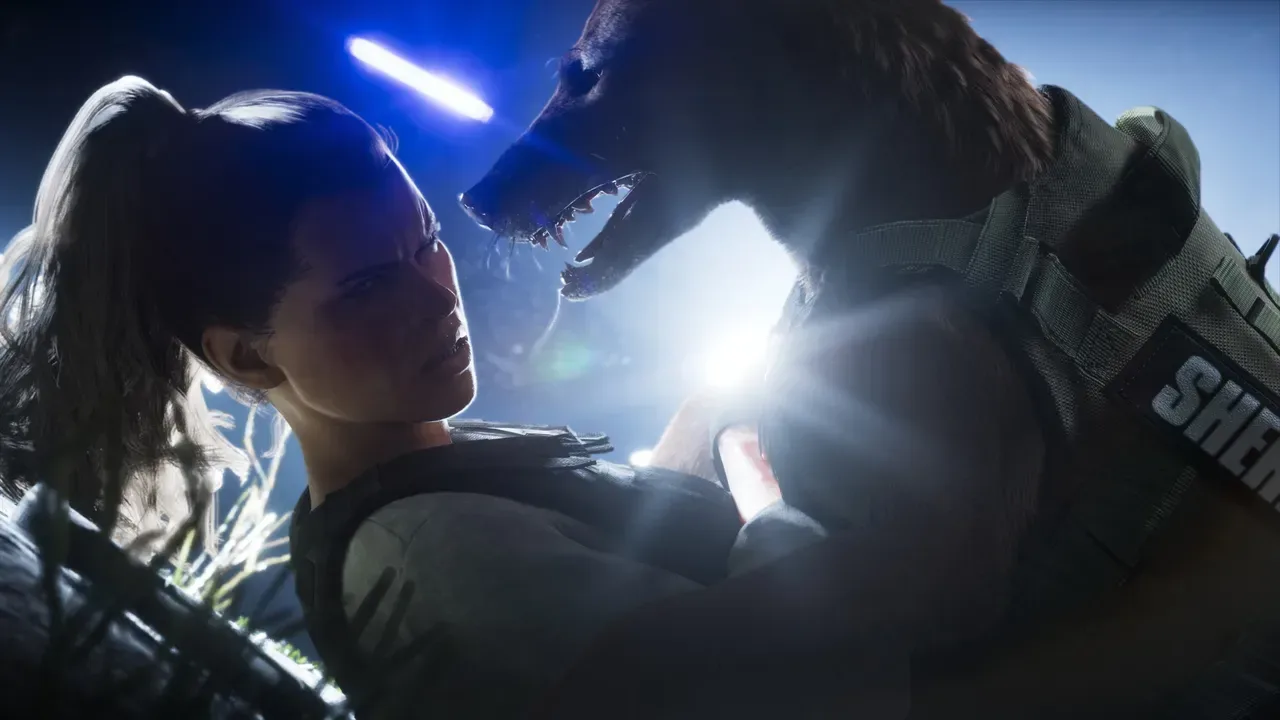
There is a particular kind of player response that an open-world crime game practically invites: tell everyone a system is inescapable, then stand back while the community starts looking under every rock, through every sewer grate and apparently beyond the boundaries of time itself.
That is the experiment now surrounding Grand Theft Auto 6 and its six-star wanted level. GTA 6’s police system is built around degrees of law-enforcement awareness rather than officers who instantly know where the player is. At ordinary wanted levels, the recipe for getting away is comparatively legible: leave the search zone, break line of sight and alter the character’s appearance. The wanted stars indicate how much of the police response has been directed at the player.
At six stars, however, that logic is said to change completely. The search area expands to effectively cover the whole map of Leonida, and police supposedly continue tracking the player without relenting. The game’s intended ways out are death or arrest. That makes the top wanted level less like an extended chase and more like a fail state wearing the costume of a spectacular action sequence.
Players are now putting that claim under pressure. Clips and comments circulating online suggest a handful of possible escapes, from secret bunker routes to careful underwater travel and an elaborate portal detour tied to a Vice City Easter egg. None should yet be treated as a confirmed, repeatable method for clearing six stars. Still, the attempts reveal exactly where players expect a huge simulation to have blind spots—and why “impossible” is such an irresistible challenge.
What six stars are designed to do
The distinction between a normal pursuit and a six-star pursuit matters. A search zone is the area authorities are actively combing for the player. Normally, moving outside that zone is a key part of evasion. Line of sight means whether pursuing officers can directly see the character or vehicle; breaking it is a standard way to create the time needed to disappear. A change of appearance then helps sever the connection between the person being sought and the person standing in front of police.
Six stars are described as removing the first of those advantages. If nearly all of Leonida is a search zone, simply driving farther away does not solve the problem. The response also appears tailored to the escape method: shelter indoors and the army can arrive with a tank; take to the skies and jets may be dispatched; attempt a road escape and attack helicopters can strafe the vehicle. The point is not merely to spawn more enemies. It is to deny the obvious categories of escape.
That escalation gives six stars a clear practical meaning. Players should not think of it as one additional star above a difficult chase. It is a threshold at which the game allegedly stops offering the usual stealth-and-distance loop and begins forcing resolution. Reaching it also is not presented as something likely to happen during routine play; it requires causing extensive mayhem.
For players who want the broader world without intentionally provoking its most punishing response, the safer lesson is simple: deal with lower wanted levels before they snowball. The conventional escape tools—distance, cover, broken sightlines and a changed look—remain the relevant tools before the maximum alert arrives.
Related coverage includes GTA 6 Players Are Testing Wild Ways to Escape a Six-Star Wanted Level.
The bunker claim: a route through the response?
One widely shared attempt involves a series of secret bunkers that can be opened to access a tank. The important part of that claim is not merely the vehicle. A tank would be useful in a direct fight, but a six-star response is specifically built to overwhelm direct resistance with military hardware and air support. The more intriguing possibility is that the bunker sequence affects how the pursuit state is handled while the player transitions through an interior space.
In open-world games, interiors can be mechanically significant because they may change what systems can directly reach the player. But that is an explanation of why players are testing bunkers, not confirmation that they reset or clear a six-star pursuit. The clip suggests a possible route; it does not establish a dependable set of steps, a required order for opening bunkers, or a guaranteed outcome for every player.
That distinction is worth preserving before anyone spends an evening trying to turn a max-level manhunt into a bunker tour. A repeatable strategy needs more than an apparent success. It needs clear conditions: the starting wanted level, whether any mission or activity was active, the exact route, what happened to the star display, and whether the player returned to normal free-roam without dying or being busted. Without those details, it remains an interesting lead rather than a guide.
Why water is attracting so much attention
The second line of experimentation is more intuitive: go underwater. One commenter claimed they had escaped six stars by repeatedly diving, surfacing when oxygen became low, locating a jet ski and then riding beyond the search area. Another theory centers on the underwater cave network at Emerald Springs. Players can find diving gear around signs for the Selkie Hole and explore that underground network, leading to speculation that it may provide an avenue the police cannot effectively pursue.
Water changes the terms of a chase. Cars are no longer useful, road units lose relevance, and aircraft cannot simply follow the player into an underground cave. The apparent absence of diving teams is why Emerald Springs has become an attractive candidate. If the highest wanted response relies on land and air pressure, a submerged route is a natural place to ask whether the system retains full awareness of the player.
But there are several reasons to be cautious. First, surviving underwater is not the same as losing the wanted level. A player can be temporarily unreachable yet still remain wanted when resurfacing. Second, oxygen imposes its own constraint, meaning an underwater strategy must manage survival as well as pursuit. Third, a jet ski ride outside a search boundary would only matter if six stars truly allow a boundary the player can leave—something that conflicts with the idea that the alert makes almost the entire map a search zone.
The underwater research-station claim demonstrates the difference neatly. A fan said they escaped six stars by swimming into such a facility, but the accompanying video reportedly does not show the six stars disappearing. The player may have reached a place where police could not immediately act. That is not yet evidence that the game considers the chase resolved. Being safe for the moment and being free are different states.
For now, Emerald Springs is best understood as a promising testing location, not a proven answer. Anyone attempting the route should watch the wanted display rather than assuming that quiet means success. If stars remain active, the player has found cover, not a clearance.
The portal route is the strangest—and most revealing—claim
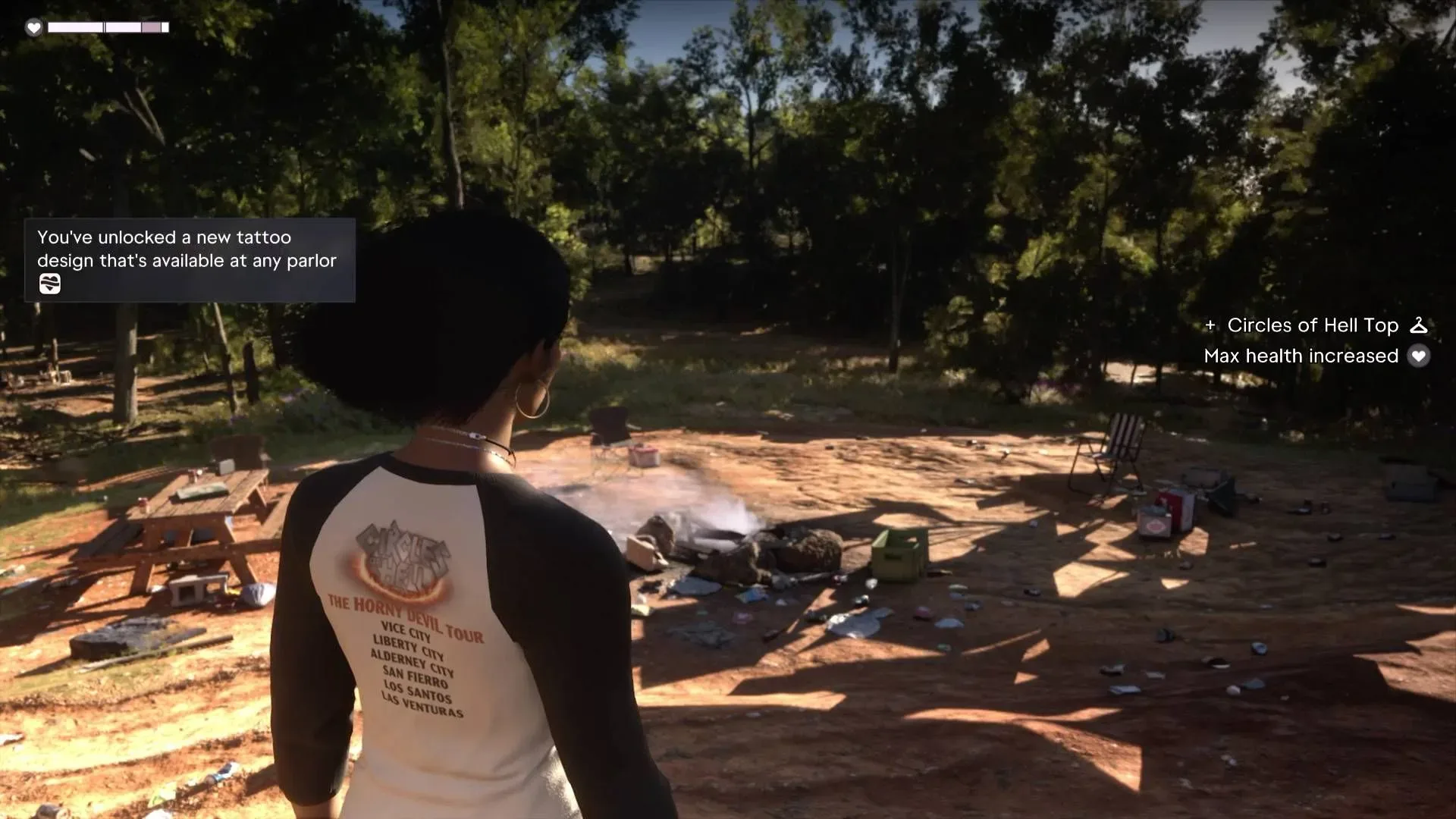
The most dramatic alleged workaround begins only after completing most of a lengthy Vice City Easter egg. In the clip, a player uses a portal to leave the present-day world for the 1980s, then returns to present-day Leonida. On returning, the police no longer appear interested in the character, including their Tommy Vercetti shirt.
If it works as shown, this is not really an escape tactic in the ordinary sense. It is a state-transition test. In technical terms, a game state is the bundle of information the game is currently tracking: the player’s location, clothing, mission status, alert level and many other conditions. Moving through an unusual portal sequence could potentially cause the game to reload or reinitialize parts of that information. That does not mean the route is an intended six-star solution; it means players are probing whether exceptional transitions preserve the wanted state as expected.
It is also plainly impractical as a general method. The route depends on having completed most of a long Easter egg, then accessing a portal. Even if the result proves consistent, it is not comparable to ducking into a tunnel or driving a faster car. It would be a late-game curiosity with substantial setup, and it may prove to be an edge case rather than a loophole.
Still, it explains why the claim has drawn attention. The normal escape fantasy is outdriving the cops. This one imagines that the only way to beat a supposedly omnipresent police response is to exit the era it is running in. That is ridiculous in exactly the way a great GTA community experiment should be.
How to judge a claimed six-star escape
The current clips are valuable as leads, but the evidence bar should be high. Players evaluating future claims can use a short checklist:
- Confirm the starting state: the footage should clearly show a six-star wanted level before the route begins.
- Watch the stars, not only the police: fewer pursuers on screen may mean the player is hidden, not cleared.
- Rule out the official exits: the character should not die or be arrested during the process.
- Return to normal activity: after the supposed escape, the player should be able to move through Leonida without the wanted response resuming.
- Repeat it: a method that works once may depend on circumstances not visible in a short clip.
That approach keeps the discussion useful. It does not dismiss the bunker, swimming, cave, research-station or portal stories out of hand, but it avoids presenting isolated footage and comments as settled mechanics. It also makes room for a more interesting possibility: some routes may be temporary refuges, while others could expose unusual interactions between interiors, water, Easter-egg travel and the wanted system.
What this means for players right now
For the overwhelming majority of players, there is no practical reason to seek six stars unless the goal is experimentation or chaos. The evidence still supports the basic premise that six stars are intended to be terminal: the map-wide response, tank-backed indoor pressure, jets against aircraft and attack-helicopter support against cars are all designed to close off familiar escape plans.
For players who do want to investigate, label the result honestly. A bunker route is a bunker route. An underwater hideout is an underwater hideout. A portal transition is an unusual Easter-egg interaction. None becomes a reliable “how to lose six stars” method until it clearly clears the wanted state and can be reproduced.
There is plenty else to do in Leonida without turning the entire state into an enemy. For a less explosive detour, see our GTA 6 guide to permanent health, stamina and focus upgrades. And if six stars still sound tempting, perhaps keep the dive gear nearby. The tanks, jets and helicopters appear to have strong opinions about every other plan.