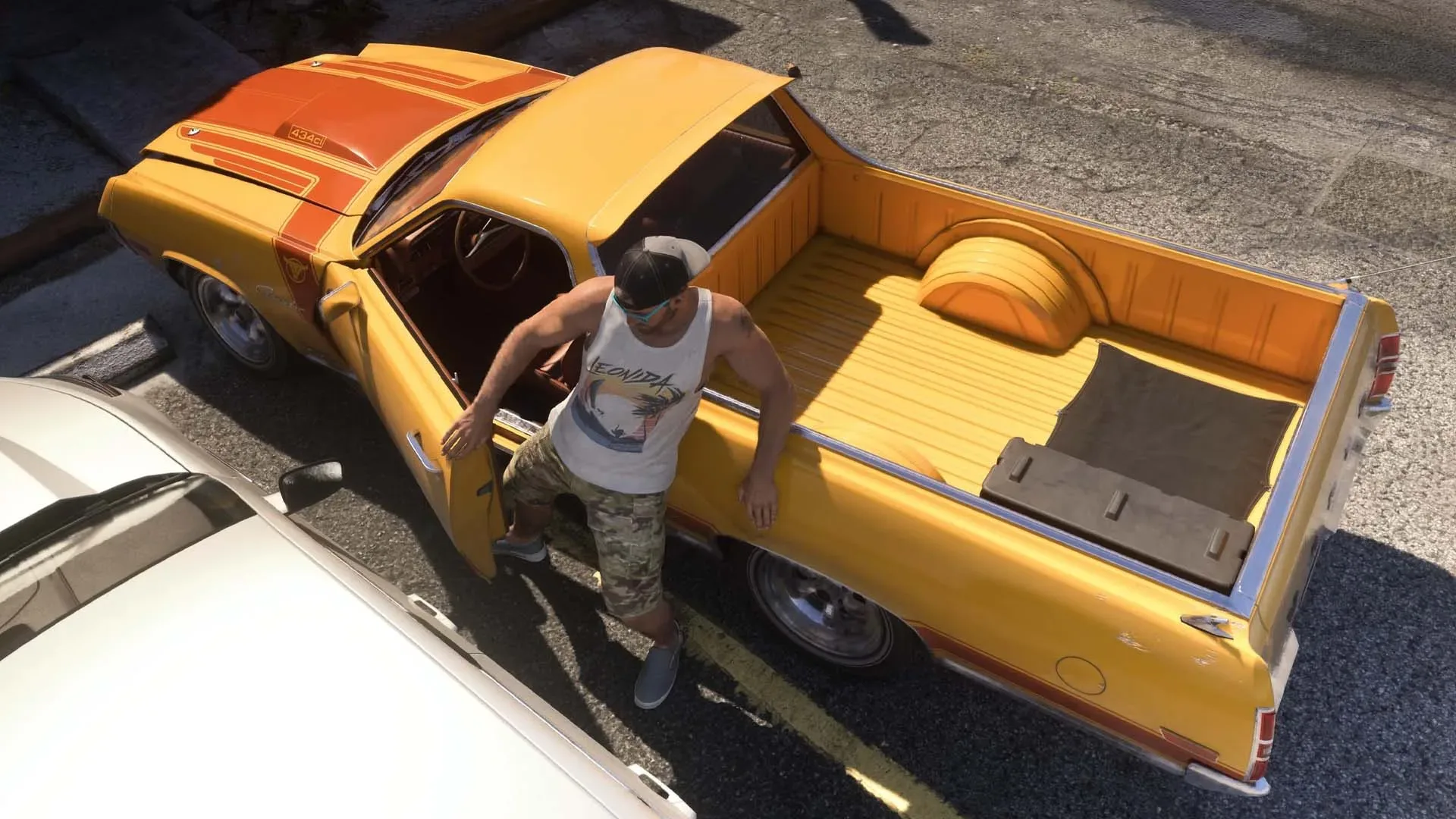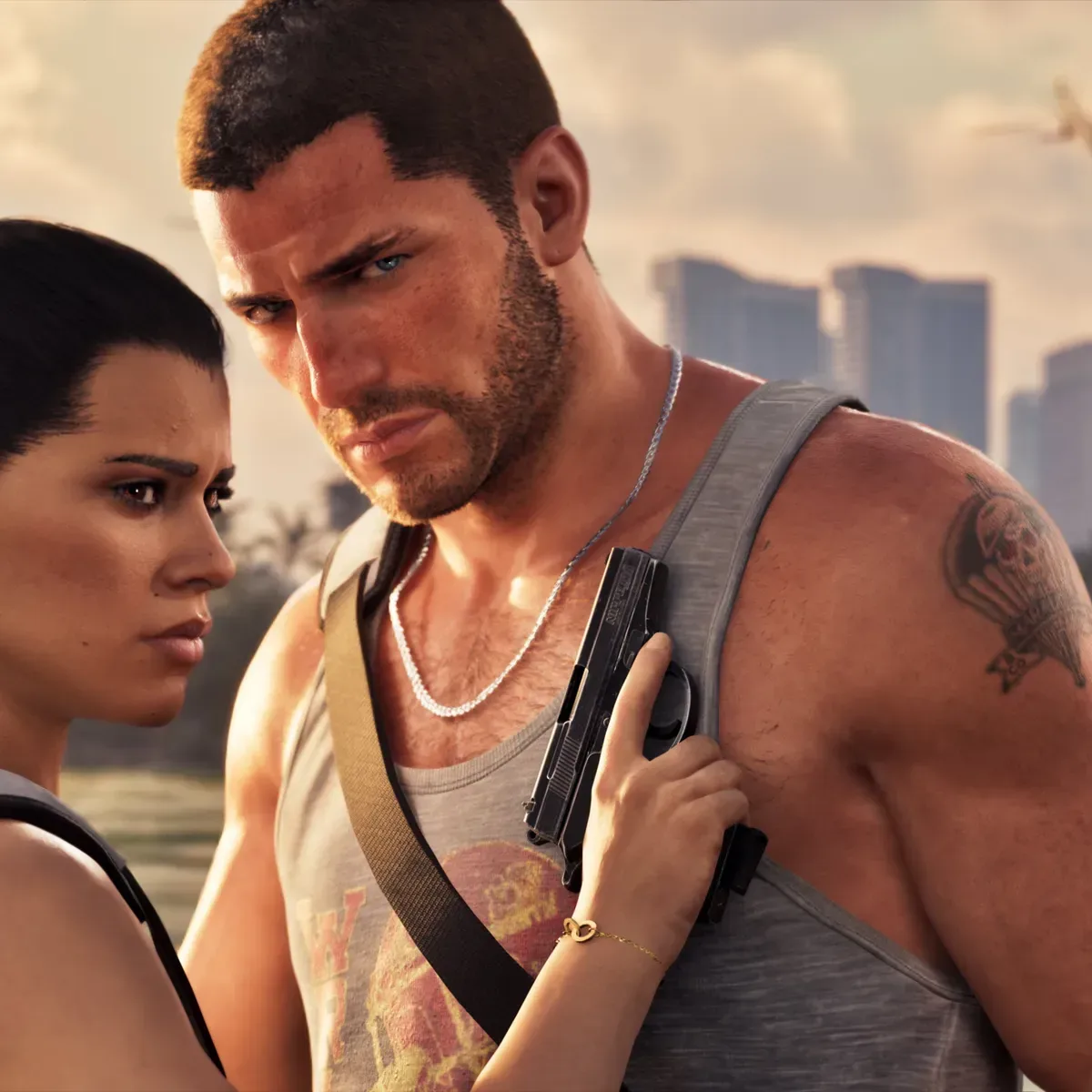
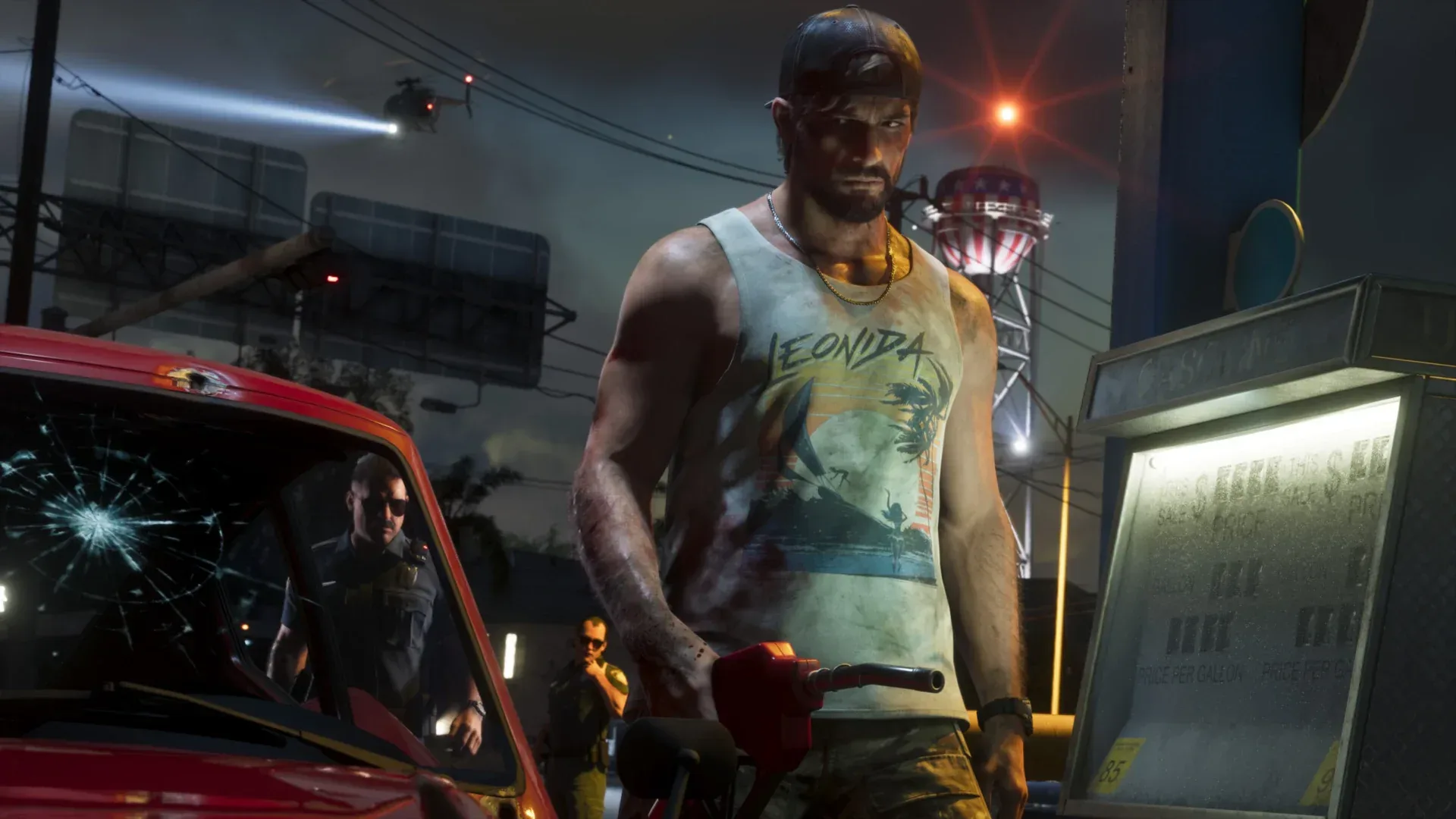
Grand Theft Auto 6 does not require players to empty Vice City of every side activity before committing to the story’s final mission. After seeing one of the game’s endings, players can continue playing in an open-world state that returns Jason and Lucia to the point immediately before the finale. The final mission marker stays on the map, so the finale can be attempted again, including for players pursuing a different outcome.
That structure matters in a game built around far more than its critical path. GTA 6 contains main missions alongside side missions, activities, random events and races. The prospect of reaching the ending can make completion-minded players feel they must finish every optional item first, particularly when a story’s resolution could alter the world or lock off character-specific content. Here, the game’s approach means there is no need to postpone the finale simply to preserve time for free-roam cleanup.
It is a distinctly unusual solution to a familiar open-world problem: how can a game deliver an ending with consequences while also letting players remain in a world designed for long-term exploration?
How GTA 6’s post-credits play works
Before the final mission begins, GTA 6 explicitly asks whether the player wants to proceed with the finale. Completing that extended, multi-mission sequence leads to one of the game’s main endings. Rather than placing the player into a conventional post-story version of Vice City, the game then sends them back to the earlier decision point.
In this resumed state, Jason and Lucia choose not to start the finale. They return to Vice City, where players can explore the map and complete remaining content. Crucially, the final mission marker remains accessible. That preserves a direct route back to the ending instead of treating the credits as a one-way door.
The practical result is best understood as a pre-finale free-roam state, not a post-ending epilogue. The story has been completed for the player’s purposes, but the explorable world is presented from a point before the narrative’s final events occur. It is a deliberate separation between the player’s knowledge of the ending and the playable world’s place in the timeline.
That distinction also keeps the game’s divergent endings from needing to coexist in a single persistent aftermath. GTA 6 has multiple main endings, and they can unfold in dramatically different ways depending on player choices. Returning to the pre-finale moment avoids declaring one ending to be the permanent, universal version of Vice City after the credits.
Why the time rewind makes sense for a branching finale
Open-world games often face a narrative-continuity challenge at the finish line. A linear conclusion may change relationships, locations, objectives or the status of major characters. A branching conclusion multiplies that difficulty: if different players produce different outcomes, the game would need a coherent post-game world for each route, or it would need to ignore the differences once free roam resumes.
Related coverage includes GTA 6 Lets Players Return to Vice City After the Finale.
GTA 6’s solution is to avoid building a new open-world timeline after every possible ending. Instead, it places the player back at the last moment when the story could still branch. Vice City can remain stable for optional activities, while the ending itself stays separate and replayable.
It is not the same as saying the ending did not happen. The player has seen it, and can choose to revisit the mission marker. But within the resumed free-roam fiction, Jason and Lucia have not crossed that final threshold. This approach preserves the finale’s ability to take the narrative in sharply different directions without forcing the entire map to reflect each possible resolution.
There is a trade-off. Because the playable world is effectively held before the finale, it can feel frozen in time after the story has been completed. The game cannot easily introduce major new story arcs that presume a particular ending has happened, since those arcs could conflict with a different possible outcome or undermine the finale’s closure.
For players who want an evolving epilogue full of major new narrative developments, that limitation may be noticeable. For players who mainly want a clean way to finish races, discover random events, complete side missions and roam the city without fearing missed content, it is a useful compromise.
What players should do before starting the final mission
The central advice is simple: do not feel compelled to clear the entire map merely because the finale is available. The game gives players a clear prompt before entering the final sequence, and the pre-finale free-roam state becomes available again after an ending is completed.
Still, the warning prompt is worth taking seriously. It signals the start of a major story commitment, and the finale is described as a substantial sequence spanning multiple missions. Players who prefer to experience a game’s narrative momentum without interruption may want to set aside enough time to continue once they begin.
- If story momentum is your priority: start the finale when the prompt appears, knowing that Vice City remains available afterward through the restored pre-finale state.
- If you are pursuing completion: it is safe to see an ending first and return later to remaining map content.
- If you want to explore alternate outcomes: keep the final mission marker in mind; it remains available after the game returns you to free roam.
- If you want cheat codes: completing the final mission is a prerequisite for pursuing 100 percent completion and for completing challenges that reveal in-game cheats.
This is especially helpful for anyone trying to balance an interest in optional content with a desire to avoid spoilers. Seeing the ending before checking every icon can be the better choice, since the game does not force a permanent choice between narrative progress and exploration.
100 percent completion and cheat-code challenges come after the finale
Finishing the final mission unlocks the ability to reach 100 percent completion. In this context, 100 percent completion refers to the game’s full-completion objective: a broader finish line beyond simply reaching the credits. GTA 6 also ties in-game cheat codes to challenges that become available after the final mission.
Cheat codes are optional modifiers that can let players experiment more freely in Vice City. The supplied details do not specify the individual cheats or challenge requirements, but the broader implication is clear: the post-finale free-roam period is not merely a holding area for unfinished errands. It is also the phase in which the game opens its completion-focused and sandbox-oriented rewards.
That creates a sensible rhythm for different play styles. A player focused on the main plot can complete the story, unlock the path toward full completion, then come back to the city’s optional systems at their own pace. A player who has already spent many hours on activities can still treat the finale as a milestone rather than a point of no return.
The arrangement supports the series’ long-standing appeal as an open-ended playground. Vice City remains a place for driving, exploring and checking off activities after the drama of the main narrative, while the ending itself remains preserved as a repeatable decision point.
How it differs from earlier Rockstar open worlds
Rockstar’s earlier games have generally allowed players to return to their open worlds after the main story, but the details have varied. In Grand Theft Auto IV, the player can continue after the credits as Niko. Red Dead Redemption 2 takes a different route by shifting the player to another character for post-credits activity and side content.
GTA 6 takes neither of those exact approaches. It does not simply carry Jason and Lucia forward into an aftermath that must account for every ending, and it does not shift the player into a separate post-story protagonist. Instead, it returns both characters to the moment before the finale, with the choice to begin that final stretch once again still visible on the map.
That makes GTA 6’s endgame structurally different from prior Grand Theft Auto games while keeping the essential promise that players can continue inhabiting the open world after the credits. The story can end in multiple ways, but the city does not have to become inaccessible, nor does the player have to finalize every optional objective before witnessing those endings.
For more on the game’s world-building at street level, see our look at GTA 6’s small character animations and their effect on ordinary Vice City moments.
A finale without the usual completion anxiety
For a game with a large map and a long list of activities, the most useful takeaway is straightforward: reaching the final mission does not obligate players to turn GTA 6 into a checklist before they can see the conclusion. The game foregrounds the decision to start its multi-mission finale, lets players complete an ending, then restores a version of Vice City where exploration can continue.
That design has a narrative cost—post-game free roam cannot advance into a single, fully reactive future—but it offers clarity. Players can finish the story, return to unfinished content, work toward 100 percent completion, unlock cheat-related challenges and revisit the final mission if they want to explore another ending. In a game where the finale can diverge significantly, preserving that pre-finale moment may be the cleanest way to let both the story and the sandbox breathe.