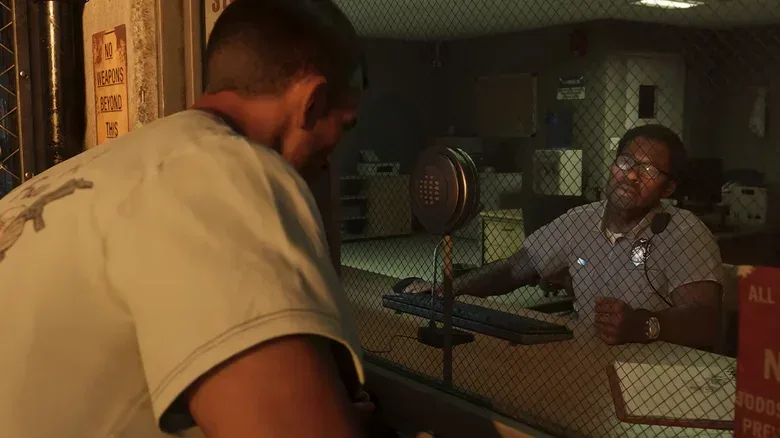
Arion Kurtaj, the hacker convicted in connection with the theft and release of early Grand Theft Auto VI material, has been released on license after receiving a seven-year prison sentence. The release does not mean the sentence has simply vanished: it places the now-21-year-old in the community under strict conditions rather than keeping him in prison for the full term.
The case remains one of gaming’s most extraordinary security stories—not merely because it involved Rockstar Games and one of the industry’s most anticipated releases, but because of the circumstances surrounding it. Kurtaj was a teenager when he accessed Rockstar systems as part of the Lapsus$ hacking group, stole data and attempted to extort the company. When Rockstar did not comply, unfinished gameplay footage was released in 2022.
A judge warned Kurtaj not to repeat the conduct. He is also subject to a Serious Crime Prevention Order lasting five years, with restrictions on his internet use intended to reduce the opportunity for further digital offending.
What release on license means in this case
Release on license is a British legal arrangement in which a person serves part of a sentence outside prison while complying with formal conditions. It has some broad similarities to parole or probation in the United States, though legal systems and terminology differ. The crucial point is that it is conditional freedom, not an acquittal or a reversal of the seven-year sentence.
Kurtaj’s additional Serious Crime Prevention Order is especially important given the nature of the offence. Such an order can impose controls designed to prevent serious criminal activity. Here, the stated practical effect is a limitation on his online activity. For a case centered on unauthorized access to company systems, stolen files and publication of development footage, that condition goes directly to the avenue through which the harm occurred.
The judge’s warning was brief but unmistakable: do not let it happen again. That language reflects a central difficulty in cybercrime cases. The damage can be inflicted remotely, quickly and with comparatively little physical infrastructure. Restrictions on access and activity therefore become a key part of managing risk after conviction.
The 2022 GTA 6 breach
The Rockstar breach took place before the eventual release of GTA 6, when details about the game were tightly controlled. Kurtaj accessed the company’s servers, stole material and sought to pressure Rockstar into meeting extortion demands. After the company did not yield, gameplay clips from an unfinished version of the game began appearing publicly.
Development footage is often misunderstood outside the game-making process. An unfinished build can contain placeholder assets, incomplete animation, rough performance, missing polish and systems that change before launch. It is not designed to serve as a final representation of a game. But for a game with the scale and cultural profile of Grand Theft Auto, the distinction did little to stop widespread interest and circulation.
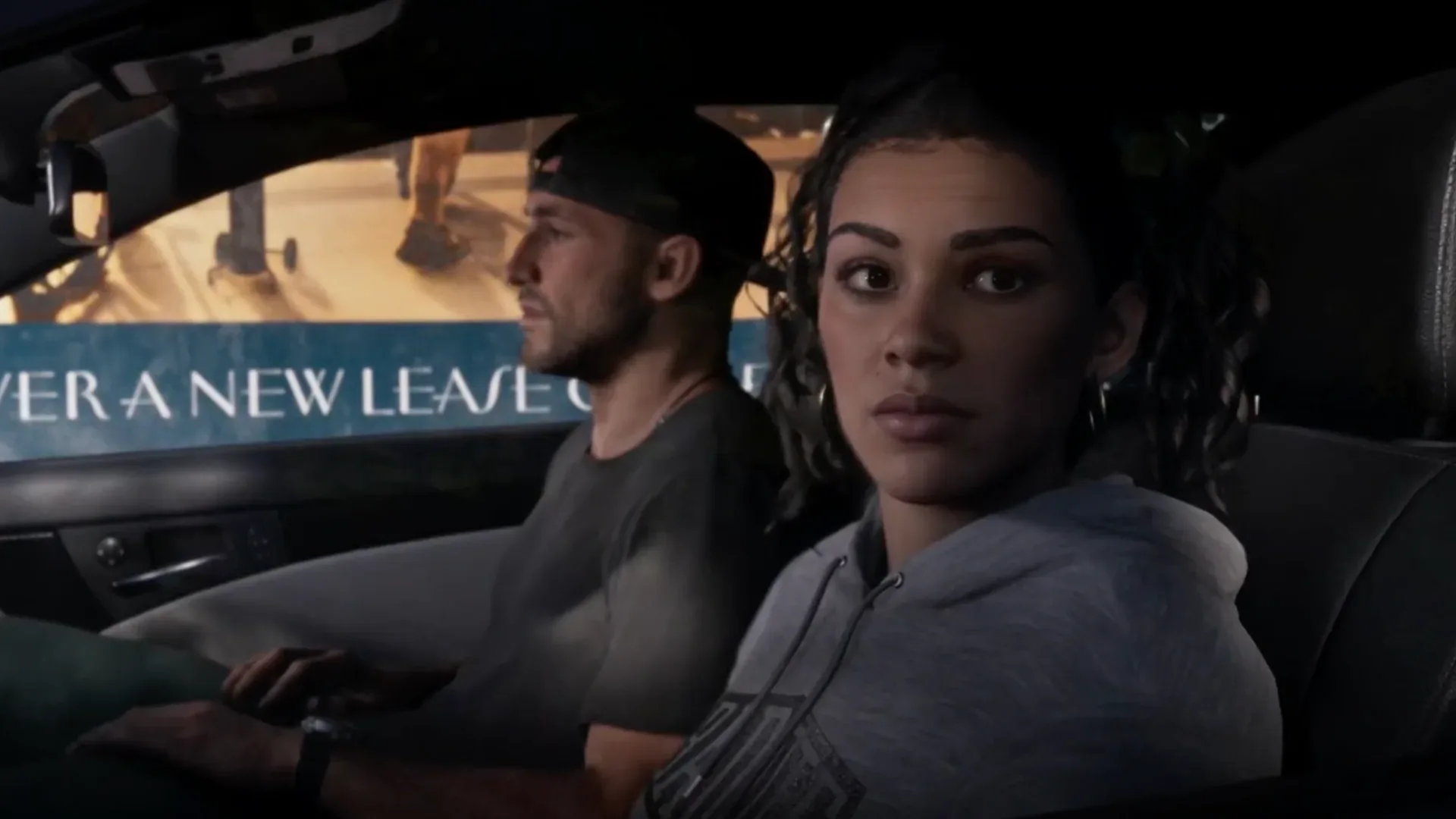
The breach also exposed a detail Rockstar had intended to hold back for marketing: one of the playable protagonists was a woman, Lucia. That mattered not because the basic fact itself made the game less viable, but because release timing is a core part of a major publisher’s communications strategy. Studios plan when to reveal characters, settings and gameplay so they can present them in context and on their own terms. A leak takes away that control.
Rockstar estimated that responding to the breach cost roughly $5 million, alongside thousands of hours of staff time. Those costs illustrate why leaks are more than a headline problem. The financial impact includes investigation, security work, internal disruption and the time employees spend dealing with a breach rather than completing the project they were hired to make.
A bizarre setting for a consequential breach
The circumstances were almost too implausible for a crime story involving a game famous for escalating missions. Kurtaj carried out the Rockstar intrusion from a hotel room using an Amazon Fire Stick while he was under police protection. He was being protected because rival hackers had reportedly threatened him over stolen Bitcoin holdings.
That does not make the episode fictional or consequence-free. If anything, it emphasizes how a serious intrusion does not necessarily require a sprawling hideout or movie-style hardware. Modern connected devices, account access and social engineering can be more consequential than a dramatic-looking setup. The strange location is memorable; the impact on Rockstar’s staff and security is the substantive part of the story.
Legal and health context
Kurtaj was initially found unfit to stand trial and placed in a secure hospital because of a severe autism diagnosis. He was later moved to a conventional prison in January before his release on license.
That procedural history is relevant because it helps explain why the case did not follow a simple, linear path from arrest to conventional trial and imprisonment. It should not be used to turn a medical diagnosis into a shortcut explanation for hacking, nor does it diminish the impact Rockstar said the breach had on its business and workforce. The legal outcome combines punishment with conditions intended to address future risk.
The leak did not stop GTA 6’s commercial momentum
The breach was expensive and disruptive, but it did not prevent Grand Theft Auto VI from becoming an enormous commercial success. The game reportedly brought in nearly $4 billion during its first few days after release, making it the largest launch for a video game and, by that measure, the largest launch for any entertainment product.
Those numbers do not retroactively make the leak harmless. A company can absorb a costly incident and still succeed at a historic scale, particularly when it is releasing an event-sized game. The more useful reading is that strong demand for the finished product ultimately outweighed the confusion and lost control created by the early footage.
For players, it is also a reminder that leaked work-in-progress video and released software answer different questions. A leak can feed curiosity, but it cannot reliably establish what the finished experience will look like, how it will run, or which features will make it to launch. The enormous response to the completed game underlines why avoiding premature judgments based on incomplete builds is usually sensible.
Readers looking at the game’s technical discussion after launch can also see why context matters in reporting performance behavior. Recent reporting on an Xbox frame-rate issue in GTA 6 focuses on a specific claimed scenario rather than treating isolated observations as a universal statement about the entire game.
Why GTA 6 remains a target
The end of the pre-release leak saga does not make the game immune to further security concerns. Attention has now shifted toward claims involving an unofficial PC port. A leaker using the name Cyberleek has claimed access to an Xbox build that could potentially be used to create such a port, though that claim should be treated as unverified.
An unofficial port generally means software adapted for a platform without the original developer or publisher’s authorization. It is not the same as an official release, which would be developed, tested, supported and distributed by the rights holder. Claims that an existing console build can be turned into a working PC version also raise major technical, legal and security questions that cannot be resolved by a social-media assertion alone.
That distinction is practical for players. Unofficial builds or downloads can carry obvious risks, including malware, unstable software, missing support and legal exposure. More fundamentally, they should not be confused with a confirmed plan from Rockstar. Until the company sets out its own platform strategy, a claimed port remains just that: a claim.
The broader lesson for game development
The Kurtaj case demonstrates why studios treat development security as part of production rather than an issue that sits outside it. Games are made by large teams, over long periods, using connected tools and sharing work among many people. That makes protecting accounts, internal systems and unfinished assets an ongoing task, not a final-stage checkbox before launch.
It also shows why the cost of an intrusion cannot be measured only in leaked clips. There is the direct remediation bill, but also the staff time required to investigate what happened, establish what was accessed, secure systems and respond to public fallout. In Rockstar’s account, that disruption amounted to thousands of hours on top of the estimated $5 million cost.
For the public, the enduring lesson is less glamorous than the hotel-room detail and more useful: leaked material is not a harmless alternative marketing campaign. It can upend a studio’s plans, create avoidable workloads and expose employees’ unfinished work to scrutiny without the context needed to evaluate it fairly. GTA 6 ultimately reached an unprecedented commercial result, but the route there included a breach with real consequences—and a five-year order now designed to ensure its central figure does not repeat it.