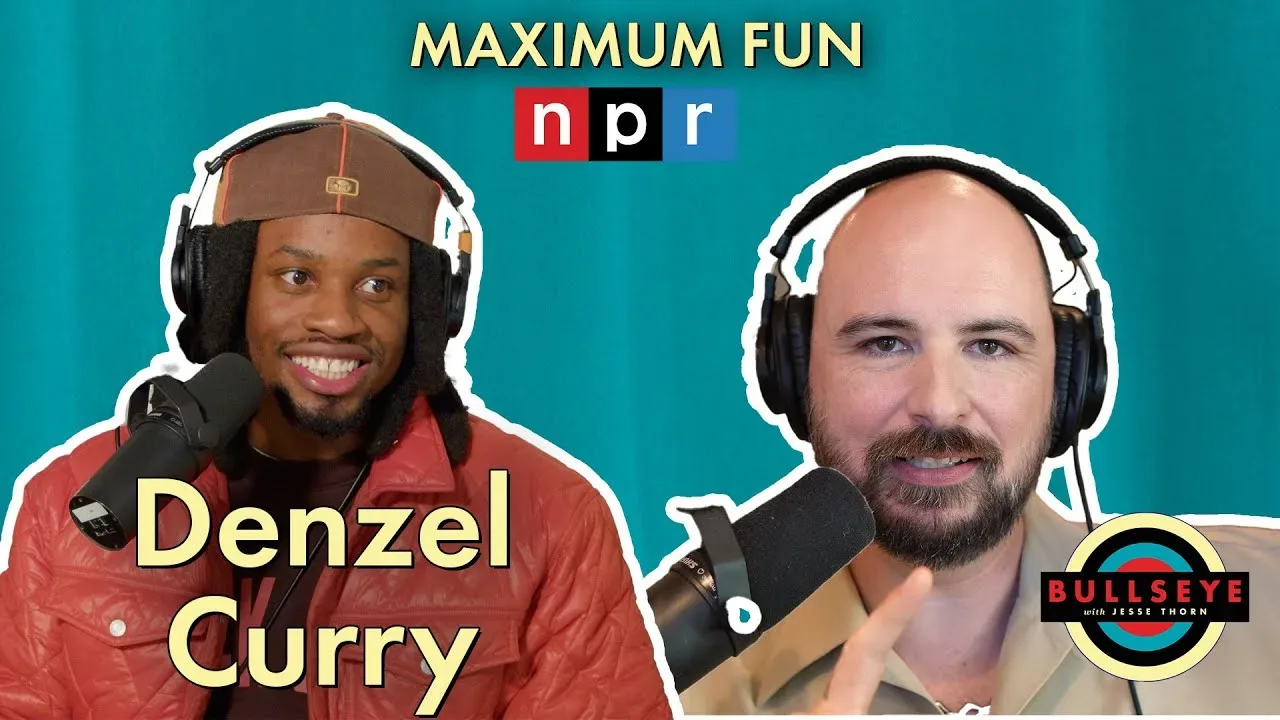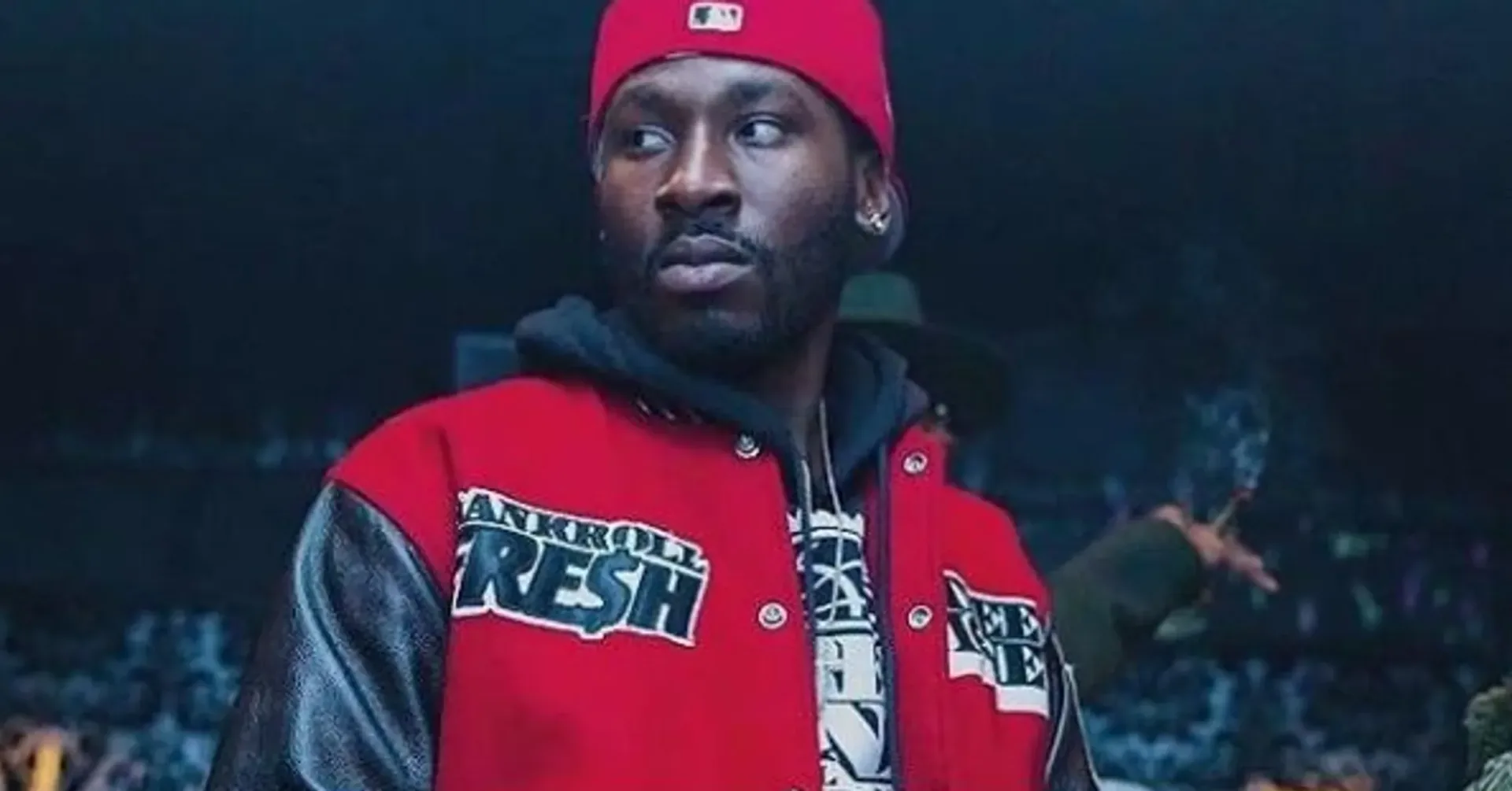

Denzel Curry’s contribution to Grand Theft Auto VI is attracting attention for a reason that goes beyond a familiar name appearing on the cast list. Curry voices DWNPLY, a rapper positioned as an antagonist to Real Dimez, the rap duo players assist through several story missions. Rather than simply appearing as himself, Curry takes on a purpose-built character with a role in the game’s music-world storyline.
That distinction matters. Cameos can be a fun recognition moment, especially in a series with a long relationship to music and celebrity culture. But a celebrity playing a fictional role has a different job: the performance has to establish the character’s attitude, make the conflict readable, and still feel at home in the game’s heightened world. The response to Curry’s DWNPLY suggests he succeeds on those fronts.
Players and viewers discussing the character have highlighted the energy in his delivery, his comic timing, and the verbal sparring between DWNPLY and Real Dimez. Those qualities make the scene work as more than a roster check of famous musicians. It becomes a character exchange with momentum.
DWNPLY is more than a musician cameo
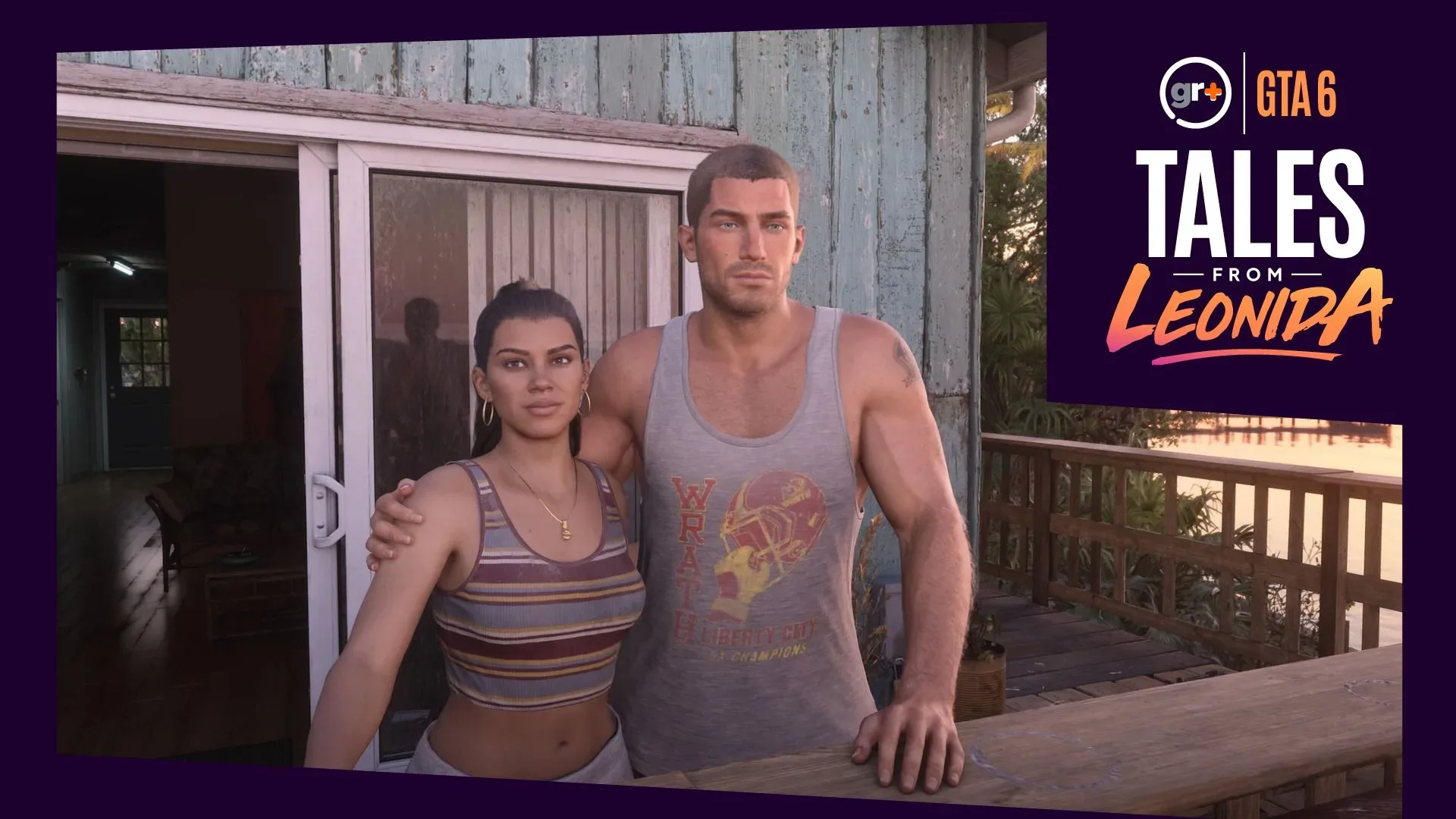
DWNPLY is a fictional rapper tied directly to Real Dimez’s mission arc. Real Dimez are a rap duo whom players help during a handful of story missions, while DWNPLY acts as an opposing force. The setup gives the game a straightforward dramatic engine: a rivalry, competing personalities, and dialogue that can bring the tension to the surface.
Real Dimez have been described as loosely drawing from the City Girls. “Loosely” is important here. It signals an apparent point of cultural reference, not confirmation that the characters are literal stand-ins for any real performers. In a game world built around satire and exaggeration, that sort of reference point can help players quickly understand a fictional act’s place in the broader scene without making the characters dependent on one-to-one imitation.
Curry’s character benefits from that structure. DWNPLY has someone to push against, which lets the voice performance show aggression, humor, impatience, or bravado through the rhythm of an argument rather than through exposition alone. A character can announce that they are a problem; a lively back-and-forth gives them the chance to demonstrate it.
Why the performance is landing
Voice acting is not simply speaking into a microphone. In games, a performer must communicate personality without the full toolkit of live-action performance. Facial animation, staging, editing, and the surrounding scene all contribute, but the voice has to carry its share of the character’s pace, emphasis, emotion, and intent.
The descriptions of DWNPLY’s first scene point to a performance that leans into those essentials. Curry reportedly brings substantial force to the role, while the line readings are being singled out as funny. Those are complementary skills. Energy on its own can become noise; comedy without conviction can flatten the threat behind a fictional rival. When both are present, a hostile exchange can feel sharp rather than merely loud.
Related coverage includes Denzel Curry’s DWNPLY Performance Stands Out in GTA VI.
Line reading refers to the specific way an actor delivers written dialogue: where they pause, which words they stress, how fast they speak, and the emotional angle they choose. The same sentence can read as a threat, a joke, a dismissal, or an attempt to regain control depending on those choices. For a character such as DWNPLY, that control of tone is central. The dialogue needs to preserve the competitive edge while remaining entertaining enough to fit the game’s comic sensibility.
There is also a valuable difference between a musician’s public persona and a fictional character. A performer may have the vocal presence to command attention, but an acting role asks for a particular response to particular circumstances. DWNPLY is not just “Denzel Curry in a GTA scene.” He has a defined relationship with Real Dimez and an antagonistic place in their story. The praise directed at Curry is therefore less about recognition and more about the sense that the role has a distinct dramatic function.
The value of casting musicians as characters
GTA VI includes several rappers: Freddie Gibbs, Sexyy Red, N.O.R.E., and JT are among the musical names associated with the game. Many of those appearances involve performers playing themselves. That approach can make a fictional city feel connected to contemporary music culture, and it gives audiences a direct recognition hook.
Curry’s casting takes the alternate route. A fictional role allows a musician to work without the expectation of simply reproducing their public identity. It also gives the writers more freedom to create conflict. A real-person cameo may be built around the pleasure of seeing that person in the game; a fictional adversary must serve a scene and its stakes.
For players, that can make the character easier to remember after the novelty of the cameo fades. The memorable part is not only that a well-known artist appears, but that DWNPLY has a voice, a point of view, and an immediate source of friction with other characters. The apparent reception indicates that Curry’s performance makes that fictional identity feel intentional rather than ornamental.
This is especially useful in story missions. Music-industry satire or rivalry can easily become background flavor if it is not anchored by people who sound invested in the conflict. A confrontational exchange can establish who the players should pay attention to, what emotional temperature a mission is operating at, and why a supporting storyline should matter.
Comedy and antagonism can occupy the same scene
There is a practical reason the comedic side of Curry’s delivery is being emphasized. A game like GTA VI can support characters who are abrasive, outrageous, and funny at once. The aim is not necessarily to make an antagonist sympathetic. Instead, it is to make them vivid enough that their scenes have texture.
DWNPLY’s exchanges with Real Dimez appear to use confrontation as entertainment. That is a useful balance for a recurring or mission-based character: the rivalry must be legible, but the dialogue also has to justify the time spent watching it. Humor makes an antagonist quotable and scene-stealing. Conviction keeps the character from turning into a pure punchline.
The reported reaction on X reflects that blend. Fans have responded positively enough to speculate that Curry could pursue more voice acting, and even live-action work, alongside music. Such reactions are not a measure of a formal acting credential, but they do show that audiences are reading the character as a performance rather than treating the appearance as a disposable celebrity nod.
It is also worth separating fan enthusiasm from confirmed future plans. There is no stated indication here that Curry is moving into additional acting projects. The reasonable takeaway is narrower: the DWNPLY role has given listeners a clear example of a musician applying vocal charisma to scripted characterization, and people would like to hear more of it.
What this means for GTA VI’s supporting cast
The strongest supporting performances often give a large open-world game more local personality. Players may spend hours driving, exploring, and following the main plot, but mission-specific characters help individual storylines retain their own identity. A memorable antagonist can turn an otherwise functional assignment into an encounter players discuss and revisit.
That appears to be the opportunity Curry’s DWNPLY has seized. The character is connected to a defined Real Dimez arc, gets a prominent early cutscene, and is built around a dynamic that invites an animated exchange. Those elements give the performance room to register.
The role also demonstrates why a celebrity cast works best when fame is not the entire concept. Recognition may get an audience interested, but character work sustains the moment. Curry’s performance is receiving attention because it reportedly has a specific comic and confrontational charge, not merely because a rapper has appeared in GTA VI.
For more on the game’s smaller character-driven gags, see our take on GTA VI’s $475 necklace and the joke behind Jason trying his best. The same principle applies: small, well-defined details can give a huge game world its personality.
A performance built for replay value
The early DWNPLY cutscene has become a talking point because it offers something a big cameo alone cannot guarantee: an exchange people want to watch again. Rewatchability in a story scene often comes down to delivery. Once the plot information is known, the remaining appeal lies in the rhythm of the dialogue, the escalation, and the performers’ ability to make each jab land.
Curry’s work as DWNPLY appears to have found that balance. He is part of a wider group of rap artists in GTA VI, yet his role stands apart because it is a fictional character with a clear stake in a story conflict. For fans of Curry, it is an opportunity to hear a different mode of performance. For GTA VI players, it is an example of how casting can support a mission arc rather than simply decorate it.
The broader takeaway is simple: celebrity appearances are most effective when the game gives them a reason to exist beyond recognition. DWNPLY’s rivalry with Real Dimez supplies that reason, and Curry’s energetic, funny delivery is what turns the role into a standout.