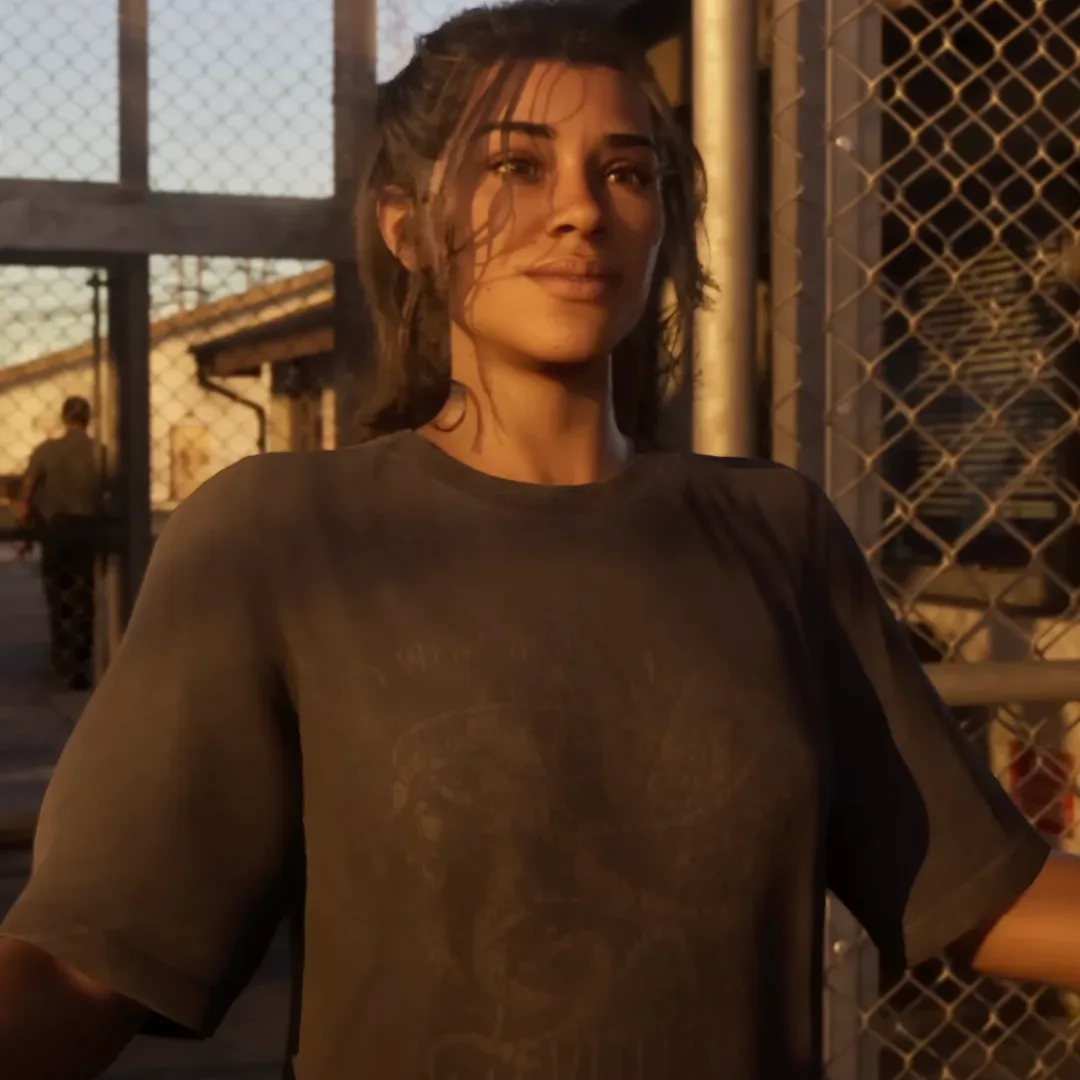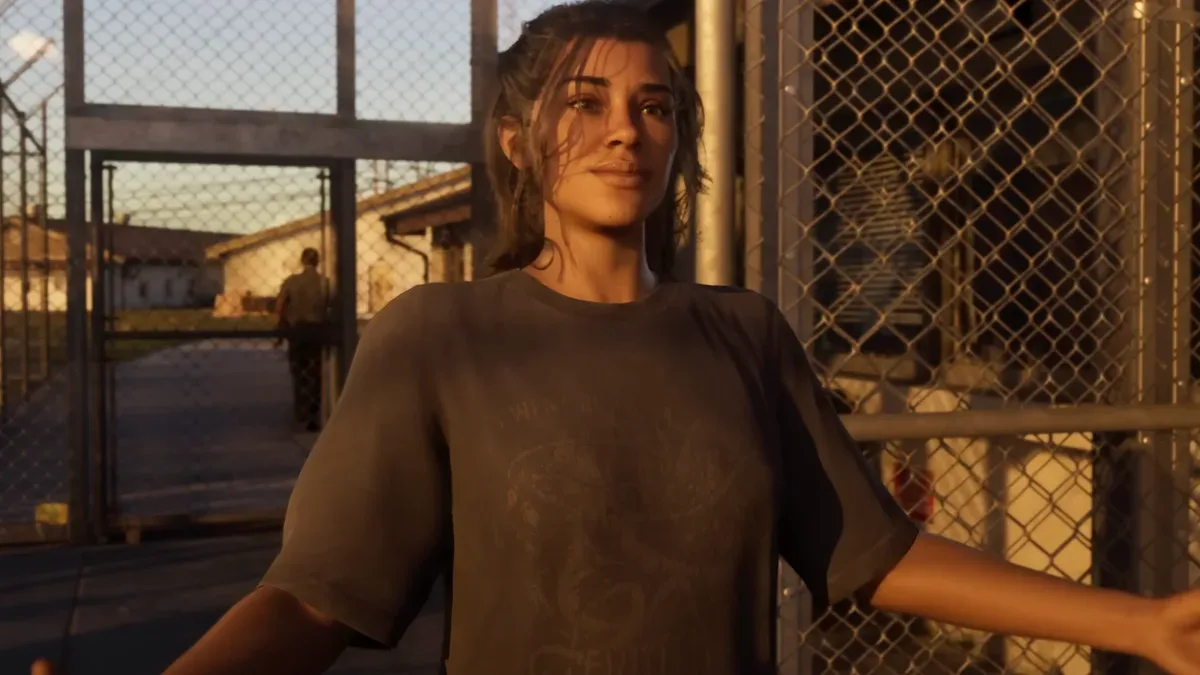
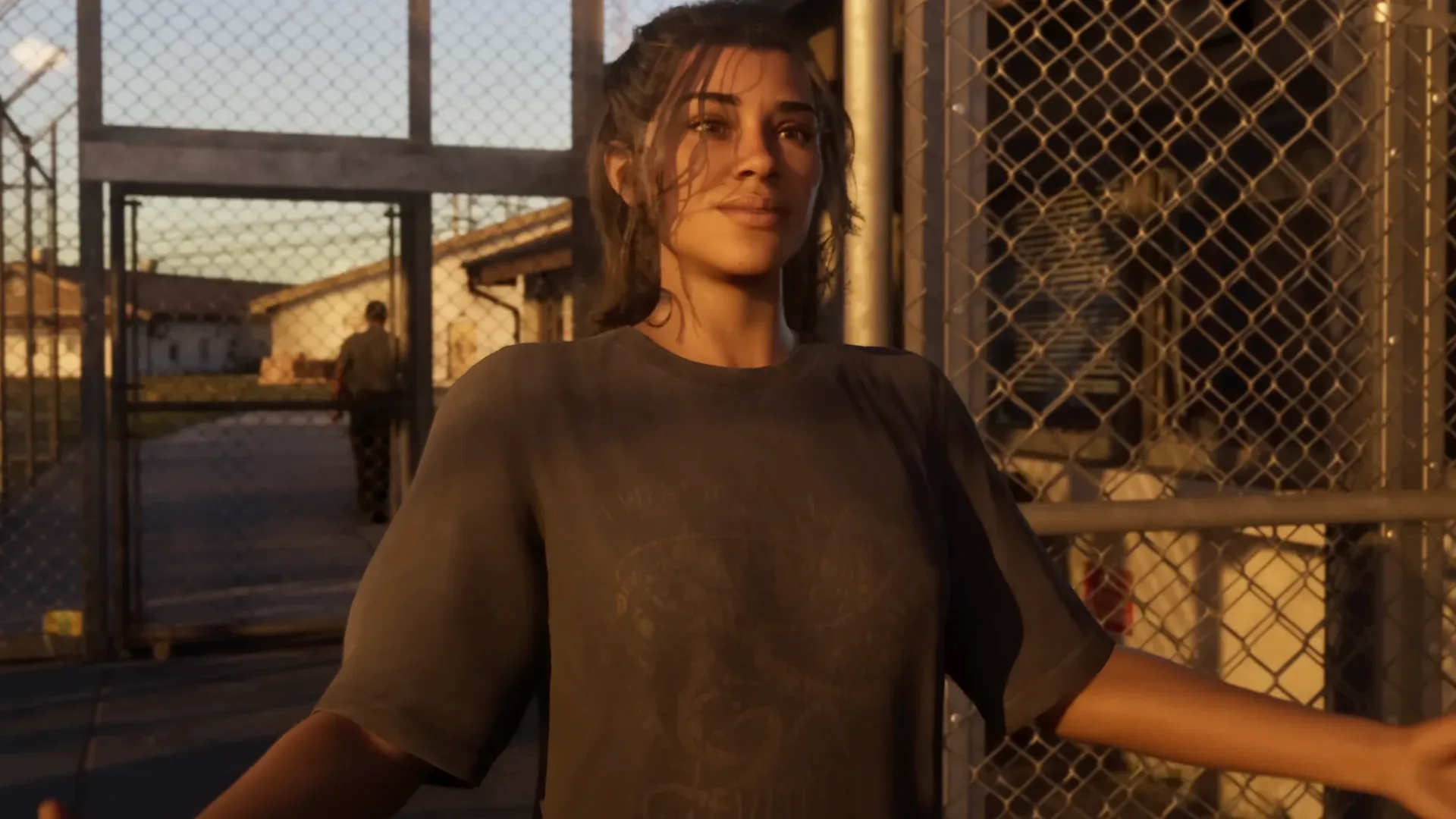
A new claim from the online figure using the name Cyberleek has reopened one of the biggest questions around Grand Theft Auto VI: how long PC players may have to wait for a version of Rockstar’s open-world blockbuster.
Cyberleek says it possesses a full November 2026 Xbox build of Grand Theft Auto VI and is distributing it through torrents. The person or group further claims that the key executable file—the component needed to launch software—will be released on November 23, whether or not a related cryptocurrency scheme reaches its stated goal. If real, that would be a serious piracy and security issue. It would not, however, mean a working PC edition is imminent, nor would it substitute for an official release.
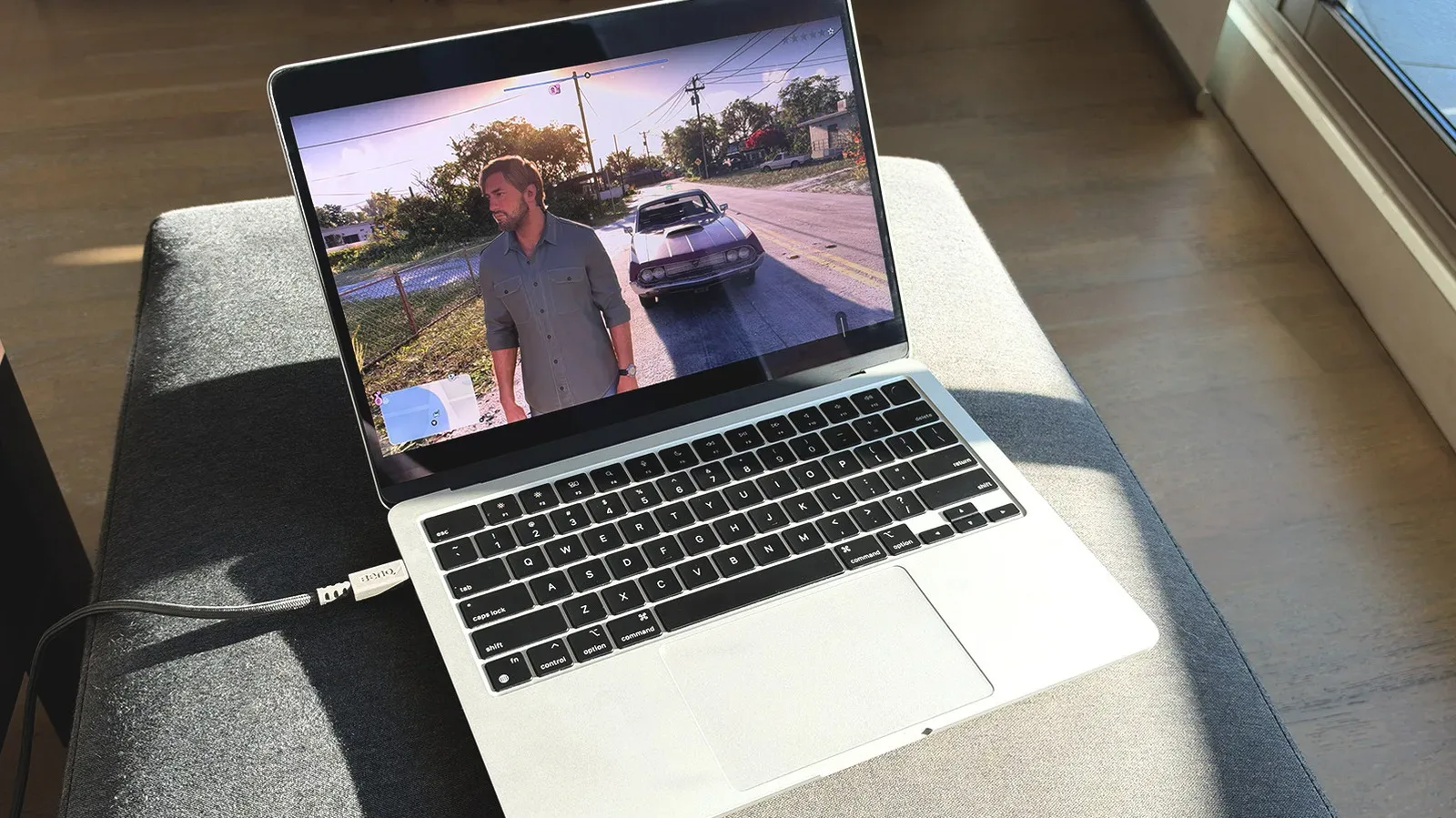
The most attention-grabbing part of the message is Cyberleek’s assertion that the community could have the game “emulated” on PC within a week, at performance above 30 frames per second. That prediction should be treated with exceptional caution. It is a claim from an unverified leaker with a documented financial incentive to create attention, and the technical language used does not neatly match the current state of Xbox Series X/S emulation.
What is being claimed—and what is not confirmed
The reported material is described as an Xbox build, rather than a native Windows PC build. Early examination by people in hacking circles reportedly suggested that files circulating were plausible, but they lacked the main executable file required to run the game. Cyberleek says that executable is being withheld under a countdown.
Those details matter because game files alone do not establish a usable port. A modern retail game is made up of a large collection of code, assets, configuration data, platform-specific components and security systems. An executable is the compiled program that tells a particular operating system and hardware environment how to run that collection. Missing it is not a trivial omission.
Equally, the existence of a console executable would not by itself establish that it can run on a conventional PC. Console games are built for a defined platform. Developers know the target machine’s hardware profile, graphics environment and system interfaces. A PC release must operate across a far broader range of processors, graphics cards, drivers, operating-system configurations and display settings.
Cyberleek’s message does not independently verify the build, its completeness, its origin, or the promised November 23 executable release. The story also involves potentially illegal distribution of copyrighted software, so readers should avoid torrents, leaked files and token promotions connected to the claim. They carry obvious legal, security and financial risks beyond the question of whether a file is authentic.
“Emulation” and recompilation are not the same thing
The term emulation is being used loosely in the discussion. In the usual technical sense, an emulator recreates enough of one hardware and software environment for code intended for that original system to execute elsewhere. For a current-generation console, that is an immensely demanding task. No robust Xbox Series X/S emulator has been established as a broadly viable route for playing modern commercial games on PC.
Related coverage includes GTA 6 Leak Claim Raises Fresh Questions About an Unofficial PC Version.
A different route sometimes discussed is recompilation. Broadly speaking, recompilation involves translating or rebuilding game code so that it can run in a new environment, rather than simulating the original console wholesale. The result can be called an unofficial PC port, but it is not automatically quick, simple or reliable. It may require extensive reverse engineering and continuing work to resolve graphics, input, audio, timing and compatibility problems.
Recent advances in AI-assisted coding have added fuel to conversations about how rapidly such work could progress. Coding tools may help developers inspect, transform or draft code, but they do not erase the difficult engineering work involved in understanding a complex game and making it stable on varied PC hardware. They also do not change the copyright and legal issues around unauthorized distribution and adaptation.
A fan-driven The Legend of Zelda: Ocarina of Time project is cited as an example of recompilation-based work leading to a PC-compatible result. But it is a poor yardstick for predicting a turnaround time for Grand Theft Auto VI. The two projects do not share the same technological scale, design demands or visual feature set.
Why GTA VI would be an unusually difficult target
Grand Theft Auto VI is described as a major technical step beyond older projects, with a massive open world and ray-traced lighting among the demands an unofficial PC effort would need to confront. An open-world game must continuously manage large quantities of environment data, character behaviour, vehicles, physics, audio and streaming assets as a player moves through its world. That is complicated even when the original developer is working with its own tools and codebase.
Ray tracing is a rendering technique that models aspects of how light travels through a scene. It can improve reflections, shadows and other lighting effects, but it is computationally expensive. Achieving an acceptable frame rate is not merely about starting a game successfully; it requires consistent performance through demanding scenes on a range of systems.
Frame rate, commonly measured in frames per second or fps, is the frequency at which new images are rendered. Cyberleek’s “far past 30fps” assertion is therefore a performance claim, not just a claim that the game could be made to boot. There is no supplied evidence demonstrating that outcome, and it would be particularly premature to assume it before the alleged executable is even available.
Compatibility can be as important as raw speed. A game might reach a menu, render a short sequence or run in limited circumstances while still suffering from crashes, broken visual effects, flawed controls, missing audio or progression-blocking errors. For a sprawling game designed around current console hardware, those practical concerns would be central. A hypothetical unofficial build would also lack the testing, support and updates users would reasonably expect from a legitimate PC release.
The official PC question remains unanswered
There are rumors that Rockstar could bring Grand Theft Auto VI to PC early in 2027, but Rockstar has not formally announced a PC version. Until the company does so, any date, platform specification or feature expectation is unconfirmed.
Former Rockstar technical director Obbe Vermeij has argued that an earlier official PC launch could be beneficial as AI-assisted porting and adaptation tools become more capable. That is an informed industry opinion, not confirmation of Rockstar’s plans. Still, it identifies the pressure at the center of this episode: an official port has advantages that an unauthorized one cannot offer, including a supported build, legitimate updates and a platform-specific release process designed to work across consumer hardware.
For players who already own the game on consoles, the immediate practical alternative is not a leaked PC package. Remote-play options can stream play from a PS5 or Xbox to supported personal devices while using the owner’s console. Our guide to streaming GTA VI to an iPhone, iPad or Mac with PS5 and Xbox Remote Play explains that legitimate route.
The crypto angle is a major reason for skepticism
Cyberleek’s current messaging is tied to a cryptocurrency token. The leaker says the executable could be released early if the token reaches a $15 million market capitalization, while also saying the file will arrive on November 23 regardless of that outcome. The combination of an alleged leak, a deadline and a token target is not evidence that the files or timetable are genuine. It is, however, a reason to question the incentives behind the campaign.
Cyberleek was previously linked to a cryptocurrency promotion described as a $250,000 grift. That history does not settle every factual question about the newly claimed build, but it makes independent verification crucial and makes financial participation especially risky. A market-cap target is not a product-validation mechanism. It says nothing about whether a promised file exists, whether it will be released, whether it is safe, or whether it can perform as claimed.
Readers should be particularly wary of posts that ask for money, token purchases, wallet connections, downloads or personal information in exchange for access to supposed game materials. The desire for a PC version can make a familiar scam formula more effective: promise an exclusive shortcut, attach urgency, then make the audience fund the spectacle. No official Rockstar PC announcement has been cited alongside this campaign.
What to watch next
The immediate test of Cyberleek’s claim is its stated November 23 deadline for the Xbox executable. Even then, the release of a file would not validate the prediction of a rapid, high-performance PC version. Authenticity, completeness, technical viability and legal status are separate questions, each requiring more evidence than a social-media post or a torrent listing can provide.
There is also a claimed fallback plan to pursue a PlayStation 5 build if an unofficial PC route does not emerge. That is another assertion rather than a confirmed development, and it does not make the underlying engineering challenge smaller. Nor does it change the risks for anyone who downloads or circulates unauthorized material.
For now, the responsible reading is straightforward: a high-profile leak claim has created fresh speculation around an eventual PC version of Grand Theft Auto VI, but no official PC port has been announced and no credible evidence supports a one-week community-made solution. The louder the countdown becomes, the more important it is to separate an allegation, a technical possibility and a finished, lawful product.