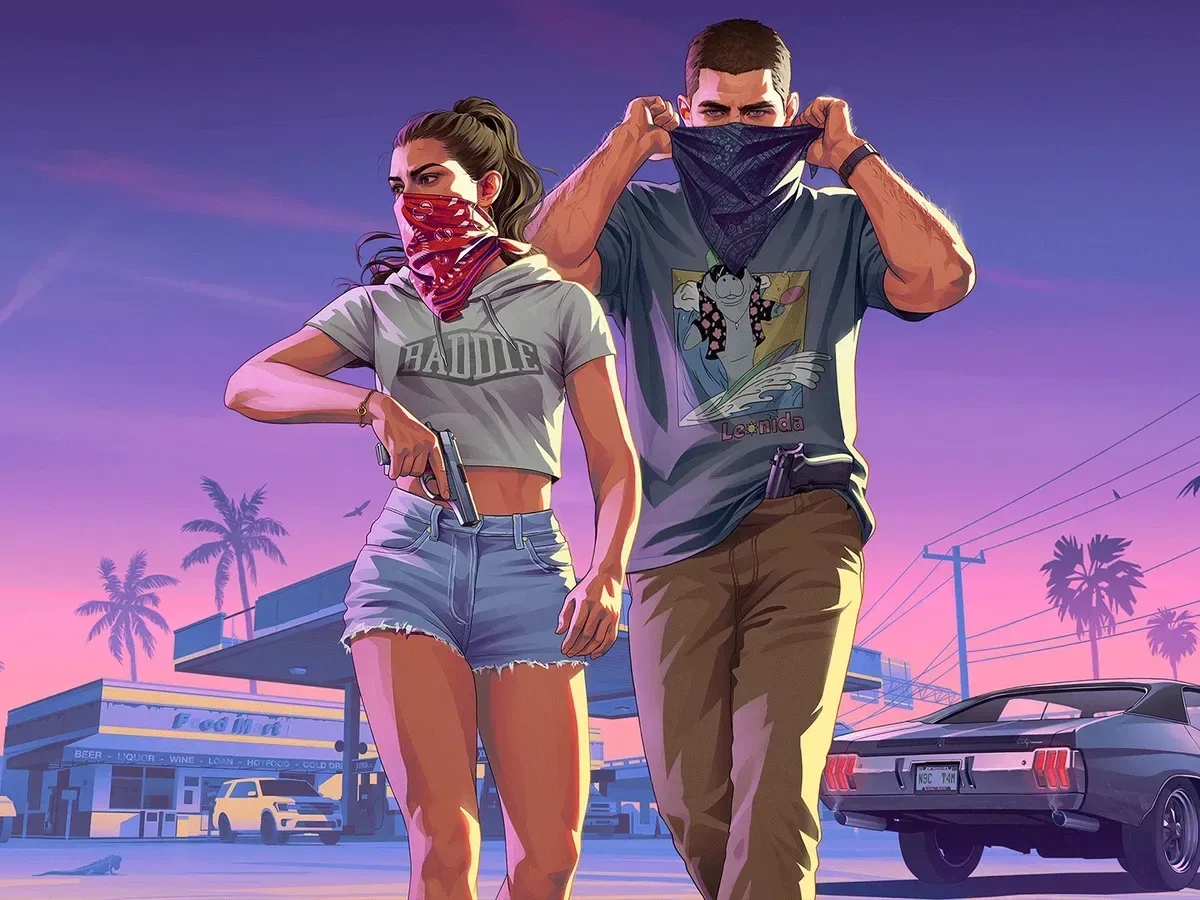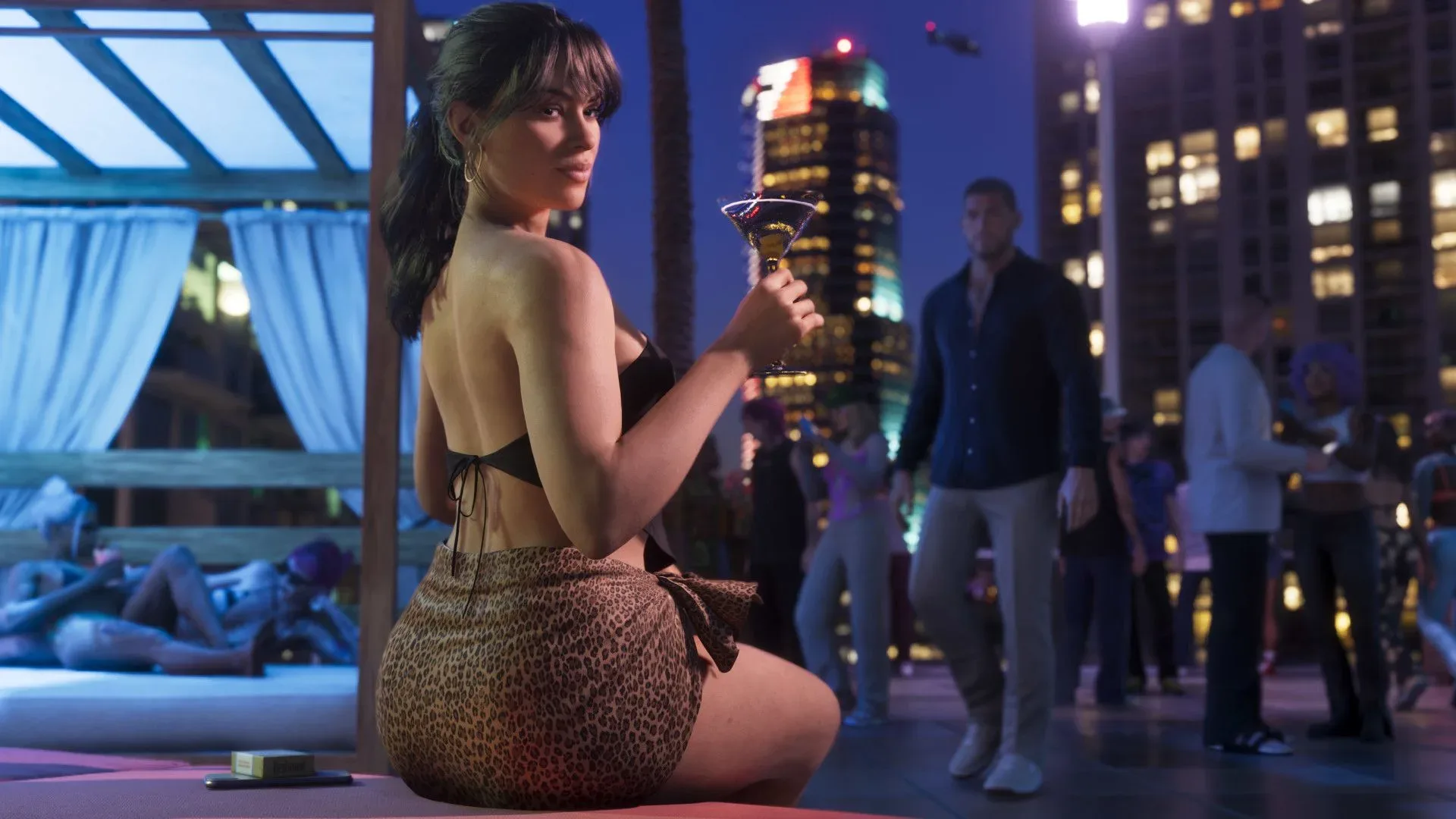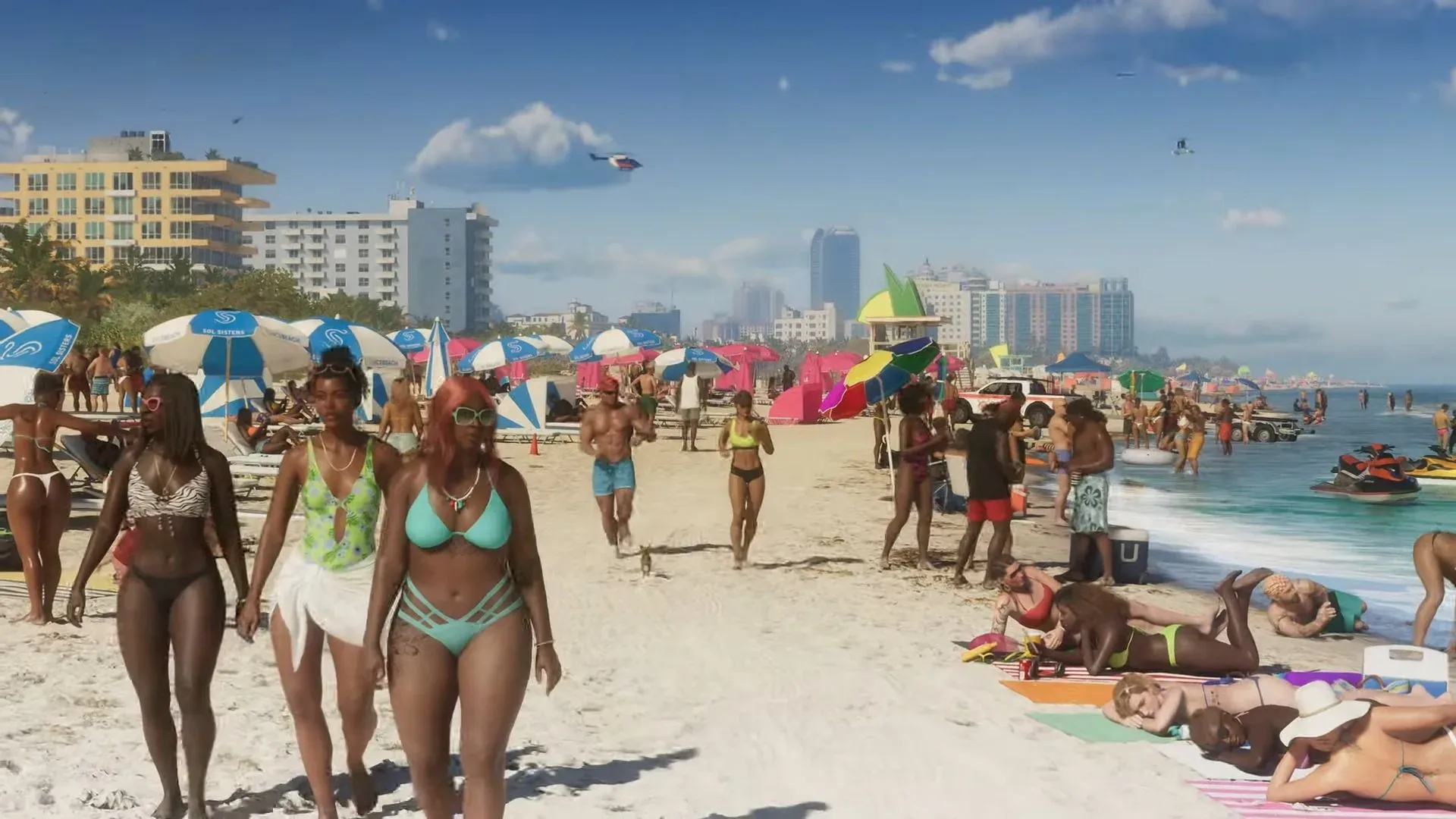
A real-world Florida business has found itself dragged into the strange orbit of Grand Theft Auto VI discourse, and it is not enjoying the free “exposure.” Cypress Cove Nudist Resort in Kissimmee has addressed a cluster of apparent fake online reviews stuffed with references to characters, binoculars, pools and violence associated with purported footage from the forthcoming Rockstar game.
The resort’s response makes clear that it sees the posts as more than a few fans stretching a joke too far. Cypress Cove labeled at least one remaining review as spam and extortion, saying the GTA-themed submissions were followed by requests for payment in exchange for changing or deleting them. The business said it had recorded the activity, would neither pay nor negotiate, and was reporting the matter through appropriate channels.
It is an unusually literal example of the problem created when a fictionalized setting resembles a real place closely enough for online sleuths to identify it. Florida is central to the imagined state of Leonida in GTA 6, but that does not turn every pool, bar or resort in the state into a community playground for role-playing reviews. Cypress Cove’s message was blunt: it is located in Florida, not Leonida.
How a real Kissimmee resort became a GTA 6 target
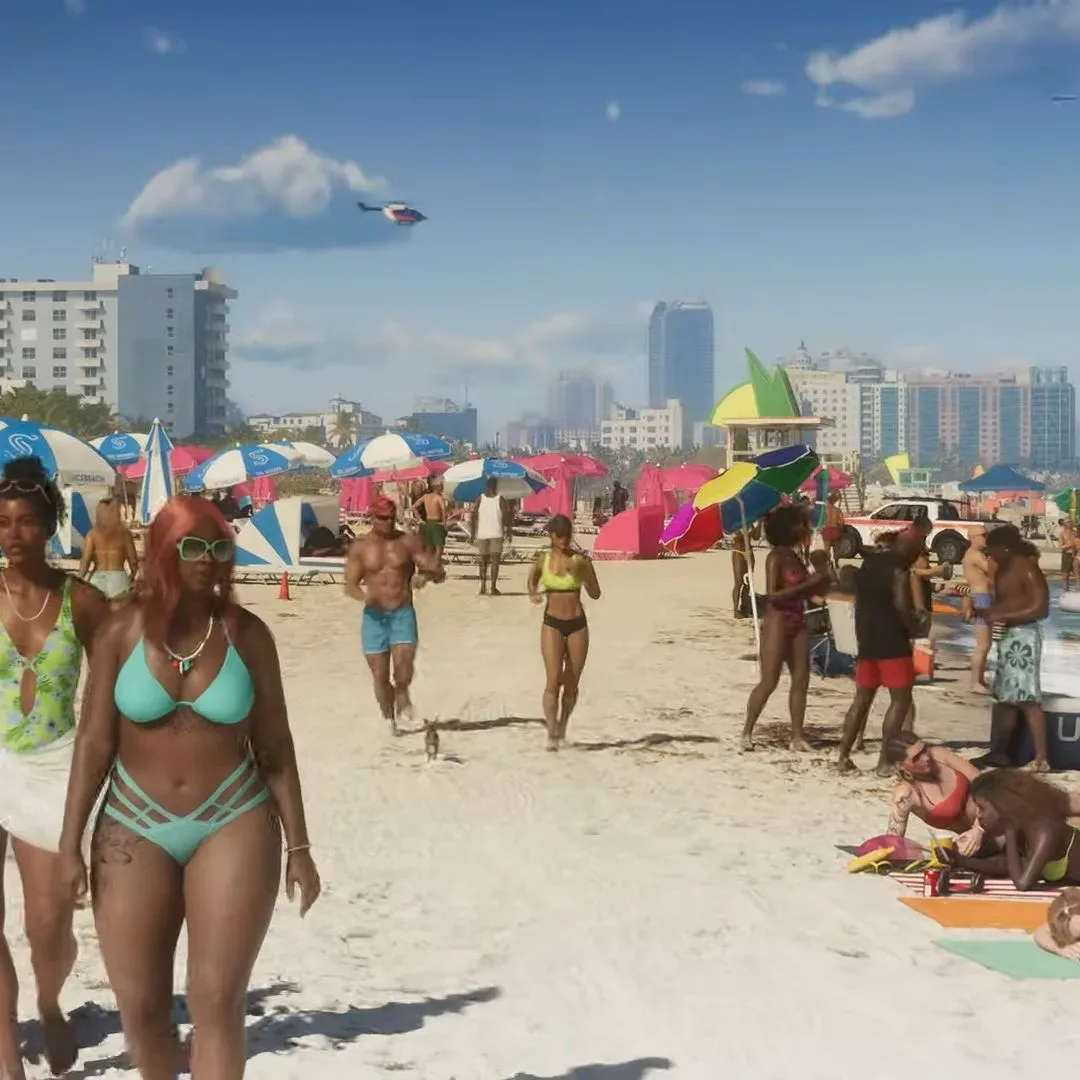
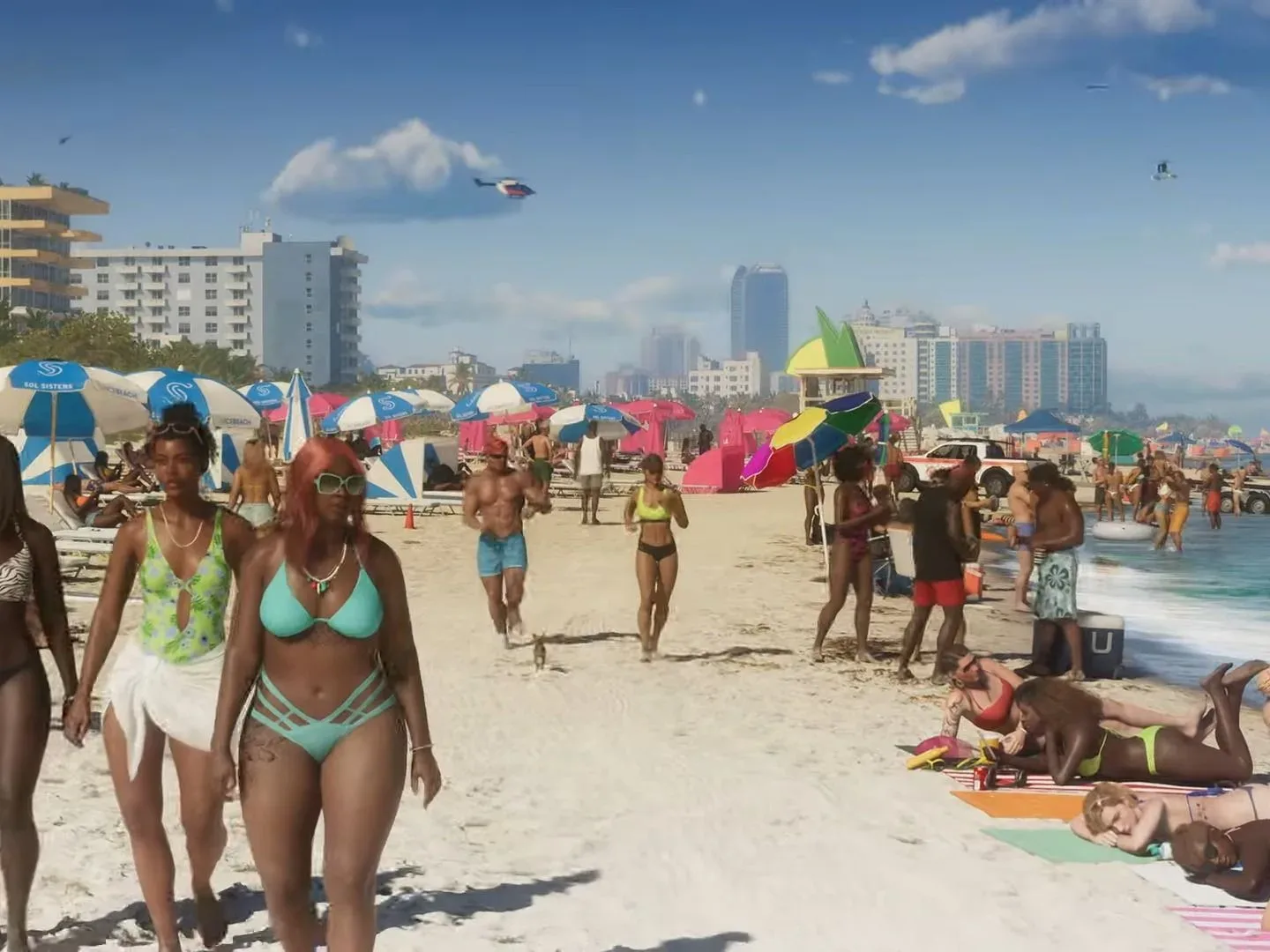
The apparent connection stems from gameplay footage circulated in August by an individual known online as Cyberleek. The footage was not an official Rockstar release, and its origins and context should be treated cautiously. It appeared to show a setting resembling Cypress Cove: a sunny resort environment with a blue pool, a bar and nude guests.
The clips also reportedly included the game’s protagonist, Jason Duval, using binoculars to observe people at the location, followed by a violent sequence. Those details became the punchlines in posts left on Cypress Cove’s Google listing. Screenshots shared online showed otherwise glowing five-star reviews warning visitors about Jason, mentioning binoculars or alluding to an August 24 incident connected to the circulated footage.
That format may look harmless to the people posting it: a knowingly fictional gag, applied to a business they believe inspired a fictional location. From the resort’s perspective, however, it overlays a real business with allegations involving voyeurism, guns and harm. Even when a review is obviously a reference to a game for an informed fan, public review pages are not read solely by informed fans. Potential guests, employees and ordinary search users may see a strange allegation before they ever recognize the punchline.
Some of the posts appeared to have been removed, but Cypress Cove left at least one visible with its moderation notice attached. Its explanation connected the sudden recurrence of references to Jason, Lucia, firearms, pools and binoculars with Grand Theft Auto VI. The key allegation was that fabricated reviews were paired with a demand that the resort hand over money to get them altered or removed.
The resort’s position, in essence, is simple: fictional references are being attached to an actual company, and any request for payment to resolve that problem is unacceptable.
Related coverage includes GTA 6 Leak References Spark Fake Review Trouble for Florida Nudist Resort.
A joke stops being a joke when a business has to manage it
Fans are accustomed to interacting with game worlds as though they were real. They debate fictional crime scenes, write character diaries, hunt for locations behind trailers and build elaborate theories from a few seconds of footage. That enthusiasm can be inventive. It becomes something else when it redirects traffic toward a small real-world operation and asks the business to clean up a mess it did not make.
Review platforms are especially ill-suited to this kind of joke because they are built around trust. A star rating and a few sentences can shape whether someone chooses to visit, call, book or apply for work. Flooding a listing with in-character comments can distort the information that legitimate customers rely on, even where the posts are nominally positive. A five-star rating does not make a fabricated account of a threatening guest, a weapon or a violent episode useful feedback.
The alleged payment request raises the stakes further. There is a significant difference between a fan making an ill-considered pun and someone using fake review activity as leverage for money. Cypress Cove did not provide a detailed public account of who made the request or how it was made. Still, its statement says it documented the reviews and payment demand, a reminder that participants should not assume an online prank is consequence-free simply because it references a video game.
There is another layer to the story. Nudist resorts already operate amid broad public assumptions, jokes and stereotypes. Fans may have viewed the resemblance to an adult-oriented GTA sequence as an irresistible bit. Members of nudist communities responding online, however, argued that the representation was reductive and that a leisure community should not be equated with the chaotic parody of a crime game.
That objection does not require anyone to dislike Rockstar’s satire, or to pretend that Grand Theft Auto has ever aimed for delicate realism. The series is famous precisely because it exaggerates culture, commerce, crime and regional identity. But a parody is still distinct from the people and businesses that may resemble its scenery. A resort can have a pool and a bar without consenting to be folded into a fictional shooting sequence or an internet campaign.
Leaks complicate an already excitable fandom
Unofficial material creates a particularly combustible environment around a game as anticipated as GTA 6. Fans analyzing a trailer are at least working from material deliberately released by the publisher. Leaked or purportedly leaked footage instead arrives without reliable framing, may be incomplete, and can invite a frenzy of investigation around people and places that never asked to participate.
The Cypress Cove episode illustrates why restraint matters. A visual similarity does not establish that a real business has been copied directly. It also does not justify treating the real location as an extension of the game’s marketing, lore or fictional map. Until Rockstar itself chooses to discuss a setting, players do not have confirmation that a particular place is represented in the game, much less permission to use that theory as fuel for review bombing.
That does not mean fans cannot discuss apparent inspirations. There is a clear difference between a respectful conversation in a forum and directing a wave of fake customer reviews at a business page. The former is fandom analysis. The latter creates moderation work for people whose livelihood has nothing to do with whether a clip looked convincing.
Digital behavior around games also depends on the infrastructure that keeps players, social feeds and review platforms constantly within reach. For a separate look at the connectivity questions that can matter in gaming homes, see our breakdown of T-Mobile Fiber plans for gaming households. Fast access may make every fandom conversation more immediate, but it also makes it easier for a running joke to become a pile-on before anyone pauses to consider the target.
What responsible GTA 6 fandom looks like here
The immediate solution is decidedly unglamorous: do not submit fake reviews. Do not repeat claims about real businesses based on an unverified clip. Do not contact a business to demand money for removing content that should not have been posted in the first place. And do not treat a refusal to participate in the joke as an invitation to intensify it.
- Keep character jokes and fictional scenario posts in spaces designed for fan discussion.
- Use review services only to describe a genuine, personal customer experience.
- Remember that real employees may be tasked with sorting through the posts.
- Report suspicious solicitations or extortion attempts rather than amplifying them.
- Distinguish between a possible visual inspiration and a confirmed official connection.
Cypress Cove’s response carries some dry humor of its own, noting that its budget does not include room for internet ransom. Beneath that line is a serious boundary. The resort may be an easy target for people eager to make an adult-themed game reference, but it remains a real Florida business serving real guests. It is not a Leonida mission location, not an in-universe message board, and not a place where GTA role-play should be imposed on strangers.
Grand Theft Auto VI is currently set for November 19. Until then, anticipation will continue to generate theories, memes and close readings of everything connected—or allegedly connected—to the game. The Cypress Cove situation is a useful reminder that fandom is most entertaining when the people who did not sign up for it are allowed to stay outside the bit.