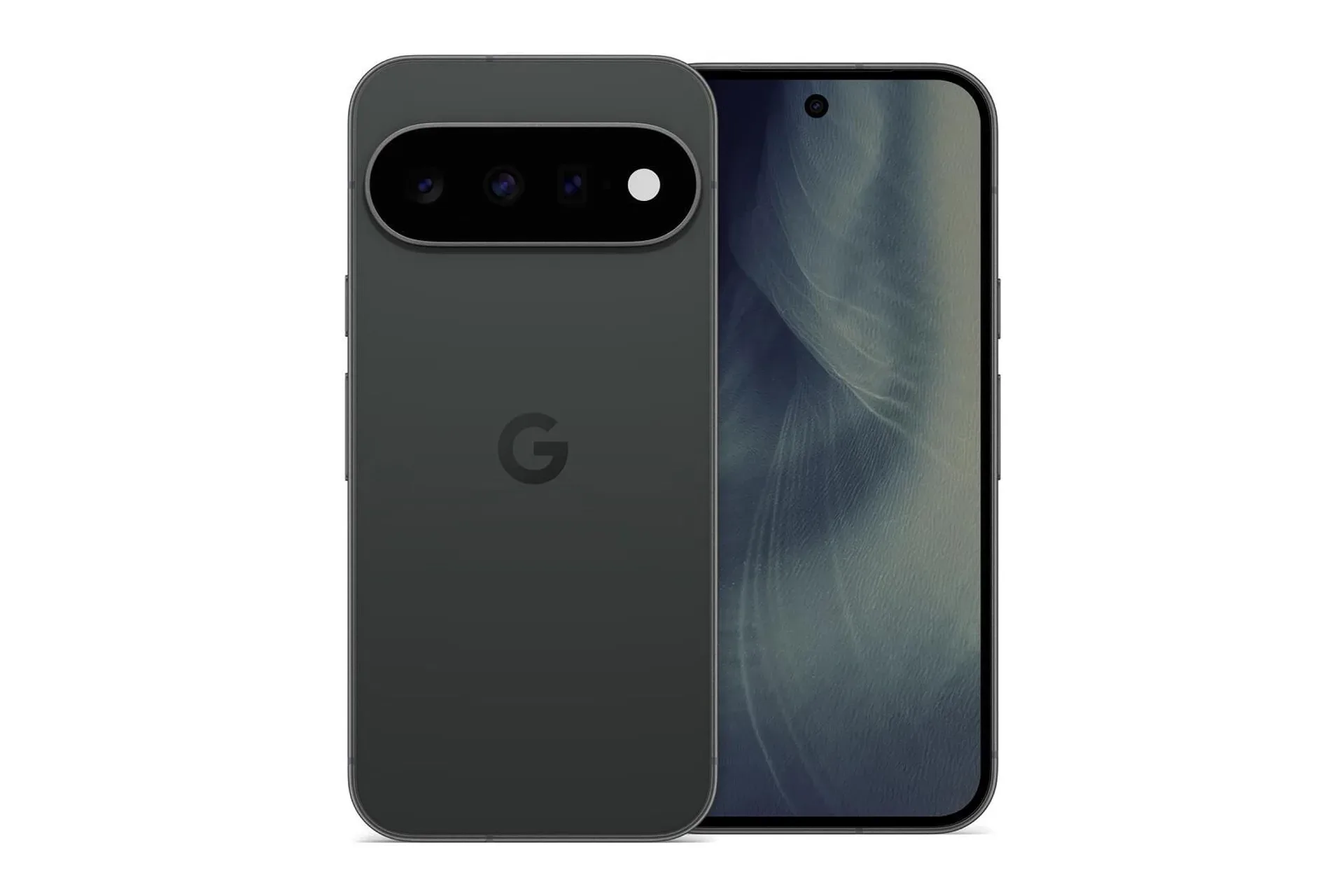
Early Black Friday shopping is often a maze of crossed-out prices, colour-specific discounts and storage tiers that do not quite line up. This Google Pixel 11 listing is a useful example: the lowest stated price is $692, but it applies to one particular version—the 256GB model in Obsidian. Other 256GB colours are listed at $699, while every listed colour of the 512GB model is down to $819.
Those are sizeable reductions against the stated usual prices of $899 for a 256GB Pixel 11 and $1,020 for the 512GB configuration. Put another way, the $692 Obsidian 256GB listing is $207 below that stated regular price; the $699 256GB options are $200 lower; and the $819 512GB models are $201 lower.
The key qualifier is simple: this is a retailer listing and a seasonal promotion, not a permanent new price for the handset. Anyone treating the deal as an upgrade opportunity should make the purchase decision on the exact configuration displayed in the cart, rather than on the lowest headline figure alone. Colour, storage and final availability can determine which price actually applies.
The listed Pixel 11 prices, broken down
- Pixel 11, 256GB: normally listed at $899; most colours are listed at $699.
- Pixel 11, 256GB in Obsidian: listed at $692.
- Pixel 11, 512GB: normally listed at $1,020; listed at $819 across the available colours.
That makes storage the first practical fork in the road. The difference between the discounted 256GB price of $699 and the discounted 512GB price of $819 is $120. For the special Obsidian 256GB price, the gap rises to $127. Shoppers do not need a complicated value equation to understand the choice: decide whether the added capacity is worth that extra outlay before a colour preference pushes the decision in another direction.
The colours identified in the listing are Obsidian, Frost, Hibiscus and Pistachio. Obsidian is the classic black option; Frost is described as near-lavender, Hibiscus as bright magenta, and Pistachio as a muted warm green. At the time represented by the listing, the black 256GB model is the outlier with the extra $7 reduction. That is modest in the context of a phone purchase, but it still matters if black was already the desired finish. It should not, by itself, outweigh a preference for more storage or a different colour.
Unlocked status is the deal’s most practical feature
All of the discounted models are identified as unlocked. In everyday terms, that means the phone is not presented as being tied to a single mobile provider. The listing says the Pixel 11 can be used with Google Fi, Verizon, T-Mobile, AT&T and other major carriers.
That flexibility changes the shopping calculation. A buyer can choose a data plan separately instead of framing the handset price around one carrier’s promotion. It can also help existing customers keep their current provider if it supports the phone, rather than moving service just to obtain a discounted device.
Unlocked does not mean a shopper should skip the compatibility check. It means carrier choice is broader. Before committing, confirm that the particular plan and carrier are appropriate for the device, and review any conditions that accompany the purchase. This is especially important during Black Friday sales, when a low upfront price can be more attention-grabbing than the details surrounding the transaction.
Related coverage includes The unlocked Pixel 11 fell to $692 in Amazon's early Black Friday sale.
There is a broader upgrade context, too. Smartphone buyers have recently shown signs of delaying upgrades, as explored in this look at buyers putting upgrades on pause. A temporary price drop can make a purchase feel urgent, but an unlocked phone’s appeal is strongest when it solves a real need: a failing current device, insufficient storage, a desired carrier change or a planned replacement cycle.
What the durability language means
The Pixel 11 is described as having a slim camera bar, durable screen glass and an IP68 rating. IP ratings are a shorthand used to communicate a device’s stated resistance to dust and water. Here, the practical takeaway is that the phone is positioned to handle exposure to both. It is not a reason to treat a phone as indestructible, nor does the rating erase the value of routine care.
That distinction is worth making because marketing language around ruggedness can be easily overread. The listing describes the screen glass as ultra-durable for normal wear and tear, while the IP68 rating speaks to exposure to dust and water. Those are helpful safeguards for day-to-day ownership, not a promise that accidental damage is impossible under every circumstance.
The camera bar’s slim profile is also part of the design pitch rather than a specification that changes the storage or carrier decision. For a buyer choosing between otherwise identical offers, it is a visual and handling consideration. The more consequential factors remain the capacity tier, discounted price and the fact that the models are unlocked.
Battery and charging claims to weigh
The listing says the Pixel 11 can last for more than 30 hours on one charge. Battery duration always depends on how a person uses a phone, so it is best read as a stated capability rather than a guarantee of identical results for every owner. Someone who spends more time on mobile data, cameras, games or video will naturally use a handset differently from someone focused on calls, messages and light browsing.
Charging is described in more concrete terms: the Pixel 11 is said to charge 25% faster than its predecessor and reach roughly 55% from empty in 30 minutes through USB-C. USB-C is the physical charging connection named in the listing. For shoppers, the useful implication is that a short charging window may restore a substantial portion of battery capacity, provided the conditions needed for that claim are met.
Neither claim removes the need to consider personal habits. A buyer who often fills storage with photos, records long video clips or keeps a phone for many years may see greater everyday value in the 512GB model. A buyer mainly seeking a modern unlocked phone at the lowest listed price may find the 256GB Obsidian version the more straightforward option.
A quick way to compare the options
- Start with capacity. Choose between 256GB and 512GB before looking at the colour-specific price difference.
- Check the exact finish. Obsidian 256GB is listed at $692, while the other 256GB colours are listed at $699.
- Confirm the device is still shown as unlocked. That is the feature that supports use across the named carriers.
- Verify the live listing before checkout. The promotion is presented as an early Black Friday offer, so displayed prices and availability should be checked at the point of purchase.
- Compare the deal to your actual replacement need. A discount is most useful when storage, carrier flexibility, battery expectations and price all fit the intended use.
On the numbers provided, the 256GB Pixel 11 offers the deepest percentage reduction: $207 off the stated $899 regular price for the Obsidian unit, or about 23%. The $699 256GB models are about 22% below that stated regular price. The 512GB version’s $201 reduction is close to 20% off its stated $1,020 price. The absolute discounts are nearly the same, but the storage upgrade still costs more at checkout.
For Black Friday buyers, that is the central story. The Pixel 11 is listed at a notably lower price than its stated normal level, with the entry 256GB model starting at $692 and the higher-capacity 512GB model at $819. The sale is most compelling not because one colour happens to be $7 cheaper, but because the phones are listed as unlocked and the buyer can select a capacity tier without being locked into a single carrier path.
Shop the products
Check current price, model and availability at the retailer.