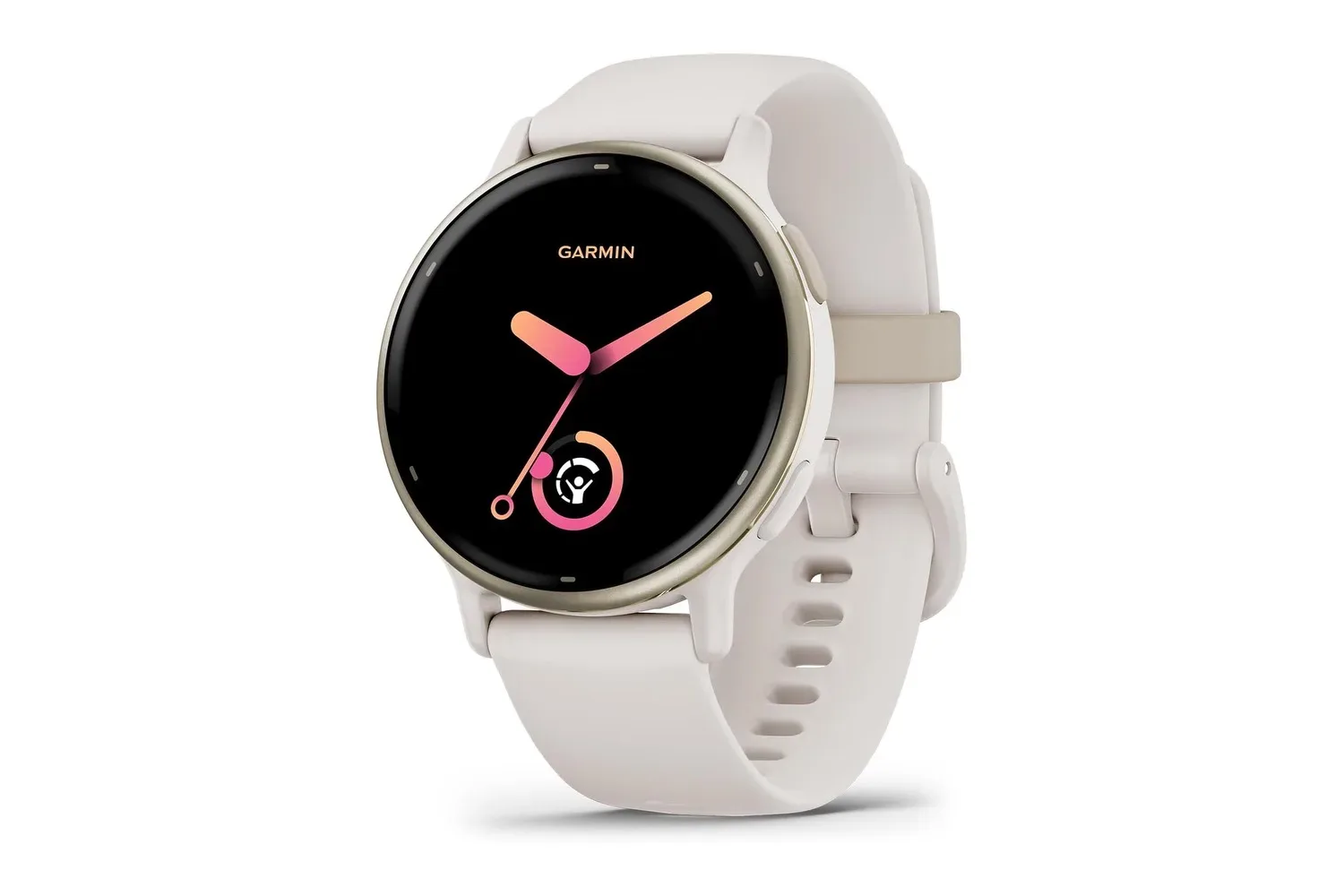
Garmin and Waze have introduced an integration intended to make cyclists more visible to drivers using navigation. A rider who enables Garmin’s optional LiveTrack feature on a compatible Garmin smartwatch or Edge bike computer can temporarily appear in Waze while their ride is active.
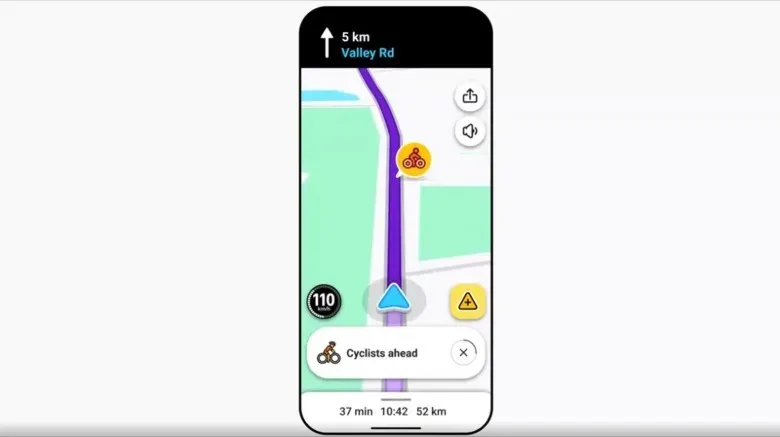
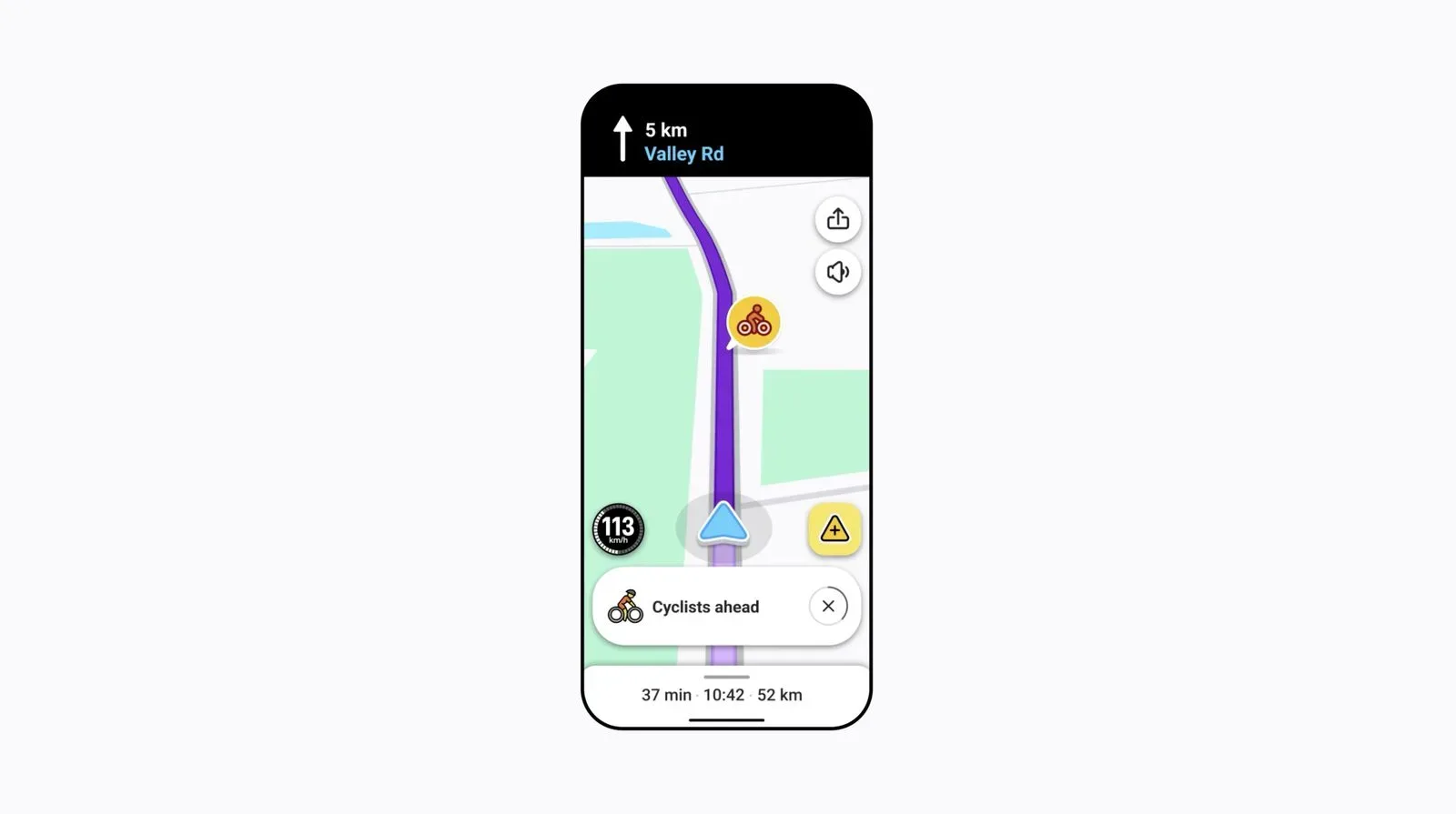
For drivers, the practical result is a warning inside Waze that one or more cyclists are ahead on the road. As a vehicle gets closer, Waze also shows a moving cyclist icon. It is a simple use of location information: not a route-planning change, not a replacement for paying attention, but an additional signal that asks a driver to anticipate a person on a bike further along their path.
The feature is opt-in for cyclists. Garmin says the LiveTrack-driven visibility ends automatically when the rider ends their activity on the Garmin device. Waze also says the integration does not share the cyclist’s name, identity, or route with drivers.
What the Garmin and Waze connection does
LiveTrack is Garmin’s location-sharing feature, already used by people who want trusted contacts to know where they are during an activity such as a ride or run. The new Waze connection applies that active-ride location in a different setting: road awareness for nearby Waze users.
Once LiveTrack is enabled during a bike ride, the rider can be represented in Waze’s driving experience. Drivers receive an alert about cyclists ahead and can see a moving icon as they approach. The goal is to surface a timely cue before a driver reaches the cyclist, particularly in situations where traffic, distance, road shape, or driver attention may otherwise make a rider less immediately apparent.
That distinction matters. A moving icon is not an invitation to treat the map as a substitute for the road. Navigation apps can deliver useful prompts, but drivers still need to watch for cyclists, pedestrians, changing traffic conditions, and road hazards whether or not an alert appears. Likewise, cyclists should not assume that enabling LiveTrack means every approaching motorist will see Waze or respond to its prompt.
Privacy boundaries are central to the feature
Location-sharing tools naturally raise questions about who can see a person and for how long. The available details put several boundaries around this integration.
- Participation requires the cyclist to enable LiveTrack; it is not presented as an always-on public visibility setting.
- The Waze presence is temporary and turns off automatically when the ride ends on the Garmin device.
- Waze says a rider’s name, identity, and route are not shared through the feature.
Those limits are important because the alert is designed to communicate road context, not personal information. Drivers need to know that a cyclist may be ahead; they do not need a rider’s identity or a record of where that person has traveled.
Automatic shutoff also addresses an easy concern with activity-based tracking: the visibility should be tied to the activity itself rather than continuing after the bike is put away. Riders considering the feature should still understand their own LiveTrack settings and choose whether its safety trade-off is worthwhile for the places and conditions in which they ride.
Why it could matter most beyond dense city streets
The partnership may be particularly useful on longer rides away from urban centers, including century rides, where dedicated bike lanes may be absent and cars can approach from behind at higher speeds. On those roads, a proactive in-app notice could give a driver an extra moment to register that they are closing in on a cyclist.
Its value does not depend on being limited to one kind of ride, however. Commuters and recreational riders may also welcome an optional extra visibility layer. Garmin users already employ LiveTrack to update loved ones during rides and runs, so the Waze use expands an existing activity signal rather than asking cyclists to create an entirely separate tracking workflow.
There is a useful distinction between visibility and protection. Visibility means that an opted-in rider may be surfaced to some drivers before they arrive. Protection requires the driver to make safe decisions and is also shaped by the road itself: lane design, traffic speed, passing room, lighting, and local behavior all remain consequential. The integration can help with awareness, but it cannot alter those underlying conditions.
An additional alert, not a systemic fix
Any tool that helps a driver notice a cyclist earlier can be welcome, especially when it is optional and designed not to expose personal details. But software alerts should be treated as one layer in a much larger road-safety picture.
Bike infrastructure and safe driving practices cannot be replaced by a map notification. A cyclist without protected space still faces the same physical traffic environment, and a driver who is not using Waze will not receive this particular prompt. Alerts may also be affected by whether a person has opted in and whether another road user is actively using the app. In other words, this is neither universal nor guaranteed.
That does not make it pointless. Safety improvements often come from layers: road design, responsible driving, attentive cycling, equipment, lighting, laws, and technology can each contribute in different ways. The Garmin-Waze feature fits into the awareness layer. It is most credible when understood as an extra warning mechanism rather than a claim that an app can solve road safety by itself.
Navigation software is increasingly concerned with the full journey rather than merely the shortest line on a map. For example, Apple Maps may eventually account for parking and the walk to a destination in arrival estimates. The Garmin-Waze integration takes a different approach: it uses active location data to call attention to a vulnerable road user who may be sharing the route.
What riders and drivers should take away
For Garmin-owning cyclists who already use LiveTrack, the update offers another potential benefit from a feature they may have enabled for friends or family. Its clearest appeal is straightforward: if a Waze-using driver gets an earlier heads-up, that could encourage a more cautious approach.
For drivers, the alert is a reminder rather than an instruction. It signals that cyclists may be ahead, but safe driving still means slowing or giving room as conditions require, checking the road rather than concentrating on a screen, and remaining alert for riders who are not shown in the app.
The strongest part of the arrangement is its relatively narrow scope. Riders choose whether to participate; the display expires with the ride; and the stated design avoids sharing names, identities, and routes. That combination makes the feature a pragmatic experiment in using an existing activity-sharing tool for road awareness without turning an individual cyclist’s trip into public personal data.