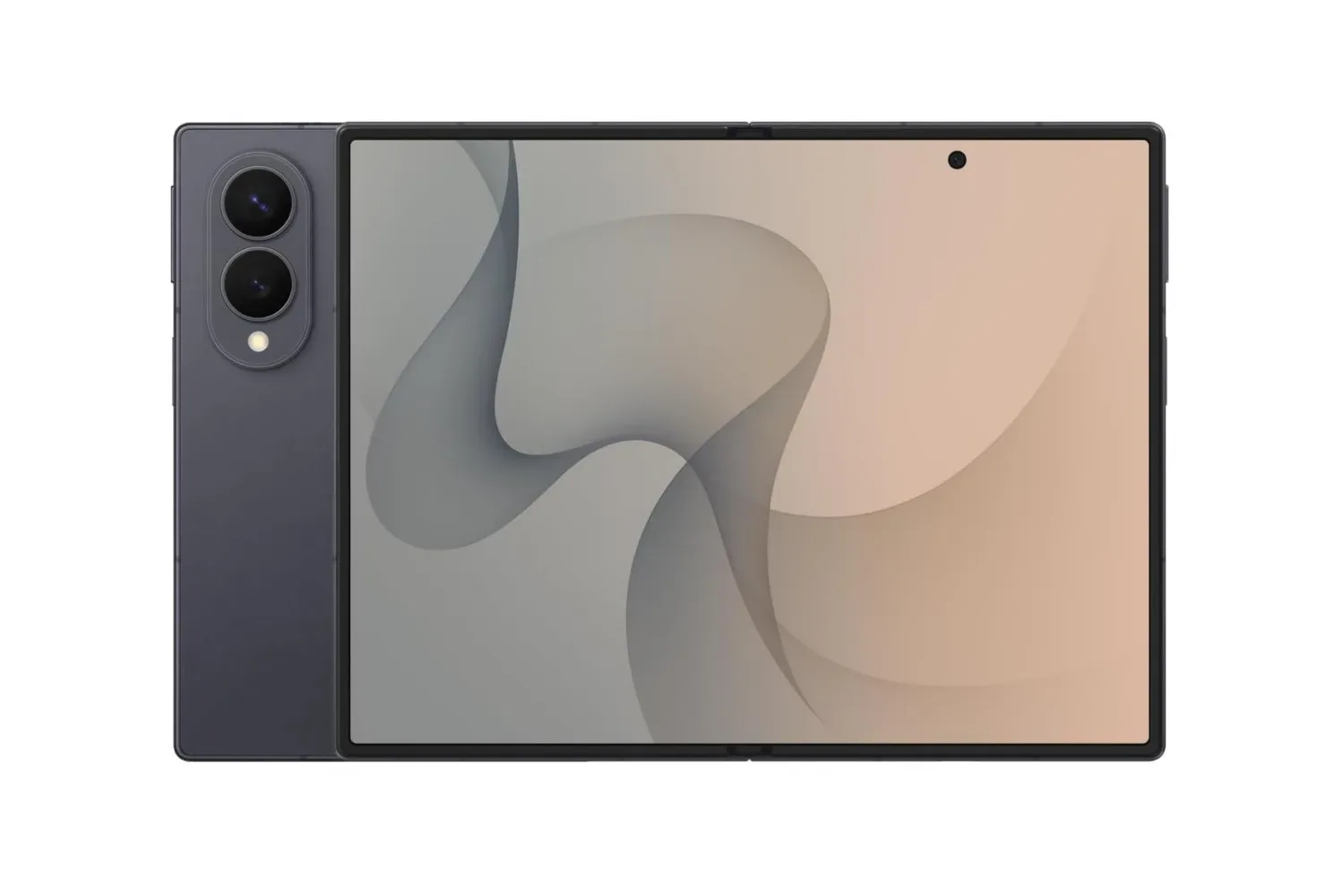
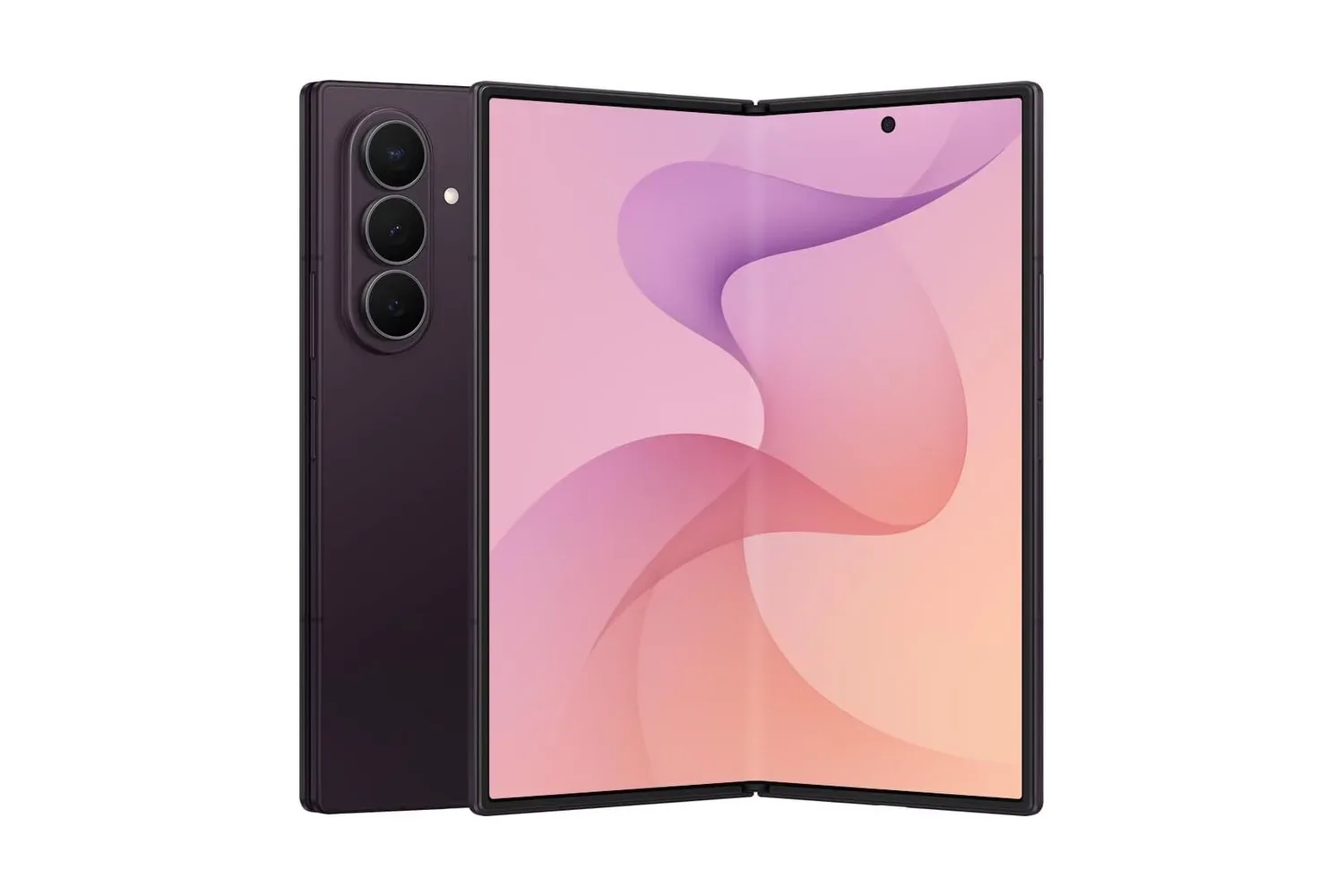
Samsung’s Galaxy Z Fold8 Ultra is currently listed at $1,750 for the unlocked 256GB version during Black Friday week, down from $2,100. That is a substantial $350 reduction for a device whose central pitch is not merely being a phone that folds, but being a pocketable phone that can become an 8-inch gaming and multitasking display.
The price also lands below the $1,999 starting price stated for Apple’s iPhone Duo, released in October. That is not a clean like-for-like comparison: the Fold8 Ultra’s draw is its folding form factor and tablet-sized inner panel, rather than simply its place at the premium end of the phone market. Still, it puts a very expensive category of device into a different purchasing conversation for anyone who values screen space for games, streaming, photos, and split-screen work.
As with any limited retail promotion, the listed price and stock can change. More importantly, a discount does not make a $1,750 device an impulse purchase. The useful question is whether the Fold8 Ultra’s distinctive hardware meaningfully changes how someone plays and uses their phone compared with a conventional flagship.
An 8-inch answer to a familiar mobile gaming problem
On a standard phone, mobile game interfaces have to negotiate for the same small area. The game world, maps, health bars, chat windows, inventories, and virtual controls can all compete for room. In many touch-controlled games, the player’s thumbs then obscure part of the display while they use it.
The Galaxy Z Fold8 Ultra takes a different approach. Folded shut, it has a 6.5-inch cover display intended to operate like a normal premium smartphone screen. That is the practical mode for messages, general phone tasks, and a quick match when opening a larger device is unnecessary. When unfolded, its 8-inch main display has the footprint of a small tablet.
For games with on-screen controls, the extra space can allow those controls to sit farther from the central action. That does not turn virtual buttons into physical controls, and it will not automatically make every mobile game’s layout ideal. But it directly addresses the cramped layout problem that can make strategy titles, games with dense menus, and streamed console-style games hard to read or manipulate on smaller screens.
Cloud streaming is especially relevant to this design. In cloud gaming, the game itself runs on remote hardware and its video is delivered to the player’s device over an internet connection; the phone is primarily displaying the stream and sending player input back. A bigger inner screen can make the presentation feel less constrained, although stream quality remains dependent on the connection. The Fold8 Ultra’s large panel improves the available viewing area, not the reliability of a network.
Performance and memory: what the specifications indicate
Samsung equips the Fold8 Ultra with a Snapdragon 8 Elite Gen 5 for Galaxy processor and 12GB of RAM. The processor is the device’s primary computing chip, handling tasks including game processing and graphics workloads. RAM is short-term working memory: it helps a device keep active apps and game data available without constantly reloading them.
Related coverage includes Galaxy Z Fold8 Ultra Falls to $1,750 During Black Friday Week.
Samsung positions this as the most advanced chip used in its Z series. On paper, that pairing is aimed at demanding mobile games and the broader multitasking expected of a large foldable. The key practical distinction is not simply that a game can launch; high-end phone hardware is designed to provide capacity for intensive graphics and for switching among active applications with less friction.
The Fold8 Ultra can split the inner display among up to three apps at the same time. For a player, that could mean keeping a game open beside a chat app and a guide, rather than repeatedly bouncing between full-screen windows. That is a particularly natural use of an 8-inch panel, where a full-sized game and supporting information have a better chance of remaining legible together. Players looking up objectives, builds, maps, or collectibles may appreciate having reference material nearby, including a guide such as this GTA 6 Transgressor locations walkthrough.
Samsung also says its AI can suggest apps a user may want next. That is a convenience feature, not a substitute for the three-app layout itself. Its value will depend on whether the recommendations consistently reflect a person’s habits rather than interrupting them with unwanted prompts.
Screen brightness, battery capacity, and the long-session balancing act
Samsung calls the Fold8 Ultra its brightest Galaxy phone display. Brightness matters outside and near bright windows because ambient light can wash out a screen, making game details, text, and controls harder to see. The company specifically frames the benefit around situations such as travel or playing outdoors.
It also includes a 5,000mAh battery, described as the largest Samsung has put in a Fold. Milliamp-hours, written as mAh, are a battery-capacity measurement rather than a direct promise of screen-on time. Actual endurance changes based on display brightness, the game being played, wireless connectivity, background apps, and whether a player is streaming. An 8-inch display can invite longer sessions, but it also gives the battery more display area to support.
Samsung’s inclusion of Super Fast Charging 2.0 is therefore notable as part of the device’s intended routine: a large-screen phone is more useful for gaming when a low battery does not force a long interruption. The supplied details do not state charging times, so buyers should not assume a particular percentage or duration from the feature name alone.
A very thin, 214-gram foldable—on paper
Despite the expanded screen and 5,000mAh battery, Samsung lists the Fold8 Ultra at about 4mm thick when opened, under 9mm when folded, and 214 grams in weight. Those figures speak to the core foldable proposition. A small tablet is useful, but most people would not keep one in the same pocket as their normal phone; the Fold is trying to combine both roles in one item.
The slim unfolded measurement is especially relevant when holding the phone like a tablet. Meanwhile, the folded form preserves a narrower 6.5-inch-screen phone for everyday use. Whether 214 grams feels comfortable is personal, particularly during extended gaming, but the number gives prospective owners a concrete point of comparison against other devices they already carry.
The compromise inherent in the category remains simple: folding hardware offers more usable display area without requiring a separate tablet, but the purchaser is paying for specialized engineering. The current reduction changes the price, not the fact that this is a flagship purchase aimed at people who will regularly use both modes.
The camera case is separate from the gaming case
Gaming is only one part of Samsung’s argument for the Fold8 Ultra. The phone has a 200MP main camera sensor and an upgraded 50MP ultra-wide camera. Samsung describes the main sensor as the best it has put in a foldable. The large inner display also gives the user more room to frame, inspect, and review photos than a conventional phone screen.
Samsung’s Super Steady Video with Horizontal Lock is designed to keep video level while moving. For people recording gameplay-adjacent trips, events, or everyday clips, that may matter more than raw megapixel figures alone. A megapixel count measures image resolution, but it does not by itself define every aspect of photo or video quality.
These camera specifications strengthen the Fold8 Ultra’s all-in-one appeal, but buyers primarily seeking a handheld gaming display should separate their priorities. The bigger screen, high-end processor, memory, and multitasking tools make the direct gaming case. The cameras make the device more plausible as the only premium phone someone carries.
Who the $1,750 Fold8 Ultra makes sense for
The Fold8 Ultra appears best suited to a particular type of buyer: someone who already uses their phone for games, streamed titles, video, chat, guides, and general productivity, and who would genuinely benefit from switching between a 6.5-inch phone screen and an 8-inch inner screen.
- Strategy and interface-heavy mobile players may value extra room for the game board, text, menus, and touch controls.
- Cloud-streaming players may prefer the larger display, while recognizing that network quality still determines the streaming experience.
- Multitaskers have the clearest non-gaming reason to consider it, since up to three apps can share the inner screen.
- iPhone owners considering Android have Samsung’s switching tools for transferring photos, contacts, and passwords, alongside Samsung Wallet support for payment cards, boarding passes, and digital IDs.
Conversely, someone who mostly plays short, simple games, rarely watches video on a phone, and has no use for split-screen apps may not unlock enough value from the folding display to justify the remaining premium. The 6.5-inch cover screen is built to handle ordinary phone duties, but the reason to choose this model is the 8-inch panel inside.
At $1,750, the Galaxy Z Fold8 Ultra is still a top-tier device. What the Black Friday-week price does is make Samsung’s first Ultra foldable less expensive than the stated entry price of the iPhone Duo while preserving its biggest differentiator: one device that shifts from a normal phone into a much larger gaming and multitasking screen.
Shop the products
Check current price, model and availability at the retailer.