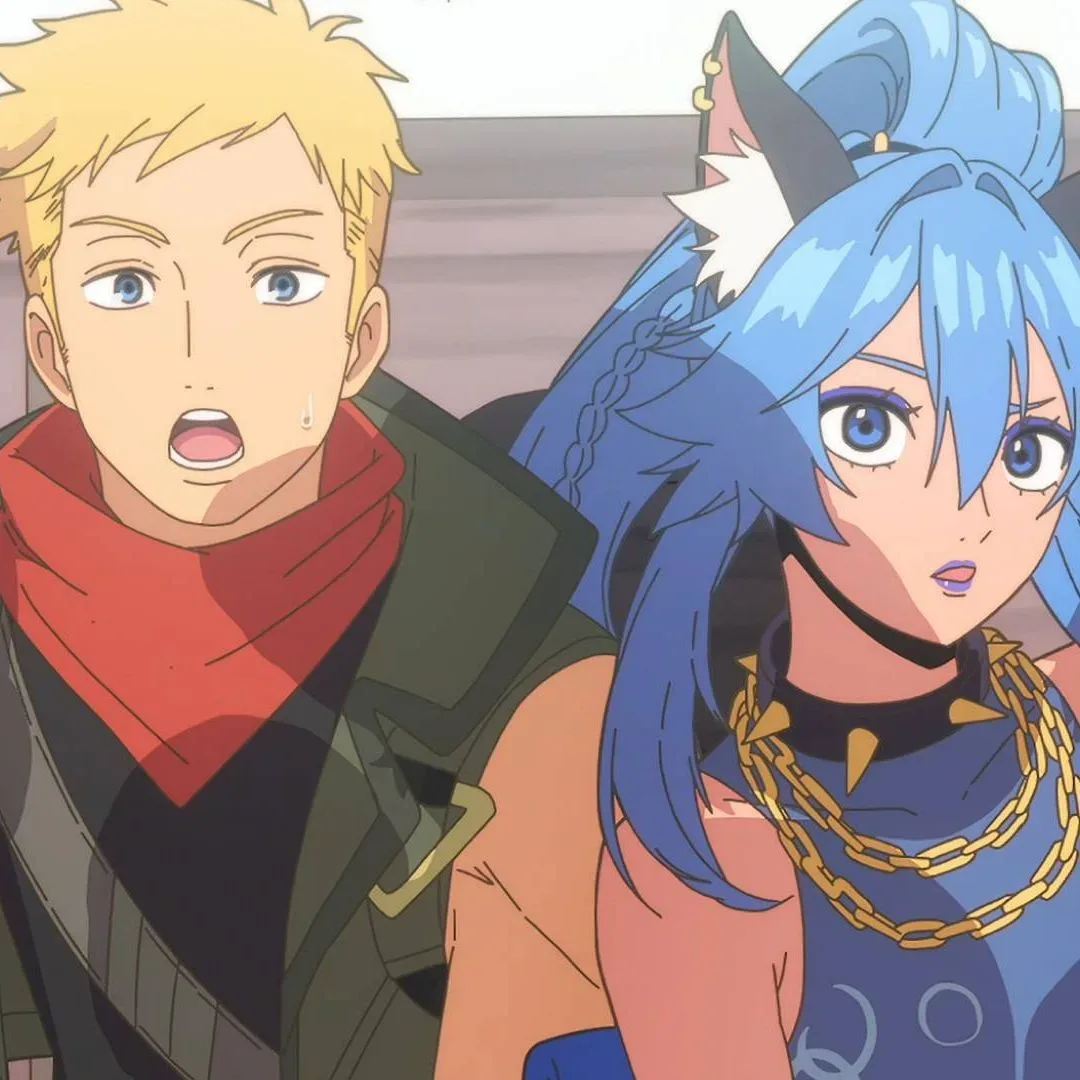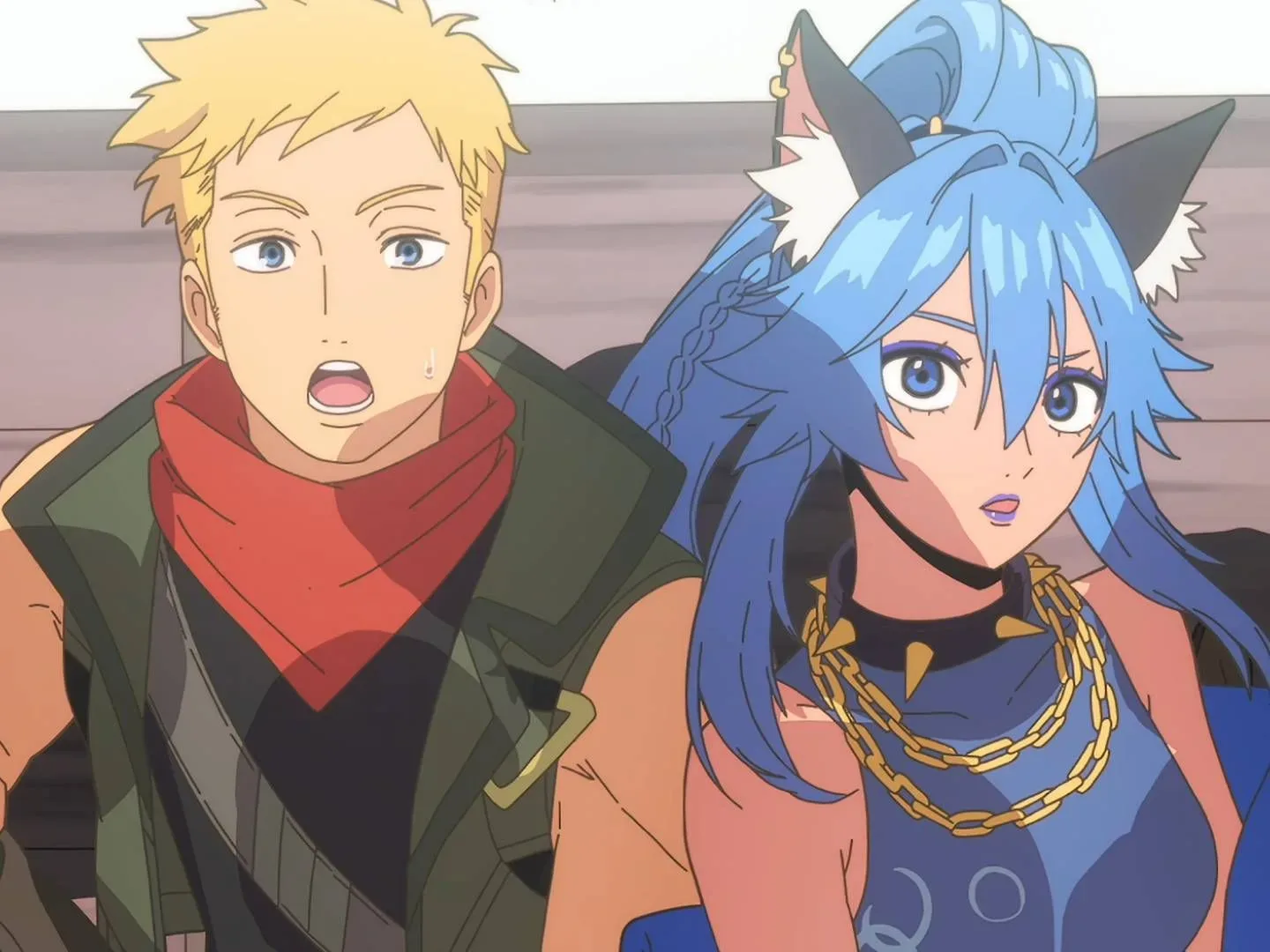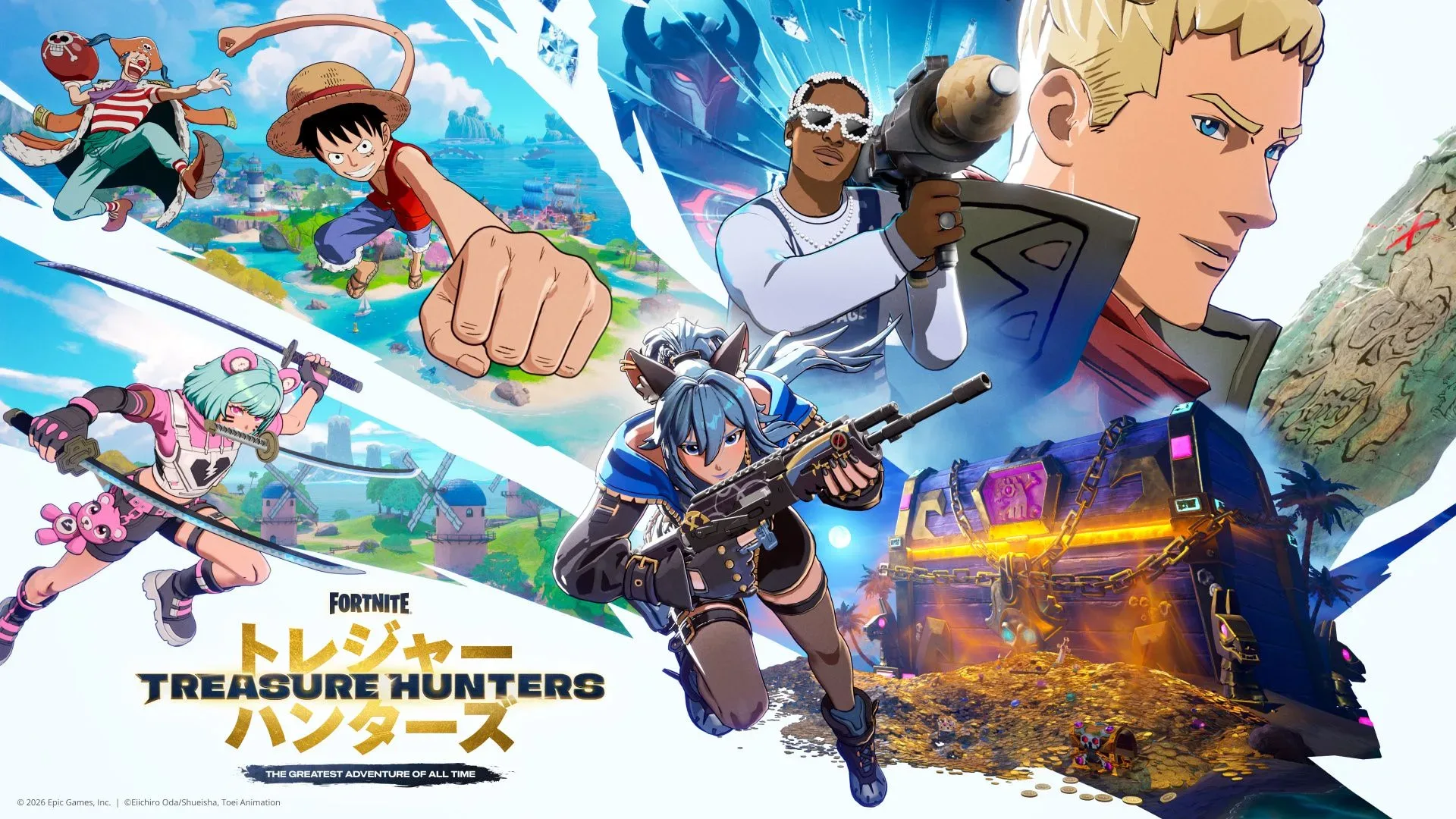
Fortnite’s Treasure Hunters mini-season has introduced a reward with an eye-catching premise: find a Pirate Shop Access token in a chest, then claim eligible Item Shop items for free for 14 consecutive days. The catch is appropriately pirate-grade—these tokens appear to be extraordinarily rare, their drop odds have not been disclosed, and early player reports describe opening huge numbers of chests without finding one.
The season began on November 1 and is scheduled as a shorter, month-long event. Pirate Shop Access is not a normal purchase, quest reward, or guaranteed progression track. It is a chance-based bonus that can appear while opening chests for ordinary match loot such as weapons and healing supplies. When it appears, the game presents a gold notification stating that Pirate Shop Access has been found.
One lucky discovery awards two tokens: one usable during a specified window this year, and another tied to a window in 2027. Each grants a 14-day run of eligible free claims. That structure makes the prize unusually large in potential value, but it also means players should distinguish what the tokens actually provide from the much broader claim that they unlock every Fortnite cosmetic ever released. They do not.
What Pirate Shop Access lets players claim
During an active 14-day access period, a token holder can claim almost all eligible items that appear in Fortnite’s Item Shop without spending V-Bucks. That can include individual cosmetics and bundles, covering the kinds of items players normally associate with the shop: outfits, emotes, and other rotating offerings.
V-Bucks are Fortnite’s in-game currency, generally used for cosmetics and other digital-shop purchases. Pirate Shop Access effectively waives that V-Buck cost for qualifying shop listings during its active period. It is not a currency grant, however, and it does not convert into a balance that can be saved, transferred, or spent outside the token’s rules.
The practical limit is Fortnite’s rotating Item Shop. Its selection changes over time, so a player with access can claim what is available on each day of their 14-day window—not browse an unlimited catalogue of every outfit, collaboration item, or emote that has ever existed. An item absent from the shop during that stretch remains unavailable through the token.
That makes timing matter, though only in the ordinary sense of monitoring the shop rotation. Players who already own much of the current stock may get less from the reward than players with sparse lockers, while a particularly busy run of daily listings could make the access period substantially more useful. It is also why the prize’s value cannot be pinned to one universal dollar figure: it depends on what arrives in the shop, which items are eligible, and what the recipient already owns.
The stated exclusions
There are meaningful exceptions to the free-claim rule. Pirate Shop Access does not cover real-money offers—items that require actual cash rather than V-Bucks—and it does not cover Battle Pass levels. Token holders are also limited to one free Sidekick that they do not already own.
Related coverage includes Fortnite Pirate Shop Access Tokens Offer 14 Days of Free Item Shop Claims.
Gifting is disabled for these free claims. That restriction is important. Without it, a rare personal reward could be used to supply cosmetics to an entire friends list, multiplying the impact far beyond the player who found the token. Instead, the benefit stays with the account that earns access.
- Included in principle: eligible Item Shop cosmetics and bundles appearing during the active 14-day period.
- Not included: real-money offers and Battle Pass levels.
- Sidekick limit: one free Sidekick not already owned.
- Not permitted: gifting free claims to other players.
- Not a complete back catalogue: only items that rotate into the shop during the access window can be claimed.
The distinction between V-Bucks shop listings and real-money offers is especially worth keeping in mind. Both can sit within Fortnite’s broader commercial ecosystem, but they are not treated the same way by this reward. A player should read an item’s purchase requirements before assuming Pirate Shop Access will cover it.
The actual obstacle is the undisclosed drop rate
Fortnite has not published the odds of getting Pirate Shop Access from a chest. That missing number is the central fact for anyone thinking about spending the season chasing it. The prize may be capable of delivering a remarkable haul, but no player can calculate a realistic time commitment, estimate how many chests they need, or know whether a particular strategy improves their chances.
Reports circulating early in the season show players opening hundreds or even thousands of chests without the reward appearing. Those accounts are not a substitute for a verified drop-rate table; they cannot establish exact odds, prove a cap, or show that a player is close to success. They do illustrate the reward’s apparent scarcity and the danger of treating it as something a diligent player is entitled to receive.
In technical terms, this is a random drop: a reward determined by chance when a chest is opened. Unless the game specifies otherwise, players should not assume that repeatedly missing raises the likelihood of the next chest containing a token. There is no stated pity system, guaranteed threshold, or visible progress meter for Pirate Shop Access. A pity system is a mechanic that increases odds or guarantees a reward after enough unsuccessful attempts; none has been confirmed here.
That uncertainty changes the sensible way to approach Treasure Hunters. Opening chests while playing matches normally is one thing. Restructuring a month of play around an ultra-rare roll is another. The former can make a surprising payoff feel like a bonus; the latter can turn a reward intended to be exciting into a frustrating target with no known finish line.
The appealing part of Pirate Shop Access is easy to understand: a successful find unlocks two separate 14-day periods of eligible free shop claims. The hard part is equally plain: there is no published evidence that any given player can reasonably expect to find it.
Squads may make every chest feel more meaningful
One confirmed wrinkle gives teams a reason to pay attention. If a player finds Pirate Shop Access while playing in a squad, duo, or trio, the reward is granted to everyone in that group. In other words, the lucky chest benefits the full active team rather than only the player who opens it.
That does not mean a group can force the drop, and it does not establish that parties receive better odds per chest. It simply means the result is shared if it occurs. The difference is social rather than mathematical based on the information available: friends can play together and all receive the access after one qualifying discovery.
For teams that would already be playing the mini-season, that shared outcome is a meaningful upside. Every chest opened by a teammate carries the same possible group payoff. But it remains important not to convert the sharing rule into a claim that group play makes Pirate Shop Access easier to obtain. No confirmed drop-rate comparison between solo and team play has been provided.
Other Treasure Hunters rewards are in the mix
Pirate Shop Access is not the only rare reward available through the season’s chest-related system. The reward pool also includes a golden A$AP Rocky outfit and pickaxe, along with a loading screen, vehicle, Jam Track, and additional items. Those prizes give chest openings more than one possible special outcome, even for players who never encounter the headline token.
A Jam Track is Fortnite’s music-focused cosmetic content, while outfits and pickaxes are familiar cosmetic categories that change a player’s appearance or harvesting tool without changing competitive combat strength. The listed rewards are therefore aimed at collection and expression rather than providing a gameplay advantage.
Treasure Hunters also arrives with the long-awaited One Piece collaboration, making the season heavily focused on collectible-style engagement. But Pirate Shop Access stands apart from a conventional collaboration reward because its payoff is not one predetermined item. It is temporary access to a stream of eligible Item Shop claims, subject to daily rotations and exceptions.
Why this kind of reward can hold attention without being guaranteed
The design is striking because the reward is both exceptionally valuable and highly uncertain. A straightforward free giveaway asks players to log in, complete a task, or claim an item. Pirate Shop Access instead turns a routine action—opening a chest—into a lottery-like moment. Most chests will produce regular match supplies, but every chest can also carry the possibility of a dramatic account-wide shopping benefit.
That is likely to keep the discussion around chest openings alive throughout the month-long season, especially while players compare close calls, track their luck, and organize matches with friends. It also creates a clear reason to stay engaged with Fortnite’s ordinary match loop rather than merely visiting the store. Yet the lack of published odds should temper the excitement. The reward can be huge without being a dependable route to a huge cosmetic collection.
The timing is notable, too. Treasure Hunters launched November 1, while Grand Theft Auto VI is set to launch November 19. Fortnite does not need to frame Pirate Shop Access as a direct answer to any other game for players to recognize the value of a limited-time, high-conversation reward during a crowded release period. A short mini-season built around a major collaboration, rare drops, and a chance at two free shop-access periods gives returning players several reasons to check in.
For Fortnite regulars, the clearest practical takeaway is modest: play the season if its normal modes and rewards appeal to you, open chests as part of that play, and treat Pirate Shop Access as a jackpot rather than a plan. If it arrives, inspect the eligibility rules, note the activation windows attached to each token, and keep an eye on the Item Shop throughout the 14-day period. If it does not, the undisclosed odds mean that absence is not evidence that a player has done anything wrong—or that one more marathon chest route will finally settle the score.
That measured approach matters because Fortnite’s digital cosmetics are driven by rotation and availability as much as desire. Pirate Shop Access can potentially turn two weeks of those rotations into an extraordinary free-claim run. It cannot guarantee the specific outfit someone wants will appear, cannot unlock cash-only listings, and cannot be handed out to friends through gifting. Its promise is enormous, but its real shape is narrower: a rare chance to claim eligible daily shop items at zero V-Bucks cost, twice, for the players fortunate enough to see the gold popup.
Players looking at the broader state of gaming hardware costs may also want to read why PC RAM prices have become a boss fight, even for older DDR4 kits. In Fortnite, at least, the season’s most attention-grabbing offer is not about spending more—it is about whether chance ever lets you spend nothing.