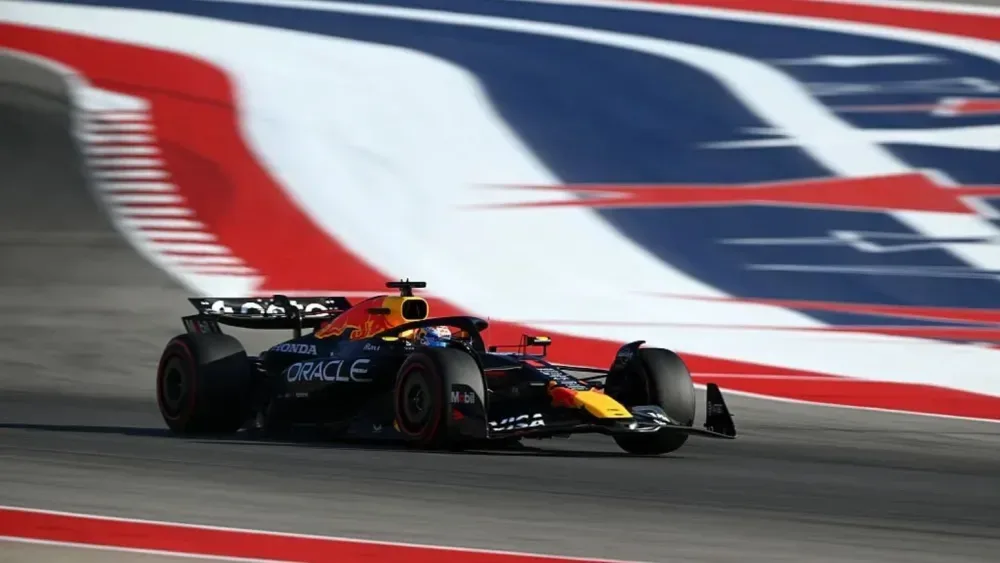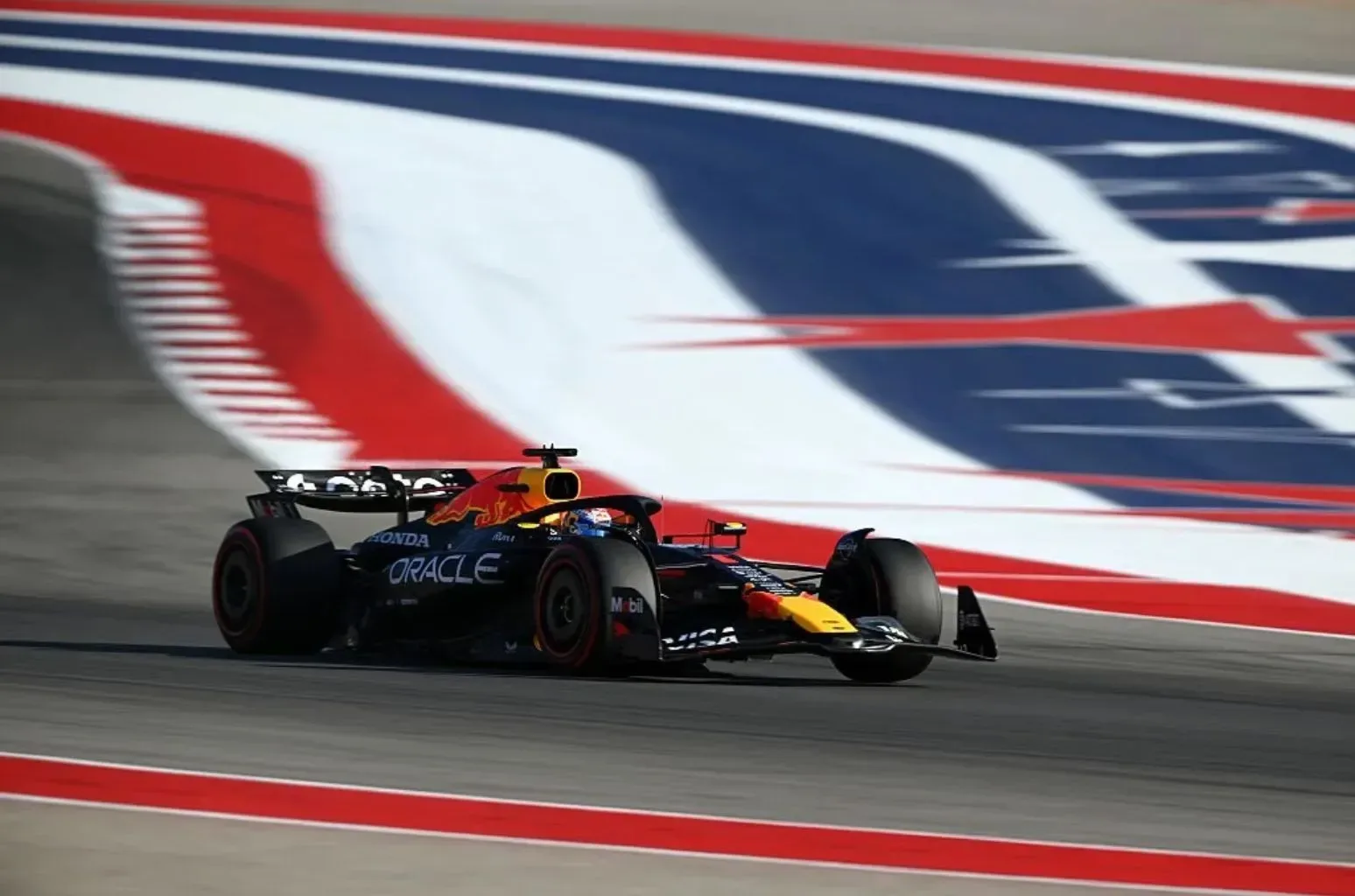
The 2026 Formula 1 United States Grand Prix is scheduled to bring Round 18 of the season to Circuit of the Americas in Austin, Texas, across Oct. 23-25. The weekend has meaningful championship pressure attached: Mercedes driver Andrea Kimi Antonelli arrives following the Singapore Grand Prix with 340 points after 17 races.
A victory in Austin would make Antonelli the youngest Formula 1 World Champion at age 20, based on the championship scenario presented in the event information. Even if that result does not arrive in Texas, the same picture places him in a strong position to secure the title later in the season. That makes every scheduled session—not just Sunday’s race—a consequential part of the weekend for viewers following the title battle.
2026 United States Grand Prix schedule
All listed times below are in U.S. Eastern Time and Pacific Time. Practice begins Friday, while qualifying takes place Saturday before the Grand Prix itself on Sunday.
- Friday, Oct. 23 — Practice 1: 1:30 p.m. ET / 10:30 a.m. PT
- Friday, Oct. 23 — Practice 2: 5 p.m. ET / 2 p.m. PT
- Saturday, Oct. 24 — Practice 3: 1:30 p.m. ET / 10:30 a.m. PT
- Saturday, Oct. 24 — Qualifying: 5 p.m. ET / 2 p.m. PT
- Sunday, Oct. 25 — United States Grand Prix: 4 p.m. ET / 1 p.m. PT
For fans in Austin, the supplied times correspond to Central Time one hour earlier than the Eastern listings: 12:30 p.m. and 4 p.m. on Friday, 12:30 p.m. and 4 p.m. on Saturday, and 3 p.m. for Sunday’s race. The event itself is held at Circuit of the Americas, so the local-time conversion is particularly useful for anyone coordinating a watch party around the main event.
What is at stake for Antonelli in Austin?
Formula 1 titles are determined over a season by accumulated points rather than a single elimination-style race. That basic structure is why a driver’s lead entering a Grand Prix can be important even when the championship is not mathematically decided on that particular Sunday. Antonelli’s reported total of 340 points after 17 rounds puts the focus squarely on Austin as the calendar reaches its 18th race.
The possible record adds another layer to the normal U.S. Grand Prix drama. A championship-clinching win would give the weekend historical significance beyond the individual race result. But it is worth separating the two ideas: winning at Circuit of the Americas and formally sealing a championship are related only through the points situation. A driver can finish a weekend still leading the standings without taking the title that day, depending on the results elsewhere in the field.
That distinction matters for viewers deciding which sessions to catch. Sunday settles the race result, but qualifying establishes the starting order, while the three practice sessions offer teams and drivers time to prepare for the circuit. In a title-contending weekend, the build-up can be nearly as relevant as the final lights-out moment.
Apple TV coverage listed for the 2026 season
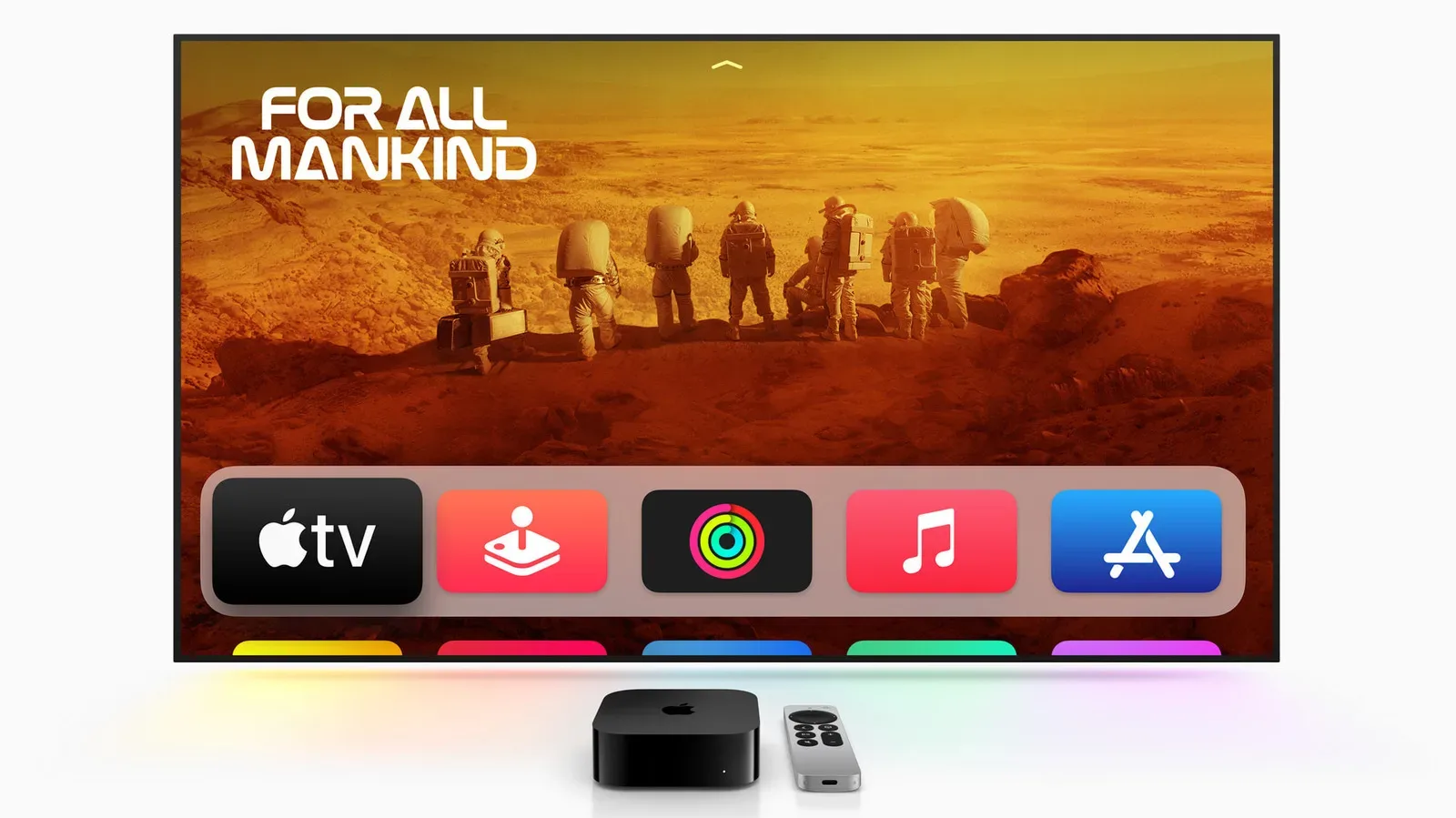
Apple TV is listed as the streaming home for every F1 race during the 2026 season, including the United States Grand Prix and the Las Vegas Grand Prix. The listed package includes more than the Sunday races: warmups, practices, qualifying coverage, post-race analysis, highlights, driver profiles, interviews, team information and replays are also included.
Related coverage includes F1 United States Grand Prix 2026: Start Times and Apple TV Viewing Guide.
The service is also listed as carrying the Grand Prix livestreams without blackouts, with availability notes applying to U.S. TV markets for Drive to Survive. Because streaming rights, device support and regional access can change, viewers should confirm the current terms and local availability in their Apple TV account before relying on a specific feature for race weekend.
A seven-day Apple TV trial is listed as an option for eligible new or returning subscribers. After that period, the stated subscription pricing is $14.99 per month or $119 per year. A free trial is not the same as a permanent free broadcast: it is a time-limited promotional access period, so viewers should check renewal details and cancellation requirements when signing up.
What the video and audio terms mean
The scheduled broadcasts are described as using 4K Dolby Vision and immersive 5.1 surround sound, with Dolby Atmos audio debuting during the United States Grand Prix weekend. These labels describe presentation formats, rather than a guarantee that every viewer will receive the identical result.
- 4K refers to a high-resolution video format. To see it as intended, a viewer generally needs compatible streaming hardware, a compatible display and sufficient internet bandwidth.
- Dolby Vision is a high-dynamic-range video format designed to improve the range between very bright and very dark areas, along with color presentation, on supported displays.
- 5.1 surround sound refers to audio mixed for five main speaker channels plus a low-frequency effects channel.
- Dolby Atmos is an audio format that can add height and positional information when supported by the playback chain. A compatible television, soundbar, receiver, headphones or device may be needed to access the relevant audio option.
In practical terms, a viewer using a phone, standard stereo television speakers or a non-compatible streaming device may still be able to watch the race, but may not receive the top listed picture or sound formats. Checking the Apple TV app’s playback settings and a device’s specifications before the race is a sensible way to avoid discovering an incompatibility during the formation lap.
Multiview can make a full race weekend easier to follow
Apple’s listed Multiview feature can display as many as four live feeds at once during races. The benefit is not simply putting more images on screen; it is making it easier to follow different parts of an event without continuously switching streams. Formula 1 is particularly suited to that approach because a viewer may want to keep an eye on the main race feed while checking another live angle or stream.
There is a trade-off. Four feeds divide the available screen space, and small text or timing detail can become harder to read, especially on a smaller television or tablet. Multiview will therefore make the most sense for a large display or for viewers who value broad situational awareness over a single uninterrupted full-screen picture.
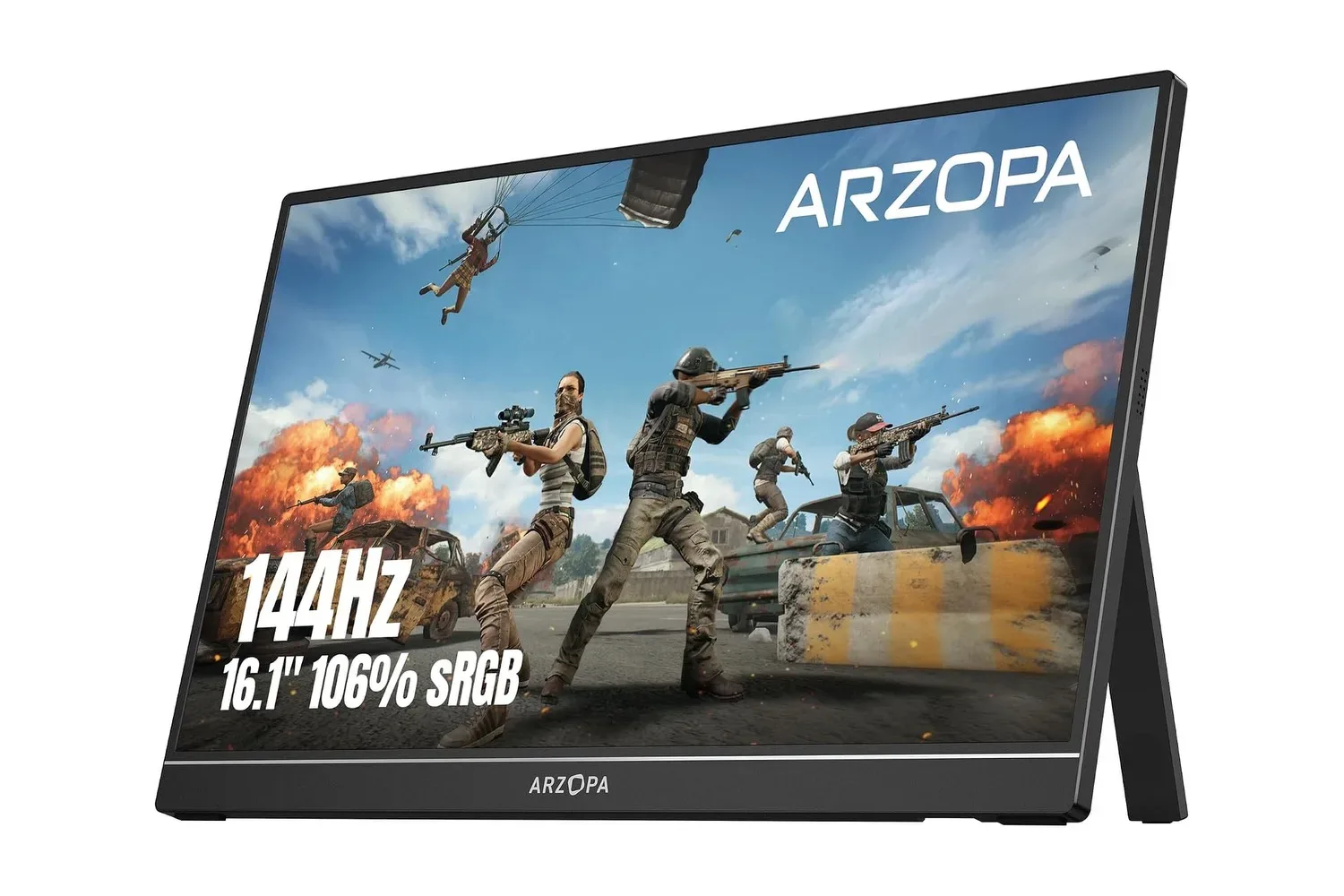
A second screen can also be useful for fans watching a race while keeping other coverage or weekend information nearby. Anyone considering that approach may find a portable monitor with USB-C and Mini HDMI connectivity relevant as a general companion-display option, provided their chosen streaming hardware supports the necessary output.
A simple viewing plan for the Austin weekend
- Confirm access before Friday. Sign in to the intended Apple TV account, check whether trial eligibility applies and verify local availability.
- Choose the sessions that matter most. Sunday is essential for the race result, but Saturday qualifying is the key session for the starting order. Friday practice offers the earliest on-track view of the weekend.
- Test the device setup. Update the streaming app, test the connection and verify whether the display and audio equipment support any desired 4K, Dolby Vision or Atmos options.
- Use Multiview selectively. A single full-screen feed may be best for the start and close racing; multiple feeds may be more useful when tracking the wider race situation.
- Remember the time zone. The race begins at 4 p.m. ET, 1 p.m. PT and 3 p.m. local time in Austin on Sunday, Oct. 25.
With Antonelli’s championship opportunity looming and all three days carrying scheduled on-track action, the United States Grand Prix offers a complete race-weekend arc rather than a Sunday-only appointment. The main practical decision for viewers is whether to tune in for the title-defining race alone or follow the practices and qualifying that shape the road to it.