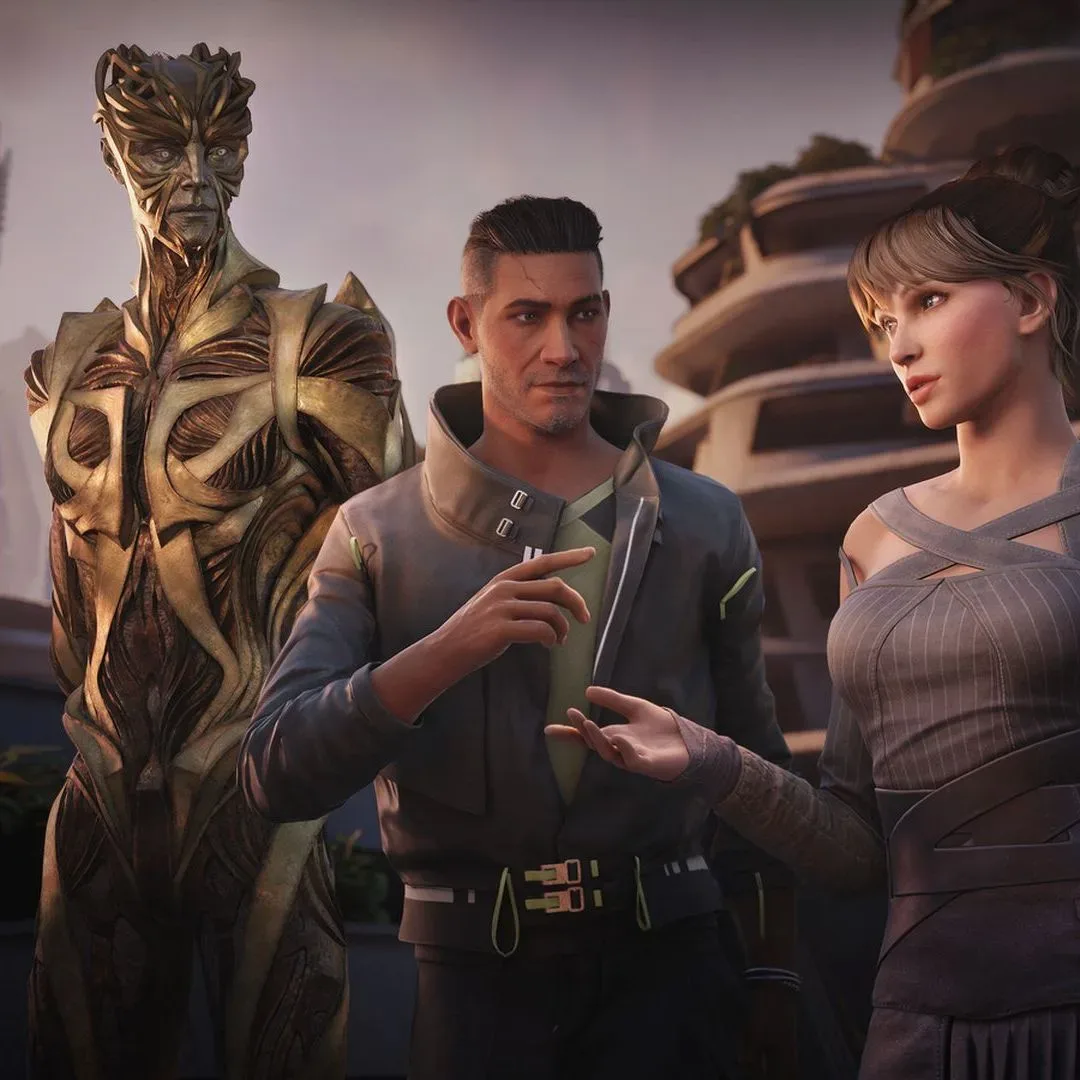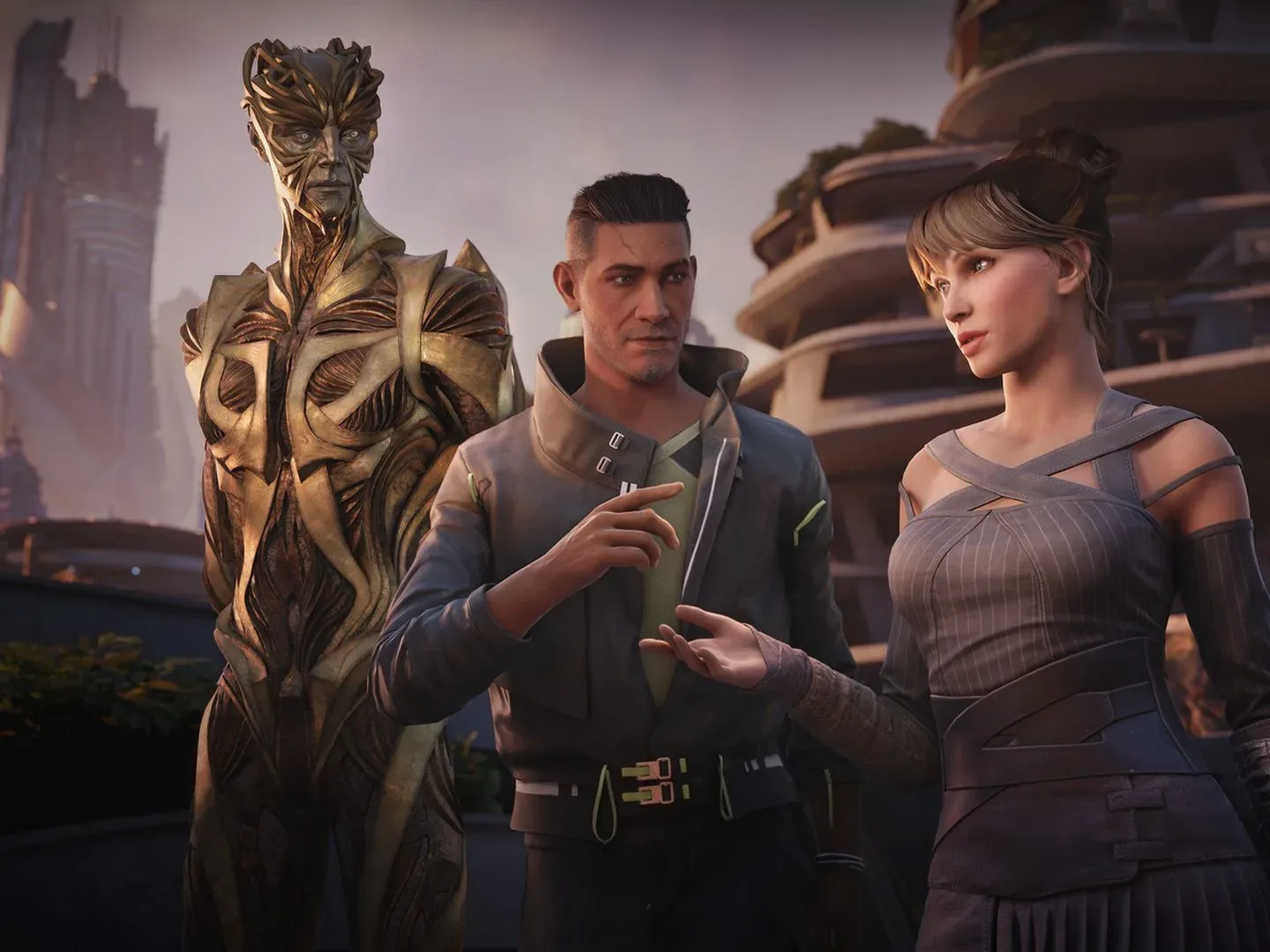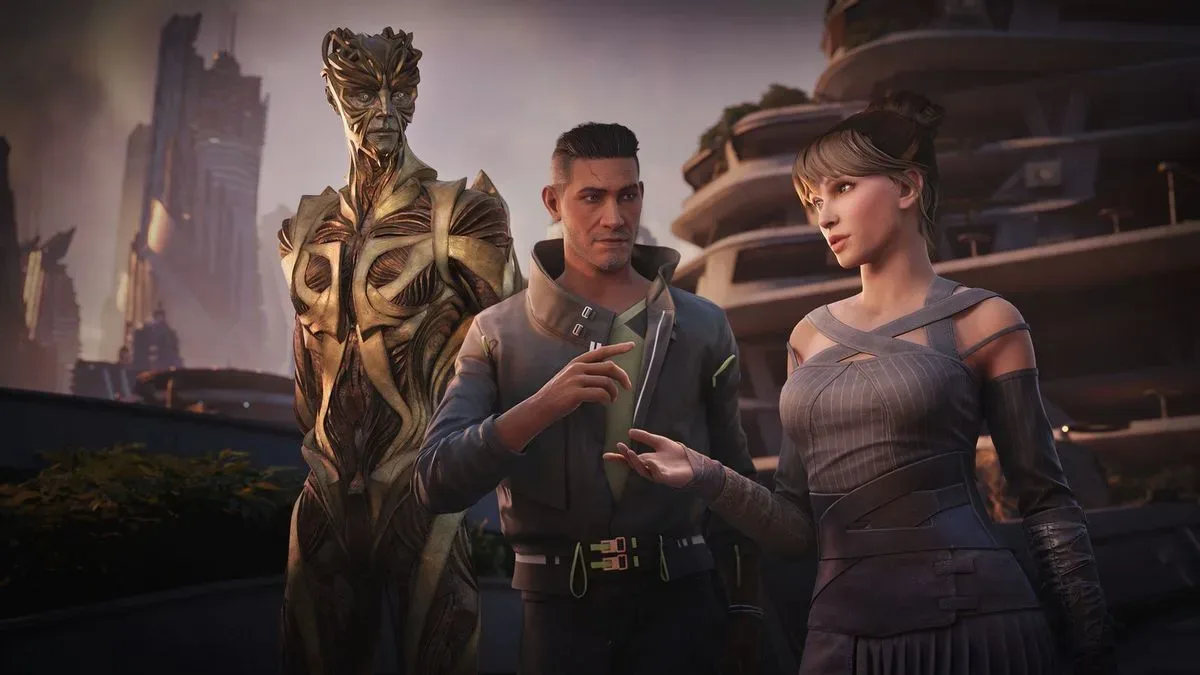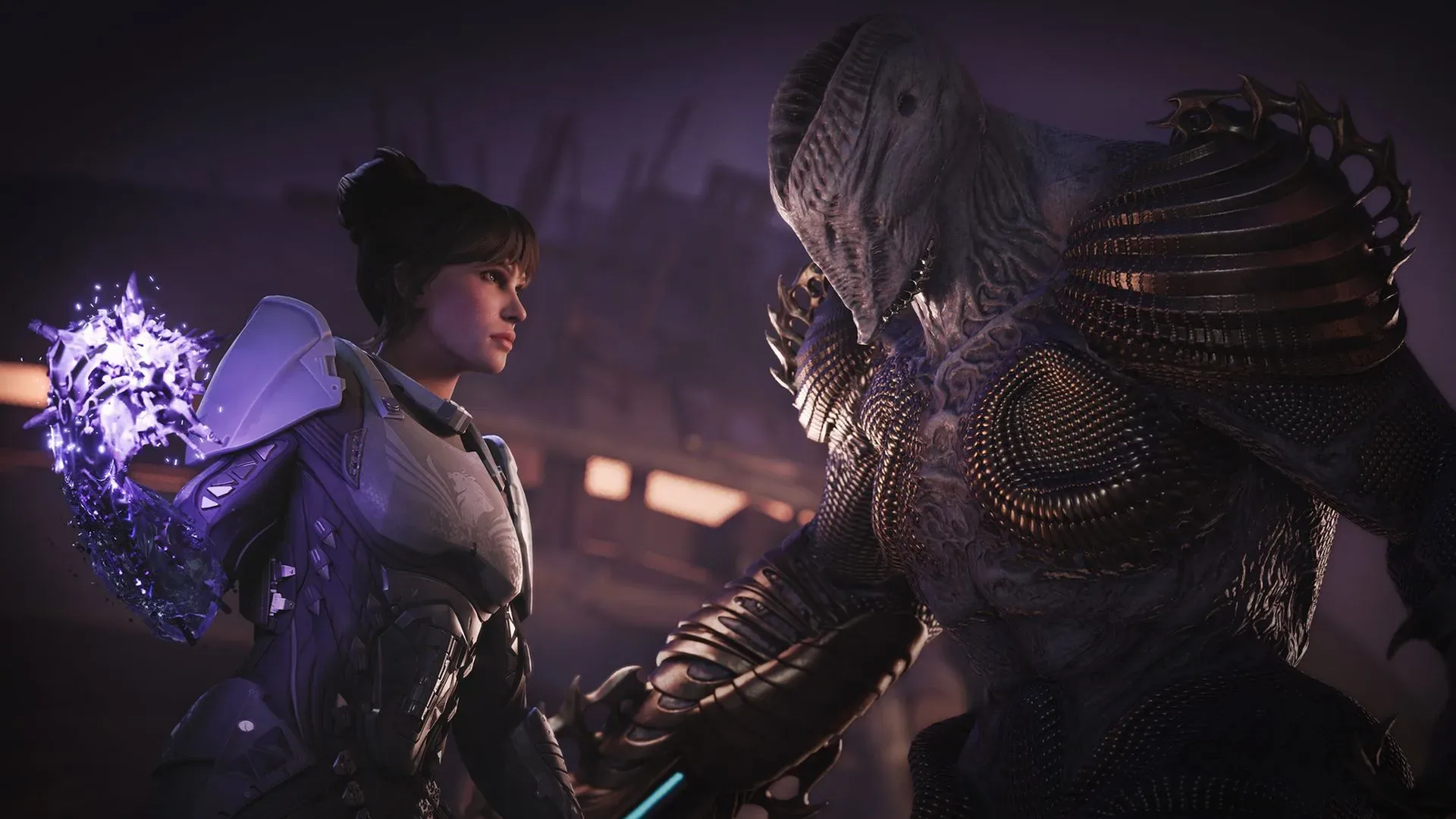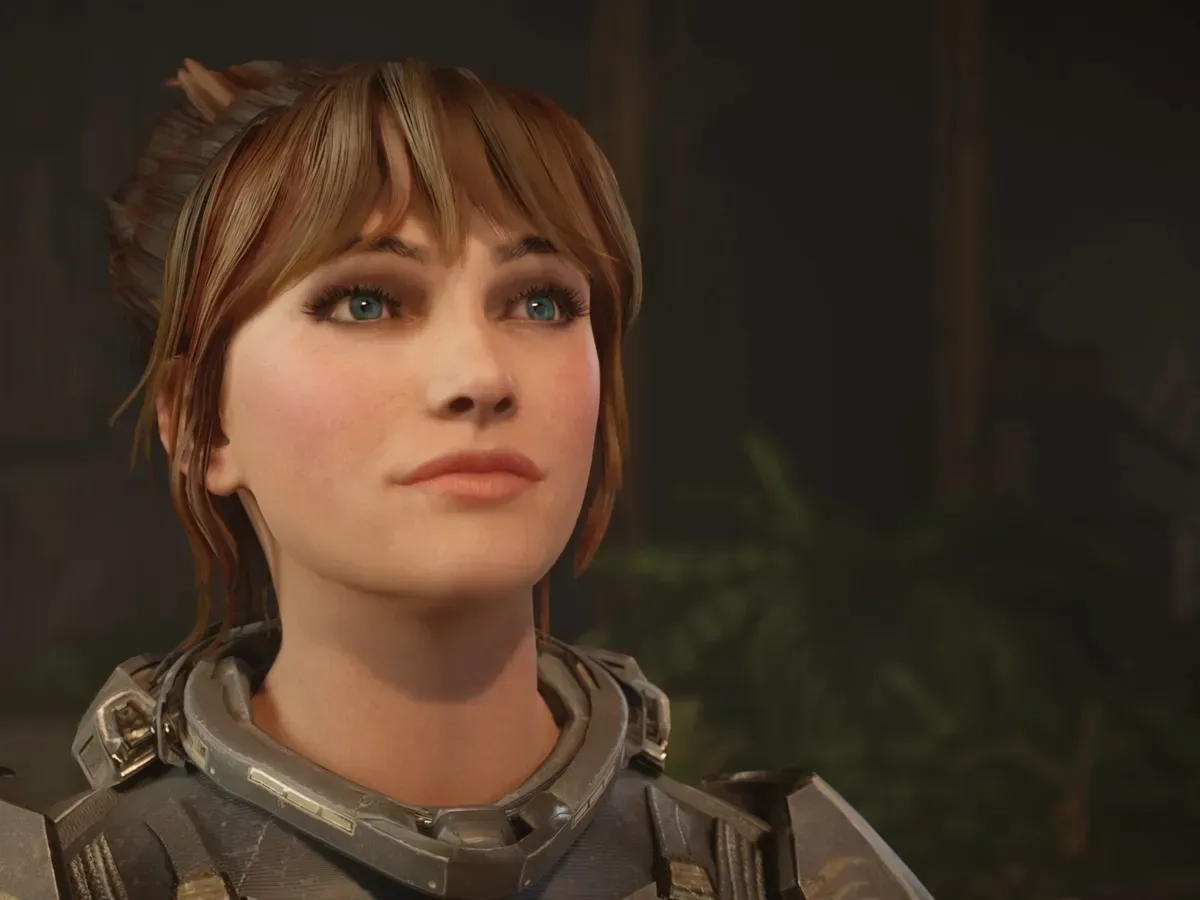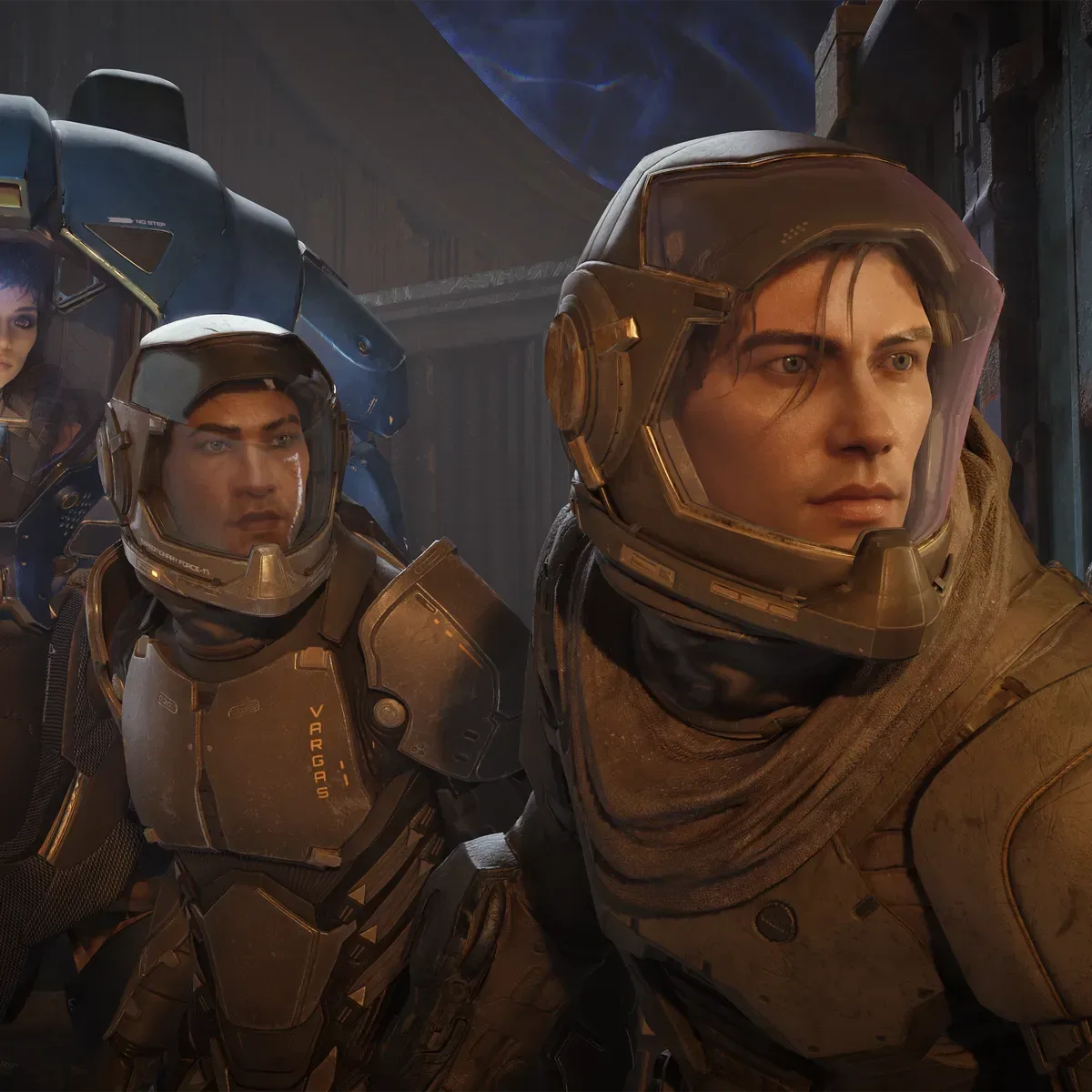
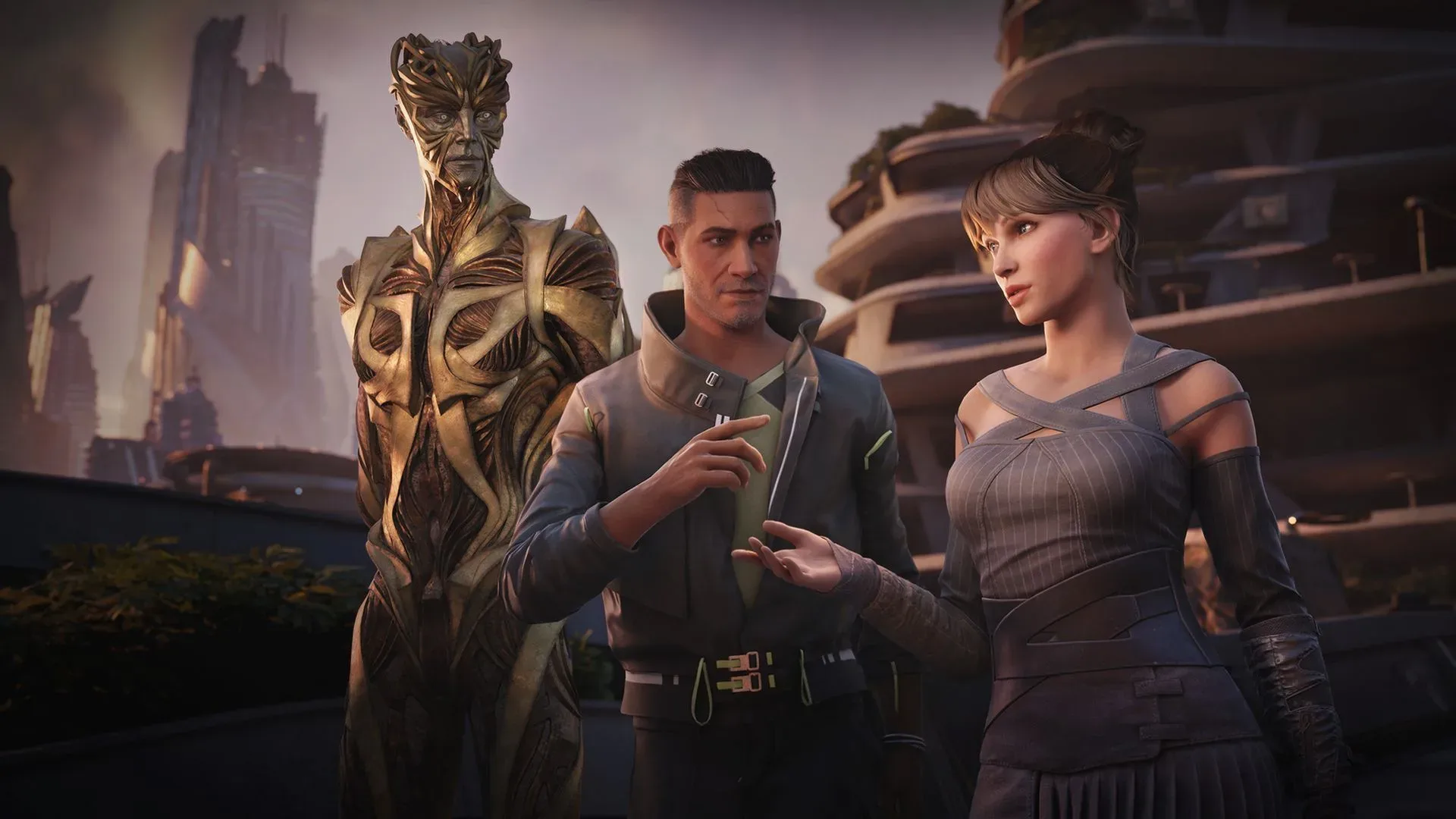
Exodus has put names to the performers behind its player-selectable protagonist. Stephen Oyoung will voice the male version of Jun, while Carina Conti will perform the female version, June. The casting news gives a clearer sense of who will carry the dialogue at the center of Archetype Entertainment’s science-fiction action RPG—and of how conscious the team is of the history surrounding it.
That history matters. Archetype includes senior developers James Ohlen, Drew Karpyshyn and Chad Robertson, all of whom previously worked at BioWare. With BioWare closed and Mass Effect 5 no longer moving forward, attention naturally lands on Exodus as a new space-focused RPG connected to veterans of Commander Shepard’s era. But a shared genre and shared professional lineage do not automatically make one game a replacement for another. Exodus has to establish its own character, world and dramatic stakes.
Its cast, at least, is approaching that responsibility with open eyes.
Two versions of Jun, two lead performances
The protagonist is called Jun, with the character’s presentation changing based on the player’s selected gender. Oyoung voices the male Jun and Conti voices the female June. The setup echoes a familiar role-playing-game convention: the player picks a version of the central character and then experiences the story through that choice.
That does not necessarily mean the two performances will be interchangeable in practice. A voiced protagonist is not just a set of lines read into a microphone. Performance affects a hero’s rhythm, emotional emphasis, humor, anger, vulnerability and response to the people around them. Even when dialogue writing and story beats are aligned, individual actors bring distinct cadence and interpretation. For players, that can make a second character option feel like more than a cosmetic menu decision.
There is already a related point of interest in the game’s premise: an earlier look at the project focused on the two Juns, branching decisions and time dilation. Readers looking for that wider framework can see how Exodus links its two Jun protagonists to choices and time dilation. Time dilation, in sci-fi terms, refers to time passing at different rates for different people or locations. It can create a particularly personal kind of consequence in a narrative RPG, because an action taken during one character’s lifetime may have repercussions elsewhere after far more time has passed.
Neither performer’s casting, by itself, answers how broadly Jun’s two forms will diverge in the game. Still, the announcement makes clear that each version has its own dedicated actor rather than treating one as an afterthought.
Who is voicing Jun?
Oyoung may be familiar to players as Mister Negative in Marvel’s Spider-Man games. His credits also include appearances in Mission: Impossible – Final Reckoning and Twisters. Conti’s game work includes Isabella Torrisi in Mafia: The Old Country, alongside screen credits in Winning Time and Little Death.
Related coverage includes Exodus Reveals Its Jun Voice Leads as Archetype Confronts Mass Effect's Shadow.
Those credits describe performers who have worked across games and screen productions, but they do not tell players exactly how Jun will sound. Nor should they. The relevant question for Exodus is whether the vocal performances fit the project’s own writing, characters and long-term emotional arc. A science-fiction RPG can ask a lead actor to cover very different modes: personal conversations, world-building exposition, urgent action scenes and choices whose consequences may be felt much later. The protagonist needs to remain recognizably human amid all of it.
Oyoung has acknowledged the scale of the inheritance the team perceives. He said the acting group felt that legacy immediately, pointing to the studio’s founders and wider talent. His description of being part of a “lineage” is telling: it recognizes the experience behind the team without pretending that a new game can simply inherit fans’ investment.
“We couldn’t help but feel the legacy from the very jump,” Oyoung said, adding that the acting cohort wanted to do justice to that lineage.
That is a more grounded framing than treating familiar developer résumés as a guarantee. Creative pedigrees can attract interest, but games earn attachment through their own characters and stories. For Exodus, Oyoung and Conti will be among the most immediate ways players encounter that work.
The Mass Effect connection is real, but the expectation is larger
Calling Exodus a spiritual successor is understandable given its space-RPG setting and the former BioWare developers in senior positions. “Spiritual successor” is an informal label, not a statement that two games share a literal continuity. It generally means that audiences see similarities in creative personnel, genre, tone or ambitions. It can be useful shorthand, but it can also become an expectation trap if players assume every familiar element will return in the same form.
The closure of BioWare and the end of Mass Effect 5 amplify that pressure. There is no future installment from that studio for fans to anticipate in the way they once might have. That leaves a gap in the genre landscape, but it does not give Exodus an obligation—or an ability—to recreate a specific series. Archetype’s opportunity is to build something that appeals to players who value character-driven space RPGs while still letting its own ideas stand on their own terms.
Conti’s comments speak to why that distinction is important. She noted that people have told her Mass Effect had saved their lives, and described its audience as a community rather than simply a franchise. Her response was not to claim Exodus had already achieved that kind of bond. Instead, she characterized the possibility of participating in something with similar meaning for people as humbling, exciting and encouraging.
“It’s truly a community rather than a franchise,” Conti said of Mass Effect’s impact. “It affects much more than just us.”
That is a sensible acknowledgement of the emotional stakes surrounding beloved RPGs. Players may remember not only plot points but companions, choices, conversations and the period of life in which they played. New games cannot demand that same relationship. They have to create room for it.
Why the lead casting matters now
For an RPG built around player choice, the protagonist’s voice can become a major anchor. Players may spend dozens of hours listening to that character react to danger, loss, discovery and the consequences of decisions. Casting is therefore both a narrative choice and a practical signal: it tells audiences whose performance will guide their first connection with the game’s world.
It also offers a useful reminder that selectable leads are not merely a character-creation feature. They can influence replay interest, identification with the hero and the texture of scenes across an extended story. The value of that choice will ultimately depend on the writing and design around it, but recording dedicated performances for Jun and June establishes a clear foundation.
For now, the most concrete takeaway is straightforward. Oyoung and Conti are the two voices of Jun, and both understand that many listeners will approach Exodus with Mass Effect in mind. The challenge ahead is not to outrun that association through marketing language. It is to give players a protagonist, a setting and a set of decisions worth remembering on their own merits.