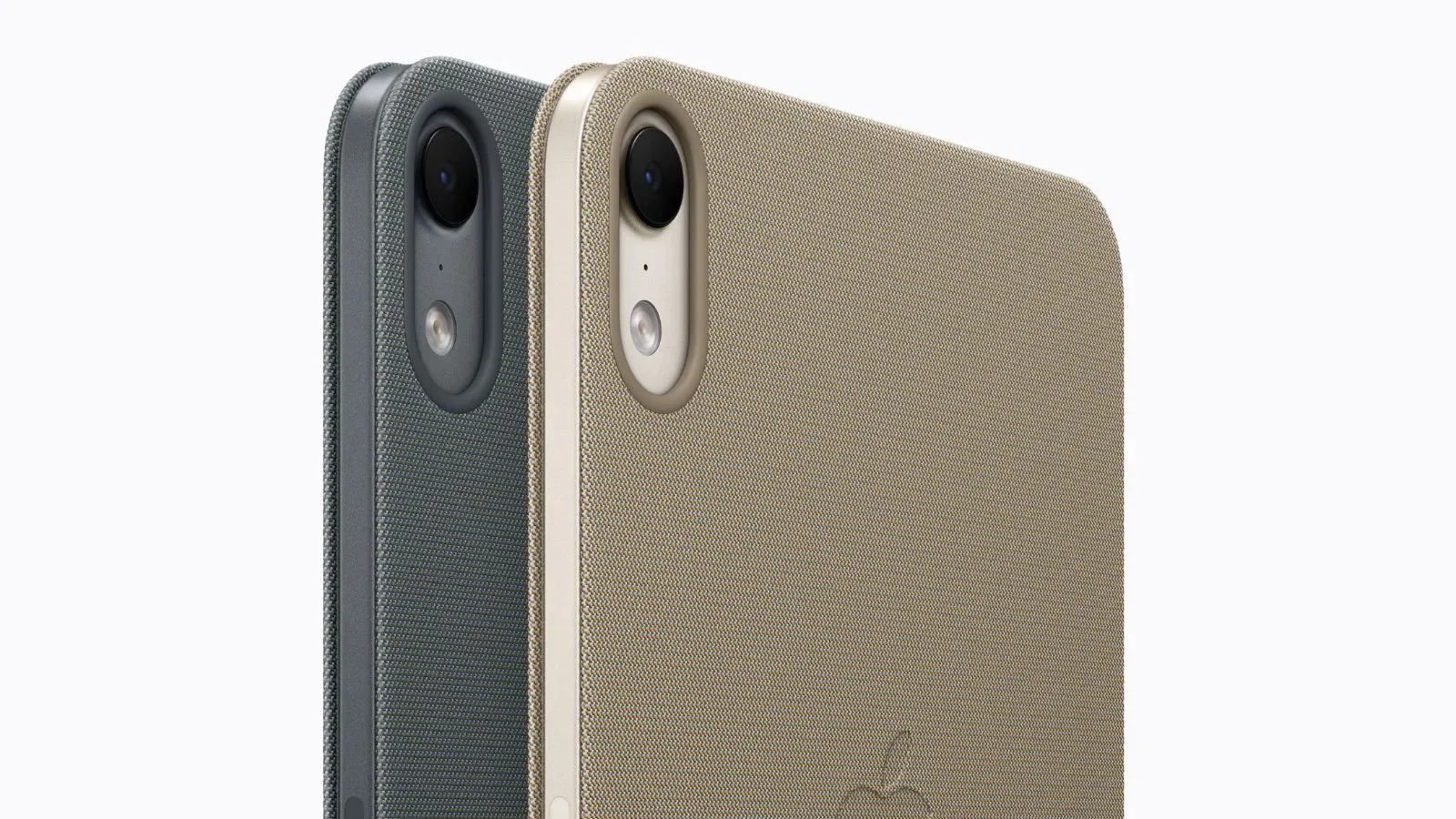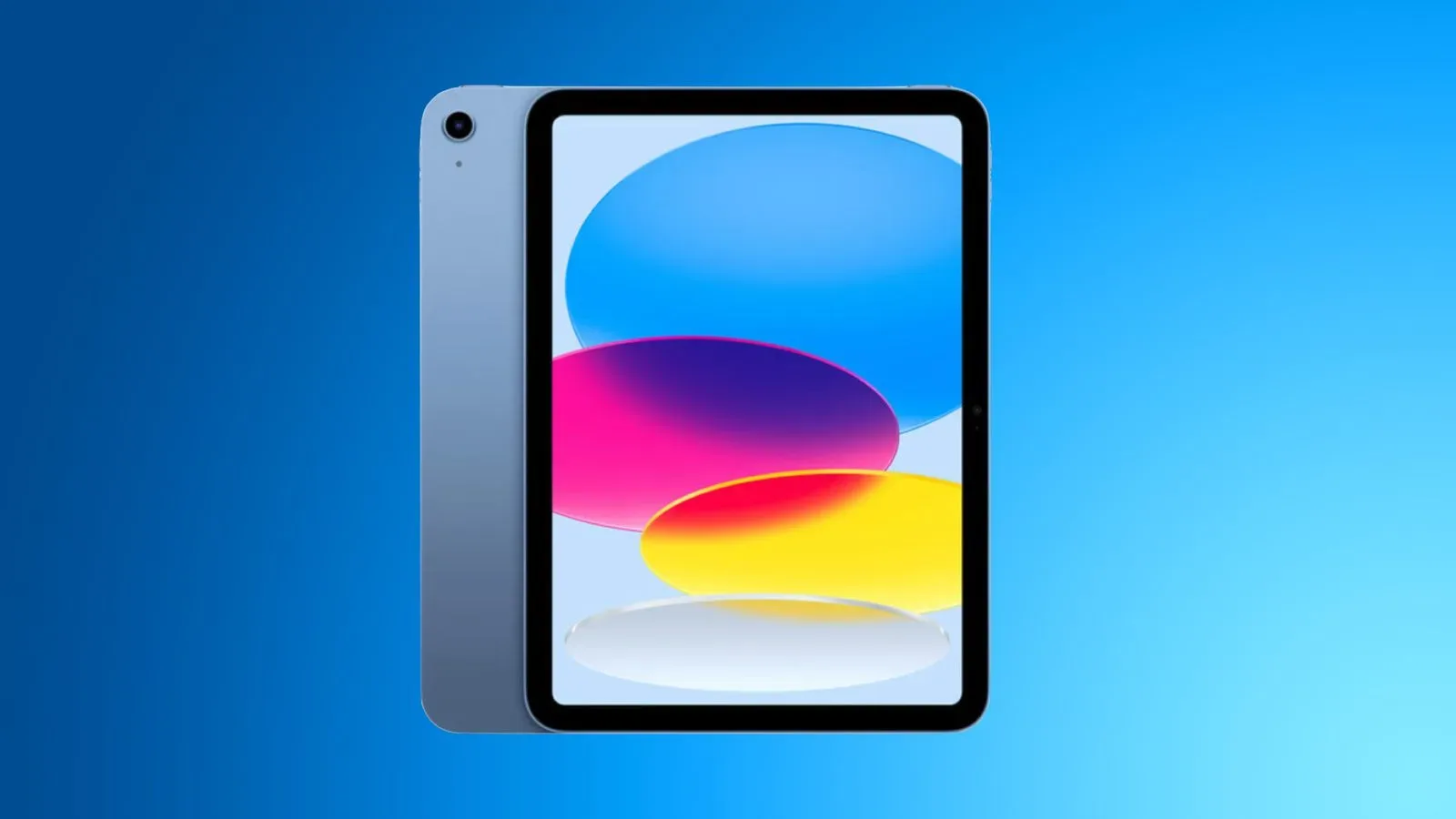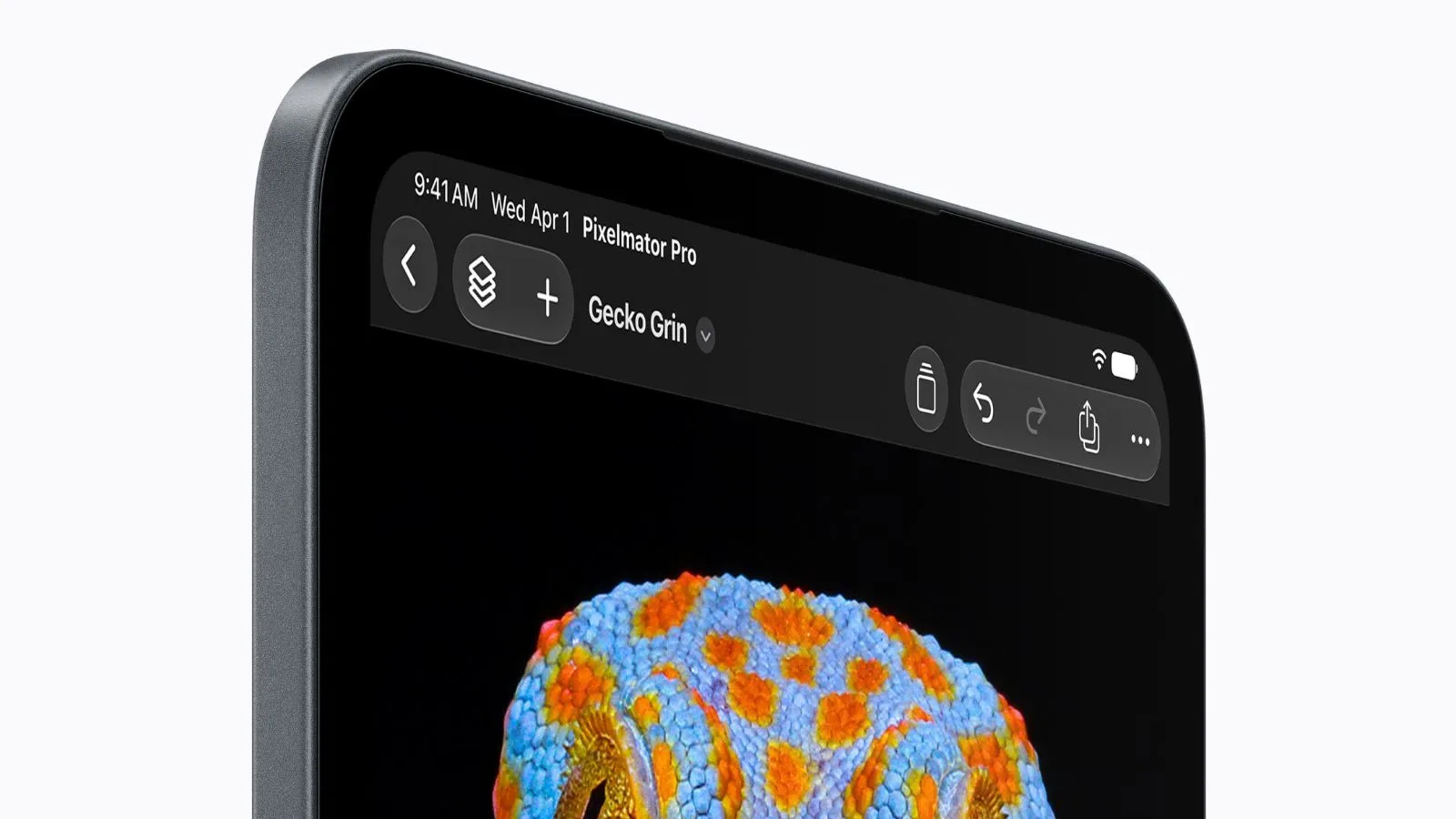
Apple’s current iPad range now shares one small but meaningful piece of hardware consistency: every model has its front-facing camera positioned on the landscape edge. The newly introduced iPad mini was the final device in the active lineup still carrying its front camera on the portrait edge, and its move completes a transition that began with the 10th-generation iPad in 2022.
It is an understated design change, but one aimed squarely at how many people actually use tablets. An iPad held horizontally places the camera at the top of the display rather than off to one side. During a video call, that produces a more natural viewpoint for the other person, rather than the familiar off-angle image created when the lens sits at the screen’s side.
The last layout mismatch is gone
For a period, the iPad family used two different front-camera positions. The 10th-generation iPad adopted the landscape placement in 2022. The M2 iPad Air and M4 iPad Pro followed in 2024. The iPad mini remained the exception until this new model.
That mattered because the mini is still an iPad, but its compact form factor did not previously share this particular convention with the larger models. With the revised mini, Apple has standardized the placement throughout its current tablet lineup. People moving between an iPad mini, iPad Air, iPad Pro, or the 10th-generation iPad should no longer encounter a different camera position solely because they chose another size or tier.
The new iPad mini uses a 12-megapixel Center Stage camera on its landscape edge. “Megapixel” refers to the number of pixels a camera sensor captures; in this case, 12 megapixels is the stated resolution of the front camera. Center Stage is the name associated with the camera system, but the most immediately apparent physical change here is not a software setting. It is where the lens sits on the tablet.
Why camera placement has a practical effect
A landscape orientation is common for video calling because it gives the screen a wider shape and can make room for multiple people, shared content, or app windows. When a front camera is mounted along the portrait edge, rotating the iPad into that wider orientation leaves the lens at the side. The resulting perspective can make a caller appear to be positioned slightly off-center, even when they are looking naturally at the display.
Putting the camera on the landscape edge aligns the lens with the orientation used for that kind of call. In simple terms, the lens moves from the side of the horizontal screen to the top of it. This does not turn a tablet into a dedicated webcam or alter the basic purpose of a front camera, but it removes an ergonomic mismatch that had become more noticeable as the rest of the line changed.
That is also why this is better understood as a usability refinement than a headline-grabbing imaging upgrade. The supplied details identify the mini’s new front camera as 12 megapixels and Center Stage-equipped, but the central significance is consistency: all currently offered iPads now put the front camera in the same landscape-friendly location.
A change that follows real device posture
Hardware design often sounds abstract until it intersects with posture. A front-facing camera is used while someone is looking at the display, and the edge selected for that lens affects where it appears in relation to the user. On a tablet, that relationship changes when the device rotates.
The landscape placement acknowledges that a horizontally held iPad is a natural format for face-to-face calls. Instead of asking users to adapt their grip or accept a side-mounted viewpoint, the hardware is arranged around the horizontal orientation. That distinction is especially relevant for a product category that can shift between reading, browsing, messaging, drawing, and calls simply by turning the device.
The shift does not imply that portrait use has disappeared. iPads can still be used vertically, and a landscape-mounted front camera will naturally sit to one side when the device is held that way. The point is narrower: Apple’s current iPad designs now prioritize a more natural camera perspective when the tablet is used in landscape, and they do so consistently across the range.
What it means for iPad mini buyers
For someone considering the new iPad mini, the landscape camera is a quality-of-life detail rather than a reason to ignore the rest of the device. It will matter most to buyers who expect to make video calls while holding or propping the tablet horizontally. It is less consequential for someone whose use is largely portrait reading or who rarely uses a front-facing camera.
Still, it removes one of the clearest visual and functional differences between the mini and Apple’s other current iPads. The mini no longer asks its owner to accommodate an older front-camera arrangement while the wider lineup follows another design pattern.
Prospective buyers should keep the scope of the change in view. A landscape front camera improves the physical alignment for horizontal calls; it does not, on its own, establish anything about call quality, app behavior, accessories, performance, or the broader specification sheet. Those are separate questions. The confirmed change is specific and useful: the iPad mini’s 12-megapixel Center Stage front camera is now on the landscape edge.
Anyone weighing the mini alongside its related accessories may also want to see the new TechWoven Smart Folio for iPad mini. For the tablet itself, however, the camera change marks the end of a gradual lineup-wide transition that started four years earlier.
The broader design takeaway
From 2022 through the new iPad mini, Apple has steadily moved its front cameras toward the same landscape-first placement. The 10th-generation iPad began the transition, the M2 iPad Air and M4 iPad Pro continued it in 2024, and the mini now closes the gap.
There is no dramatic new category of use created by this adjustment. Instead, the benefit is a more coherent experience: on every current iPad, holding the device horizontally for a video call places the front camera in the position that best matches that orientation. For a change measured in millimeters along a bezel, it has an outsized effect on where a conversation appears to take place.