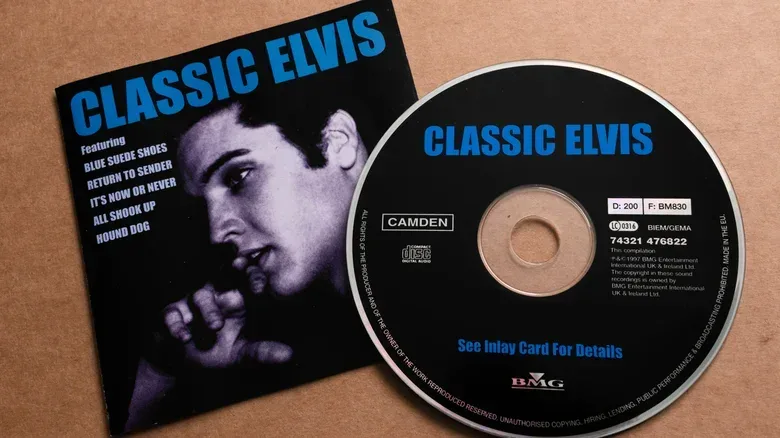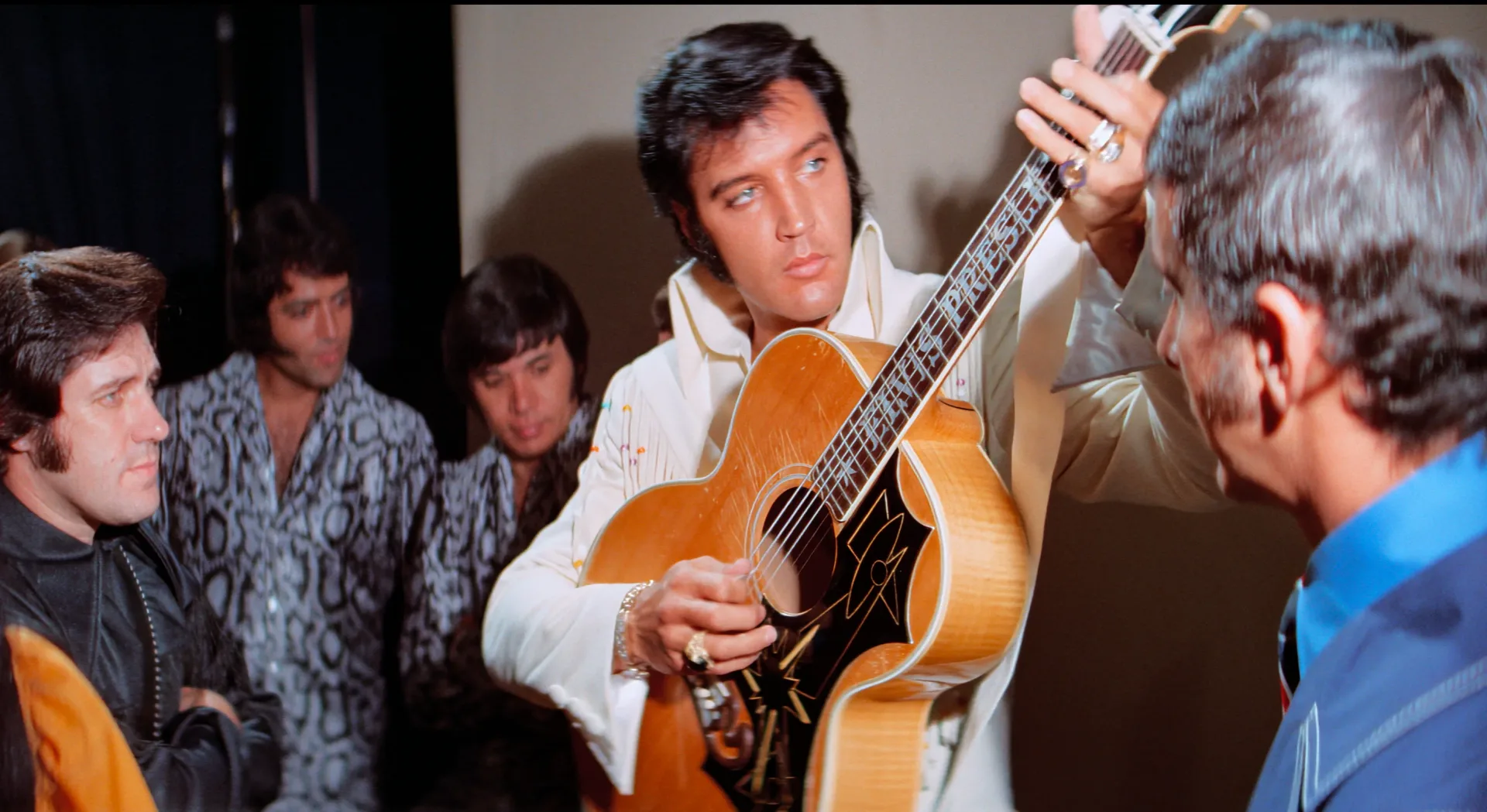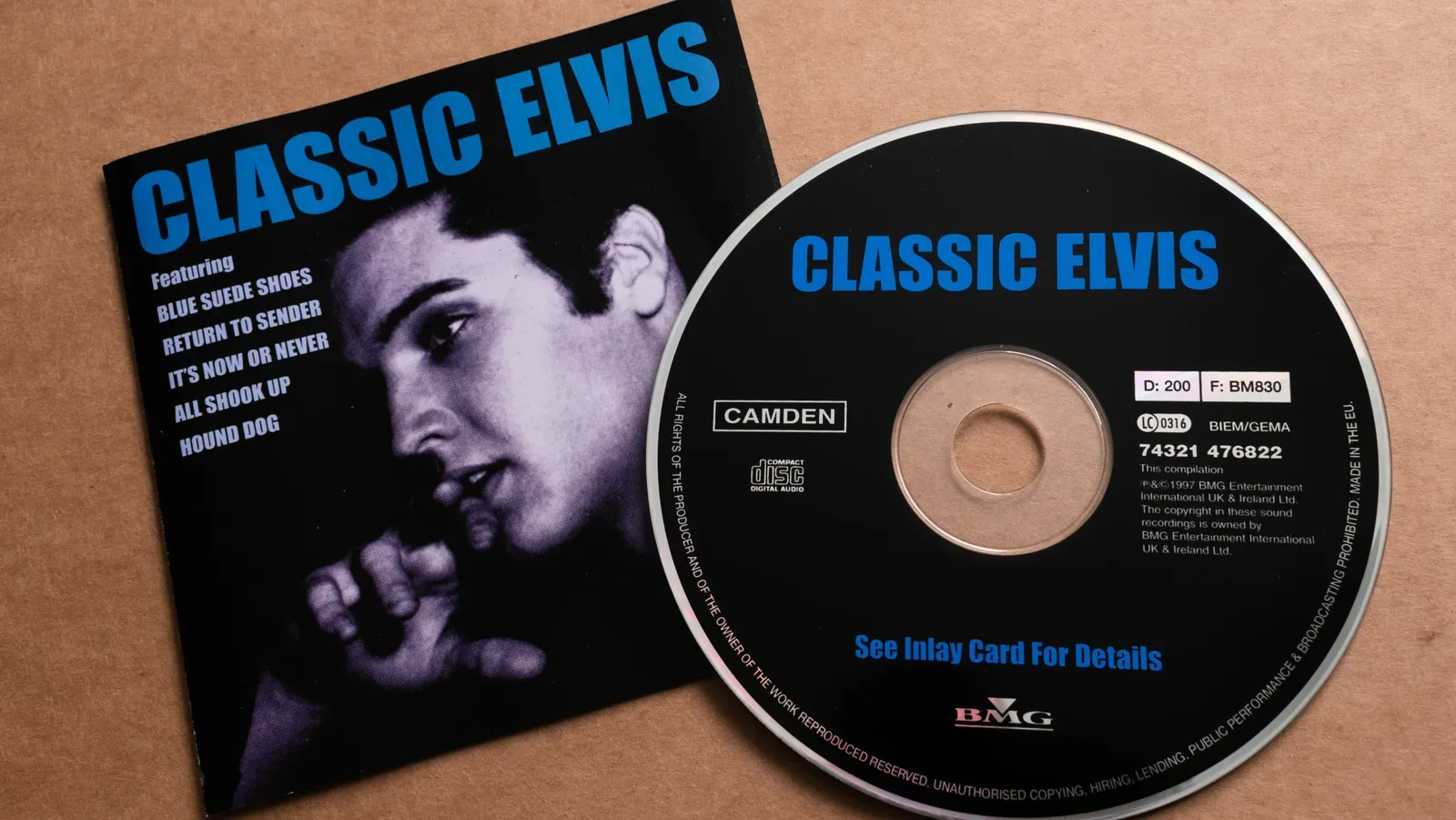
The catalogue behind Elvis Presley’s music has become the focus of a new fight over what artificial-intelligence companies may use to train their systems. A group of stakeholders connected to Presley’s back catalogue has sued Anthropic, seeking $41 million and alleging that the company used 274 Elvis songs without permission in AI training.
The complaint, filed on October 23, also accuses Anthropic of bypassing digital-rights-management protections and removing or changing copyright-management information on 247 songs. The works named include Don’t Be Cruel, Can’t Help Falling in Love and A Little Less Conversation.
Anthropic has disputed the allegations and said it intends to defend the case fully. Its broader position in related disputes has been that using copyrighted music to train AI can qualify as fair use. That legal question—not whether Elvis remains culturally enormous—is the central battle here.
A single catalogue, a very large claim
The plaintiffs include Authentic Brands Group, Raleigh Music Publishing, multiple trusts and at least one individual with stakes in the Presley catalogue. Their $41 million demand is notable because it focuses on the body of work associated with one performer, rather than an enormous cross-industry list of recordings and compositions.
That focus gives the case a straightforward public hook, but it does not make its underlying legal issues simple. Music rights can involve several distinct layers: a composition, meaning the underlying song; a recording, meaning a particular captured performance; and associated ownership, licensing and publishing interests. The supplied allegations concern songs and copyright protections, while the group bringing the case itself reflects the fact that catalogue rights are often held across businesses, trusts and individuals rather than by one single owner.
The complaint characterizes Presley’s catalogue as unusually significant and valuable. It notes that Elvis sold more than a billion records, and the plaintiffs’ attorney Richard Busch argues that the works at issue are among the most influential and enduring musical compositions in history. Those claims explain why this particular dispute attracts attention: the artist died decades before today’s generative-AI boom, but the economic value of the music and the rights attached to it have not faded.
What the lawsuit alleges
At its core, the suit says Anthropic trained models on 274 Elvis songs without authorization. It goes further, claiming DRM was circumvented and copyright-management information was removed or altered for 247 songs.
DRM, short for digital rights management, refers to technical controls placed on digital material to manage access or copying. Copyright-management information is identifying rights information connected to a work, such as ownership or attribution details. The difference matters. The training allegation concerns the use of the music itself; the additional claims concern the alleged treatment of technical protections and rights data surrounding the works.
Those are allegations, not findings. The court process will determine what evidence supports them, what legal protections apply, and whether the conduct alleged creates liability. Anthropic’s stated disagreement makes clear that the facts and legal consequences will be contested.
“The Elvis Plaintiffs bring this action to enforce these exclusive rights against the Defendant that has built its entire business model based on copyright infringement at a scale never seen before,” Busch wrote in the complaint.
That is the plaintiffs’ characterization of Anthropic’s business and conduct, not a court ruling. Keeping that distinction clear is particularly important in AI copyright cases, where the eventual answers may turn on detailed evidence about datasets, systems and how works were handled before training.
Why “fair use” is the pivotal phrase
Anthropic has previously argued that training AI on copyrighted music is fair use. In broad terms, fair use is a legal doctrine that can, in some circumstances, permit use of copyrighted material without permission. Invoking it is not the same thing as winning a case. Whether it applies depends on the facts and legal analysis presented in each dispute.
For this suit, the clash is easy to state: the rights holders say their works were used without consent and that protected material and rights information were improperly handled; Anthropic says it disagrees with the claims and will defend itself. The fair-use argument is likely to sit at the center of the company’s response to the allegation that training itself infringed copyright.
The case therefore reaches beyond output alone. Public discussion about generative AI often centers on whether a tool can produce something that resembles an existing artist or song. This complaint puts the earlier stage under the microscope: what material entered the training process, how it was obtained, and whether copyright law permits that use. The alleged DRM circumvention and rights-information changes create additional questions separate from whether training can be defended as fair use.
Part of a crowded litigation landscape
Anthropic is already facing other music-related copyright lawsuits. Sony and Warner have sued the company over alleged infringement involving thousands of works. Universal Music and Concord Music Group previously brought a separate claim alleging illegal downloading and training on 20,000 copyrighted songs. Those cases seek damages in the billions of dollars.
The Presley complaint is smaller in dollar value than those billion-dollar actions, but it illustrates a different kind of pressure point. A claim tied to a single, globally recognizable catalogue makes the training-data issue feel less abstract. The case is not about an unnamed mass of material. It is about songs that are widely known, commercially valuable and connected to an artist whose legacy is managed long after his death.
That does not decide the legal merits. It does show why the stakes are not limited to technology companies. Publishers, catalogue owners, estates and other rightsholders have strong incentives to establish what permissions, if any, AI developers require before using protected works at scale.
What this could mean for creators and catalogue owners
There is no judgment reported in this case, so it is too early to treat it as a precedent. Still, the requested $41 million demonstrates the potential financial weight of claims built around a defined catalogue. For owners of older and high-profile music libraries, the dispute reinforces that commercial rights can remain highly consequential even as the technology using the material did not exist when the artist was alive.
For AI companies, these lawsuits create uncertainty around an essential input: training data. Models learn from large collections of material, and disputes over the origin, permissions and handling of that material can have consequences far beyond a single work. The recent music claims involving Anthropic have ranged from thousands of songs to a sharply focused Elvis catalogue, suggesting that litigation can arrive from both large corporate rightsholders and the stakeholders behind individual artists’ bodies of work.
For audiences, this is also a reminder to distinguish between an artist’s cultural image and the specific legal rights in their work. Presley’s continued prominence—along with the value attributed to his catalogue by the plaintiffs—does not automatically establish the claims. Likewise, the fact that AI training is technologically new does not by itself settle whether old or current copyright rules permit it. The case will depend on the law and evidence applied to the alleged conduct.
The broader culture-and-technology collision is not going away. Music’s value lies in both artistic legacy and the rights that govern its use. As more copyright claims test how generative AI was trained, prominent catalogues will remain an especially visible arena for that conflict. For more on how established creative properties continue to meet emerging technology and entertainment conversations, see our coverage of a community showcase getting World of Warcraft running on Dreamcast.